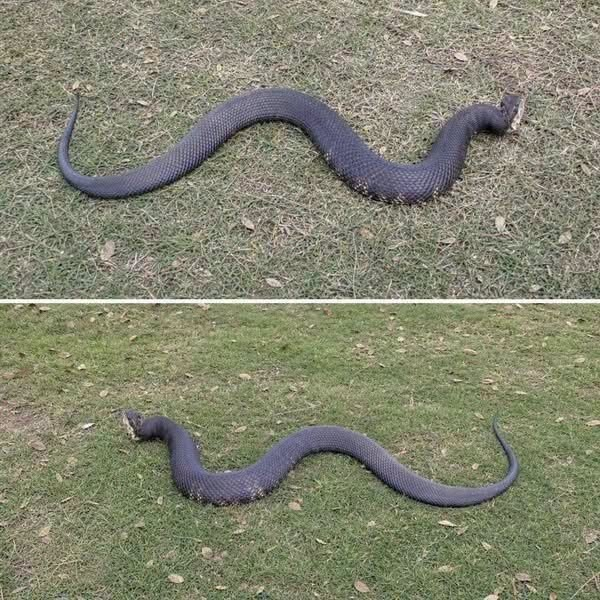

The South Surprise: What to Do When a Copperhead Ends Your Turkey Hunt
A spring turkey hunt can bring hunters into the same leaf-covered forests, field edges, creek bottoms, and brushy habitat used by copperheads. These snakes are native to much of the eastern and central United States, and their coloring can blend remarkably well with fallen leaves, pine needles, rocks, and low vegetation. A close encounter may be alarming, especially when it happens far from a road or medical facility.
In the event of a suspected copperhead bite, the priority is not panic or improvised treatment. It is getting professional medical help promptly while keeping the affected person calm, as still as reasonably possible, and safely away from the snake. Modern treatment guidance is based on decades of emergency medicine and toxicology experience: quick assessment and appropriate hospital care are far safer than traditional methods that can worsen an injury.
This guide explains how to respond responsibly, what not to do, why copperhead bites occur, and how turkey hunters can reduce the likelihood of an encounter in the first place.
Why Copperheads Are a Concern During Turkey Season
Copperheads are venomous pit vipers in the genus Agkistrodon. Their common name comes from the warm coppery or tan color often visible on the head and body. Many have distinctive darker, hourglass-shaped crossbands, although appearance can vary by location and age. Juveniles may have a yellowish or greenish tail tip.
They are generally not aggressive animals that seek conflict with people. Like many wild snakes, they usually rely on camouflage and retreat when given space. Bites commonly occur when someone accidentally steps near a snake, puts a hand into vegetation or under an object where it is resting, or attempts to handle, move, or kill it.
Turkey hunting can create conditions for accidental contact. Hunters may remain motionless near logs and brush, walk slowly while watching for birds, sit against trees, retrieve equipment from the ground, or move before daylight when visibility is reduced. In warmer parts of the South, snake activity may overlap with spring hunting seasons, particularly on mild days and around areas offering cover, moisture, and small prey.
That does not mean every hunter should expect a dangerous encounter. Snake bites are uncommon, and serious outcomes are less likely when people obtain timely medical evaluation. Still, a plan for emergencies is an essential part of backcountry preparation.
What to Do After a Suspected Copperhead Bite
If a person is bitten or believes they may have been bitten by a copperhead, treat the situation as a medical emergency. Call 911 or local emergency services as soon as possible. If cell service is unreliable, send a companion to summon help only if doing so can be done safely and without leaving the injured person in a more hazardous situation.
The person should move away from the snake and avoid trying to identify it at close range. A photo from a safe distance can sometimes assist experts, but it is never worth risking another bite. Medical teams generally make treatment decisions from symptoms, examination findings, and available history; capturing or handling a snake is unnecessary and dangerous.
While waiting for emergency assistance or arranging transport, follow evidence-based first-aid principles:
- Stay calm and limit movement. Anxiety and unnecessary exertion can make an already stressful event harder to manage. Sit or lie down in a safe position if possible.
- Keep the bitten area still. If practical, keep the affected limb in a comfortable, neutral position and avoid walking unless necessary for immediate safety.
- Remove constricting items. Take off rings, watches, bracelets, boots, or tight clothing near the bite area before swelling develops.
- Note the time of the bite. This information can help emergency clinicians understand how symptoms are progressing.
- Use gentle wound protection. Cover the area loosely with a clean, dry dressing if one is available. Do not apply a tight bandage.
- Follow dispatcher instructions. Emergency dispatchers can provide guidance tailored to the location and circumstances while help is arranged.
Symptoms can include pain, swelling, bruising, tingling, nausea, weakness, or changes around the bite site. Symptoms may differ from one person to another, and a bite that appears mild at first can still require observation. Children, older adults, and people with certain health conditions may be especially vulnerable because of body size, medications, or other medical factors.
What Not to Do: Dangerous Snakebite Myths
Fear can make old folklore sound persuasive. However, several widely repeated snakebite remedies are not recommended by major medical and public health organizations. They can delay treatment, damage tissue, or introduce infection.
Do not cut the bite site or attempt to suck out venom. Suction devices and mouth suction have not been shown to remove a medically meaningful amount of venom, and cutting can cause additional injury. Do not apply ice, heat, electric shock, chemicals, or herbal treatments to the bite. These measures may worsen local tissue damage or distract from getting help.
Tourniquets and tightly wrapped compression devices should also be avoided unless specifically directed by qualified medical professionals in a setting where they are appropriate. Restricting blood flow can create serious complications. Likewise, do not drink alcohol or large amounts of caffeine, and do not take aspirin or ibuprofen unless a clinician advises it. Some medications may complicate bleeding risk or medical assessment. A health professional can recommend safe pain management.
Most importantly, do not try to continue the hunt, drive yourself if symptoms are developing, or “wait and see” without contacting medical professionals. A prompt call to emergency services, a poison center, or a medical provider is the more responsible choice.
Why Hospital Evaluation Matters After a Copperhead Bite
At a hospital, clinicians can monitor pain, swelling, circulation, blood pressure, and laboratory findings when needed. They may measure the affected limb over time and watch for signs that symptoms are progressing. This observation is important because the effects of snake venom do not always become fully apparent immediately.
Healthcare teams also evaluate tetanus vaccination status and manage pain, fluids, and other supportive needs. In some cases, clinicians may consult medical toxicology specialists or regional poison centers. Antivenom may be considered when there are medically significant or progressing effects, based on clinical judgment and established treatment protocols.
Not every copperhead bite leads to the same treatment plan, and people should not assume that a single online description applies to every case. The appropriate response depends on the patient, symptoms, time since the bite, medical history, and local expert guidance. The central message remains consistent: professional evaluation is the safest path.
Copperhead Identification and the Importance of Keeping Distance
Accurate snake identification can be difficult, especially in dim light or thick ground cover. Copperheads typically have broad, triangular-looking heads and patterned bodies, but other snakes can be confused with them. Nonvenomous species may also have markings that look similar from a distance.
For hunters and hikers, the best identification strategy is practical rather than academic: assume an unfamiliar snake deserves space. Do not touch it, corner it, throw objects at it, or attempt to relocate it. Slowly back away and give the animal an escape route. Many snakes will remain still or move away once people are no longer nearby.
Wildlife agencies commonly emphasize that snakes play useful ecological roles. They help regulate populations of rodents and other small animals and are part of healthy forest, wetland, and field ecosystems. Respecting their space protects both people and wildlife.
How Turkey Hunters Can Reduce the Risk of Snake Encounters
Prevention begins before leaving home. Hunters should tell someone where they plan to be, share a route or general hunting area, and establish a check-in time. Carrying a fully charged phone, backup power source, whistle, map, basic first-aid supplies, drinking water, and weather-appropriate clothing can improve safety during any remote outing.
Footwear and awareness are especially important in snake habitat. Sturdy boots and long pants offer a degree of protection, though no clothing should be considered absolute protection from a bite. Some hunters choose snake-resistant gaiters or boots in areas where venomous snakes are known to occur. Such gear may reduce risk around the lower leg, but it does not replace careful movement and observation.
When walking, look where you place your feet and hands. Step onto logs rather than blindly over them, as a snake may be resting on the far side. Avoid reaching into holes, dense brush, rock crevices, woodpiles, or under fallen timber without checking carefully. Use a flashlight or headlamp before dawn, after sunset, and whenever visibility is poor.
Choose a sitting location thoughtfully. Before settling against a tree or beside a log, scan the ground, leaf litter, and nearby cover. Keep packs, calls, and other equipment organized rather than leaving items scattered in tall grass or brush. If a snake is spotted, mark the location mentally, back away, and choose another route or hunting setup.
Planning for Emergencies in Remote Areas
A serious outdoor emergency can become more complicated when distance, terrain, weather, and poor mobile reception delay access to care. Before a turkey hunt, learn the location of the nearest hospital and consider downloading offline maps. In particularly remote areas, a satellite communicator or personal locator beacon can provide an additional layer of communication.
Hunting with a partner can also be beneficial. A companion can call for help, monitor symptoms, guide responders toward the correct location, and prevent an injured person from making risky decisions under stress. If hunting alone, leave a detailed plan with a trusted contact, including the intended access point, vehicle description, and expected return time.
Local poison centers are another reliable resource. In the United States, Poison Control can be reached at 1-800-222-1222. In an immediate emergency or when severe symptoms are present, call 911 first. Poison specialists can work with healthcare professionals and provide evidence-based information; they are far more reliable than social-media claims or unverified home remedies.
A Calm Response Is the Best Outdoor Safety Tool
A copperhead encounter can abruptly change the tone of a quiet morning in the woods, but it does not need to turn into a preventable crisis. The most effective response is simple: create distance from the snake, call for emergency help, reduce movement, remove restrictive items, and seek professional medical evaluation without delay.
For turkey hunters, preparation is not separate from the experience; it is part of responsible time outdoors. Knowing the terrain, watching each step, wearing appropriate gear, carrying communication tools, and respecting wildlife can make spring hunts safer for everyone involved. The goal is not to fear the forest, but to understand its risks and respond with good judgment when the unexpected happens.
Sources
Disclaimer: This content is intended for entertainment purposes only and is not based on real events.
