
Tonsil Stones: Causes, Symptoms, Treatment and Prevention

The internet has made it easier than ever for people to share information about health, including common but rarely discussed conditions affecting the mouth and throat. While social media can raise awareness, short videos and personal anecdotes do not always provide the full medical context. One topic that often attracts curiosity is tonsil stones, also known by the medical term tonsilloliths.
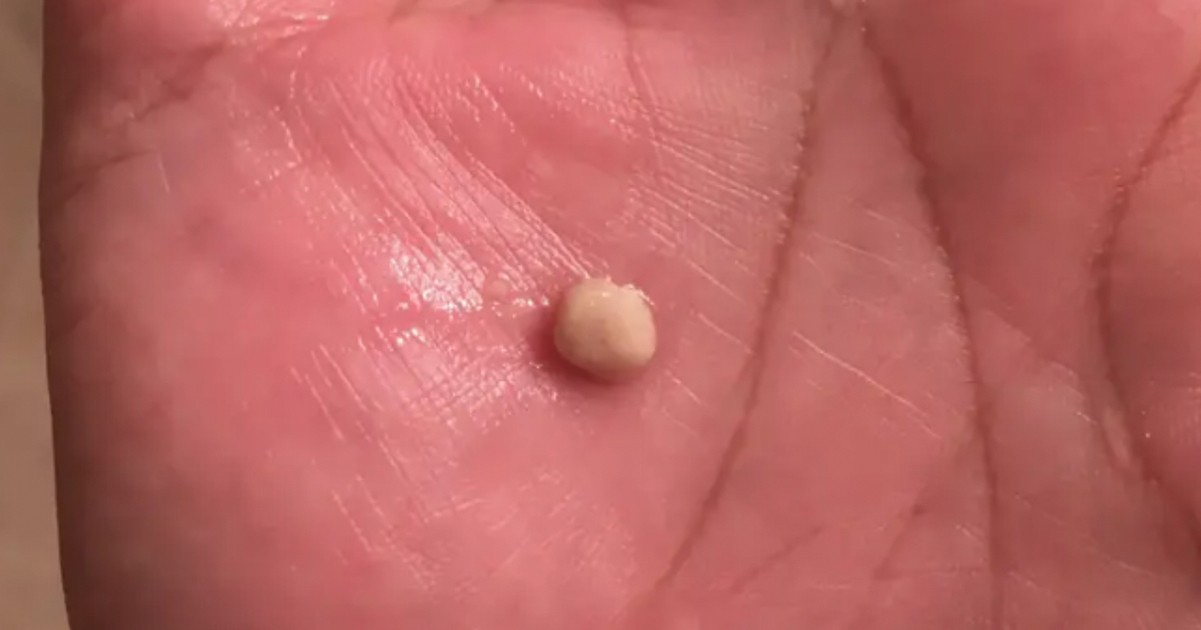
Tonsil stones are small, firm deposits that can develop in the folds of the tonsils. They may be white, yellowish or off-white, and they are often noticed while brushing teeth, coughing, gargling or looking at the back of the throat. Although they can be unpleasant and sometimes cause bad breath or throat irritation, tonsil stones are generally not dangerous.
Understanding why tonsil stones develop, how they can be managed safely and when symptoms deserve medical attention can help people make informed decisions without relying on potentially misleading online advice.
What Are Tonsil Stones?
The tonsils are two oval-shaped areas of tissue located at the back of the throat. They are part of the immune system and help recognize germs that enter through the mouth and nose. The surface of the tonsils contains small pits, folds and tunnels called tonsillar crypts. These natural spaces vary from person to person.
Tonsil stones form when material becomes trapped in these crypts. The material can include food particles, mucus, dead cells, saliva, bacteria and other debris from the mouth. Over time, the trapped matter can become compacted and may harden as minerals, including calcium, are deposited in it.
According to Cleveland Clinic, tonsil stones are common and usually harmless. Some people may have them occasionally without ever realizing it, while others may experience recurring stones or symptoms that affect their comfort and confidence.
Why Do Tonsil Stones Form?
The presence of tonsil crypts is an important factor in tonsil stone formation. Larger or deeper crypts can provide more places for debris to collect. These spaces may become more pronounced after repeated inflammation of the tonsils, such as recurrent tonsillitis.
Several factors may contribute to the development of tonsil stones:
- Food and cellular debris: Small particles can settle in the folds of the tonsils after eating.
- Bacteria in the mouth: Bacteria are naturally present in the oral cavity. Some can contribute to odor when they act on trapped debris.
- Postnasal drip: Mucus from allergies, sinus conditions or respiratory infections may travel down the throat and collect around the tonsils.
- Dry mouth: Reduced saliva can make it more difficult for the mouth to clear away debris naturally.
- Chronic tonsil inflammation: Repeated episodes of tonsillitis can alter the surface of the tonsils and deepen their crypts.
- Oral hygiene challenges: Infrequent brushing, flossing or tongue cleaning can increase the amount of debris and bacteria in the mouth.
Having tonsil stones does not necessarily mean that someone has poor hygiene. Many people with good dental habits can still develop them because tonsil shape and anatomy play a significant role.
Common Tonsil Stone Symptoms
Small tonsil stones often cause no symptoms at all. In fact, some are discovered incidentally during a dental examination or while receiving care for an unrelated throat concern. When symptoms occur, they can vary depending on the size and location of the stone.
One of the most frequently reported concerns is persistent bad breath, medically known as halitosis. This may happen because bacteria within the stone can produce sulfur-containing compounds associated with an unpleasant odor. Bad breath has many possible causes, however, including gum disease, tooth decay, dry mouth and digestive conditions, so tonsil stones are not always the explanation.
Other possible symptoms include:
- A feeling that something is stuck in the throat
- Mild throat irritation or discomfort
- Difficulty swallowing in some cases
- A metallic or unpleasant taste
- A cough or urge to clear the throat
- Visible white or yellow material in a tonsil crypt
- Occasional ear discomfort caused by shared nerve pathways in the throat and ear
Severe pain, high fever, pronounced swelling, breathing difficulty or an inability to swallow liquids are not typical features of uncomplicated tonsil stones. Those symptoms require prompt medical assessment because they may indicate an infection or another throat condition.

Are Tonsil Stones Dangerous?
For most people, tonsil stones are benign. They are not contagious, and they do not mean a person has a serious illness. Small stones may fall out on their own when a person coughs, sneezes, swallows or gargles.
Still, recurring symptoms can be frustrating. Ongoing bad breath, repeated throat discomfort or anxiety about visible stones may affect social confidence and quality of life. In these situations, a dentist, primary care clinician or ear, nose and throat specialist can help rule out other causes and discuss appropriate management.
It is also important not to confuse tonsil stones with pus, ulcers or unusual growths in the throat. A healthcare professional should assess persistent white patches, one-sided enlargement, unexplained bleeding, a neck lump, unexplained weight loss or symptoms that do not improve.
Safe Ways to Manage Tonsil Stones at Home
Because tonsil stones are usually harmless, conservative measures are often sufficient. Gentle saltwater gargling is among the most commonly recommended approaches. Gargling may help loosen minor debris, soothe throat irritation and support general oral hygiene.
A person can prepare a saltwater gargle by mixing a small amount of salt into warm water, gargling gently and spitting the water out. It should not be swallowed. Some people also find that drinking enough water and maintaining regular oral care helps reduce the recurrence of minor stones.
Good oral hygiene includes brushing teeth twice daily with fluoride toothpaste, flossing or using another interdental cleaning method, and gently cleaning the tongue. Routine dental visits are also valuable because dental professionals can identify gum disease, decay and other conditions that may contribute to bad breath.
Some people attempt to dislodge a visible stone with a cotton swab or oral irrigator. This should be approached carefully. The tonsils are delicate, and pressing too firmly or using sharp objects can cause bleeding, injury or infection. Healthcare organizations generally advise avoiding forceful removal methods. If a stone is difficult to remove, painful or recurrent, professional advice is safer than repeated attempts at home.
Why Viral Removal Videos Require Caution
Videos showing tonsil stone removal can generate attention online because they reveal a condition many viewers have never encountered. However, such material rarely shows a complete health assessment, and it may encourage viewers to imitate techniques that are not suitable for everyone.
Online content also cannot determine whether a visible spot is truly a tonsil stone. A clinician may need to examine the throat to distinguish stones from infection, inflammation or other concerns. For that reason, health decisions should be based on reliable medical guidance rather than viral trends or dramatic personal experiences.
If someone chooses to watch or share health-related videos, it is useful to consider the source, whether the information cites established medical organizations and whether the content encourages safe, evidence-based care. Educational resources from hospitals, public health agencies and qualified clinicians are generally more dependable than unverified posts.
Medical Treatment for Recurrent Tonsil Stones
When home measures do not adequately address frequent tonsil stones or troublesome symptoms, a healthcare professional may recommend further evaluation. An ear, nose and throat specialist, often called an ENT, can examine the tonsils and discuss options based on a person’s medical history and symptoms.
In some cases, a clinician may remove a stone in a medical setting. If a person has recurrent tonsillitis, persistently problematic tonsil stones or significant effects on daily life, tonsil surgery may be discussed. A tonsillectomy removes the tonsils and therefore prevents tonsil stones from forming in those tissues.
However, surgery is not routinely necessary for most people with tonsil stones. Like any operation, a tonsillectomy has potential risks and requires recovery time. The decision should be individualized after a discussion of expected benefits, alternatives and possible complications with a qualified medical professional.
When to See a Doctor About Throat Symptoms
It is sensible to contact a healthcare professional if tonsil stones are recurring, difficult to manage or associated with ongoing bad breath despite careful oral hygiene. A clinician can assess whether the symptoms may have another cause and can recommend treatment suited to the individual.
Seek urgent medical care for symptoms such as trouble breathing, inability to swallow saliva, severe or rapidly worsening throat pain, significant swelling, dehydration, a high fever or difficulty opening the mouth. These symptoms are not typical of simple tonsil stones and may need timely evaluation.
People with weakened immune systems, major medical conditions or a history of serious throat infections should also seek individualized medical guidance rather than self-treating persistent symptoms.
Preventing Tonsil Stones
There is no guaranteed way to prevent tonsil stones, particularly for people with deep tonsil crypts. Nevertheless, consistent oral and throat care may lower the amount of debris that accumulates in the mouth.
- Brush teeth thoroughly twice a day and clean between teeth daily.
- Clean the tongue gently, as bacteria can collect on its surface.
- Drink water regularly to support saliva production and reduce dry mouth.
- Gargle gently after meals if food debris tends to collect in the throat.
- Manage allergies or nasal symptoms with advice from a healthcare professional when postnasal drip is persistent.
- Attend regular dental checkups and discuss persistent bad breath with a dentist or doctor.
These habits support overall oral health, even if they do not eliminate every tonsil stone. The aim is not perfection but a sustainable routine that reduces discomfort and helps identify problems early.
Understanding a Common but Often Overlooked Condition
Tonsil stones can seem alarming when they are first noticed, especially because they are not often discussed in everyday health conversations. In most cases, though, they are a manageable and non-serious result of debris collecting in the natural folds of the tonsils.
Reliable information can make the issue less worrying. Gentle hygiene practices, careful attention to symptoms and professional advice when needed are more useful than aggressive self-removal techniques. Anyone who experiences persistent throat problems, recurrent stones or symptoms outside the usual pattern should speak with a healthcare professional for an accurate assessment.
Sources
Disclaimer: This content is intended for entertainment purposes only and is not based on real events.
