
Persistent Itching Behind the Ears and Neck: How to Check for Head Lice and Other Causes
Persistent itching behind the ears, at the hairline, or along the back of the neck can be frustrating for children and adults alike. Head lice are one possible explanation, particularly when itching occurs after close contact with someone who has an infestation. However, lice are not the only cause. Dry skin, dandruff, eczema, contact dermatitis, and reactions to hair-care products can all create similar symptoms.
The most useful first step is not to assume that itching automatically means lice. A careful scalp examination can help identify the cause and prevent unnecessary treatments, excessive cleaning, or anxiety within a household. When live lice are found, effective treatment and practical follow-up measures can usually resolve the problem. When no lice are found, attention can shift to other common skin and scalp conditions.
Why Itching Behind the Ears and Neck Can Be Confusing
The areas behind the ears and at the nape of the neck are often mentioned in discussions of head lice because these warm, protected areas are common places to find lice and eggs. Itching in these locations may therefore raise concern, especially among parents of school-aged children. Yet the same locations can also become irritated by sweat, hair products, jewelry, collars, headphones, hats, or skin conditions that affect the scalp and neck.
Itching is a symptom rather than a diagnosis. In the case of head lice, itching may develop as a reaction to lice bites. Some people notice a tickling or crawling feeling, minor skin irritation, or difficulty sleeping. Others have little or no itching, especially early in an infestation. A person who has had lice before may develop itching sooner because their immune system may react more quickly to bites.
Dandruff, also known as seborrheic dermatitis in some cases, can cause flaking and itching around the scalp, ears, eyebrows, and hairline. Dry skin may produce fine flakes and tightness, particularly during colder or drier weather. Eczema can lead to dry, itchy, inflamed patches, while allergic or irritant contact dermatitis may occur after exposure to a new shampoo, hair dye, fragrance, styling product, or detergent.
Because symptoms overlap, visible evidence matters. The presence of live, crawling lice is the most reliable way to confirm an active head lice infestation.
What Head Lice Are and How They Spread
Head lice are small, wingless insects that live close to the human scalp and feed on small amounts of blood. Their scientific name is Pediculus humanus capitis. They are different from body lice and pubic lice, and head lice are not known to spread disease.
Head lice are common worldwide, especially among children of preschool and elementary-school age. They can affect people of any background, income level, hair type, or standard of personal hygiene. Having head lice is not a sign that a person or family is unclean. Lice have claws adapted to grasp hair and require a human host for survival; they are not attracted to dirty hair.
The main route of transmission is direct head-to-head contact. This can happen during play, sports, sleepovers, family gatherings, or other close interactions. Head lice cannot fly or jump. They crawl from one person’s hair to another when heads are close together.
Although people often worry about brushes, hats, bedding, and furniture, transmission from objects is considered less common than direct contact. A louse away from the human scalp generally does not survive long because it depends on regular blood meals. This is why evidence-based public health guidance emphasizes checking close contacts and treating confirmed cases rather than attempting extensive home disinfection.
How to Identify Head Lice, Nits, and Common Look-Alikes
A head lice check is best done in bright light. A fine-toothed lice comb, tissues, and a magnifying glass can be useful. For people with long or thick hair, dividing the hair into small sections makes inspection more manageable. Focus on the scalp and hair roots, particularly behind the ears and near the nape of the neck.
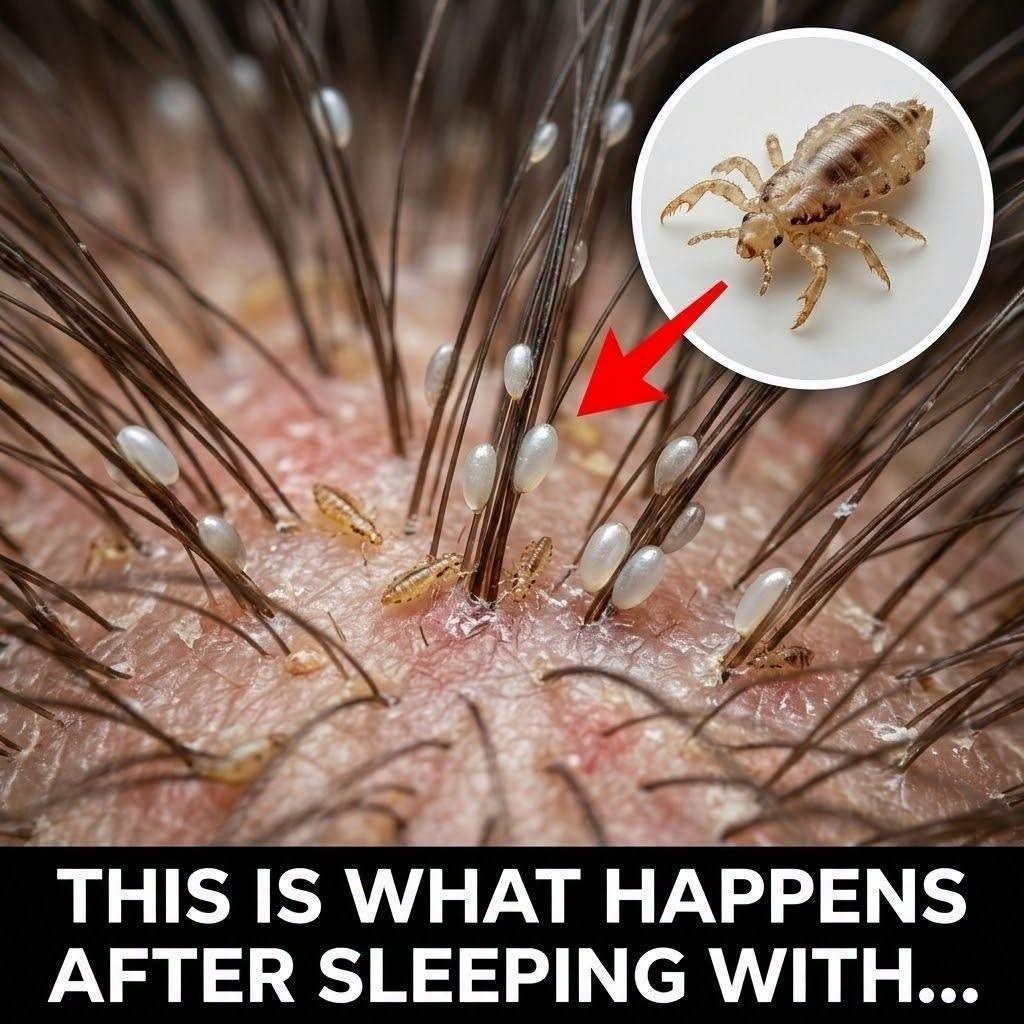
Live lice are small and fast-moving. They may be tan, grayish, or darker depending on the person’s hair color and the louse’s stage of development. Adult lice are roughly the size of a sesame seed, while younger lice, called nymphs, are smaller. Because they move quickly and may avoid light, finding a live louse can require patience.
Lice eggs are called nits. They are usually tiny, oval-shaped, and attached firmly to one side of an individual hair shaft close to the scalp. Nits may appear yellowish, tan, brown, or white depending on whether they are viable, hatched, or empty. They do not brush away easily.
Dandruff, lint, hair-product residue, and skin flakes are frequently mistaken for nits. A simple distinction is that dandruff and loose debris generally move or fall away when the hair is gently shaken or combed. Nits are cemented to the hair shaft and are difficult to slide off with fingers. Even so, nits alone do not always prove that live lice are currently present. Empty egg casings can remain attached to hair after eggs have hatched or after successful treatment.
For this reason, health authorities commonly advise confirming an active infestation by finding live lice. If uncertainty remains, a pharmacist, primary care clinician, school nurse, or dermatologist may be able to help assess the scalp.
Common Symptoms of a Head Lice Infestation
Itching is the symptom most often associated with head lice, but it is not universal. The intensity of itching does not necessarily reflect the number of lice present. Some people have noticeable itching with relatively few lice, while others may not experience symptoms at all.
Possible signs include:
- Persistent itching of the scalp, especially behind the ears or near the neck.
- A feeling of movement or tickling in the hair.
- Small irritated bumps or scratch marks on the scalp or neck.
- Difficulty sleeping, as lice may be more active in the dark.
- Visible nits attached close to the scalp.
- Live insects found during combing or scalp inspection.
Scratching can worsen skin irritation. Repeated scratching may damage the skin barrier and increase the chance of a secondary bacterial skin infection. Medical advice is appropriate if the scalp becomes painful, very swollen, warm, or increasingly red, or if there are sores with drainage, crusting, or signs of infection.
Other Causes of an Itchy Scalp and Neck
When no live lice are found, it may be helpful to consider other explanations. Dandruff is one of the most common. It often causes loose white or yellowish flakes and can be associated with an oily, dry, or mildly inflamed scalp. Over-the-counter anti-dandruff shampoos may help some people, although persistent symptoms should be discussed with a healthcare professional.
Dry skin can be more likely in cold weather, after frequent washing, or when harsh hair products are used. Gentle hair care, avoiding very hot water, and using fragrance-free products may reduce irritation for some individuals.
Eczema, including atopic dermatitis, can affect the scalp, ears, neck, and hairline. It may cause recurring itchiness, dryness, scaling, and areas of inflammation. Psoriasis can also affect the scalp and may produce thicker, well-defined scaly patches. These conditions require different approaches from lice treatment, which is why accurate identification is important.
Contact dermatitis is another possibility. It can occur when the skin reacts to ingredients in shampoos, conditioners, hair dyes, fragrances, styling sprays, cosmetics, detergents, or metal jewelry. Symptoms may begin after a new product is introduced, though reactions can also develop after repeated exposure. Stopping a suspected irritant and seeking clinical advice can be sensible when symptoms are persistent or significant.
What to Do if Head Lice Are Confirmed
If live lice are found, the next step is to choose an appropriate treatment plan. Several over-the-counter and prescription options are available in many countries. Product availability and recommendations vary, so it is important to read the package instructions carefully and speak with a pharmacist or clinician when needed.
Many treatments need to be repeated after a specified interval because some products do not kill every egg. Applying more product than directed or repeating it too soon does not make treatment more effective and may irritate the scalp. Avoid combining different treatments unless a healthcare professional recommends it.
Wet combing with a high-quality fine-toothed lice comb can also help remove live lice and nits. This process involves working through small sections of damp, conditioned hair from the scalp outward. Combing can be time-consuming, particularly with long hair, but it is a useful method for detection and may be part of a treatment plan. Follow-up checks are important because a single inspection may miss a small number of lice.
Household members and close contacts should be checked. Treatment is generally recommended for people with confirmed active lice rather than for everyone automatically. This approach reduces unnecessary use of lice products while helping identify additional cases promptly.
Cleaning the Home Without Overreacting
Head lice depend on the human scalp and do not establish long-term infestations in carpets, furniture, or pets. Major household disinfection is not necessary. Insecticide foggers and sprays should not be used in the home for head lice control. They provide little benefit and may expose household members to avoidable chemicals.
A practical approach is to wash or dry recently used items that have had close contact with the head, such as pillowcases, bedding, hats, scarves, towels, and clothing. Follow each item’s care label. Combs and brushes can be cleaned by removing hairs and washing them in hot water. Vacuuming areas where the affected person has recently rested can be done for reassurance, but intensive cleaning efforts are generally not required.
There is no need to throw away pillows, stuffed animals, clothing, or other belongings. Pets do not spread human head lice and do not need treatment.
Supporting Children and Reducing Stigma
Head lice can create embarrassment for children and stress for parents, particularly when schools, childcare settings, or social activities are involved. A calm, matter-of-fact response is valuable. Children should be reminded that lice are common, manageable, and unrelated to cleanliness or personal worth.
Public health organizations generally support allowing children to return to school after appropriate treatment has begun, rather than excluding them for extended periods because nits may remain in the hair. Policies can differ by school district or country, so families may need to check local guidance. The American Academy of Pediatrics and other health organizations have opposed “no-nit” exclusion policies because nits alone do not necessarily indicate an active infestation.
Families can also encourage children to avoid prolonged head-to-head contact during an outbreak, while avoiding blame or alarm. Sharing concerns discreetly with close contacts can help others check their hair and seek treatment if necessary.
When to Seek Medical Advice
Professional guidance can be helpful when a diagnosis is uncertain, treatment has not worked as expected, or scalp symptoms are severe. Contact a healthcare professional if live lice continue to be found after properly following treatment instructions, if a child is very young, if the person is pregnant or breastfeeding, or if they have allergies, asthma, or a skin condition that could affect treatment choices.
Medical advice is also important when there are signs of skin infection, widespread rash, substantial swelling, or persistent itchiness without evidence of lice. A clinician can assess whether dandruff, eczema, psoriasis, contact dermatitis, or another condition may be responsible.
Key Takeaway: Confirm the Cause Before Treating
Itching behind the ears and along the neck can be uncomfortable, but it does not automatically mean head lice. A careful examination for live lice offers the clearest path to an accurate answer. When lice are confirmed, targeted treatment, regular combing or follow-up checks, and modest cleaning of recently used personal items are usually enough.
Equally important, head lice should be approached without stigma. They are a common issue spread mainly through close contact, not a reflection of hygiene. By separating symptoms from assumptions and following reliable health guidance, families can address scalp itching calmly, safely, and effectively.
Sources
Disclaimer: This content is intended for entertainment purposes only and is not based on real events.
