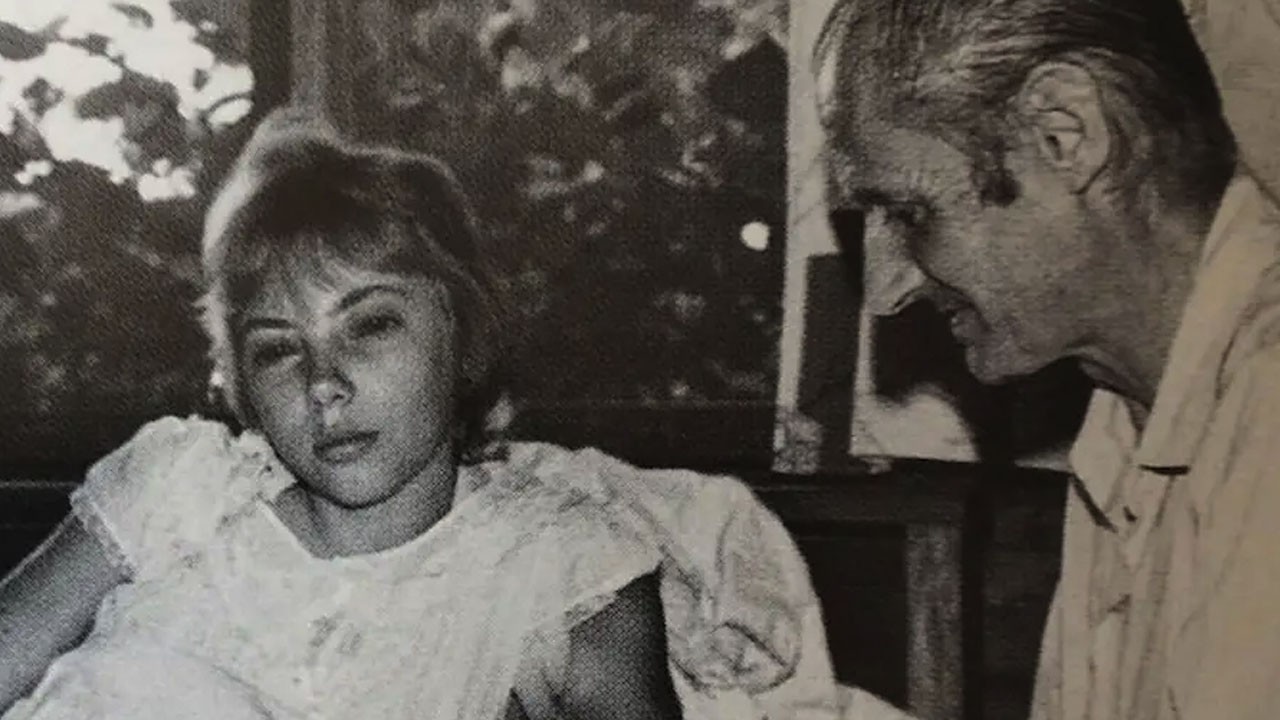

A teen was the only survivor of a plane crash, then survived 11 days in the jungle thanks to what her parents taught her
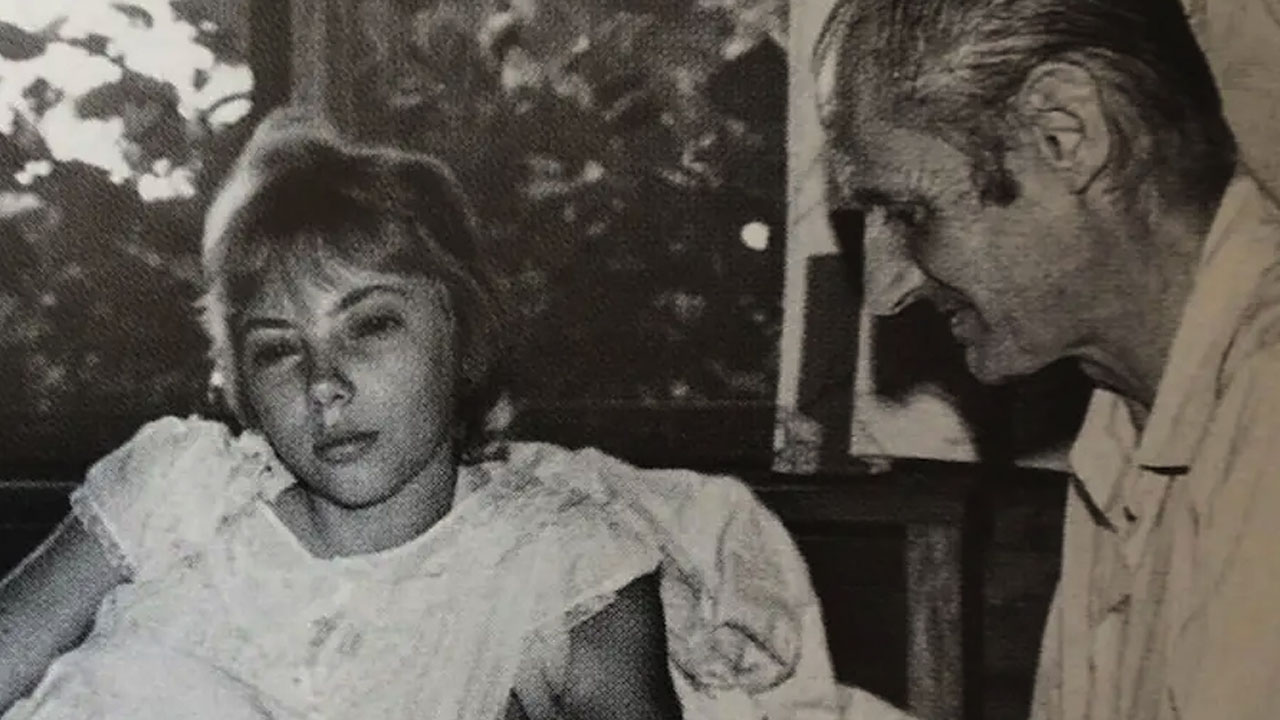
Juliane Koepcke’s survival story remains one of the most extraordinary documented accounts in aviation history. In December 1971, the 17-year-old was travelling with her mother on a domestic flight over Peru when their aircraft broke apart during severe weather. Juliane became the only person to survive the crash of LANSA Flight 508.
Her ordeal did not end when she reached the ground. Injured, alone and without the resources normally associated with a wilderness expedition, she spent 11 days moving through the Amazon rainforest before being found by local people. Her eventual rescue has often been described as a remarkable combination of chance, resilience, practical knowledge and the lessons she had learned during a childhood spent in Peru’s rainforest.
Koepcke later became a biologist and conservationist, continuing a family connection to the rainforest that had shaped her ability to remain calm and make decisions under exceptionally difficult circumstances. Her life has also encouraged renewed interest in aviation safety, rainforest conservation and survival education.
LANSA Flight 508 and the Christmas Eve Disaster
On December 24, 1971, Juliane Koepcke and her mother, Maria Koepcke, boarded LANSA Flight 508 in Lima. The flight was headed to Pucallpa, a city in eastern Peru that serves as an important gateway to the Amazon region. The pair planned to travel onward to the family’s research station, where Juliane’s father, zoologist Hans-Wilhelm Koepcke, was based.
The flight encountered a powerful thunderstorm during the journey. Contemporary reporting and later accounts describe the aircraft entering severe weather before breaking apart in the air. Investigations into the disaster identified weather conditions and aircraft-related factors as central to the tragedy. The crash occurred in a remote forested area, making immediate rescue efforts especially difficult.
Juliane was still secured to her seat when she fell from the aircraft. She later recalled waking on the forest floor with injuries including a broken collarbone, cuts and a swollen eye. She had lost her glasses and was separated from every other passenger and crew member. The crash killed the other people aboard, including her mother.
Her survival after the fall has never had a single definitive explanation. Researchers, aviation observers and commentators have suggested that the section of seats in which she was strapped may have created drag during the descent, while the dense rainforest canopy may have softened the final impact. Such explanations remain theories rather than a repeatable survival method. The circumstances were exceptional, and falling from an aircraft is overwhelmingly fatal.
A Childhood That Prepared Juliane Koepcke for the Rainforest
What distinguished Juliane Koepcke’s situation was her familiarity with the environment around her. Her parents were German-born zoologists who had made Peru their home and established the Panguana biological research station in the Amazon. Juliane spent much of her childhood around the forest, learning about animals, rivers, weather and the practical realities of living in a remote region.
In a BBC interview decades later, she challenged the common depiction of the Amazon as an unknowable and uniformly hostile place. “It’s not the green hell that the world always thinks,” she said. Her words reflected an important point: rainforests contain genuine hazards, but knowledge of the landscape, its waterways and its communities can make an enormous difference.
Koepcke recognized many of the sounds around her, including birds and frogs. Familiarity did not remove the danger or grief of her situation, but it gave her a sense of orientation. Rather than moving randomly through dense forest, she applied a lesson that her father had taught her: find water and follow it downstream.
Why Following Water Was a Crucial Survival Decision
For someone lost in a large forested landscape, moving toward a stream can be a sensible strategy when it can be done safely. Waterways may lead to larger rivers, settlements, fishing areas, agricultural activity or transport routes. In the Peruvian Amazon, rivers have long been vital routes for communities whose homes and work are often connected by water rather than roads.
Juliane followed small streams as they joined larger waterways. At times, she moved in or alongside the water, reducing the challenge of forcing a path through thick vegetation. Her father had also given her practical guidance about navigating rivers. These lessons were not a guarantee of safety, but they helped her make a decision based on local knowledge rather than fear.
Her journey took place during the rainy season, when the rainforest was wet, difficult to traverse and full of rising water. She had very little food, limited protection from the elements and injuries that required care. She later described finding only a small bag of sweets near the crash site. The account underlines the physical strain of survival after a disaster, especially when access to shelter, clean supplies and communication is unavailable.
Eleven Days Alone in the Peruvian Amazon
Juliane Koepcke’s 11 days in the forest were marked by exhaustion, uncertainty and determination. She had to keep moving despite pain and limited energy. The rainforest’s heat, humidity and heavy rainfall created demanding conditions, while thick vegetation made travel slow and difficult.
Search teams were attempting to locate the wreckage and possible survivors, but the crash site’s remoteness posed major logistical challenges. Dense canopy can make aerial searches difficult, and the weather that contributed to the crash also complicated access to the region. In the early 1970s, search-and-rescue technology was far more limited than it is today.
Koepcke’s approach was practical: she focused on the next decision rather than attempting to solve every problem at once. She followed water, rested when necessary and continued looking for signs of human activity. This kind of step-by-step thinking is often emphasized in survival training, where panic can lead to rushed choices and unnecessary energy loss.
Her story should not be read as encouragement for unprepared travel in remote wilderness. Modern safety guidance stresses planning, communication, adequate supplies, navigation tools and respect for local conditions. Koepcke survived an event that no traveller could reasonably prepare for, and much of her survival depended on circumstances beyond anyone’s control. Still, her knowledge of the environment gave her an important advantage.
Finding a Boat and Reaching Safety
After 11 days, Koepcke came across a boat moored near the riverbank and a small shelter used by local people. The discovery was a turning point. She understood that the presence of a boat and hut meant that people were likely to return.
When local fishermen arrived, they found her and provided assistance. They brought her to safety, and she was eventually reunited with her father. The rescue ended an ordeal that had attracted intense attention in Peru and internationally as the scale of the air disaster became known.
The role of local residents is an essential part of the story. Remote areas are often sustained by people with deep knowledge of rivers, forests and changing seasonal conditions. Their response to Koepcke’s discovery helped turn an unlikely survival into a successful rescue.
Juliane Koepcke’s Life as a Scientist and Conservationist
Juliane Koepcke later returned to Germany for medical treatment and education. She went on to study biology and eventually became known professionally as Dr. Juliane Diller. Her scientific work included research on mammals, particularly bats, and she continued to support conservation efforts connected to Panguana.
Panguana, the research station founded by her parents, developed into an important protected area and a site for scientific study. The region’s value lies not only in its biodiversity but also in the long-term research made possible by protecting forest habitat. Conservationists have repeatedly stressed that intact ecosystems are essential for studying wildlife, climate patterns and the effects of land-use change.
Koepcke’s later work adds a meaningful dimension to her public story. She was not defined solely by a disaster she survived as a teenager. She built a career in science and helped preserve the environment that had been central to her family’s life.
Books, Film and Lasting Public Interest
Koepcke documented her experience in the memoir When I Fell From the Sky. The book gave readers a more personal account of the crash, the days she spent in the rainforest and the long-term impact of losing her mother.
Her story also became the subject of Werner Herzog’s documentary Wings of Hope. Herzog had a personal connection to the event: he had intended to travel on the same flight but made other arrangements when he could not secure a seat. The documentary revisits the locations associated with the crash and considers the extraordinary circumstances surrounding Koepcke’s survival.
Interest in the story has endured because it brings together several subjects that continue to resonate internationally: aviation safety, the power of environmental knowledge, the importance of local communities and the capacity of people to persevere through profound trauma. It is also a reminder to treat survival stories with care. Behind the remarkable outcome was a major loss of life and a teenager facing the death of her mother.
Lessons From Juliane Koepcke’s Survival Story
The most useful lesson from Juliane Koepcke’s experience is not that survival can be reduced to luck or a single technique. Her rescue resulted from a rare combination of factors: she survived the initial accident, had some understanding of the rainforest, made a practical navigation choice and eventually reached a place used by local people.
Her account illustrates why environmental education matters. Knowing how waterways connect, understanding seasonal conditions and respecting the expertise of people who live in a region can be valuable in emergencies. It also demonstrates the importance of aviation regulation, emergency planning and continued investment in search-and-rescue capacity.
More than five decades after LANSA Flight 508, Juliane Koepcke’s life remains closely linked to the rainforest. Her experience is remembered not simply as an astonishing survival account, but as the story of a scientist whose early lessons about the natural world helped guide her through an unimaginable situation.
Sources
- BBC: Interview and background on Juliane Koepcke
- Reuters: International reporting and archival news coverage
- The Guardian: International features and environmental reporting
- International Civil Aviation Organization: Aviation safety information
- Panguana Foundation: Information about the research station and conservation area
Disclaimer: This content is intended for entertainment purposes only and is not based on real events.
