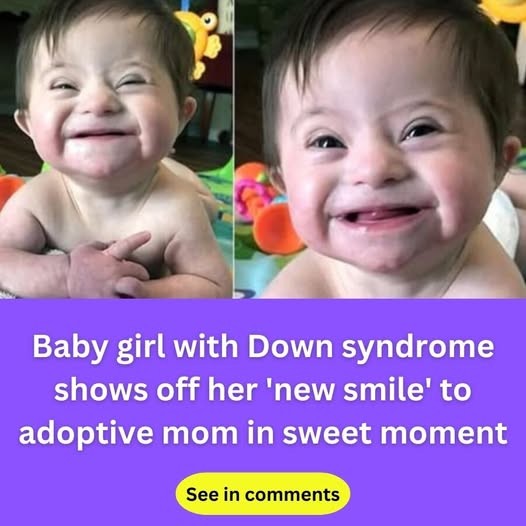

Baby with Down syndrome can’t stop smiling
A brief video of a baby with Down syndrome smiling warmly at her adoptive mother has touched viewers around the world. The clip, shared by the National Down Syndrome Adoption Network, captures a simple family moment: a young child responding to a familiar, caring adult with a joyful expression.
Its appeal is easy to understand. Babies communicate long before they can speak, and a smile can convey comfort, connection, curiosity, and delight. For many viewers, the video is a welcome reminder that everyday moments of affection can have a lasting impact. It also offers an opportunity to look beyond a viral clip and learn more about Down syndrome, adoption, and the importance of ensuring that children with disabilities have access to stable, loving homes.
While online videos can encourage positive conversations, it is important to approach them thoughtfully. A child’s smile should not be treated as proof that every family’s experience is identical, nor should it reduce a person with Down syndrome to an inspirational image. Every child is an individual, with their own personality, needs, strengths, and future. The most meaningful message behind the video is not simply that it is heartwarming; it is that children with Down syndrome deserve the same opportunity as all children to belong, be supported, and be valued.
Why a Simple Family Video Resonates With So Many People
Videos of young children often spread quickly because they show emotions that people recognize immediately. Smiling, laughter, eye contact, and affectionate interaction can be understood across cultures and languages. In this case, viewers may also be responding to the visible trust between a child and her adoptive parent.
Positive family moments matter because early relationships help children develop a sense of safety and belonging. Responsive caregiving—such as talking, comforting, playing, feeding, and paying attention to a child’s signals—supports healthy social and emotional development. This is true for children with Down syndrome as well as children without disabilities.
The video’s popularity also reflects growing public awareness of disability inclusion. In many countries, people with Down syndrome are increasingly visible in schools, workplaces, arts, sports, and community life. Families, self-advocates, educators, health professionals, and disability-rights organizations have helped challenge outdated assumptions about what people with Down syndrome can achieve.
At the same time, advocates often encourage the public to move beyond sentimental reactions. Inclusion is not only about celebrating cheerful moments online. It also means supporting accessible education, health care, employment opportunities, social participation, and respect for the choices of people with disabilities throughout their lives.
Understanding Down Syndrome
Down syndrome is a genetic condition caused by the presence of an extra copy of chromosome 21, or extra genetic material associated with chromosome 21. It occurs in people of every ethnic background and in families from all economic circumstances. According to the U.S. Centers for Disease Control and Prevention, Down syndrome is one of the most common chromosomal conditions diagnosed in the United States.
People with Down syndrome may have some shared physical characteristics and may experience differences in learning and development. However, there is considerable variation from one person to another. Developmental progress, communication styles, health needs, interests, and levels of independence differ widely. It is inaccurate to assume that one person’s experience represents everyone with the condition.
Some people with Down syndrome have health conditions that require monitoring or treatment. These can include congenital heart differences, hearing or vision concerns, thyroid conditions, sleep-related breathing issues, and other medical needs. Regular health care and guidance from qualified clinicians can help families address individual needs early. The American Academy of Pediatrics and other medical organizations publish health supervision recommendations designed to support people with Down syndrome at different stages of life.
Early intervention services can also be valuable for many children. Depending on a child’s needs and local services, support may include speech and language therapy, occupational therapy, physical therapy, and developmental education. These services are intended to help children build skills while recognizing that development happens at an individual pace.
Respectful Language and Individual Identity
Language matters when discussing disability. Many families, professionals, and organizations use person-first language, such as “a child with Down syndrome.” Others prefer identity-first language, such as “a Down syndrome child” or “a Down syndrome person,” viewing the condition as a meaningful part of identity. The best approach is to respect how individuals and families describe themselves.
What should be avoided are terms that are outdated, insulting, or based on stereotypes. People with Down syndrome are not defined by a diagnosis, and they should not be described as burdens, tragedies, or objects of pity. They are children, siblings, students, friends, workers, neighbors, and community members with full human dignity.
A respectful account of a viral video also recognizes privacy. Parents and guardians may choose to share family moments online for many reasons, including advocacy, education, connection, or celebration. Viewers can respond positively while remembering that children deserve privacy, safety, and respect both online and offline.
The Role of the National Down Syndrome Adoption Network
The National Down Syndrome Adoption Network, often known as NDSAN, is an organization focused on connecting prospective adoptive families with children who have Down syndrome and are in need of permanent families. The organization has long worked to provide information and support related to adoption, while also seeking to counter misconceptions about parenting a child with Down syndrome.
Adoption decisions are deeply personal and can involve legal, emotional, financial, medical, and practical considerations. Families considering adoption may need to learn about a child’s history, access medical evaluations where appropriate, understand local and national adoption requirements, and build a network of support. Reputable adoption professionals and disability organizations can help prospective parents identify services and ask informed questions.
For some families, learning that a child has Down syndrome may initially bring uncertainty, particularly if they have had limited personal experience with disability. Accurate information can make a meaningful difference. Organizations led by families and self-advocates can provide practical insight into education, health care, community inclusion, and the ordinary routines of family life.
The central principle is that children should be considered as whole people. A diagnosis is one part of a child’s life, but it does not determine whether that child can form close relationships, learn new skills, contribute to a family, or experience joy. Families should receive balanced information that includes possible support needs as well as the opportunities available through inclusive communities and services.
Adoption, Belonging, and Long-Term Support
A permanent, supportive family relationship can be profoundly important for any child. Adoptive families may benefit from preparation before placement and continuing support afterward. This can include peer networks, counseling, medical care, school planning, respite options, and guidance from experienced adoption professionals.
Support is especially important because parenting is not a one-size-fits-all experience. Some children with Down syndrome may have additional health or developmental needs, while others may need relatively limited specialized assistance. Families can work with pediatricians, therapists, educators, and local disability organizations to develop plans that reflect the child’s individual circumstances.
Inclusive education is another important part of many children’s lives. Educational approaches vary by location and by student, but meaningful access to learning, friendships, extracurricular activities, and school community life can support both academic and social development. Collaboration between parents and educators helps ensure that goals are practical, individualized, and focused on the student’s strengths.
As children grow older, community inclusion continues to matter. Opportunities to participate in recreation, faith communities, cultural events, employment preparation, and civic life can help people with Down syndrome build relationships and exercise greater independence. International disability-rights principles, including the United Nations Convention on the Rights of Persons with Disabilities, emphasize equality, participation, and non-discrimination.
Moving Beyond Viral Moments
A smiling baby can brighten someone’s day, and there is nothing wrong with appreciating a tender family moment. Yet the most constructive response is to let that feeling lead to greater understanding. Viewers can learn from credible health and disability organizations, support inclusive programs in their communities, and challenge casual stereotypes when they encounter them.
For relatives, friends, and neighbors of families raising children with Down syndrome, practical support can be especially meaningful. This may include offering help with everyday tasks, including the child in social activities, listening without assumptions, or learning about local services. Small actions can make a family feel welcomed rather than isolated.
It is also valuable to listen to adults and young people with Down syndrome. Their perspectives are essential to conversations about education, health care, employment, relationships, accessibility, and public representation. Self-advocacy organizations have played an important role in shifting public discussion away from assumptions and toward the rights and lived experiences of people with intellectual disabilities.
The enduring value of this video lies in its ordinary humanity. It shows a child sharing a moment of happiness with a parent who cares for her. That connection is familiar to families everywhere. It can encourage viewers to recognize that children with Down syndrome are not defined by low expectations or narrow narratives. Like all children, they deserve affection, opportunity, respect, and a future shaped by their individual talents and choices.
How Families Can Find Reliable Information
Families seeking information after a prenatal or postnatal diagnosis should consult qualified health professionals and established organizations rather than relying solely on social media. A pediatrician, genetic counselor, or specialist can explain medical information in the context of an individual child. National and local Down syndrome organizations can connect families with community resources and peer support.
Prospective adoptive parents should also seek advice from licensed adoption professionals in their jurisdiction. Adoption laws and procedures vary by country, state, and agency. Clear, verified information is essential for understanding legal responsibilities, available support, and a child’s specific needs.
A video may begin a conversation, but accurate information and respectful relationships are what help families and communities make lasting progress. By valuing children with Down syndrome as complete individuals and supporting inclusive opportunities, society can help ensure that more children grow up surrounded by care and belonging.
Sources
Disclaimer: This content is intended for entertainment purposes only and is not based on real events.
