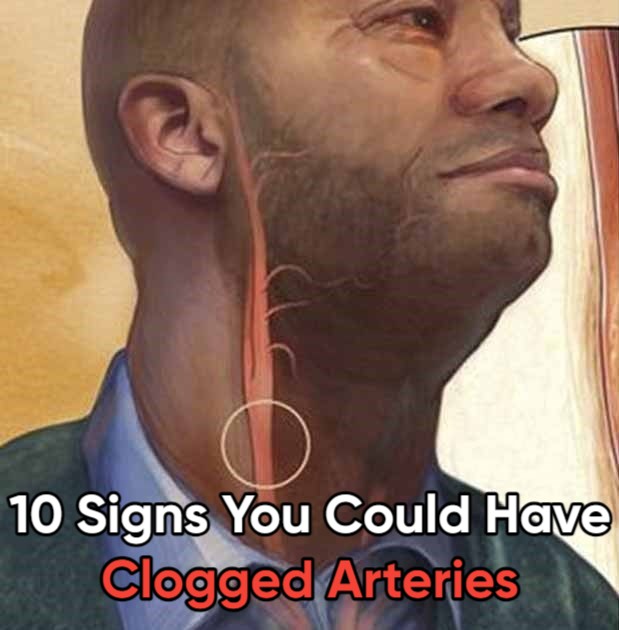

10 Possible Warning Signs of Narrowing Arteries
Narrowing arteries can develop quietly over many years. In its early stages, a person may feel completely well while fatty deposits gradually build up inside blood vessels. This process, known as atherosclerosis, can reduce the flow of oxygen-rich blood to the heart, brain, legs, and other parts of the body.
Because symptoms are not always obvious, it is important to understand both the possible warning signs and the risk factors linked with cardiovascular disease. Symptoms alone cannot confirm that a person has narrowed arteries, and many common health conditions can cause similar problems. However, new, persistent, worsening, or sudden symptoms should be assessed by a qualified healthcare professional.
In some situations, quick action can be lifesaving. Sudden chest discomfort, signs of stroke, severe shortness of breath, or abrupt changes in vision require emergency medical attention. This article explains what narrowing arteries means, which symptoms may be associated with reduced circulation, and what practical steps can support heart and blood vessel health.
What Does It Mean When Arteries Become Narrowed?
Arteries are blood vessels that transport oxygen-rich blood from the heart to tissues throughout the body. Atherosclerosis occurs when cholesterol, fats, calcium, and other substances collect in the artery wall and form plaque. Over time, plaque can make arteries less flexible and reduce the space available for blood to pass through.
Atherosclerosis may affect different vascular areas. Coronary artery disease involves the arteries that supply the heart muscle. Carotid artery disease affects vessels in the neck that help supply the brain. Peripheral artery disease, often called PAD, usually affects blood flow to the legs and feet. Each location can produce different symptoms, although some people have no symptoms until a serious complication occurs.
According to major public health organizations, cardiovascular disease remains a leading cause of illness and death worldwide. The good news is that many contributing factors, including tobacco use, high blood pressure, elevated cholesterol, diabetes, inactivity, and dietary patterns, can be addressed with medical care and sustainable lifestyle changes.
1. Pressure, Tightness, or Discomfort in the Chest
Chest pressure, squeezing, heaviness, or tightness can be a possible symptom of angina. Angina happens when the heart muscle does not receive enough oxygen-rich blood for its needs, often because of narrowed coronary arteries. It may occur during exercise, climbing stairs, cold weather, emotional stress, or after a heavy meal.
Not everyone describes heart-related discomfort in the same way. Some people report pressure rather than pain, while others may feel burning, fullness, or an uncomfortable sensation in the center or left side of the chest. New or unexplained chest symptoms should never be dismissed, particularly in people with cardiovascular risk factors.
If chest discomfort is severe, lasts more than a few minutes, comes and goes, or occurs with sweating, nausea, shortness of breath, faintness, or pain spreading to other areas, call local emergency services immediately. Do not drive yourself to a hospital if emergency transport is available.
2. Becoming Short of Breath More Easily
Shortness of breath can have many causes, including asthma, respiratory infections, anemia, anxiety, heart rhythm problems, lung disease, and heart conditions. Still, breathlessness that develops during routine activity or becomes noticeably worse may be an important reason to seek medical advice.
When the heart is not pumping effectively or is not receiving sufficient blood flow, a person may notice reduced exercise tolerance. Activities that once felt manageable, such as walking a short distance, carrying groceries, or climbing one flight of stairs, may become unexpectedly difficult. This symptom is especially important when it appears alongside chest discomfort, swelling in the legs, palpitations, or unusual fatigue.
3. Pain That Spreads to the Arm, Jaw, Neck, Shoulder, or Back
Heart-related symptoms do not always remain in the chest. Discomfort can radiate to one or both arms, the shoulders, neck, jaw, upper abdomen, or back. Some people, including women, older adults, and people with diabetes, may have less typical symptoms and may not experience classic chest pain.
For this reason, unexplained upper-body discomfort should be taken seriously when it occurs with exertion or is accompanied by breathlessness, nausea, sweating, dizziness, or a feeling of pressure. It is not possible to determine the cause safely at home, so urgent symptoms need prompt professional assessment.
4. Persistent or Unusual Fatigue
Fatigue is common and can result from poor sleep, stress, infections, medications, thyroid conditions, depression, anemia, and many other causes. However, sudden, persistent, or unexplained exhaustion may sometimes occur in people with heart disease or reduced cardiovascular function.
A meaningful change in energy level is worth discussing with a clinician, particularly if everyday tasks now cause unusual tiredness. For example, a person may feel unusually drained after light household activity or find that they need more rest than usual after walking. Fatigue should be considered alongside a person’s age, medical history, medications, and other symptoms rather than viewed as a stand-alone diagnosis.
5. Leg Cramping During Walking That Improves With Rest
Repeated cramping, aching, heaviness, or fatigue in the calves, thighs, hips, or buttocks during walking may be a symptom of peripheral artery disease. This pattern is often called claudication. It occurs when leg muscles need more blood during activity than narrowed arteries can supply.
Classically, the discomfort appears after a predictable amount of walking and improves within several minutes of resting. It may return when activity resumes. Not all leg pain is caused by circulation problems: arthritis, nerve conditions, muscle injuries, and spinal disorders are also common explanations. Nevertheless, recurring exertional leg pain deserves medical evaluation, especially for people who smoke or have diabetes, high cholesterol, or high blood pressure.
6. One Foot or Leg Feels Noticeably Colder
A foot that feels persistently colder than the other may sometimes indicate reduced blood flow. This sign can be more concerning when it occurs with pain, numbness, weak pulses, skin-color changes, or slow-healing sores.
Temperature differences can also occur for less serious reasons, including room temperature, footwear, nerve sensitivity, or normal individual variation. Still, a new and ongoing difference should not be ignored. A healthcare professional can examine circulation, assess pulses, and decide whether tests such as an ankle-brachial index may be appropriate.
7. Changes in Skin Color or Texture on the Legs and Feet
Reduced circulation may contribute to changes in the appearance of the skin. Depending on the cause and severity, the feet or lower legs may look unusually pale, bluish, reddish, or darker than usual. Skin can also become shiny, thin, or cool to the touch.
Sudden color changes, especially when accompanied by intense pain, numbness, weakness, or a cold limb, need urgent evaluation. These symptoms can signal an acute circulation problem that requires rapid medical care. Gradual changes should still be discussed with a clinician, particularly if they occur alongside walking-related pain or wounds that do not heal normally.
8. Cuts, Sores, or Ulcers That Heal Slowly
Blood flow is essential for tissue repair. When circulation to the feet or lower legs is poor, a small cut, blister, or sore may take longer to heal. In some cases, wounds can become infected or worsen without timely care.
People with diabetes should be particularly attentive to foot health because diabetes can affect both blood vessels and nerves. Reduced sensation may make injuries easier to miss, while circulation problems can complicate healing. Regular foot checks, properly fitted shoes, and prompt medical review of wounds are important preventive measures. Do not attempt to manage a persistent foot sore without professional guidance.
9. Sudden Weakness, Numbness, Facial Drooping, or Speech Difficulty
Sudden weakness or numbness of the face, arm, or leg, especially on one side of the body, may indicate a stroke or transient ischemic attack. A stroke occurs when blood flow to part of the brain is blocked or when a blood vessel in the brain ruptures. Atherosclerosis in arteries leading to the brain can contribute to certain types of stroke.
Public health guidance commonly emphasizes the FAST warning signs: facial drooping, arm weakness, speech difficulty, and time to call emergency services. Other possible signs include sudden confusion, difficulty understanding speech, loss of balance, severe dizziness, or a sudden severe headache.
Even if symptoms improve after a few minutes, urgent medical care is essential. A transient ischemic attack, sometimes called a “mini-stroke,” can be a warning that a more serious stroke may follow. Immediate assessment can help clinicians identify the cause and reduce future risk.
10. Sudden Vision Loss or Major Vision Changes
Unexpected vision loss, dimming, double vision, or blurred vision may be associated with several eye, neurological, or circulation-related conditions. Sudden loss of vision in one eye can occur when blood flow to the eye is interrupted, while vision changes may also be a symptom of stroke.
Because vision is vital and sudden changes can indicate a time-sensitive emergency, do not wait to see whether the issue resolves on its own. Contact emergency services or seek urgent medical evaluation, particularly if vision symptoms occur with weakness, numbness, speech changes, severe headache, or trouble walking.
Who Is at Higher Risk of Narrowing Arteries?
Some risk factors for atherosclerosis cannot be changed, including age and family history. However, many important risks can be reduced or managed. Smoking and exposure to tobacco products damage blood vessels and significantly increase cardiovascular risk. High blood pressure can strain artery walls, while high levels of LDL cholesterol contribute to plaque formation.
Diabetes is another major risk factor because elevated blood glucose can damage blood vessels over time. Carrying excess body weight, being physically inactive, eating a diet high in saturated fats or sodium, and drinking excessive amounts of alcohol may also affect cardiovascular health. Chronic kidney disease, sleep apnea, and inflammatory conditions can contribute to risk in some individuals.
Regular health checks are valuable because high blood pressure and high cholesterol often have no noticeable symptoms. A clinician can review blood pressure, cholesterol levels, blood glucose, family history, and lifestyle factors to estimate overall cardiovascular risk.
How Doctors Evaluate Artery Health
Healthcare professionals use a combination of medical history, physical examination, blood tests, and imaging when they suspect arterial disease. Depending on symptoms, testing may include an electrocardiogram, exercise stress test, echocardiogram, coronary CT imaging, ultrasound of the carotid arteries, or an ankle-brachial index for suspected peripheral artery disease.
Testing is not the same for every person. Doctors select investigations based on a patient’s symptoms, risk factors, and clinical examination. If you are concerned about circulation or heart health, preparing a list of symptoms, when they occur, current medications, and family medical history can help make an appointment more productive.
Evidence-Based Ways to Protect Heart and Blood Vessel Health
Prevention and early management can make a substantial difference. Avoiding smoking is one of the most effective actions for protecting blood vessels. People who smoke can speak with a healthcare provider about nicotine replacement, prescription treatments, counseling, and local cessation programs.
Regular physical activity supports heart health, blood pressure, cholesterol management, and circulation. The appropriate type and amount of activity depends on a person’s health status. People with symptoms such as chest discomfort or exertional leg pain should consult a healthcare professional before starting a new exercise plan.
A balanced eating pattern centered on vegetables, fruits, whole grains, legumes, nuts, and lean or plant-based protein sources can support cardiovascular health. Limiting foods high in saturated fat, trans fat, added sugars, and sodium may also be beneficial. Medication may be necessary for some people to control cholesterol, blood pressure, diabetes, or other conditions. Prescribed medicines should not be stopped or changed without medical advice.
When to Seek Emergency Help
Call your local emergency number immediately for chest pressure or pain that is new, severe, persistent, or associated with shortness of breath, sweating, nausea, or fainting. Emergency help is also needed for signs of stroke, including facial drooping, arm weakness, speech difficulty, sudden confusion, or abrupt vision loss.
Do not delay care because symptoms seem mild or improve temporarily. Prompt evaluation gives healthcare teams the best opportunity to identify serious conditions and begin appropriate treatment.
Sources
- Centers for Disease Control and Prevention: About Heart Disease
- Centers for Disease Control and Prevention: Stroke Signs and Symptoms
- National Heart, Lung, and Blood Institute: Atherosclerosis
- National Heart, Lung, and Blood Institute: Peripheral Artery Disease
- American Heart Association: Warning Signs of a Heart Attack
- World Health Organization: Cardiovascular Diseases
- Mayo Clinic: Peripheral Artery Disease
Disclaimer: This content is intended for entertainment purposes only and is not based on real events.
