
Understanding House Centipedes: Friend or Foe?
Spotting a house centipede scuttling across your floor, often in bathrooms, basements, or other damp corners, is a common experience for many homeowners. The initial reaction may be one of surprise or even distress, but these frequent visitors deserve a closer look. House centipedes (Scutigera coleoptrata), recognizable by their elongated bodies and numerous legs, are often misunderstood. Rather than immediately reaching for a shoe or other means of removal, it is valuable to learn about their behavior, ecological role, and ways to manage their presence.
House centipedes prefer environments with high humidity and tend to settle in areas where other insects are present. Their presence can signal the existence of other small pests, as centipedes are active hunters that feed on insects, arachnids, and other arthropods. Understanding their habitat choices and diet offers insight into their unexpected role as beneficial household allies.
Biology and Behavior of House Centipedes
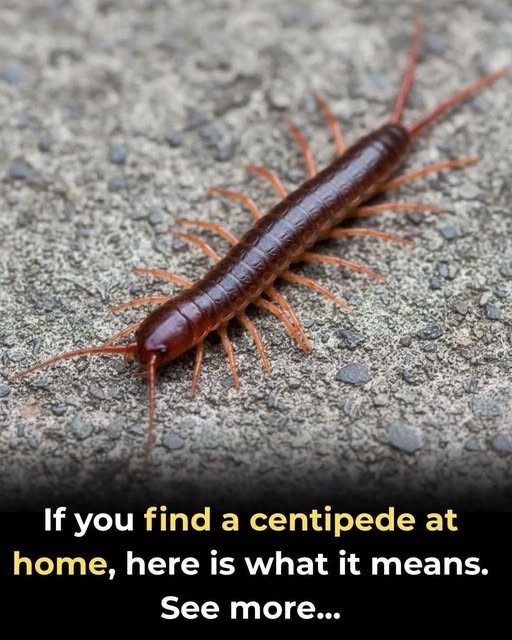
Centipedes belong to the class Chilopoda, a group of arthropods characterized by segmented bodies and one pair of legs per body segment. Contrary to myth, centipedes do not always have one hundred legs; the house centipede boasts fifteen pairs, totaling thirty legs. Their swift movements allow them to chase and subdue prey efficiently. House centipedes usually grow to about 2.5 to 4 centimeters in length and are easily identified by their long antennae and delicate, ribbon-like legs.
These creatures are nocturnal, preferring to hunt at night when other insects are active. They thrive in moist environments—hence their frequent appearance in bathrooms, basements, and crawl spaces. The presence of house centipedes often correlates with underlying humidity and the abundance of accessible prey.
Natural Pest Control: The Centipede’s Role
Despite their intimidating speed and appearance, house centipedes serve a practical function. They are voracious predators, feeding on pests such as ants, spiders, cockroaches, termites, moths, and even bed bugs. According to entomologists, a single house centipede can help reduce the population of household insects, acting as a natural solution to pest control that is less disruptive than chemical alternatives.
Centipedes use venom to immobilize their prey. Their venom, delivered through modified front legs called forcipules, is potent against smaller insects but generally harmless to humans. Scientific studies have shown that their diet is diverse and adaptive depending on local pest conditions. In homes with a significant insect problem, centipedes become more visible as they search for food.
By keeping insect numbers in check, centipedes can reduce the likelihood of infestations and associated health risks. Cockroaches and ants, for instance, are linked to allergies and disease transmission. Therefore, having house centipedes present may indirectly contribute to improved health conditions in the household.

Do Centipedes Threaten Humans?
While their appearance may cause concern, house centipedes are generally not dangerous to people. Their bites are rare and typically occur only when handled directly. When bites do happen, the effects are minimal—usually limited to mild pain, slight swelling, and temporary redness. There is little evidence of severe allergic reactions or long-term effects from house centipede bites, although individuals with sensitive skin or allergies may experience greater discomfort.
Centipedes tend to avoid human contact, retreating quickly when disturbed. Given their shy nature and preference for hunting insects over interacting with humans, conflicts seldom arise unless the centipede feels threatened. It is important to distinguish their behavior from more aggressive or venomous species found outdoors, such as the giant desert centipede.
Managing Centipede Presence: Prevention and Gentle Removal
For those who prefer not to share their living space with centipedes, non-lethal management is recommended. The most effective approach involves addressing the root causes of their presence—humidity and prey availability. Key steps include:
- Reducing indoor humidity: Use dehumidifiers, ventilate rooms, and fix leaks to make your home less inviting for centipedes and their prey.
- Repairing structural leaks and seals: Prevent water accumulation by fixing pipe leaks, and seal gaps in walls, windows, and doors to block insect entry.
- Cleaning regularly: Frequent cleaning reduces the number of insects (and food sources) centipedes hunt.
- Trapping and relocating: If a centipede is found, it can be gently trapped using a jar or plastic container and relocated outdoors. It’s best not to handle centipedes directly due to the small risk of bites.
These non-destructive practices align with integrated pest management (IPM) principles advocated by public health organizations. By limiting access to food and water, homeowners can naturally reduce both insect and centipede populations without resorting to pesticides.
Why Not Kill Centipedes?
The impulse to kill house centipedes is common, but scientific perspectives suggest that tolerance or gentle relocation may be more beneficial. Killing centipedes removes a free, natural predator from the household ecosystem, potentially increasing the risk of pest infestations and chemical exposure from increased insecticide use. Environmental groups and entomologists recommend coexistence, especially as house centipedes pose limited risk to humans and deliver measurable pest control benefits.
Furthermore, the presence of centipedes can be a useful indicator of humidity levels and potential hidden pest issues. Addressing these underlying factors improves home hygiene and comfort, creating a healthier indoor environment.
Expert Opinions and Societal Attitudes
Research conducted by the Centers for Disease Control and Prevention (CDC) and the Mayo Clinic confirms the low health risk associated with house centipedes. Entomologists interviewed by major outlets including BBC News and Reuters highlight their beneficial role and recommend practical, non-lethal management. Many homeowners, upon learning about centipedes’ value, shift attitudes from fear to curiosity or even acceptance.
In regions with higher humidity or older buildings, centipede encounters are more frequent. Internationally, societies vary in their approach. Some cultures consider centipedes symbols of luck or guardians against evil; others, particularly in Europe and North America, regard them as minor nuisances to be respectfully removed.
Environmental and Health Perspectives
The environmental impact of household centipedes is generally positive. Unlike invasive pests, they do not cause damage to homes or transmit disease. Their predatory role helps stabilize indoor ecosystems by keeping insect populations under control. From a public health perspective, reducing the use of chemical insecticides benefits both occupants and the broader environment, as fewer pollutants enter air and water.
Researchers from the World Health Organization (WHO) emphasize the importance of integrated pest management in reducing unnecessary pesticide use and promoting natural solutions. House centipedes fit this model, acting as biological control agents without harming humans or pets.
Conclusion: Replacing Fear with Understanding
House centipedes may look intimidating, but their presence in homes often signals a healthy, functioning indoor ecosystem. By hunting bugs that threaten household comfort and cleanliness, centipedes deliver natural pest control without requiring intervention. Their rare bites pose minimal risk, and most encounters are short-lived or easily resolved by relocation. With a deeper understanding of their biology, behavior, and benefits, homeowners can replace fear with practical responses and contribute to balanced, sustainable household environments.
Sources
- Reuters
- BBC News
- Al Jazeera
- The Guardian
- World Health Organization (WHO)
- Centers for Disease Control and Prevention (CDC)
- Mayo Clinic
Disclaimer: This content is intended for entertainment purposes only and is not based on real events.
