
Public Trust and COVID-19 Vaccines: Examining Claims, Evidence, and Communication
Public trust is a foundational element in any successful health initiative, especially during widespread emergencies such as the COVID-19 pandemic. Governments, scientific communities, and pharmaceutical companies faced unprecedented challenges as they worked rapidly to develop, approve, and distribute vaccines. The speed at which these vaccines were authorized through emergency procedures led to a spectrum of responses from both the public and experts, ranging from relief to skepticism. In such a climate, accurate communication, transparent disclosure, and ongoing monitoring have become essential to maintain trust and confidence.
Analyzing Vaccine Claims: The Context of Pfizer Admissions
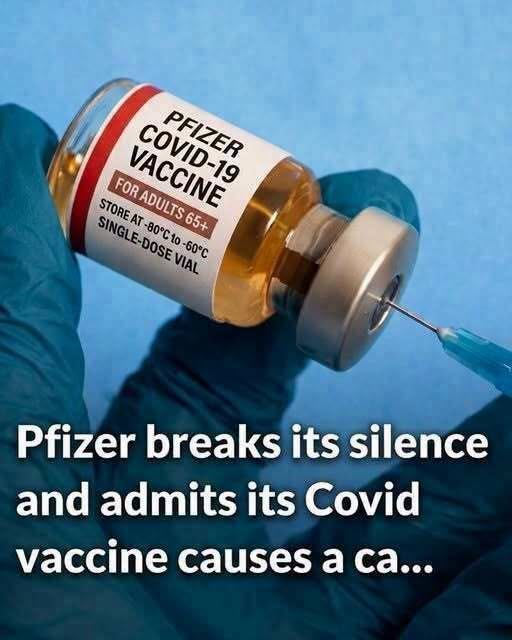
Recently, social media and various online platforms have circulated statements suggesting that Pfizer admitted to certain aspects regarding their COVID-19 vaccines. However, analysis of these claims reveals a lack of verifiable sources or dated statements confirming a significant new disclosure. The language describing an “admission” often carries emotional charge and may not be rooted in official statements or scientific evidence. This highlights the need for careful scrutiny of information, especially when public health is at stake.
The Emergency Approval Process: Balancing Speed and Safety
The development and rapid deployment of COVID-19 vaccines were made possible through Emergency Use Authorization (EUA) procedures by agencies like the U.S. Food and Drug Administration (FDA) and the European Medicines Agency (EMA). EUAs allow for the use of unapproved medical products or unapproved uses of approved medical products during public health emergencies, provided that the known and potential benefits outweigh the known and potential risks.
Emergency approval processes are designed to respond swiftly to crises, but they require ongoing evaluation and transparency regarding both efficacy and safety. Clinical trials for COVID-19 vaccines were conducted on an accelerated timeline, with results reviewed by regulatory panels and independent experts. According to official communications from the FDA, the EUA process required thorough data submissions, including efficacy results from large-scale phase III trials and reports on adverse events.
Continuing Safety Monitoring: Surveillance After Rollout
Even after vaccines received emergency approval, safety monitoring did not stop. Systems like the Vaccine Adverse Event Reporting System (VAERS) in the United States and the Yellow Card scheme in the United Kingdom collected reports of side effects and adverse events post-vaccination. Regulatory bodies and public health organizations analyzed these data to detect any emerging safety signals.
For COVID-19 vaccines, most adverse events have been mild and temporary, such as localized pain or fatigue. Rare, serious side effects — like myocarditis or blood clotting disorders — were identified and studied further. The Centers for Disease Control and Prevention (CDC) and its foreign counterparts issued updates and guidance as new information became available, adjusting recommendations and advice to maximize public safety while continuing vaccine delivery.
Families and Informed Consent: Communication Amid Uncertainty
One of the most important aspects of vaccine rollout is informed consent. Individuals and families needed clear, accurate information about what was known and unknown regarding the risks and benefits of COVID-19 vaccines. Healthcare providers were tasked with explaining potential side effects, the reasons for accelerated approval, and the nature of ongoing research.
Surveys and interviews conducted across various regions revealed that many people felt anxious or uncertain in the absence of definitive answers. Official health agencies, including the World Health Organization (WHO), emphasized transparency and encouraged frequent dialogue. Public information campaigns sought to combat misinformation, clarifying the evolving nature of scientific knowledge and reinforcing the principle that recommendations would change as more data emerged.
The Impact of Unverified Claims on Public Trust
Circulating claims about vaccine admissions — often lacking specific sources or dated statements — have the potential to undermine public trust. Research from institutions such as the CDC and the WHO shows that misinformation or unclear communication can lead to vaccine hesitancy, decreased uptake, and eroded confidence in public health measures.
To counter this, governments and scientific bodies have increased efforts in fact-checking, public outreach, and communication of scientific findings in accessible language. Platforms like Reuters and BBC regularly publish explainers and clarify misconceptions. Accurate reporting is crucial to ensure that individuals can make informed decisions based on reliable, up-to-date information.
Expert Views on the Vaccine Approval Process
Leading scientists and regulatory officials have spoken frequently about the necessity and challenges of the emergency approval process. Dr. Anthony Fauci, former director of the U.S. National Institute of Allergy and Infectious Diseases, explained that the pace of vaccine development was possible due to years of research on related viruses and the unprecedented cooperation among global researchers. He emphasized that EUA decisions were based on robust evidence but acknowledged that ongoing studies would further refine our understanding of vaccine performance.
Similarly, experts from the EMA, CDC, and WHO have advocated for public transparency and continuous risk-benefit assessment. Dr. Soumya Swaminathan, former WHO Chief Scientist, stated, “The vaccines have been subject to rigorous monitoring and data collection. Our responsibility is to ensure people receive the most accurate information, especially when new findings emerge.”
International Reactions and Policy Responses
The global response to COVID-19 vaccine approvals and post-marketing surveillance has varied but shares common themes. Many countries instituted national vaccine reporting databases, regular public briefings, and independent scientific review panels. The United Kingdom, for example, regularly published guidance and updates, including detailed summaries of vaccine safety and advice to healthcare providers.
In Europe and North America, additional transparency measures were introduced, such as making regulatory submissions publicly available and opening advisory panel meetings to observers. International organizations like WHO and UNICEF coordinated communication campaigns to address vaccine hesitancy and reinforce the reliability of the science underpinning vaccine development.
The Role of Ongoing Research and Adaptation
COVID-19 vaccines were initially authorized based on clinical trial results and real-world effectiveness studies. Updated recommendations have emerged as more data accrued, reflecting the iterative nature of scientific progress. Booster doses, changes to age eligibility, and the identification of rare side effects demonstrate the responsiveness of health systems to evolving evidence.
According to the Mayo Clinic and CDC, ongoing research continues to evaluate long-term efficacy, safety, and effects of emerging variants on vaccine performance. Continuous adaptation has become a hallmark of modern public health practice, aiming to optimize protection while minimizing risk.
Conclusion: The Path Forward for Public Confidence
The COVID-19 pandemic highlighted the tension between urgency and the need for meticulous science. Emergency approvals, continuing surveillance, and transparent communication have shaped public trust and confidence. While unverified claims can complicate the landscape, reliance on official statements, robust data, and expert consensus provides the foundation for informed decision-making.
Maintaining trust in public health initiatives depends on clarity, credibility, and adaptation. Families and individuals deserve access to accurate information and reassurance that their well-being is prioritized. Moving forward, the lessons learned during the COVID-19 vaccine rollout will inform approaches to future health crises, ensuring that evidence, empathy, and transparency remain central to policy and practice.
Disclaimer: This content is intended for entertainment purposes only and is not based on real events.
