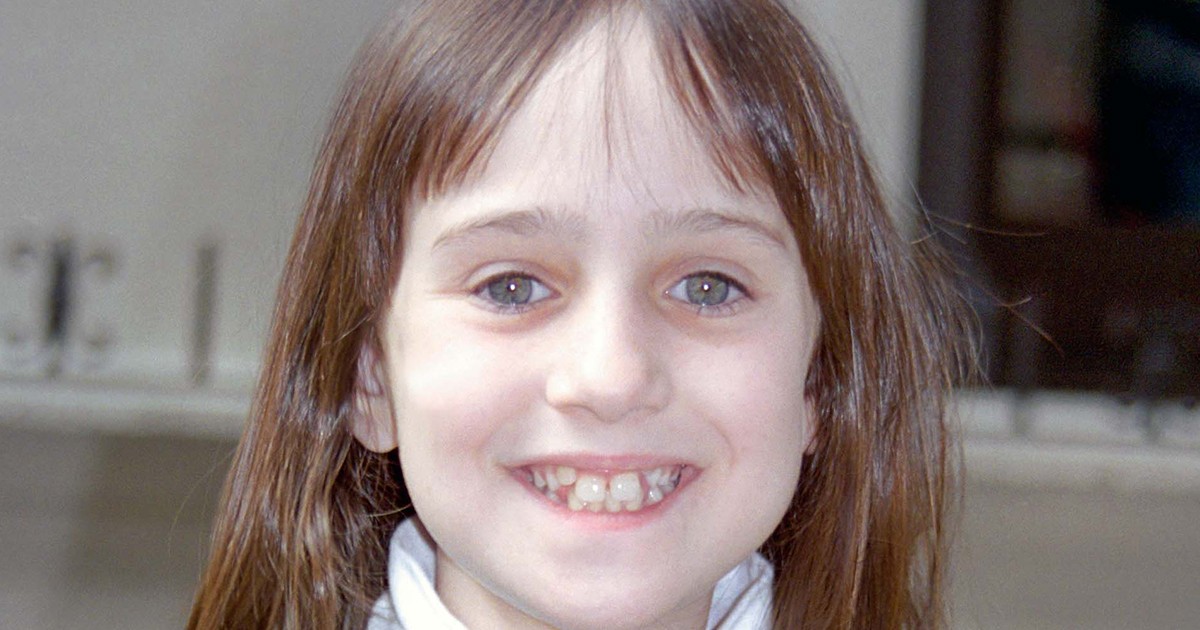

Whatever Happened to Mara Wilson, The Adorable Child Star From Mrs. Doubtfire?
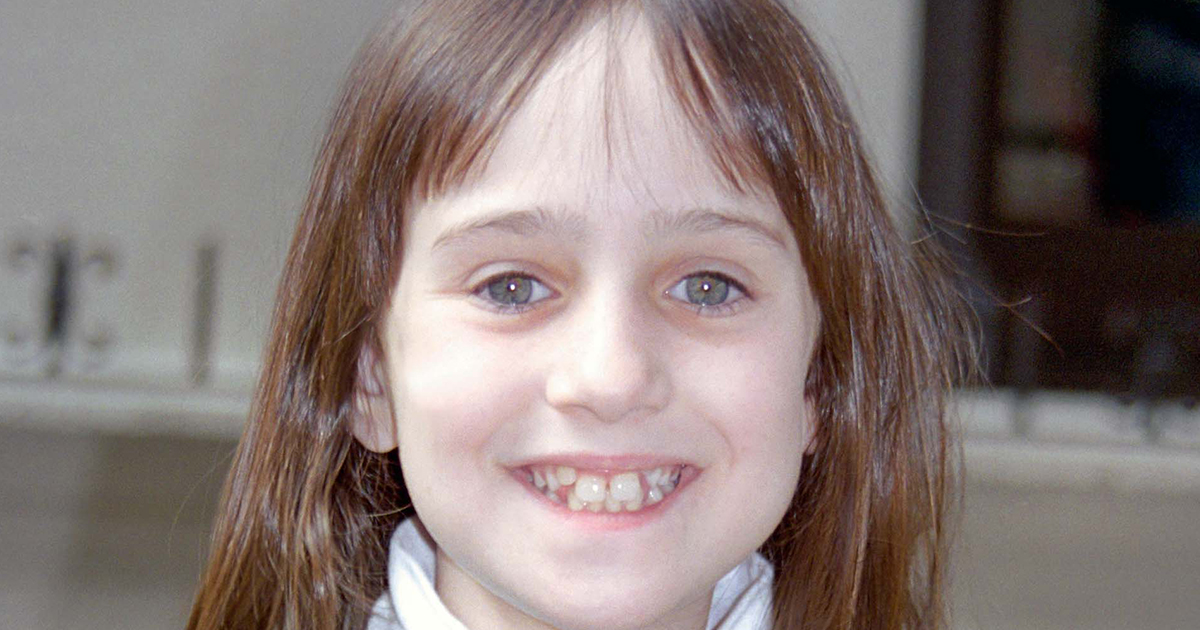
Mara Wilson became a household name in the early 1990s, charming audiences worldwide with her memorable portraits of precocious children in iconic family films such as Mrs. Doubtfire and Miracle on 34th Street. Wilson’s innate talent and distinctive presence on screen resonated with both young viewers and adults, setting her apart in an era defined by memorable child actors.
As her 39th birthday approaches this July 24, Mara Wilson’s story stands as both a nostalgic memory for moviegoers and a poignant reflection on the treatment of child actors in Hollywood. While her rise was rapid and her performances critically acclaimed, the years that followed were marked by a significant shift as Wilson gradually stepped away from the limelight. Her transition from celebrated child star to a private figure outside the entertainment industry has sparked interest and raised important questions about identity, fame, and the challenges of growing up under public scrutiny.
The Sparkling Debut: Early Stardom and Hollywood Success
Wilson was born in California and began her acting career at a very young age, initially appearing in several commercials. Her major breakthrough arrived at the age of five, when she was cast as Natalie Hillard—the youngest child of Robin Williams’ character—in the 1993 blockbuster Mrs. Doubtfire. The film’s commercial and critical success cemented Wilson’s place as one of Hollywood’s most promising talents.
In interviews, Wilson has recalled her parents’ grounded approach to her burgeoning fame. “My parents were proud, but they kept me grounded. If I ever said something like, ‘I’m the greatest!’ my mother would remind me, ‘You’re just an actor. You’re just a kid,’” she[1] shared in a candid account for The Guardian. This blend of encouragement and humility guided her through the whirlwind of early success.
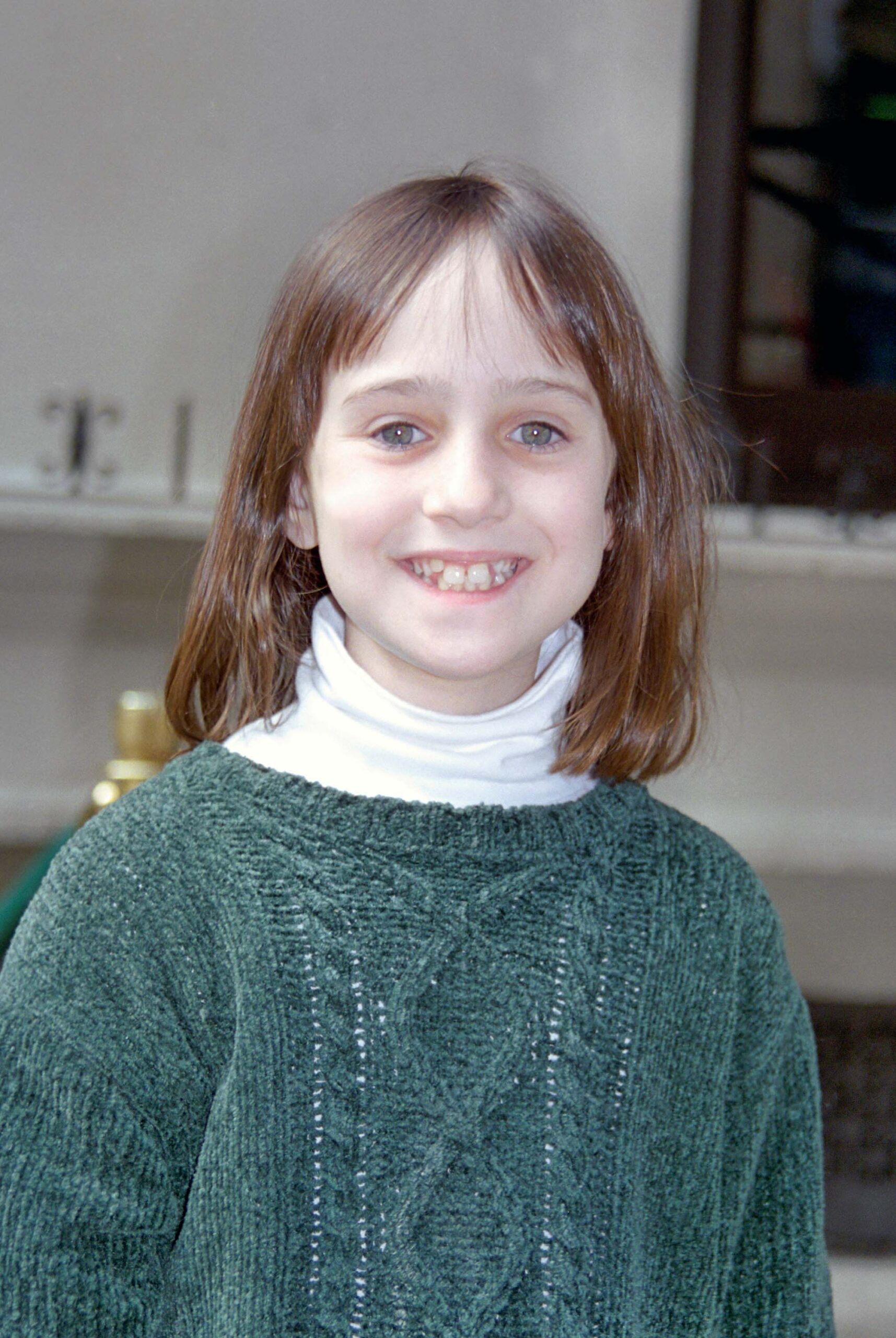
In 1994, Wilson took on the role of Susan Walker, a character previously played by Natalie Wood in the 1947 version of Miracle on 34th Street. Notably, Wilson’s audition was marked by honesty and childhood innocence: “I read my lines for the production team and told them I didn’t believe in Santa Claus. But I did believe in the tooth fairy and had named mine after Sally Field,” she recalled[1].
Childhood Challenges: Loss and the Burden of Fame
The momentum of Wilson’s career continued with her role as Matilda Wormwood in the beloved 1996 adaptation of Roald Dahl’s Matilda. Audiences and critics alike praised Wilson’s sensitive and nuanced performance, which remains a defining role in her filmography. Yet, behind the scenes, the young star was facing significant personal turmoil. Her mother, Suzie, was diagnosed with breast cancer during the film’s production and sadly passed away before it was released.
In interviews, Wilson has spoken openly about how the loss of her mother at such a formative age deeply impacted her sense of self. She described feeling a profound grief and a loss of direction: “I didn’t really know who I was…There was who I was before that, and who I was after that. She was like this omnipresent thing in my life.” The pressures of fame, combined with personal tragedy, made Wilson yearn for a normal childhood[2].
Ironically, the period of her greatest fame was also the time she felt the most isolated. She has described how the combined weight of public attention and private grief led to exhaustion and unhappiness. “Most of the time, I just wanted to be a normal kid, especially after my mother died,” Wilson explained. This emotional burden foreshadowed her eventual step away from Hollywood.
Stepping Away: Puberty and Hollywood’s “Cute” Obsession
As Wilson reached adolescence, the opportunities that had once seemed limitless began to dry up. She landed her last major screen role in 2000’s Thomas and the Magic Railroad at the age of eleven, but by then her relationship with Hollywood had begun to sour. “The characters were too young. At 11, I had a visceral reaction to [the] script…Ugh, I thought. How cute,” Wilson told The Guardian[1].
Her candid observations shed light on an industry notorious for its preoccupation with youth and appearance, particularly for girls. “Hollywood was burned out on me,” she reflected. “If you’re not cute anymore, if you’re not beautiful, then you are worthless.” The lack of meaty roles for young women navigating adolescence left Wilson, once celebrated for her sweetness, feeling like an outsider.
“At 13, no one had called me cute or mentioned the way I looked in years, at least not in a positive way,” she recounted. The sudden absence of attention and validation from Hollywood was difficult to process, especially for someone whose identity had become so intertwined with public approval at an early age.
Wilson has been forthright about the way she internalized these messages. “I had this Hollywood idea that if you’re not cute anymore, if you’re not beautiful, then you are worthless. Because I directly tied that to the demise of my career. Even though I was sort of burned out on it, and Hollywood was burned out on me, it still doesn’t feel good to be rejected.”
Life After Childhood Fame: Embracing New Roles
After stepping away from acting, Wilson gradually found her footing outside the glare of Hollywood. She attended New York University’s Tisch School of the Arts, pursuing writing and performance in less conspicuous forms. In this new phase, she has cultivated a voice distinct from her childhood persona by delving into topics such as creativity, mental health, and personal growth.
In 2016, Wilson published her memoir, “Where Am I Now? True Stories of Girlhood and Accidental Fame.” Through a collection of essays, she reflects on her unique journey, including frank discussions about growing up in the shadow of early fame, coping with grief, and the challenges of adolescence within an industry obsessed with image[3]. The book explores what it means to be known as a “cute” child and the disorienting process of moving beyond that identity.
Wilson’s writing is informed by her compassion and self-awareness. Rather than framing her exit from Hollywood as an act of defiance, she acknowledges the difficult feelings that accompanied this transition. “Being cute just made me miserable,” she wrote in a later essay for The Guardian. “I had always thought it would be me giving up acting, not the other way around.” The experiences chronicled in her work resonate with anyone who has ever grappled with identity, change, and the pressures of public expectation.
Wilson has also authored “Good Girls Don’t,” a memoir that further examines her life as a child actor and the lasting impact of fame on self-image and mental health.
Hollywood, Child Stars, and Identity: A Broader Perspective
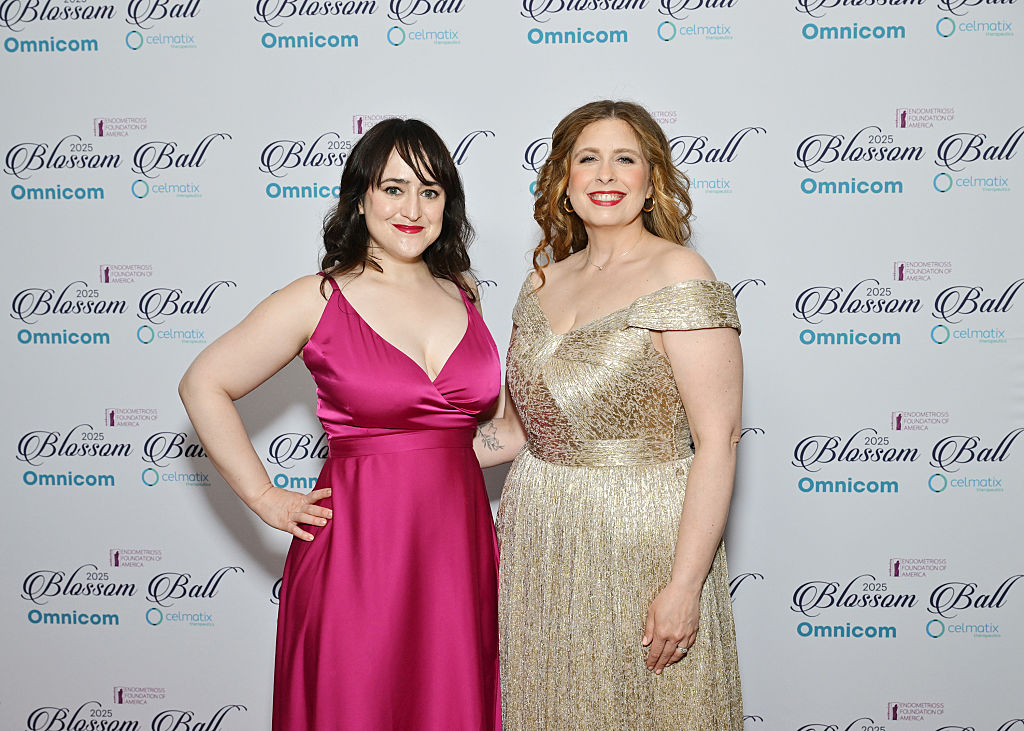
Mara Wilson’s personal narrative is part of a broader conversation surrounding the welfare of child performers in the entertainment industry. Her story echoes those of many child actors who found success early on, only to encounter significant challenges growing up in the spotlight. Experts in child psychology and media studies have noted that fame at a young age often comes with unique risks, from loss of privacy and normalcy to anxiety, depression, and difficulty forming a stable adult identity.
Professional organizations and advocates have underscored the importance of supporting child actors with strong family guidance, legal protections, and access to mental health care. In countries like the United States, laws such as the Coogan Law exist to protect earnings and ensure education, but the psychological impact remains a point of concern. The abrupt shift from adulation to anonymity or criticism can be especially hard to process emotionally and psychologically.
Wilson herself has become a thoughtful commentator on these issues, using public platforms and her writing to discuss the intersection of fame, identity, and mental health. Her openness about the less glamorous aspects of child stardom has contributed to wider awareness and a more empathetic understanding of these challenges both within and beyond the industry.
Wilson’s Impact and Legacy
Though Mara Wilson no longer graces the big screen as she once did, her legacy as a child actor remains strong. For a generation of fans, her performances in Mrs. Doubtfire, Miracle on 34th Street, and Matilda continue to evoke nostalgia and admiration. Moreover, Wilson’s journey has helped highlight the need for compassion and support for child actors navigating the pressures of fame.
Today, Wilson is celebrated not only for her on-screen achievements but also for her honesty, resilience, and advocacy. She continues to write, performs voice acting, and is active in conversations on social media where she addresses themes like mental health, queerness, and creativity. Her willingness to share her story has transformed her into an important voice for those negotiating identity and self-acceptance in a culture fixated on appearance and celebrity.
International and Societal Reactions
Wilson’s story has received international attention, prompting discussions about the treatment of child actors and the evolving standards of beauty and fame. Film historians and cultural critics have cited her experiences as representative of systemic issues within the industry. Countries around the world are increasingly focused on improving standards and regulations to better protect young performers, inspired in part by testimonies like Wilson’s.
Fans across the globe have remained supportive, expressing admiration for her talent and courage in confronting difficult truths. Online communities often revisit her work with affection and analyze the broader lessons her story imparts about growing up, resilience, and the value of authenticity.
Conclusion: The Enduring Influence of Mara Wilson
Mara Wilson’s journey from beloved child star to thoughtful writer and advocate is a testament to strength and adaptability in the face of profound change. Her candidness about fame, loss, and self-doubt has not only offered comfort to those with similar experiences but also contributed to important dialogues about childhood, identity, and wellbeing. While her appearances on screen may be less frequent, her voice remains both relevant and inspiring.
Disclaimer: This content is intended for entertainment purposes only and is not based on real events.
