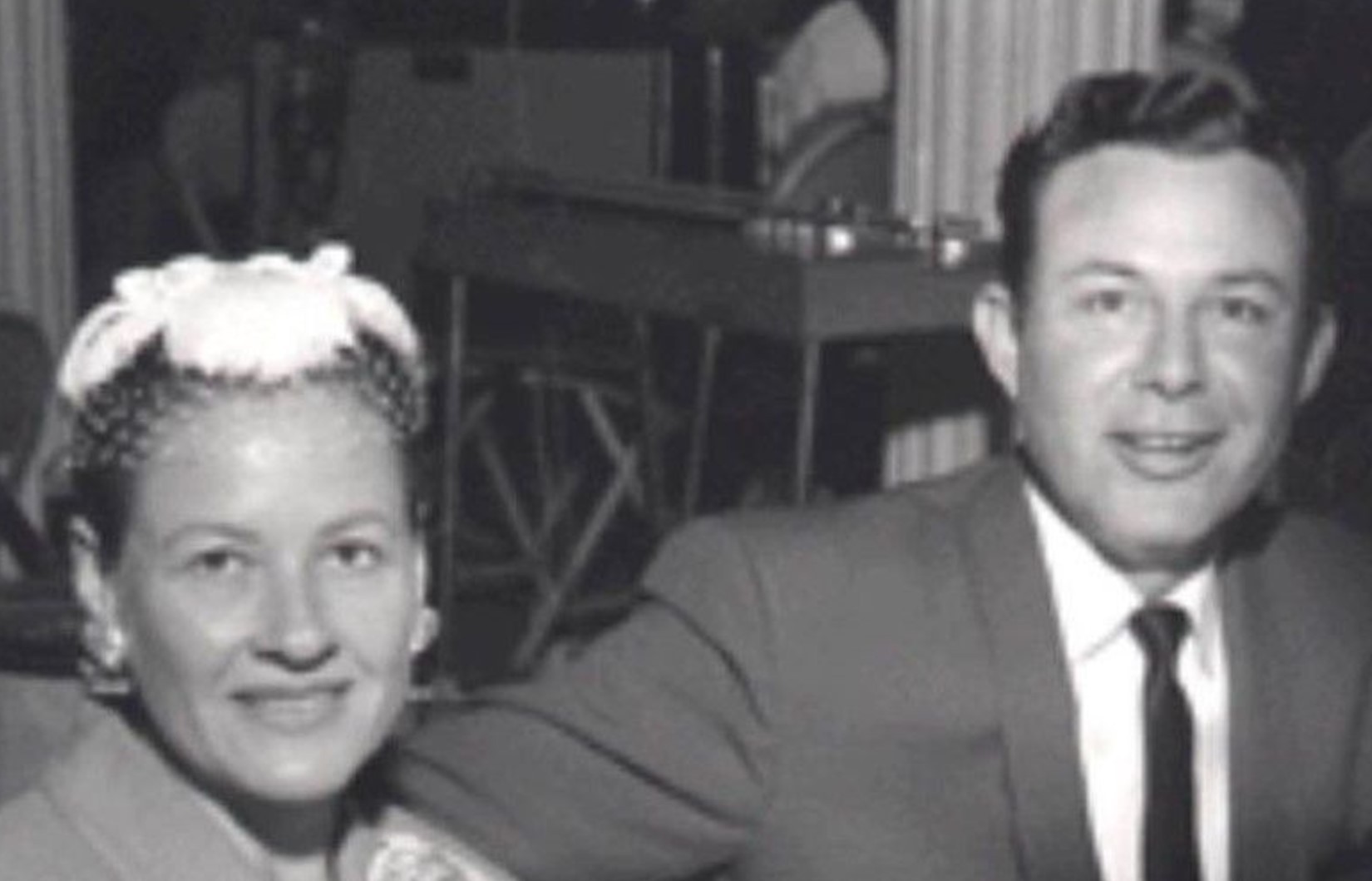

Jim Reeves’s “He’ll Have to Go”: The Song That Changed Country and Pop Music
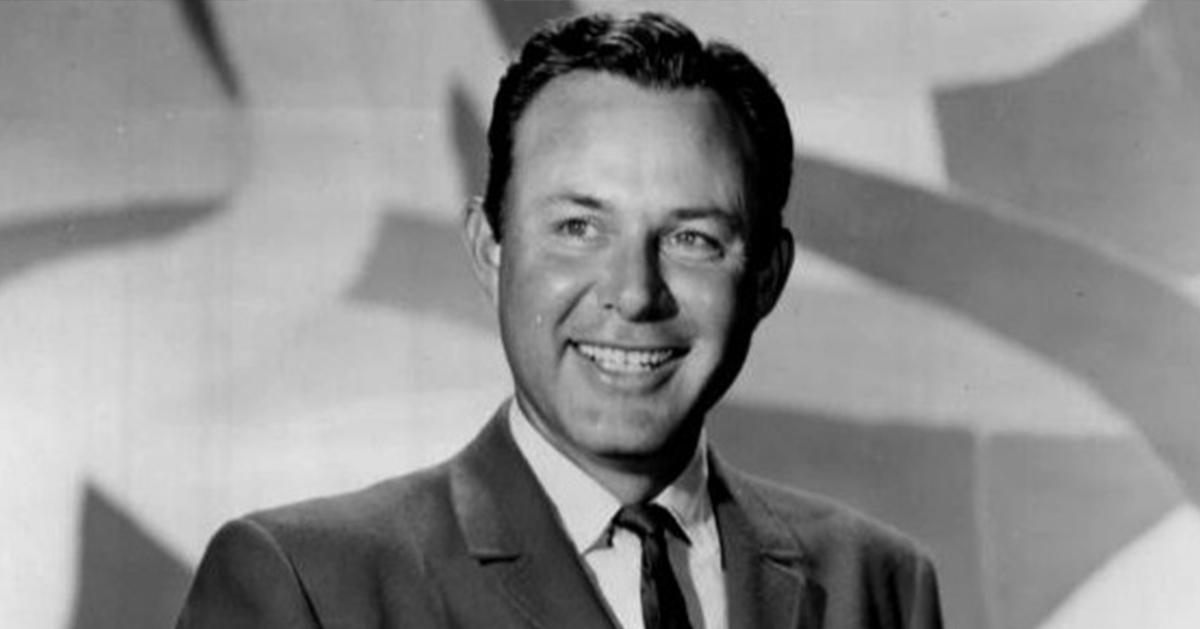
In 1960, Jim Reeves released the song “He’ll Have to Go”, an innovative track that forever altered the landscape of both country and pop music. With his velvety vocals and a sophisticated production style, Reeves bridged the divide between genres, connecting with audiences far beyond Nashville. The song’s resonance was not only musical; it became a cultural phenomenon, solidifying Reeves as a legend whose influence endures to this day.
The Origins of “He’ll Have to Go”
Jim Reeves, often known as “Gentleman Jim,” brought a unique blend of refinement and emotional authenticity to country music. Born in Texas in 1923, Reeves began his professional life as a radio announcer before making a name for himself as a musician. By the time “He’ll Have to Go” was unveiled, Reeves was already a respected presence in country music, but this song launched him to elite status and unprecedented crossover success.
The genesis of “He’ll Have to Go” is a compelling story. The song was penned by Joe and Audrey Allison, inspired by a real-life exchange Joe witnessed in a Texas bar. He overheard a man pleading with his lover by telephone to speak directly and intimately. This moment of vulnerability formed the essence of the song’s iconic opening line: “Put your sweet lips a little closer to the phone.” Simple but poignant, the lyric captured universal emotions of longing and hope, themes central to country music’s storytelling tradition.

The songwriting duo infused the lyrics with palpable feeling, enabling Reeves to express both yearning and quiet strength. The appeal of “He’ll Have to Go” lies in its emotional directness, inviting listeners into a narrative that feels both personal and relatable.
Shaping a New Era in Country Music
When Jim Reeves recorded “He’ll Have to Go,” he approached the performance with remarkable subtlety. The production, overseen by legendary producer Chet Atkins, was intentionally understated, allowing Reeves’s baritone to take center stage. The arrangement featured minimal instrumentation—a gentle piano, soft guitar, and muted backing vocals—helping create an atmosphere of intimacy.
The song’s release marked a major milestone for country music. It topped the Billboard Country Chart and reached number two on the Billboard Pop Chart, proving that country could captivate mainstream audiences without compromising its soul. This triumph signaled a shift in the genre, opening the door for future artists to reach listeners across musical divides.
“He’ll Have to Go” swiftly became a cultural touchstone. Its themes of heartbreak and earnest pleading resonated with people from diverse backgrounds. Reeves’s interpretation stood out for its combination of confidence and vulnerability—he was neither flamboyant nor understated but simply authentic. His delivery connected so powerfully that the song achieved lasting appeal, staying relevant for decades after its initial release.
The Crossover Impact and Creation of the Nashville Sound
The success of “He’ll Have to Go” brought Jim Reeves international recognition. He began touring beyond America, introducing country music to audiences in Europe, Africa, and Asia. Reeves’s elegant sound and approachable manner helped redefine the image of country musicians. He moved the genre beyond its traditional boundaries, making it accessible to listeners who may never have encountered country music before.
The song played a pivotal role in popularizing the “Nashville Sound”—a smoother, more polished version of country music featuring orchestral arrangements and pop influences. This stylistic evolution allowed country music to compete in the mainstream while preserving its authenticity. Many experts consider “He’ll Have to Go” a blueprint for the Nashville Sound, influencing producers and artists for years to come.
This paradigm shift led to an era where crossover hits became common, and country music’s audience expanded dramatically. The Nashville Sound’s influence is still felt today, with contemporary artists mixing country, pop, and other genres to reach broader audiences.
Enduring Influence and Artist Interpretations
“He’ll Have to Go” inspired countless covers and interpretations. Notably, Elvis Presley, Ry Cooder, and Solomon Burke, among others, recorded renditions of the song. While many versions have emerged, Jim Reeves’s original recording remains definitive due to its emotional nuance and polished artistry.
The song’s enduring popularity can be traced to its simplicity and honest storytelling. It features in movies, television, and commercials, regularly introducing younger generations to Reeves’s signature style. Music critics and historians consistently rank “He’ll Have to Go” among the most beloved country songs of all time.
The impact on other artists is substantial. Reeves’s ability to merge country and pop set the stage for future talents such as Shania Twain, Taylor Swift, and Keith Urban, each of whom successfully crossed genre boundaries while maintaining musical integrity. According to experts on country music history, the path to contemporary crossover hits owes much to Reeves’s pioneering approach.
Jim Reeves’s Tragic Passing and Lasting Legacy
Jim Reeves’s story took a sorrowful turn when he died in a plane crash in 1964 at the age of forty. His untimely death shocked fans and left an enduring void in the music community. Despite his passing, Reeves’s music lived on, and “He’ll Have to Go” became the emblem of his legacy.
Posthumously, Jim Reeves received widespread recognition, including induction into the Country Music Hall of Fame. His influence persisted as his songs continued to receive radio play and appear on jukeboxes around the world.
Music experts note that Reeves’s approach—melding smooth vocals with sophisticated production—elevated country music onto the international stage. The emotional core and universal themes of “He’ll Have to Go” ensured its place as a classic.
A Song That Resonates Across Generations
Today, “He’ll Have to Go” is regarded as a masterpiece of country music. Its timeless qualities—the elegant melody, evocative lyrics, and sincere delivery—allow it to transcend era and genre. This song not only paved the way for cross-genre collaborations but also affirmed the universal power of music to convey emotion and connect people.
Scholars and musicologists agree that “He’ll Have to Go” represents a turning point in American music history. Reeves’s blending of country and pop did not dilute either style; instead, it created a new path for musical expression that continues to influence artists globally.
Beyond music, Reeves’s song and career underscored the importance of authenticity, the value of nuanced storytelling, and the lasting emotional impact of artistry. The Nashville Sound, shaped in part by “He’ll Have to Go,” remains a vital element in the ongoing evolution of country music.
Cultural and International Reception
The global reach of “He’ll Have to Go” reflected a moment when country music broke free from geographical and cultural limitations. Reeves’s tours and recordings abroad influenced local music industries, with his style being adapted in various languages and genres. The song’s universal message of love and longing ensured its international popularity, with audiences in the United Kingdom, South Africa, and India embracing Reeves’s sound.
Music journalists from outlets such as BBC and The Guardian point to “He’ll Have to Go” as a seminal example of music’s ability to bridge cultures. The emotional sincerity and polished production resonated regardless of audience, setting a standard for cross-cultural musical exchange.
In recent years, “He’ll Have to Go” has been rediscovered through streaming platforms, television, and films. Its continued presence underscores the song’s timeless relevance and the staying power of Jim Reeves’s artistry.
Conclusion: The Timeless Power of Music
Jim Reeves’s “He’ll Have to Go” stands as a symbol of music’s power to transcend boundaries. The song’s blend of heartfelt lyrics, subtle instrumentation, and elegant vocals made it a game-changer, shaping the future of country and pop music. Reeves’s influence can be seen in the work of today’s crossover stars, affirming the pivotal role he played in American and international musical history.
Whether heard in its original form or in countless covers, “He’ll Have to Go” continues to inspire new audiences. The song’s legacy is a testament to the enduring magic of simple, honest storytelling—and to Jim Reeves’s singular contributions to the world of music.
Share this article so those who haven’t heard this masterpiece can discover Jim Reeves’ incredible talent.
Disclaimer: This content is intended for entertainment purposes only and is not based on real events.
