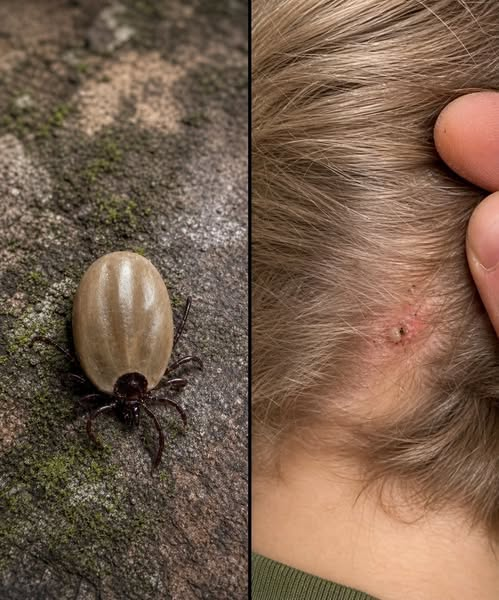

Found a Tick on Your Child? Here’s What Parents Should Do and What to Watch For
The Growing Concern of Tick Bites in Children
As warmer months approach and families spend more time outdoors, tick bites increasingly become a concern for parents. Ticks are small parasites commonly found in grassy, wooded, or brush-filled areas. They feed on blood, and some species carry pathogens that can cause illness in humans, including children. When a tick is discovered on a child’s skin, it can prompt immediate anxiety about potential health risks. Understanding what to do next is crucial for safeguarding your child’s health. This article provides an analytical, scientific overview of tick removal, signs to watch for, and preventive measures based on recommendations from global health organizations and expert opinions.
Tick Basics: What Parents Should Know
Ticks are arachnids—related to spiders—rather than insects. There are several species in North America and Europe, with the most concerning being the black-legged tick (Ixodes scapularis) and the dog tick (Dermacentor variabilis), both of which may transmit diseases. While not every tick bite results in illness, prompt action and informed monitoring are essential.
Immediate Steps: How to Safely Remove a Tick
1. Remain Calm: Try not to panic, as most tick bites are harmless when managed quickly and appropriately.
2. Use Fine-Tipped Tweezers: According to the Centers for Disease Control and Prevention (CDC), grasp the tick as close to your child’s skin as possible.
3. Pull Upward with Steady Pressure: Avoid twisting or jerking, which can cause mouthparts to break off and remain embedded. Remove any remaining parts with tweezers if possible.
4. Clean the Area: Wash your hands and the affected skin thoroughly with soap and water or rubbing alcohol.
5. Dispose of the Tick: Secure the tick in tape, a sealed bag, or flush it down the toilet. Some experts recommend saving the tick in a sealed container if a doctor wishes to identify the species.
6. Monitor for Symptoms: Note the date of the bite and keep an eye on your child for signs of illness in the coming weeks.
What to Watch For After a Tick Bite
Most tick bites cause only minor irritation. However, parents should monitor their children for developments that could indicate infection or tick-borne illnesses. The CDC and Mayo Clinic advise that the following symptoms warrant medical attention:
- Rash, especially a “bull’s-eye” pattern (a hallmark of Lyme disease)
- Fever and chills
- Fatigue
- Muscle or joint pain and swelling
- Headache
- Neurological changes (such as weakness, trouble walking, or confusion)
- Swelling or redness that increases at the bite site
Symptoms may appear anywhere from three days to several weeks after the bite. If any of these develop, contact your child’s pediatrician for guidance.
Tick-Borne Diseases: Risk and Prevalence
Lyme Disease is the most common tick-borne illness in North America and Europe. Other diseases include Rocky Mountain Spotted Fever, Anaplasmosis, Babesiosis, and Powassan virus. While only a minority of ticks carry disease-causing pathogens, prompt removal reduces transmission risk substantially. The CDC estimates that in the United States, around 300,000 people contract Lyme disease yearly. Most cases are mild and treatable with antibiotics if caught early.
When to Seek Medical Care
If your child displays any disease symptoms post-tick bite, contact a healthcare provider for advice. Seek urgent care if your child has trouble breathing, severe headache, neck stiffness, chest pain, or confusion. Physicians may prescribe antibiotics for suspected Lyme disease or other tick-borne infections.
Prevention: Minimizing Tick Exposure
Prevention is the single most effective strategy against tick bites and tick-borne disease. The CDC and World Health Organization (WHO) recommend these steps:
- Wear long-sleeved shirts and pants during outdoor activities
- Apply EPA-approved tick repellents containing DEET, Picaridin, or IR3535
- Stay on clear trails and avoid tall grasses or dense underbrush
- Perform thorough tick checks after coming indoors—look behind ears, around the hairline, under arms, and in folds of skin
- Shower within two hours after outdoor activities
- Dry clothes at high heat for 10 minutes to kill ticks
Create a tick-safe zone at home by keeping lawns mowed, removing leaf litter, and placing playground equipment away from wooded areas.
Understanding Why Ticks Are a Health Concern
Ticks are vectors, meaning they transmit bacteria, viruses, and parasites from their animal hosts to humans. Noteworthy diseases include:
- Lyme Disease: Caused by Borrelia burgdorferi bacteria, with symptoms ranging from fever to neurological complications.
- Rocky Mountain Spotted Fever: Caused by Rickettsia rickettsii, with high fever and distinctive rash.
- Anaplasmosis and Ehrlichiosis: Present as flu-like illnesses with possible severe outcomes.
- Babesiosis: A malaria-like infection, mainly in immune-compromised or older individuals.
- Powassan Virus: Rare but potentially severe neurological disease.
Early identification and treatment, as recommended by the Mayo Clinic and CDC, significantly reduce the risk of complications.
Expert Opinions on Tick Removal and Disease Prevention
Pediatricians and infectious disease specialists advise families to emphasize prevention through education and vigilance. Dr. Paul Mead, Chief of Epidemiology and Surveillance at the CDC’s Lyme Disease program, underscores that “quick and proper removal of a tick sharply decreases the likelihood of disease.” A major misconception is the use of home remedies, such as matches or petroleum jelly, to remove ticks. Experts universally caution against these methods, recommending fine-point tweezers instead.
Dr. Lynda Benton, a pediatrician interviewed by the Mayo Clinic, explains: “Parents should routinely check children for ticks after outdoor play, especially in endemic areas.” She says that raising community awareness, along with personal protective behaviors, can help reduce incidence rates.
International Responses and Trends
Tick-borne diseases are a growing global concern, with rising incidence in parts of Europe, Asia, and North America. In some regions, public health campaigns distribute “tick kits” and educate families about prevention. Switzerland, for example, has introduced tick vaccination as part of its routine immunization schedule—though this is to prevent tick-borne encephalitis, not Lyme disease. In the United States, research into new vaccines and treatments is ongoing, as climate change expands tick habitats farther north.
Tick Myths and Facts
Misconceptions persist about tick bites. Here are some common myths, clarified:
- Myth: All ticks carry disease. Fact: Only a fraction of ticks are infected.
- Myth: You must remove a tick within minutes to prevent disease. Fact: Most disease transmission occurs after several hours, so prompt removal is still highly effective.
- Myth: You should “burn” the tick off. Fact: This method is unsafe—use tweezers as recommended.
- Myth: Antibiotics are always needed after a tick bite. Fact: They’re only prescribed if symptoms or evidence of infection arise.
Following evidence-based practices minimizes risk and ensures a healthy outcome for children.
Long-Term Implications and Recovery
Most children recover quickly from tick bites when no disease is transmitted. If treated early, Lyme disease and other tick-borne infections resolve with minimal lasting effects. Delayed diagnosis can result in prolonged symptoms requiring further medical management. Vigilant symptom monitoring for several weeks post-bite is advised, even if the initial wound seems minor.
Conclusion: Empowering Parents With Information
Discovering a tick on your child can induce fear, but knowledge and preparedness are the best defenses. By applying recommended removal techniques, monitoring for symptoms, and fostering preventive habits, parents can protect their children from the most serious risks associated with ticks. Stay alert to health guidelines and consult physicians promptly if any symptoms appear post-bite. Education and vigilance are key to keeping families safe during outdoor activities.
Disclaimer: This content is intended for entertainment purposes only and is not based on real events.
