
Stink Bugs Invading Your Home? This Simple Vinegar and Dish Soap Mixture May Help
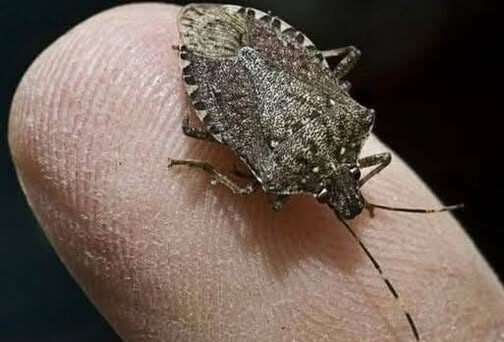
As autumn approaches and temperatures begin to drop, homeowners across many regions notice the unwelcome appearance of stink bugs indoors. These insects, officially known as brown marmorated stink bugs (Halyomorpha halys), become more active and seek shelter as the weather cools. Their emergence in homes is not only an annoyance but can also present challenges due to their notorious odor when disturbed. Understanding why stink bugs invade homes and the methods for managing their presence can help householders address this seasonal problem effectively and responsibly.
Identifying Stink Bugs and Their Behavior
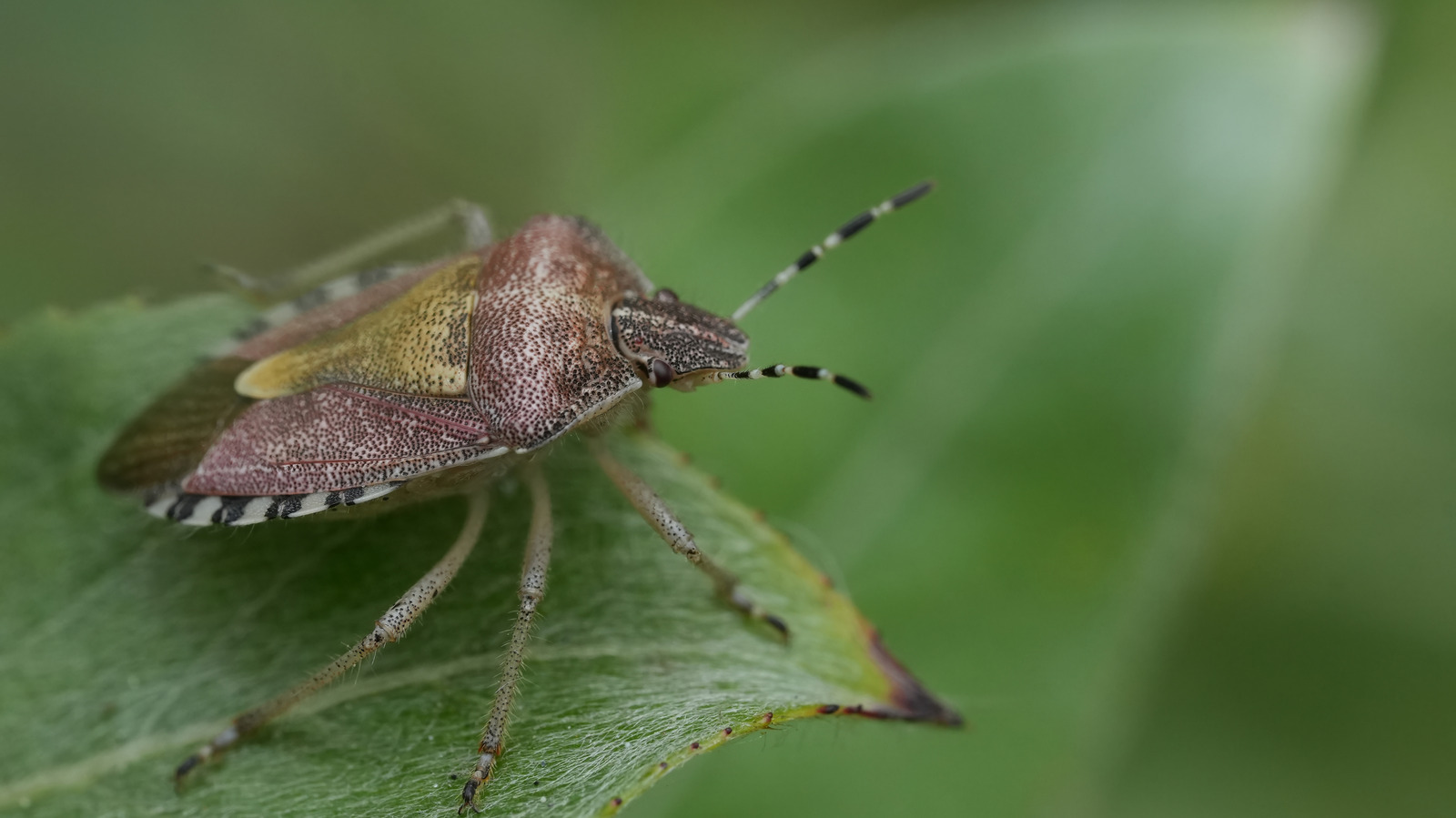
Stink bugs are shield-shaped insects, usually brown or mottled, and are about 1.7 centimeters long. Native to East Asia, they have become established across much of North America and Europe, particularly in urban and suburban environments. During warmer months, stink bugs are active outside in gardens and on crops. However, as fall arrives, they gravitate toward sheltered places to survive the winter—making homes a prime target.
The insects are not dangerous to humans or pets, but they are known for the defensive chemicals they emit when threatened. The substance responsible for their name is a pungent, unpleasant odor that can linger indoors if bugs are handled or crushed.
How Stink Bugs Enter Homes
Stink bugs are adept at finding and slipping through surprisingly small openings in buildings. Their entry points include:
- Cracks and gaps around windows and doors, especially as these structures age and settle.
- Openings around siding, soffits, vents, and chimneys.
- Spaces left by ill-fitting screens or unsealed utility penetrations.
According to entomologists, these insects are highly attracted to light and warmth, which explains their tendency to cluster near windows and doors. Their small size and persistence mean that even minor defects in a home’s exterior can provide entry points.
Why Stink Bugs Are Challenging to Control
Once inside, stink bugs generally seek out dark, quiet spaces to hibernate. Common hiding places include behind baseboards, inside wall voids, in attics, and within furniture. Their ability to remain hidden throughout the winter and emergence in spring can lead to an ongoing issue.
The main challenge lies in the insects’ odor. Disturbing or crushing stink bugs releases their distinctive scent, which many people find intolerable. Removing them without causing this odor requires careful, non-aggressive handling—another reason a preventive approach is recommended.
DIY Solutions: The Vinegar and Dish Soap Mixture
Professional pest control may be necessary for widespread infestations, but many homeowners prefer to start with effective, safe homemade solutions. One such method is a mixture of hot water, distilled vinegar, and dish soap—a formula that has gained attention for its simplicity and efficacy.
To make the mixture, combine:
- 2 cups of hot water
- 1 cup of distilled vinegar
- ½ cup of dish soap
Mix these ingredients in a spray bottle, shaking gently to combine. This solution works by disrupting the stink bug’s membrane and helps immobilize or eliminate them on contact. The acidity of vinegar and the surfactant properties of dish soap make the mixture a practical approach for direct application.
Safe and Effective Application Techniques
To use the stink bug spray:
- Spray directly onto stink bugs when they are found indoors. The mixture is most effective when applied to the bugs themselves rather than surfaces nearby.
- Target problem areas where stink bugs have been seen, such as window sills, entryways, and crevices.
- Always test the mixture on a small, inconspicuous area before spraying widely. Some surfaces, especially delicate or polished materials, may react adversely to vinegar or dish soap.
- After use, ventilate the area to prevent lingering odors from the cleaning solution or the insects themselves.
This method is generally safe for families and pets provided reasonable precautions are taken. Its ingredients are commonly found in most households, making it an accessible option that avoids potentially hazardous chemicals.
Expert Insights and Scientific Context
Research and guidance from agricultural extension services (such as the USDA and university entomology departments) affirm that stink bugs are primarily nuisance pests indoors, not health threats. Experts recommend integrated pest management (IPM), which combines monitoring, prevention, and targeted treatments to reduce population and impact.
The vinegar and dish soap method fits within IPM as a low-risk, non-toxic remedy. Some studies indicate that alternative solutions—such as vacuuming bugs (with bagged vacuums to prevent odor) or trapping them with light—can also help. However, no method substitutes for comprehensive prevention.
- “Mechanical removal is preferred over chemical interventions,” advises the National Pest Management Association.
- University of Maryland Extension reports that homemade traps and sprays are useful for small numbers, but exclusion remains the most effective long-term strategy.

Preventing Future Infestations: Sealing Entry Points
Long-term management of stink bugs relies primarily on making your home less accessible to the pests. Here are recommended preventive steps:
- Inspect the exterior of your home for cracks, gaps, and holes—especially as fall begins.
- Seal gaps around windows and doors with weather-stripping or caulking.
- Repair or replace damaged screens on windows and vents.
- Close off openings around siding, soffits, and chimneys using appropriate materials.
- Ensure utility lines and pipes entering the home are well-sealed.
Exclusion techniques help prevent stink bugs and other seasonal pests from finding shelter indoors, reducing the need for chemical treatments or continual removal. Many experts stress that regular maintenance of these entry points is equally effective for other invaders, such as lady beetles and spiders.
Preparing Your Home Before Cold Weather Arrives
Autumn is the crucial time for prevention, as stink bugs begin searching for overwintering sites. Taking action before temperatures plummet is more effective, as it stops the cycle before bugs settle into hidden locations within the house.
Recommended timeline:
- Begin inspection and sealing of entry points in late summer or early fall.
- Install or update weatherproofing materials before overnight temperatures reach low levels.
- Increase vigilance for bug activity in September through November.
- Continue monitoring interior spaces for emerging bugs during winter and spring.
If bugs are discovered, employing the vinegar and dish soap mixture as a first step, followed by mechanical removal and improved exclusion, forms a sustainable and holistic response.
International and Societal Reactions
The brown marmorated stink bug is now a global issue, having spread from Asia to North America and Europe. This expansion has prompted responses from various environmental agencies, agricultural authorities, and homeowners. Their presence is more than a nuisance: in agricultural settings, stink bugs can damage fruits, vegetables, and ornamental plants, leading to economic losses and additional control efforts. However, for homeowners, seasonal invasions are usually a matter of prevention and comfort.
In some countries, like Italy and Germany, coordinated public awareness campaigns have been created to inform citizens about pest management and the importance of not relying on excessive pesticide use. This trend emphasizes the value of simple, safe, and scalable solutions—like the vinegar and dish soap mixture—combined with good home maintenance practices.
When to Seek Professional Help
For persistent or large-scale infestations, professional pest control may be required. Licensed experts can conduct thorough inspections, use targeted treatments, and address structural vulnerabilities. If allergic reactions, damage to property, or high numbers of insects occur, consulting a specialist ensures safe and effective resolution.
Summary: Addressing Stink Bugs Responsibly
Stink bugs are a common and frustrating autumn visitor, but their management does not need to be complicated or hazardous. Utilizing a simple homemade solution of vinegar, dish soap, and hot water, combined with diligent home maintenance, offers an accessible and environmentally responsible approach. Prevention is the cornerstone, and early action before cold weather sets in can minimize problems for the entire season.
While these bugs can emit an unpleasant odor when disturbed, strategies focused on exclusion, targeted removal, and safe home remedies are recommended by experts. International experience underscores the importance of integrated management, public education, and minimizing unnecessary pesticide use. By following reliable scientific guidance, homeowners can reclaim their space and enjoy greater peace of mind during the colder months.
Disclaimer: This content is intended for entertainment purposes only and is not based on real events.
