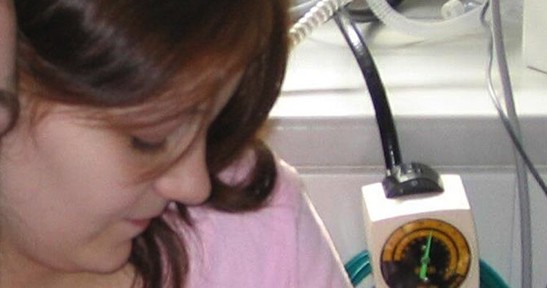

Tressa Middleton: Britain’s Youngest Mother and a Story of Resilience

Tressa Middleton captured Britain’s attention in 2006 when, at the age of just 12 years and 8 months, she became the nation’s youngest mother. Her story triggered widespread public debate, shone a light on poverty and family systems in Scotland, and illustrated the profound effects that trauma, addiction, and resilience can have on a person’s life. Today, Tressa’s extraordinary journey shows the power of hope and determination in overcoming adversity.
Early Life: Growing Up in Poverty and Adversity
Tressa Middleton was born in 1994 in Broxburn, a town in Scotland, and from her earliest days, faced circumstances that would test even the most resilient spirits. Taken into the care system at the age of four, Tressa was separated from her biological mother, who struggled with homelessness and financial instability. During her years in care, Tressa’s social circle mainly consisted of older children, which would influence many aspects of her young life.
Reflecting on this challenging period, she recalled, “My mom was homeless, and I had to go into care. All my friends were older than me. I also started drinking when I was eight or nine.” These formative years were marked by instability, and even when Tressa returned to her mother’s home, she encountered challenges such as unreliable heating, scarcity of meals, and the daily stress of living below the poverty line. This environment influenced her emotional well-being and her subsequent choices in life.
Early Adolescence and Pregnancy
Tressa’s adolescence began with uncertainty and isolation. At just 11 years old, her pregnancy became publicly known, shocking not only her local community but the entire country. Many initially assumed her pregnancy was the result of a consensual but misguided decision made during an alcohol-fueled encounter, a misperception shaped by stereotypes about troubled families and youth.
The national media spotlight added significant pressure to Tressa’s already fragile situation. Her family background – a mother dealing with addiction and a home life marked by instability and neglect – played a major role in her circumstances. The birth of her daughter, Annie, marked both a new beginning and the arrival of profound challenges.
The Pain of Separation: Adoption and Emotional Fallout
Following her daughter’s birth, Tressa attempted to care for her newborn while simultaneously wrestling with depression and the consequences of addiction. Despite her wishes to be a mother, she was unable to provide the stability required. When Annie was two years old, she was adopted by another family, a decision that brought overwhelming grief and heartbreak to a young Tressa.
Recalling those early traumatic years, Tressa described how she was allowed daily visits with Annie for the first six months after the adoption. “The last time I saw her was at a crèche – but she was crying for her new parents. It broke my heart,” she revealed in an interview. The immense pressure, public visibility, and pain of separation deepened Tressa’s struggles, and she began to spiral further into addiction.
The Truth Revealed: Family Trauma and National Outrage
While the public believed that Annie’s father was a local boy, the true story was much harder to bear. In 2009, three years after Annie’s birth, Tressa disclosed to authorities that she had been sexually assaulted by her older brother, then 16 years old. This revelation reframed her entire experience for the public and authorities alike, highlighting issues of child protection, neglect, and family accountability within the Scottish care system.
Tressa recounted that the assault took place at a local construction site. Previously, she and her brother had frequented the site to play, but on that particular day, her brother’s behavior changed abruptly, resulting in a life-altering crime. Tressa’s body soon began to change, and it was a friend who first noticed the signs of pregnancy, prompting them to confirm it with a homemade test purchased by her friend’s father.
Societal Reactions and Legal Consequences
The disclosure of Tressa’s abuse and subsequent pregnancy generated heated discussions nationwide. There were questions about how such events could happen under the watch of social services, and about the structural failures that left vulnerable children without protection. The importance of safeguarding training, early intervention, and comprehensive mental health support were all thrust into the spotlight.
In the aftermath, her brother Jason Middleton was investigated and, after confirmation by DNA evidence, was found guilty of rape in the High Court in Glasgow. He was sentenced to four years in prison. Testimony revealed that Jason had abused Tressa over several years, starting when she was just seven years old. These revelations led to scrutiny of support systems for child victims and calls for reform in Scotland’s care and legal frameworks.
The Road to Recovery: Battling Addiction and Rebuilding Trust
The life-altering traumas Tressa endured led her into a period of deep depression. She turned to drugs and alcohol in an effort to numb the pain. At one point, she developed a heroin addiction that cost her up to $500 a day—a devastating habit that compounded her sense of loss and isolation.
In interviews, Tressa reflected on how her brother’s continual abuse was often accompanied by manipulation and threats. Yet, despite her harrowing journey, Tressa eventually found a path toward recovery. With the help and unwavering support of her fiancé Darren, she overcame addiction and began to piece her life back together. Their shared journey provided hope and a sense of belonging that helped Tressa refocus her goals and start healing.
Personal Loss and Forgiveness
The years that followed were not without further tragedy. After losing a pregnancy in 2012, Tressa’s mother died from pneumonia at the age of 41. The funeral brought her face-to-face with her brother for the first time in years. The encounter was highly emotional but ultimately, Tressa decided to forgive her brother. She publicly stated, “I didn’t feel any hatred towards him. I know what he did was wrong, and so does he. But my mum wouldn’t want it to ruin our lives. She can rest in peace knowing we’re moving on. I forgive him.” Forgiveness, for Tressa, was a crucial step in moving forward and refusing to allow past trauma to dictate her future.
The Never-Ending Bond: The Legacy of Her First Child
Although forced to give up Annie for adoption, Tressa never stopped thinking about her first daughter. In her 2015 memoir, she wrote movingly of how Annie is the first thought she has each morning and the last before she goes to sleep at night. Recalling their final meeting, she said, “I didn’t realize it would be the last time I’d see her. She didn’t recognize me, and she was scared. I couldn’t even hug her.” This lasting emotional connection illustrates the complexities and heartache of separation through adoption, particularly for very young mothers and their children.
Bearing the Weight of Public Status: Britain’s Youngest Mother
For 15 years, Tressa held the sad distinction of being the youngest mother in Britain, until 2021, when reports surfaced of an unnamed 11-year-old who gave birth. Tressa’s high-profile case continues to shape public discourse about child protection, sexual violence, consent, and the roles communities and governments play in protecting vulnerable populations.
New Beginnings: Creating Her Own Family
In 2018, after a 24-hour labor, Tressa and her fiancé Darren welcomed Arihanna, their second daughter. The joy of this new arrival signified hope and a fresh chapter—one where Tressa could break the cycle of trauma and focus on building a safe environment for her children. She has been clear that she speaks openly about her first daughter; “Arihanna will always know she has a big sister. I talk to her about it now, even though she can’t understand. She’ll never be a secret.”
This approach underscores Tressa’s commitment to honesty, healing, and the importance of acknowledging past pain to foster healthy family relationships moving forward.
Tressa Middleton Today: Life, Hopes, and Advocacy
Now living in Bathgate, West Lothian, Tressa has focused on building a positive life for herself and her family. As of 2023, she was expecting her third child, and her social media presence indicates she has four daughters. On her profile, she writes proudly, “Love all 4 of my girls with all my heart ❤️ I will make them proud! 👌🙏😘.”
Tressa’s story has prompted important conversations across the United Kingdom about child sexual abuse, addiction recovery, adolescent pregnancy, mental health, and the long path to self-forgiveness. Tokens of support and empathy have come not only from her local community but from international observers and advocacy groups championing victims’ rights and the reform of child welfare practices.
Wider Societal Impacts and Lessons Learned
The case of Tressa Middleton catalyzed calls for enhanced child protection in the UK, better mental health services, and more robust supports for children in foster care. Research has shown that early trauma and family dysfunction are strongly linked to increased risk factors for substance abuse, mental health challenges, and difficulties forming lasting trust in adult life. Programs targeting early intervention, family reunification with support, and trauma-informed approaches are gradually becoming more integrated into child welfare systems, thanks in part to stories like Tressa’s that highlight the consequences of systemic failures.
The public response to Tressa’s story—ranging from national shock to empathy and support—reflects evolving attitudes toward issues of child protection and rehabilitation. Academic studies, non-profit organizations, and governmental bodies now cite such cases as motivators for systemic change, focusing on prevention, survivor support, and public education to reduce the cycles of abuse and neglect.
An Enduring Message of Hope and Resilience
Tressa Middleton’s journey stands as a testament to the strength of the human spirit in the face of unimaginable hardship. Becoming a mother at just 12, enduring public scrutiny, family trauma, loss, and addiction, she has emerged determined to create a better life for herself and her children. Her openness about her experiences offers inspiration to others facing adversity, while reminding wider society of the urgent need to protect, support, and uplift the most vulnerable.
Tressa’s continued advocacy and resilience send a powerful message: hope, healing, and change are always possible, even after the darkest times.
Disclaimer: This content is intended for entertainment purposes only and is not based on real events.
