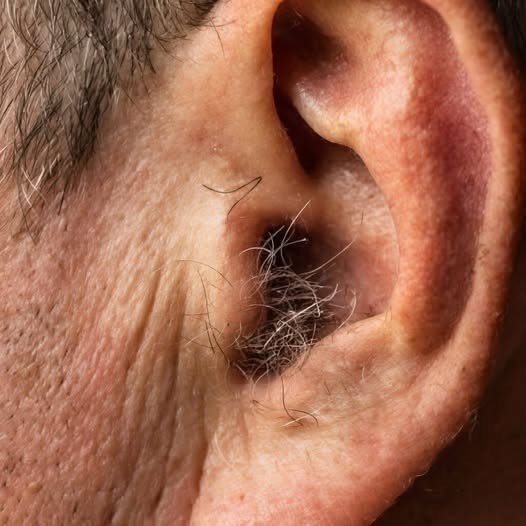

Ear Hair Growth: Understanding the Science, Causes, and Healthy Management
Many people wake up one day and notice a subtle change—the appearance of hair in and around their ears, often for the first time. This new development can surprise, embarrass, or even concern individuals, raising questions about health, aging, and well-being. What causes hair to grow in this area, and is it a sign of underlying health issues? This article reviews the scientific context of ear hair growth, explains its natural causes, discusses prevention and management, shares insights from medical experts, and offers healthy lifestyle advice for the general public.
Background: Human Hair Growth and the Aging Process
The human body naturally develops hair in various regions, including the scalp, face, and, less commonly noticed, in the ears. Hair follicles are tiny pockets in the skin from which hair grows. Each follicle’s activity is influenced by age, genetics, hormones, and environmental factors. While the scalp and facial regions receive most attention, hair inside and around the ears usually goes unnoticed until it becomes more prominent, particularly as people age.
As individuals mature, their bodies undergo hormonal shifts that change the pattern and density of hair growth across many areas. This is a normal part of aging. The gradual emergence of hair in the ear region is a subtle sign that the body’s systems continue to change throughout life.
The Science Behind Ear Hair Growth
Ear hair growth is mainly a result of hormonal changes that occur with aging. Anticipated reduction or alteration in hormone production, including testosterone and estrogen, can affect hair patterns. These hormones play a critical role in determining the thickness, density, and location of hair follicles.
Beyond hormones, genetics also influence how much hair individuals grow in specific regions. Some people inherit traits that lead to thicker or more visible ear hair, while others may never experience significant growth in this area. This variation is normal, and there is no evidence linking ear hair to disease or poor health.
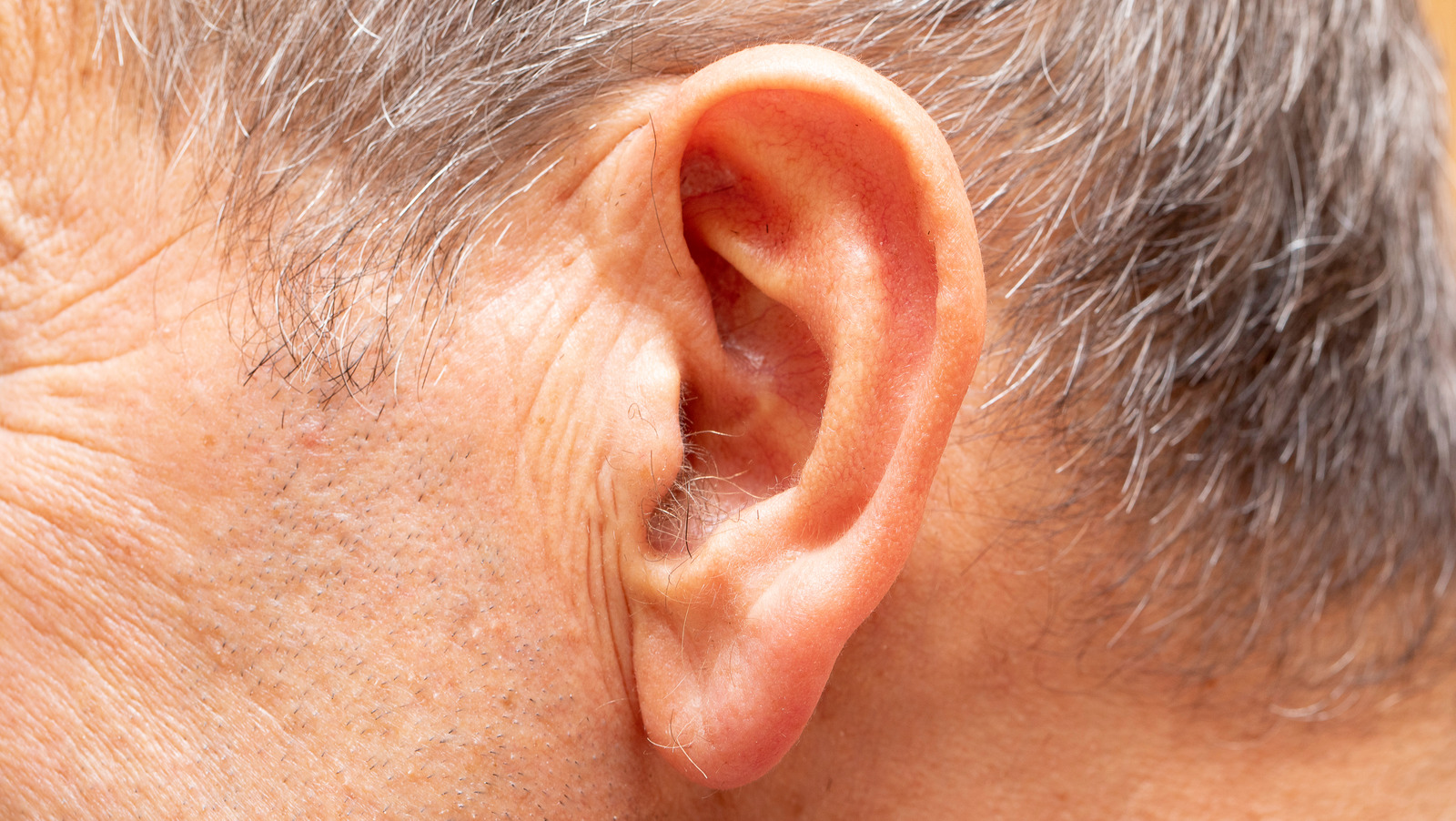
Causes of Ear Hair Growth
- Aging: The principal factor is age. As people grow older, their bodies gradually change, including hair patterns.
- Hormonal Changes: Shifts in hormone levels, especially during middle age and beyond, affect hair follicle activity. A decrease in certain hormones can lead to increased hair growth in less common areas, such as the ears.
- Genetic Factors: Family history is the strongest predictor of ear hair growth. If a parent or grandparent had visible ear hair, it is likely that later generations may experience the same.
- Environmental Influences: Though less significant than genetics and hormones, factors such as nutrition, health status, and exposure to pollutants may have minor effects on hair patterns.
- Ethnicity and Gender: Some studies suggest that certain populations are more likely to develop ear hair, though this is not universally true and varies according to individual genetics.
Medical Context: Ear Hair and Health
Ear hair growth is a benign and normal manifestation associated with aging and genetics. Medical research confirms that the presence of ear hair is not an indicator of disease, infection, or poor health. There are no studies linking normal ear hair with underlying conditions; it does not signal weakness or mystery.
However, ear hair should not be confused with abnormal ear symptoms such as pain, discharge, or hearing loss. These symptoms require medical attention and are not related to hair growth. The hair itself is harmless, but excessive growth can sometimes contribute to blockage, which may affect hearing if left unmanaged.
Prevention and Healthy Management of Ear Hair
While there is no way to prevent the onset of ear hair completely, since it is a natural consequence of aging and genetics, managing its appearance and maintaining ear health is possible and important.
- Regular Hygiene: Clean the ears gently with a soft cloth and avoid inserting sharp objects, which can damage the delicate skin and hair follicles inside the ear.
- Safe Grooming Practices: If ear hair becomes bothersome or visible, use professional-grade trimmers or scissors designed for ear hair. Avoid tweezers or waxing, as these can irritate the skin or increase infection risk.
- Consultation with a Professional: If the hair is difficult to manage or if there is concern about other symptoms, consult a medical expert or dermatologist. They can offer advice on safe removal methods and assess for any unusual growths.
- Nutrition and Wellness: Eating a balanced diet rich in vitamins, proteins, and minerals supports general hair health and can improve skin resilience. While this may not stop ear hair growth, it helps maintain overall well-being.
- Frequent Self-Check: Inspect the ear area periodically for any changes in skin or hair, especially in older age. Early detection of abnormalities helps ensure prompt medical attention if needed.

Expert Opinions: Ear Hair Growth as a Natural Phenomenon
Medical professionals, including dermatologists, aging specialists, and primary care providers, consistently agree that ear hair growth is a routine part of physiological aging. According to Dr. Anthony Rossi of Memorial Sloan Kettering Cancer Center, “Ear hair is simply a result of changing hormones and time; it is not associated with illness or poor health.”
Other experts note that the body naturally adjusts its systems for protection and function as people age. In some cases, hair serves as a barrier against dust and foreign particles, helping to keep the inner ear healthy. However, excessive growth is not necessary for this function and should be managed for cosmetic and comfort reasons.
Current guidelines recommend safe trimming rather than aggressive removal methods, emphasizing that the goal is to maintain personal grooming and avoid injury.
Healthy Lifestyle Advice for Aging and Hair Management
Taking a holistic approach to health during the aging process can help individuals feel confident and comfortable with physical changes such as hair growth. Here are some strategies for healthy aging and ear hair management:
- Embrace Natural Changes: Aging is a universal process, and signs such as ear hair are normal. Maintaining a positive outlook and understanding the biological basis for these changes reduces anxiety and shame.
- Stay Informed: Reading articles from reputable sources and regularly discussing changes with healthcare providers empowers individuals to make informed decisions about health and grooming.
- Establish Consistent Grooming Habits: Integrate ear care into a regular grooming routine to keep the area clean, comfortable, and free of excess hair.
- Address Hearing and Skin Health: If there are changes in hearing or skin related to ear hair, contact a medical professional. Early intervention improves outcomes and ensures that issues are managed quickly.
- Promote Overall Well-being: Regular physical activity, balanced nutrition, stress reduction, and sufficient sleep all contribute to healthy aging and skin resilience.
When to Seek Medical Advice
While ordinary hair growth around the ears is harmless, individuals should consult a healthcare provider if they experience:
- Unusual growths or lumps in or around the ear
- Persistent itching, redness, swelling, or pain
- Changes in hearing or discharge from the ear
- Sudden or rapid hair growth that is not explained by age or genetics
These symptoms may indicate unrelated medical conditions requiring professional attention. Remember, normal ear hair growth is not a cause for concern, but maintaining vigilance about other changes is essential for overall health.
Conclusion: Accepting and Managing Ear Hair Growth
Ear hair growth is a natural, expected part of the aging process driven by genetics, hormonal changes, and time. It is not a sign of disease, mystery, nor weakness. Understanding why it occurs, differentiating it from abnormal symptoms, and managing it safely empowers individuals to embrace aging with confidence.
Maintaining healthy self-care routines, seeking expert advice when needed, and pursuing a well-rounded lifestyle all contribute to optimal health. The presence of ear hair is simply another reminder that the human body is dynamic and continually changes throughout the lifespan.
Disclaimer: This content is intended for entertainment purposes only and is not based on real events.
