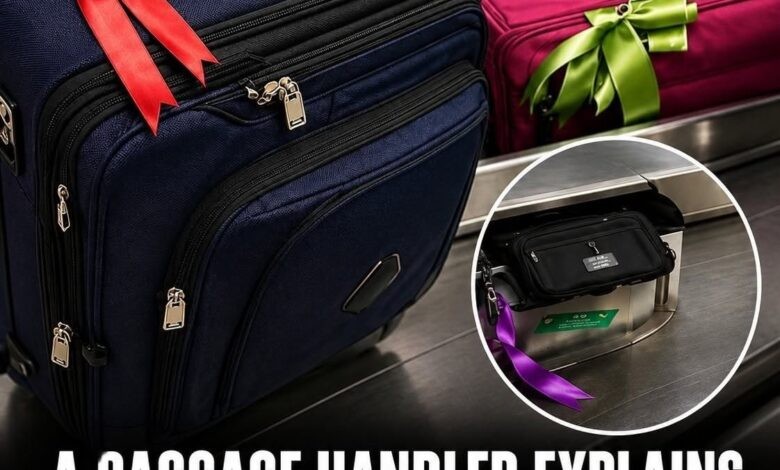

A Baggage Handler Revealed Why You Should Never Tie Ribbons to Your Suitcase
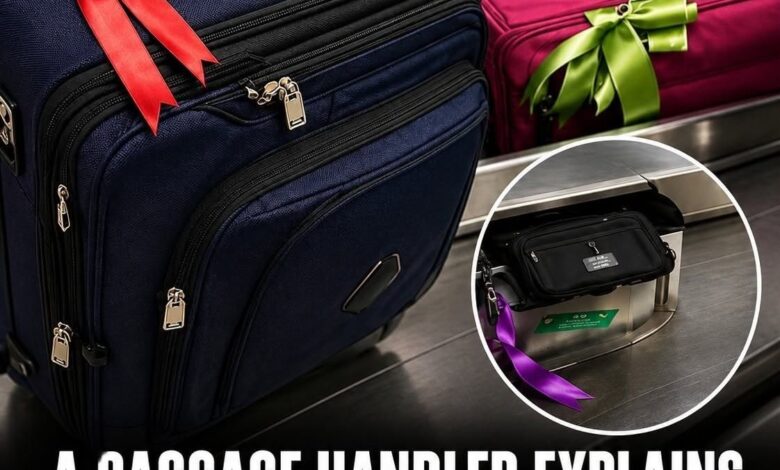
Introduction: The Common Practice of Tying Ribbons to Luggage
For countless travelers around the world, tying a ribbon, scarf, or decorative accessory to luggage has become an instinctive step before heading to the airport. The practice is often intended to help passengers easily spot their bags among the sea of similarly shaped and colored suitcases on airport conveyor carousels. While this method seems both harmless and practical, industry experts caution that such well-intentioned actions may have unintended consequences that complicate baggage handling processes and even delay one’s travel. This article explores the scientific and operational reasons why baggage handlers recommend against attaching any extraneous items to your suitcase, while providing safe and effective alternatives for luggage identification.
How Modern Airports Sort Luggage: An Overview
Modern airport baggage handling is a complex and highly automated process designed to cope with massive volumes of passenger luggage daily. According to the International Air Transport Association (IATA), major international airports can process tens of thousands of bags every hour, relying on intricate conveyor belt systems and advanced scanning technology to route each bag to its proper destination.
At the heart of these systems are high-speed conveyor belts, barcode readers, and radio-frequency identification (RFID) technology. Bags are loaded onto conveyors and move through a labyrinth of mechanical switches, diverters, and scanners that together determine their route – from check-in counters to airplane cargo holds. Baggage handling efficiency is critical; even minor disruptions can delay flights, impact connections, and create logistical bottlenecks affecting hundreds of travelers.

How Ribbons and Accessories Complicate the Process
While personalizing your suitcase with ribbons or scarves might seem like a minor addition, airport experts emphasize that such accessories can pose practical difficulties within automated baggage systems. Baggage handlers and airport engineers report that any item tied to the exterior of a suitcase risks being caught in belts, sensors, or sorting mechanisms. This not only puts your luggage at risk of delay but also presents safety hazards or operational interruptions for the entire baggage system.
- Interference with Automated Machinery: Many conveyor belts and scanning machines are calibrated for standardized luggage sizes and shapes. Large ribbons, loose straps, or fabric bows extending from a suitcase can become entangled in moving parts, causing jams or even damaging the machinery.
- Delays and Manual Inspections: Bags with attached items sometimes trigger alerts in automatic scanners, requiring manual inspection to ensure safety and compliance with airport rules. This can pull your bag out of the automated process, causing it to miss its scheduled transfer or flight loading.
- Damage to Luggage and Lost Items: Accessories such as ribbons, keychains, and tags are prone to being ripped off during high-speed handling. Not only might you lose your identifying ribbon, but your bag might arrive damaged, or the accessory could damage other bags or equipment.
Official Recommendations from Baggage Handlers and Airports
In interviews with several major airport operators, including sources cited by BBC News and Reuters, baggage handlers unanimously discourage any modifications to luggage that are not integral to its original design. Many airports explicitly ask travelers to avoid external attachments, warning that anything protruding from a bag can cause complications for sorting systems that rely on regular, predictable shapes.
For instance, Melbourne Airport in Australia and London’s Heathrow Airport both publish guidance on their websites, advising passengers that ribbons, covers, and non-standard tags can cause bags to be re-routed for additional security or manual processing. The goal is to ensure that every bag moves quickly and safely to the appropriate flight with minimal risk of disruption.
The Science of Baggage Scanning and Processing
Most modern airport sorting facilities utilize a combination of x-ray scanning, barcode reading, and RFID to identify and route baggage. These systems are highly optimized for consistency. Any foreign object attached to a suitcase can flag the bag as irregular, especially if it interrupts the scanning of the standard barcode or tag. These scans are essential not only for sorting but also for security and safety compliance.
According to studies published by airport engineering journals and organizations such as the International Civil Aviation Organization (ICAO), the rate of misrouted or delayed bags increases when suitcases deviate from standard shapes due to add-ons or ‘dangling’ items.
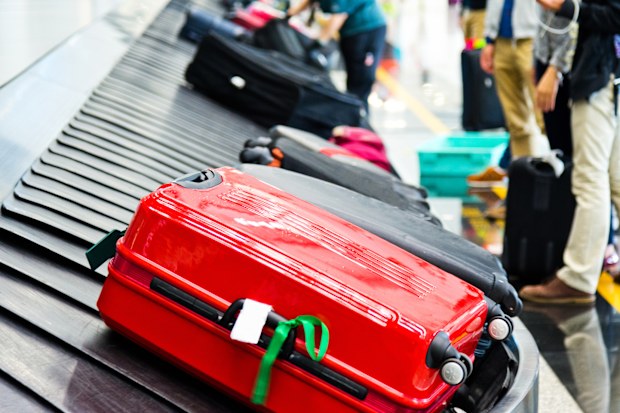
Real-World Consequences for Travelers
The inconvenience caused by a delayed bag can outweigh the benefits of quickly spotting your suitcase. Baggage mishandling is a key contributor to missed connections or additional airport waiting times. While your ribbon may help you at the carousel, it can contribute to:
- Luggage Arriving Late: If a bag requires manual handling due to a ribbon or accessory, it may miss its intended transfer and arrive on a later flight.
- Security Inspections: Irregularities trigger additional security screenings, especially when scanners cannot clearly identify the bag’s contents or barcode due to attached items.
- Damaged Suitcase or Lost Accessory: Handling machinery is powerful and operational at high speeds. Ribbons are frequently torn off, leaving no identification advantage at the bag’s arrival and risking snagging or further damage.
Expert Views and Industry Reactions
Aviation security experts and logistics professionals both warn against practices that complicate baggage handling. According to spokespersons from the IATA, prioritizing system integrity means eliminating unnecessary variables, such as ribbons or loose fabric, on baggage. They recommend that passengers always use built-in handles and standardized luggage tags to maintain the efficiency of the baggage system.
International airline and airport forums frequently discuss best practices for travelers. Experienced frequent flyers echo these recommendations, reporting that any makeshift identifiers not only risk being lost but can jeopardize travel by causing delays.
Global Airport Practices Regarding Luggage Identification
Around the world, airports have developed guidelines and campaigns to educate travelers about luggage identification. While many travelers come from a tradition of tying ribbons or scarves as quick markers, airport authorities instead promote safer alternatives:
- Personalized Luggage Tags: Use brightly colored, robust tags that attach securely to your bag’s handle. Ensure the tag displays your name and contact information inside a cover for privacy.
- Embossed or Printed Suitcases: Many luggage brands now offer customized shells with patterns or colors that stand out without any extra appendages.
- Integrated Technology: Some bags come equipped with built-in GPS trackers or digital tags that help with identification and tracking in a secure, system-friendly way.
Safe and Effective Alternatives for Identifying Your Suitcase
For those concerned about distinguishing their bag among others, experts suggest the following approaches:
- Buy Distinctive Luggage: Choose a suitcase in a bright color or unique pattern at purchase—a simple and effective way to ensure quick identification.
- Use Standardized Tags: Airport-approved, securely attached name tags offer both security and ease of identification without interfering with the baggage handling system.
- Personalize Within Reason: If you must add a marker, keep it minimal and ensure it is close-fitting, such as a patterned luggage handle wrap, and check with your carrier for guidance.
Conclusion: Rethinking Ribbons for a Hassle-Free Journey
While the intention behind tying a ribbon or scarf to one’s suitcase is understandable, the practice can inadvertently complicate the fast-paced and highly automated process that governs modern airport baggage transfer. Given the potential for delays, security checks, and even damage or loss, it is wiser to embrace airline- and airport-approved methods of identifying your baggage. By doing so, you not only ensure your own journey proceeds smoothly, but also contribute positively to the greater efficiency of airport operations for all travelers.
In summary, avoid tying ribbons or loose items to your suitcase. Choose safe, system-compatible identifiers for a seamless travel experience.
Disclaimer: This content is intended for entertainment purposes only and is not based on real events.
