
Bed Bugs: How to Recognize, Manage, and Prevent Infestations
Introduction to Bed Bugs
Bed bugs are small, reddish-brown insects that feed exclusively on human blood, primarily active at night. Their presence in homes and hospitality environments has become a global concern, causing significant discomfort and anxiety among those affected. While not known to transmit diseases, bed bugs are highly distressing due to their bites, difficulty of elimination, and the stigma attached to infestations. Understanding their biology, signs of an infestation, health impacts, and effective prevention methods is crucial for maintaining a safe, healthy living space.
What Are Bed Bugs?
Scientifically known as Cimex lectularius, bed bugs are wingless insects measuring around 5-7 millimeters in length. Their flat bodies allow them to conceal themselves in narrow spaces such as seams of mattresses, bed frames, baseboards, electrical outlets, and even behind wallpaper. During the day, they hide in these crevices, emerging at night to feed on sleeping humans. Bed bugs can survive for several months without feeding, and their resilience has contributed to their spread in both developed and developing regions.
How Bed Bugs Spread
Infestations typically begin when bed bugs hitchhike on luggage, clothing, used furniture, or bedding items. They do not fly or jump, but their stealth and size enable them to travel easily between rooms, apartments, and even infested public spaces such as hotels and movie theaters. International travel, increased urban density, and the growing trade in secondhand goods have all contributed to the resurgence of bed bug problems in recent decades.
Recognizing Bed Bug Bites and Reactions
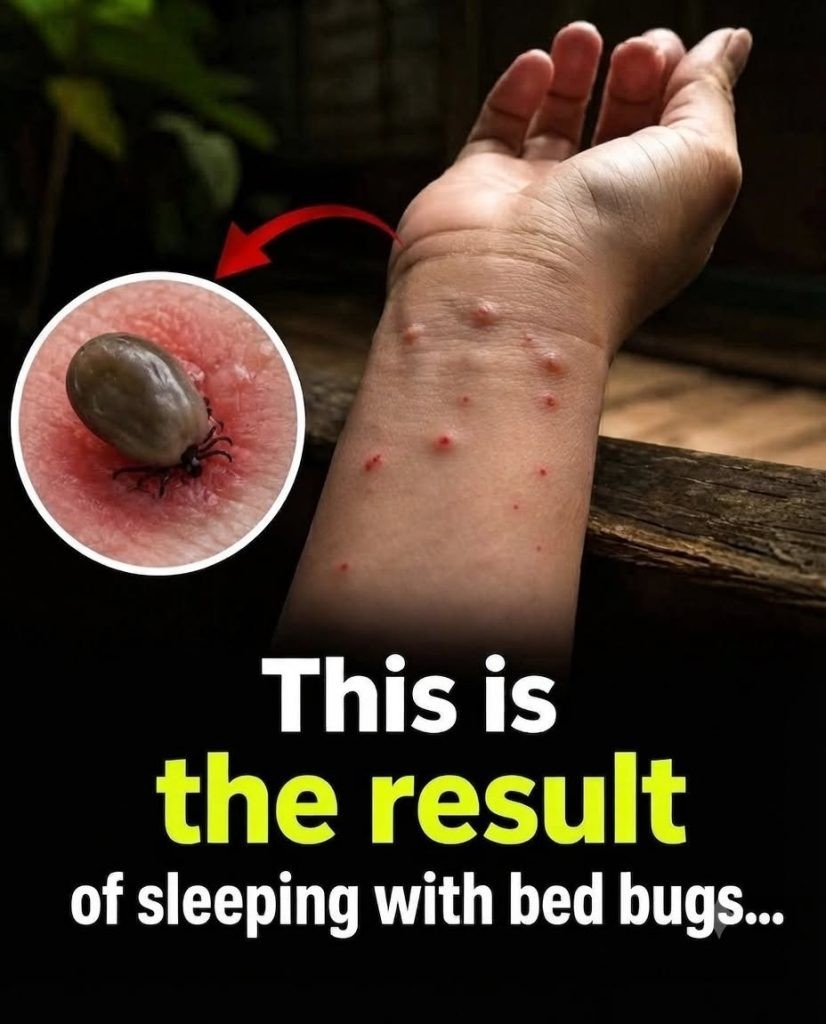
Bed bug bites are a hallmark sign of infestation, yet reactions vary greatly from person to person. Typical bites appear as red, itchy welts, often presented in clusters or lines on exposed skin areas like arms, legs, face, and neck. In some individuals, bites may be barely noticeable or delayed for several days. For others, significant swelling, irritation, or angry red marks can occur. Medical experts clarify that bed bugs are not associated with the transmission of infectious diseases. However, excessive scratching in response to severe itching can break down the skin barrier, potentially leading to secondary bacterial infections.
Other symptoms reported include anxiety, insomnia, and psychosocial stress, reflecting the emotional toll a persistent infestation can cause on individuals and households.
Other Signs of Bed Bug Presence
Bites are not the only indicator. Visible clues of bed bug activity include:
- Small rust-colored stains: These appear on mattresses, sheets, or pillowcases and result from crushed bed bugs or their droppings.
- Dark spots: Fecal matter, which can look like tiny ink dots, is usually found on bed frames, under mattress seams, or in cracks.
- Shed skins: As bed bugs grow, they shed their exoskeletons, leaving behind translucent shells.
- Live bed bugs: Careful inspection with a flashlight, especially at night, may reveal live insects scurrying in hiding places.
- Musty odor: In severe infestations, an unpleasant, sweetish scent may be noticeable.
Physical and Psychological Impact of Bed Bugs
While the physical effects of bed bug bites are typically mild and go away within a week or two, the psychological effects can be profound. According to mental health professionals cited by the Centers for Disease Control and Prevention (CDC), individuals facing a bed bug infestation often report difficulty sleeping, embarrassment, anxiety about social stigma, and in some cases symptoms related to post-traumatic stress.
The visible presence of bugs, combined with itching and uncertainty about entirely eradicating the pests, can significantly lower the quality of life. Prompt response and support are crucial to manage both the physical and emotional repercussions of an infestation.
Steps for Managing Bed Bug Infestations
Experts agree that immediate and systematic action is set for managing infestations. The following practices, when applied together, improve the chances of eliminating bed bugs:
- Thorough cleaning: Wash all bedding, clothing, linens, and curtains in hot water and dry on the highest heat setting. Items that cannot be washed (such as shoes or stuffed animals) can be placed in a dryer on high for at least 30 minutes.
- Vacuuming: Frequently vacuum mattresses, box springs, bed frames, carpets, and floor crevices. Dispose of the vacuum bag or clean the canister immediately after use.
- Clutter reduction: Removing clutter near beds and along walls helps reduce hiding spaces and assists with more thorough cleaning.
- Sealing hiding spots: Repair wall cracks, glue down loose wallpaper, and seal any gaps around baseboards and electrical outlets.
- Protective covers: Encase mattresses and box springs in specially designed bed bug-proof covers, which trap any survived bugs and prevent new ones from entering.
- Professional pest control: While do-it-yourself measures may help reduce the population, most experts from the Environmental Protection Agency (EPA) and CDC emphasize the need for professional pest management for complete bed bug eradication. Licensed exterminators may use a combination of chemical treatments, steam, heat, or freezing to target all stages of the bed bug life cycle.
Residents are also advised to notify landlords or property managers immediately in multi-family housing to coordinate efforts and prevent spread to adjacent units.
Preventing Bed Bug Infestations: Best Practices
Preventing an infestation remains the most effective strategy. Health authorities recommend the following proactive steps:
- Inspect hotel rooms: When traveling, check hotel bed and furniture crevices for signs of live bugs or stains before unpacking. Keep luggage elevated on racks or in bathroom areas.
- After travel: Unpack suitcases outside the main living area and launder all clothes in hot water immediately.
- Be cautious with secondhand items: Carefully examine used beds, mattresses, couches, and upholstered furniture before bringing them home.
- Regular home inspection: Periodically check beds, headboards, sofas, and room corners for signs of bed bug activity, especially in multi-unit dwellings.
Education and early detection are key factors in reducing widespread outbreaks and maintaining a healthy indoor environment.
International Perspectives and Societal Responses
Bed bug infestations are not limited by geography or socioeconomic status and have been reported in regions across the world. Major urban centers in North America, Europe, Asia, and Australia have experienced resurgence over the past two decades. Public health campaigns, research partnerships, and guidelines by the World Health Organization (WHO), the CDC, and national agencies now emphasize the need for a coordinated, science-based approach to monitoring and controlling bed bugs.
Some countries have developed comprehensive educational materials and subsidized pest management programs, especially for vulnerable populations such as those in shelters or public housing. Awareness campaigns play a significant role in removing stigma and encouraging reporting, which is essential for timely response and successful eradication.
Expert Views and the Ongoing Challenge
Scientists and public health experts continue to study new management techniques amid growing insecticide resistance seen in some bed bug populations. Research into novel non-toxic substances, integrated pest management (IPM), and the development of more advanced detection technologies is ongoing. Experts emphasize the value of community-wide strategies and ongoing vigilance to minimize outbreaks.
According to a joint statement from the CDC and EPA, public cooperation, professional intervention, and education represent the most effective ways to combat this persistent public health nuisance.
Conclusion
Bed bugs, while small, present a significant challenge due to their stealthy behavior, resilience, and the anxiety-provoking nature of their bites. Education about their habits, signs of presence, and methods for prevention and control is a fundamental part of community health. Vigilant inspection, thorough cleaning, and prompt professional intervention remain the best practice in addressing infestations. By staying informed and proactive, individuals and communities can significantly reduce the impact and risk of bed bug infestations.
Sources
- Centers for Disease Control and Prevention (CDC) – Bed Bugs
- U.S. Environmental Protection Agency (EPA) – Bed Bugs
- World Health Organization (WHO) – Bed Bugs
- Mayo Clinic – Bed Bugs
- BBC News – Bed Bugs
- Reuters
- The Guardian – Bed Bugs
Disclaimer: This content is intended for entertainment purposes only and is not based on real events.
