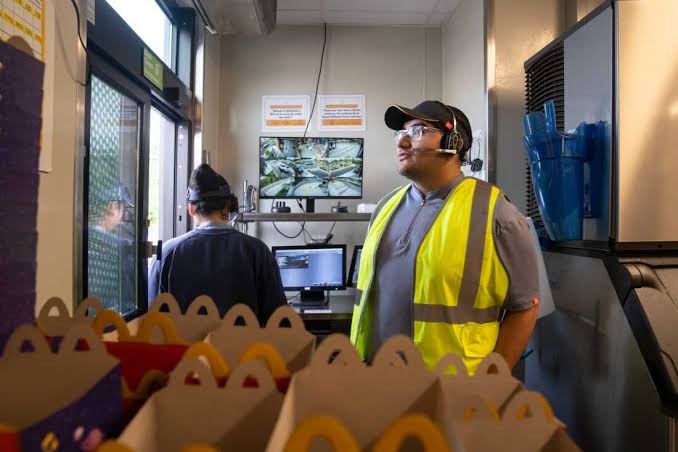

In June 2024, McDonald’s, the global fast-food giant, found itself at the center of an intense public scrutiny after a quickly spreading video exposed questionable hygiene practices at a branch in Brisbane, Australia. The incident, involving an employee drying a wet floor mop underneath a French fry heat lamp, sent shockwaves through social media and reignited public debate over food safety standards within major fast-food chains. This analysis examines the context, public reaction, expert commentary, and wider implications for the fast-food industry regarding this incident.
The Incident: What Happened at Brisbane’s McDonald’s?
The controversy ignited when a diner at the McDonald’s branch in Brisbane captured video footage of an employee drying a soaking wet floor mop under a heat lamp meant to keep French fries warm before serving. Eyewitness accounts suggest that the act was allegedly performed by a branch manager, intensifying concerns about the chain’s supervision and internal hygiene standards. Despite another member of staff verbally warning that the move posed a safety risk, the employee continued to dry the mop in close proximity to food awaiting customers.
The video, first shared with TMZ and then circulated widely across platforms such as TikTok, quickly garnered thousands of views and comments. The apparent disregard for standard food handling protocols resulted in widespread alarm among customers and industry observers alike.
Corporate Response: McDonald’s Australia Issues Statement
McDonald’s Australia was swift to respond as the video gained viral traction online. In an official statement, a company spokesperson described the behavior captured in the footage as “completely unacceptable.” The corporation asserted that corrective measures were implemented immediately after they became aware of the breach. Furthermore, the spokesperson reaffirmed that customer food safety and the maintenance of strict hygiene standards remain the top priorities for the company.
While details about the specific corrective actions were not publicly disclosed, McDonald’s emphasized their ongoing commitment to upholding robust sanitation and food safety regulations across all of their outlets. This is consistent with international operational guidelines maintained by the company, which typically include mandatory training on hygiene for all staff, regular audits, and strict enforcement of local food safety laws.

Public Outcry: Social Media and Customer Reaction
The video’s online dissemination sparked immediate outrage. TikTok users and other netizens swiftly condemned the incident, calling for the temporary closure of the implicated restaurant and demanding assurances that similar practices are not occurring elsewhere. Many expressed concern that the incident could be indicative of deeper, systemic problems within the fast-food industry, fueling debates about the transparency and reliability of hygiene practices behind kitchen doors.
Some users called for third-party food safety inspections and requested greater regulatory oversight of fast-food chains, while others pressed McDonald’s to increase transparency around its internal processes and to publicly detail remedial steps being taken in response to the Brisbane event.

Impact on Brand Reputation and Trust
The episode poses a significant challenge for McDonald’s, which has for decades invested heavily in cultivating a brand image synonymous with quality, predictability, and cleanliness. Consumers around the world rely on established fast-food chains to deliver not only consistent taste and service but also rigorous adherence to hygiene protocols. Any breach—especially one that becomes public knowledge—can severely undermine this trust.
Brand analysts note that, although McDonald’s has withstood various controversies over its long history, modern consumers are increasingly demanding accountability. Social media has dramatically heightened the impact and visibility of such incidents, giving dissatisfied customers and whistleblowers powerful platforms to voice their concerns instantly and widely.
The Importance of Food Safety and Hygiene in Fast Food
In the food service industry, the maintenance of strict hygiene standards is non-negotiable. Organizations such as the World Health Organization (WHO) and national public health authorities outline rigorous sanitation frameworks to protect consumers against foodborne illness and cross-contamination.
Health experts emphasize that drying mops or other cleaning tools in areas designated for keeping or preparing food can pose significant risks. Items used for cleaning floors frequently harbor bacteria and debris that can readily contaminate food if not handled properly. Frequent training for all staff, regular reminders about health standards, and visible enforcement of protocol are critical for preventing such errors.
Dr. Sharon Jacobson, an environmental health expert with Australian Food Standards, told local media, “Food service providers must ensure that nothing capable of introducing bacteria or physical contaminants comes into contact with food or food preparation areas. Any failure to follow basic food handling practices can put public health at risk.”
Regulatory Oversight and Industry Standards
McDonald’s and other global fast-food chains typically operate under strict regulatory oversight, requiring compliance with national food safety laws as well as company-specific standards that often exceed legal requirements. Australia’s Food Standards Code, for example, mandates clear separation of cleaning and food preparation zones, specifies routine staff training, and requires regular audits by internal and external inspectors.
In recent years, regulatory agencies in Australia and worldwide have worked to introduce tougher penalties for breaches and more frequent, unannounced inspections designed to deter lapses in food handling and facility cleanliness.
Failure to comply can result in fines, mandated closure for remediation, or even loss of operating licenses. In high-profile cases, general public trust and corporate reputation are also at stake, with potentially long-term ramifications for brand loyalty and financial performance.
Expert Opinions: How Can Such Incidents Be Prevented?
Food safety specialists argue that preventing such breaches requires a multi-layered approach:
- Comprehensive Training: Regular, updated training for all staff members, including managers, is necessary to ensure a strong understanding of food safety protocols.
- Management Accountability: Store managers set the tone for staff behavior. Ongoing supervision and retraining, particularly after breaches, are essential.
- Transparent Processes: Clear documentation and regular, independent hygiene inspections help build consumer confidence and reinforce internal standards.
- Whistleblower Protection: Encouraging employees to report lapses without fear of retaliation enables problem-solving before issues escalate publicly.
- Public Communication: Honest, prompt disclosure about errors and corrective actions can help brands rebuild consumer trust after an incident.
International and Societal Reaction
The Brisbane incident made headlines internationally, prompting discussion beyond Australia’s borders. In countries with high reliance on fast-food for affordable meals, such events can raise pressing questions about the broader pressures businesses face to balance speed, efficiency, and consistent quality.
Internationally, similar breaches in hygiene have occasionally affected other major quick-service chains, resulting in public calls for stronger oversight and innovation in food safety technologies such as remote monitoring, real-time digital audits, and automated reminders for staff.
Societal trust in prepared food providers is inherently fragile. Incidents like the one in Brisbane can highlight the gap between stated values and lived experience at the individual store level, spurring calls for systemic reform and more rigorous enforcement industry-wide.
The Path Forward: Lessons for McDonald’s and the Food Service Industry
For McDonald’s, the task is not just repairing the damage from this incident, but proactively demonstrating a renewed commitment to safety and transparency. This could include enhanced food safety campaigns, investment in new technology for monitoring hygiene compliance, and making detailed audit results more accessible to the public.
Broader industry lessons include the importance of:
- Clear and enforced separation between cleaning, waste management, and food preparation tasks
- Robust and regular staff education
- Greater consumer engagement about how food is kept safe
- Rapid response mechanisms when lapses occur
As the investigation into the Brisbane McDonald’s continues, consumers, employees, and regulators alike will be monitoring the chain—and its rivals—closely for evidence of systemic change and lasting improvement.
Conclusion
The viral video from a Brisbane McDonald’s has served as a stark reminder that food safety is paramount and must be enforced at every level of operation in the fast-food industry. Customer trust depends on strict, consistent hygiene practices and honest accountability when lapses do occur. As both public and official scrutiny continue, only time will tell how effectively McDonald’s and the wider quick-service sector responds to this call for vigilance and change.
Disclaimer: This content is intended for entertainment purposes only and is not based on real events.
