
A Quiet Ankle Can Hide a Loud Danger
What may present as a simple puffiness in your ankle or lower leg can sometimes mask more significant health concerns. Occasional leg swelling is common and often benign, but when this symptom becomes persistent, it demands closer attention. In this article, we delve into the possible causes of prolonged leg swelling and skin color changes, the underlying conditions that might drive them, the importance of seeking timely medical advice, and preventive measures recommended by experts.
Understanding Leg Swelling: Defining the Symptom
Leg swelling, or peripheral edema, describes the accumulation of fluid in the tissues of the lower extremities. This can manifest as puffiness, a sensation of heaviness, or visible stretching of the skin. While occasional swelling after a long day or due to minor injury is not unusual, continuous or increasing swelling—especially when combined with skin color changes—can suggest an underlying health condition that requires medical evaluation.
Common Causes of Persistent Leg Swelling
Multiple factors can contribute to leg swelling, ranging from lifestyle influences to medical diseases. It’s important to differentiate benign causes from those that signal a more serious issue.
Venous Insufficiency
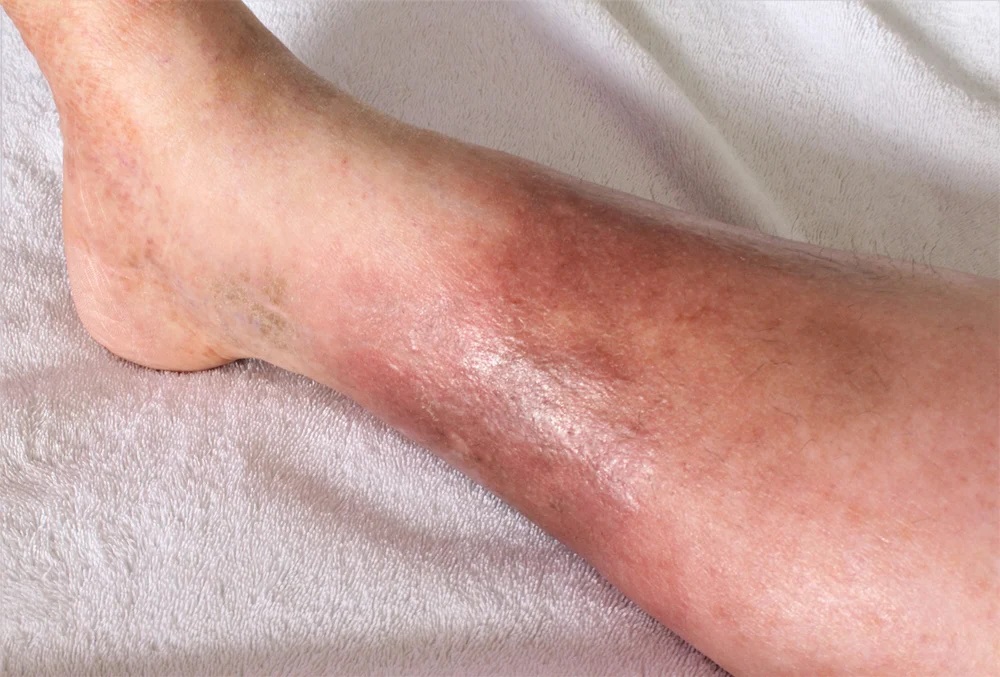
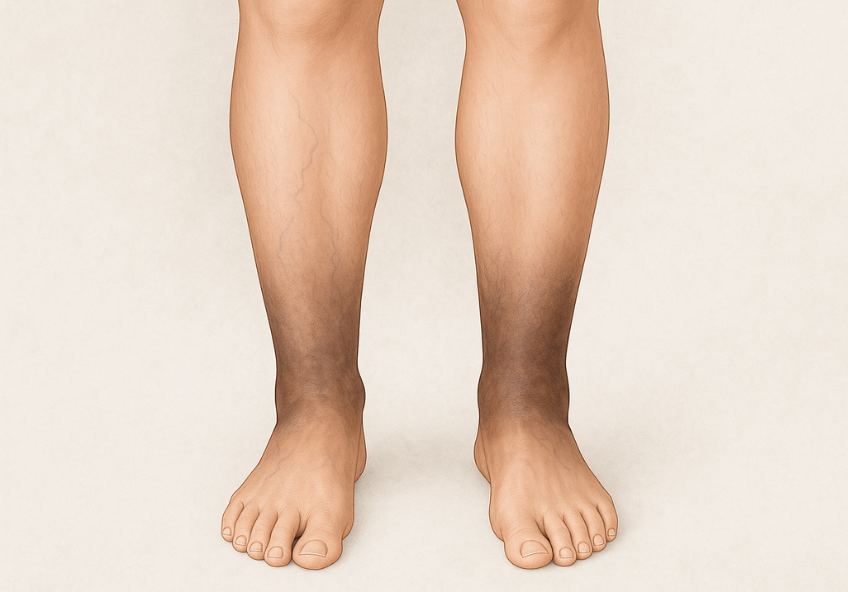
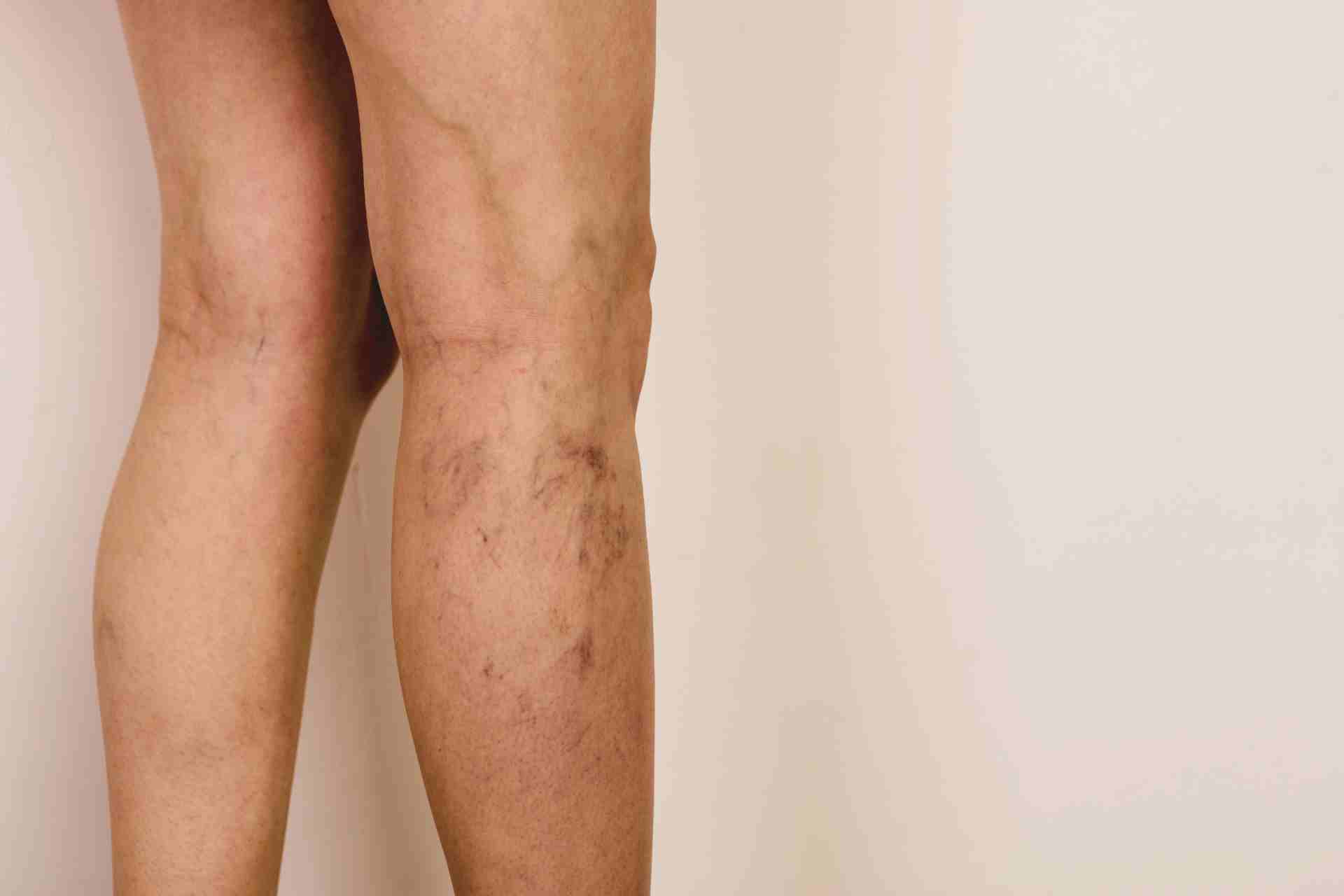
One of the most frequent causes of chronic leg swelling in adults is chronic venous insufficiency. This condition arises when veins in the legs lose their ability to efficiently return blood to the heart. As a result, fluid leaks into surrounding tissues, causing swelling. Over time, pooling of blood and increased pressure may result in skin changes, including darkening, dryness, or the formation of sores. Risk factors for venous insufficiency include age, obesity, standing or sitting for prolonged periods, and a family history of vein disease.
Lymphedema
Lymphedema refers to swelling resulting from the buildup of lymphatic fluid, usually caused by damage or blockage within the lymphatic system. This can occur after cancer treatments involving lymph node removal, certain infections, trauma, or as a congenital problem. Unlike swelling caused by veins, lymphedema often presents with a firm, non-pitting texture and may lead to recurrent infections and thickened skin over time.
Heart, Liver, and Kidney Diseases
Medical conditions affecting the heart, liver, or kidneys can also cause fluid retention in the legs. Heart failure, for example, impairs the heart’s ability to circulate blood, leading to blood backing up in the veins and resulting in swelling. Liver diseases, like cirrhosis, affect fluid regulation, while kidney disease diminishes the body’s ability to remove excess fluid, also leading to swelling.
Medications
Certain medicines, such as calcium channel blockers for blood pressure, nonsteroidal anti-inflammatory drugs (NSAIDs), steroids, and some diabetes medications, can lead to fluid retention as a side effect.
When Skin Color Changes Accompany Swelling
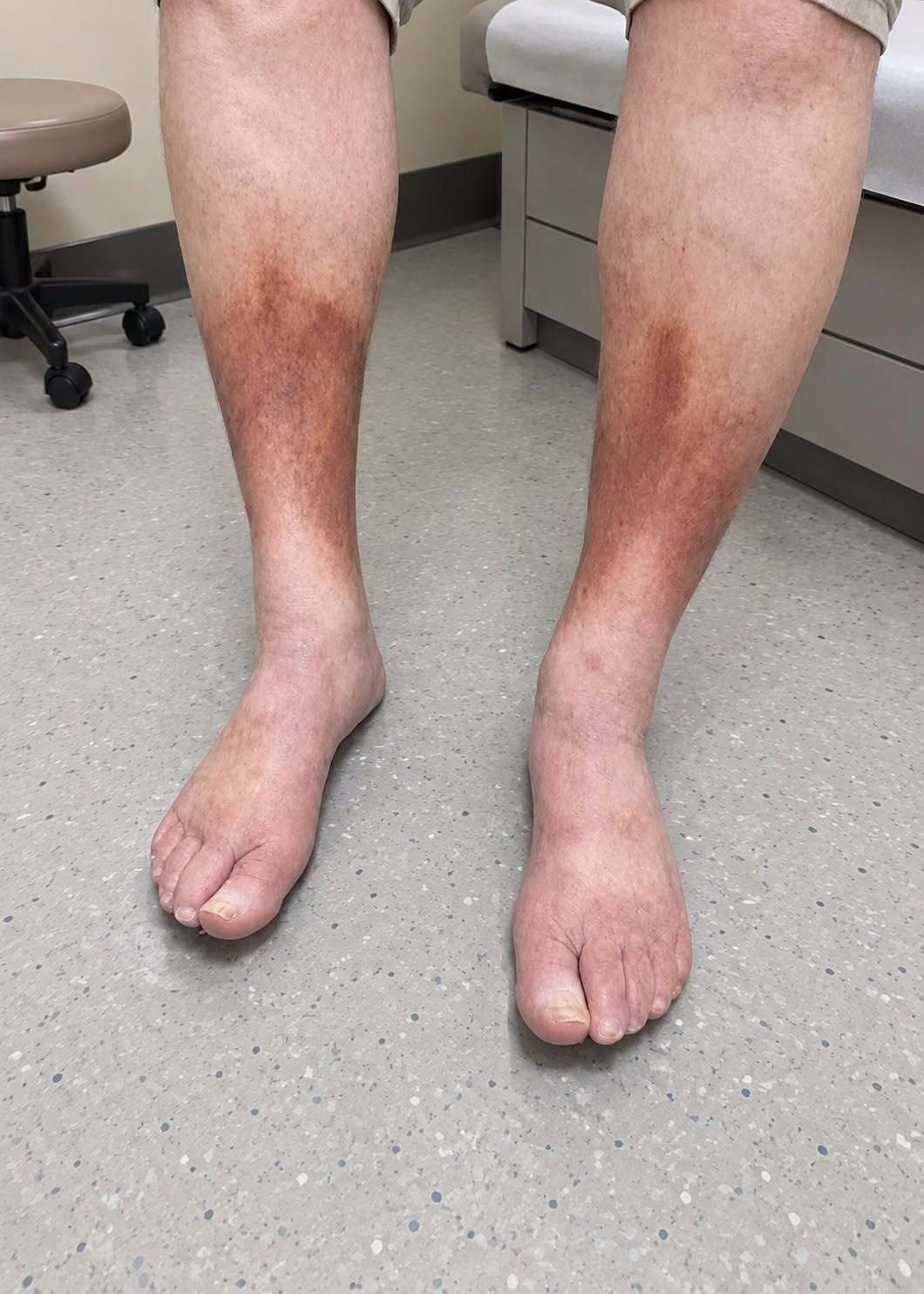
Changes in skin color, particularly darkening (hyperpigmentation), are key warning signs when paired with chronic swelling. Darkened areas, often brown or reddish, typically develop as a result of long-standing vein disease or lymphedema, and signal that the condition may have advanced. These changes can indicate damage to skin and underlying tissues, increasing risk for ulcers and infections. It’s also important to rule out other potential skin conditions, such as cellulitis (a bacterial skin infection), eczema, or even signs of blood clots.
Expert Opinions: Why Early Recognition Matters
Health professionals stress that early detection and management of persistent leg swelling can prevent potentially serious complications. Dr. Sarah Collins, a vascular medicine specialist, notes, “Ignoring ongoing swelling and skin changes increases the risk of infection, ulceration, and in some cases, can be a sign of dangerous conditions like deep vein thrombosis or heart failure.” Early consultation can help identify the cause, mitigate progression, and tailor treatment strategies to prevent long-term harm.
Warning Signs That Warrant Medical Attention
Certain symptoms that accompany leg swelling require prompt medical assessment. Seek medical attention if you experience:
- Sudden, severe swelling or pain in the leg
- Shortness of breath or chest pain
- Redness, warmth, or tenderness in the swollen area
- Skin ulcers, blisters, or rapidly changing skin color
- Swelling accompanied by unexplained fever
These symptoms may indicate conditions like blood clots (deep vein thrombosis), cellulitis, or pending heart failure, all of which require urgent intervention.
Diagnosis: What to Expect from Your Doctor
Diagnosing the underlying cause of persistent leg swelling and skin darkening often begins with a thorough history and physical examination. Your healthcare provider may ask about symptom duration, associated pain, medication use, and general health. Diagnostic tests may include:
- Blood tests to evaluate liver and kidney function, and rule out infections
- Ultrasound of the legs to assess for venous insufficiency or blood clots
- Electrocardiogram (ECG) and other heart assessments for suspected heart disease
- Lymphoscintigraphy, an imaging test, for suspected lymphedema
Research and Recent Developments
Over the past decade, research has significantly improved the understanding and management of chronic leg swelling. Advances in minimally invasive vascular procedures, better imaging technologies, and new drug therapies have contributed to better outcomes for patients. Public health efforts also focus on raising awareness about early symptoms and the importance of preventive care, particularly among high-risk populations such as those with obesity, diabetes, or a familial predisposition to vascular disease.
International Perspectives and Societal Implications
The incidence and causes of persistent leg swelling can vary across different regions and populations due to factors such as lifestyle, access to healthcare, and prevalence of chronic diseases. For instance, developing countries may see more cases related to infectious causes of lymphedema, while developed nations report higher prevalence of venous insufficiency and cardiovascular causes linked to aging populations. Awareness programs and early diagnosis remain central to public health strategies worldwide.
Preventive Measures and Lifestyle Modifications
Experts recommend several strategies to reduce the risk of persistent swelling and related complications:
- Engage in regular physical activity to improve circulation
- Elevate legs periodically to reduce pressure and encourage blood flow
- Maintain a healthy weight
- Avoid prolonged periods of standing or sitting
- Wear compression stockings if recommended by a healthcare provider
- Monitor and manage chronic conditions such as diabetes, hypertension, or heart disease
Smoking cessation and moderation of alcohol use can further reduce risk, as both are linked to blood vessel health.
Treatment Options
Treatment depends on the underlying cause as determined by medical evaluation. Options may include:
- Medications to control underlying conditions (e.g., diuretics for heart failure, antibiotics for infection, or medications to improve vascular function)
- Physical therapies such as manual lymphatic drainage for lymphedema
- Minimally invasive vascular procedures for venous insufficiency
- Wound care for ulcers or damaged skin
Regular follow-up is essential to monitor effectiveness and adjust treatment plans as necessary.
The Bottom Line: When to See a Doctor
While mild, temporary swelling is often harmless, persistent or worsening leg swelling—especially when associated with skin changes—should not be ignored. Recognizing early warning signs, seeking timely advice, and following expert-recommended preventive measures can help you maintain better health and quality of life. If in doubt, consult a healthcare provider for a thorough assessment and personalized care.
Disclaimer: This content is intended for entertainment purposes only and is not based on real events.
