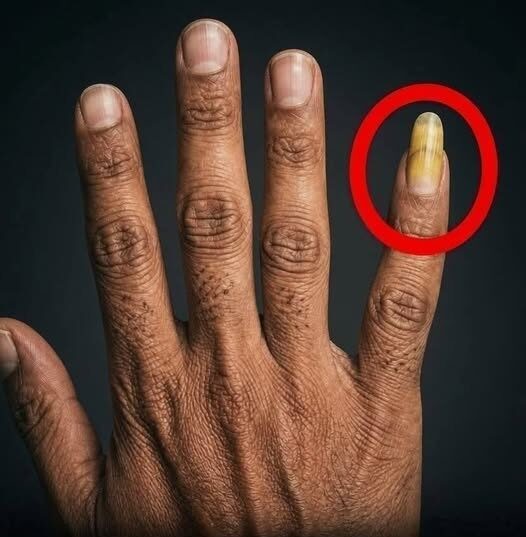

The practice of keeping a single fingernail—most commonly the pinky—noticeably longer than the others sparks curiosity and speculation in many societies. While it is a small and subtle choice in personal grooming, it has attracted both attention and theorizing about its meaning. Observers often wonder whether such a nail hints at tradition, personal style, utility, or something more mysterious. However, recognizing the complexities behind this habit reveals that there is no simple explanation. The reasons are rooted in cultural history, professional needs, practical utility, personal preferences, and social perceptions.
Historical and Cultural Significance
A Symbol of Status and Privilege
Throughout history, the appearance of the hands has been used as an indicator of social position, particularly in cultures where manual labor was prevalent. In various parts of Asia, such as China and Vietnam, a long pinky nail was considered a badge of distinction. It communicated that the wearer did not perform hard physical work, as delicate, elongated nails would easily break during manual tasks.
For centuries, aristocrats and scholars would deliberately grow one or more fingernails, especially the pinky, to signal their elevated social status. This visual marker separated them from those whose daily activities demanded robust, trimmed nails. In some royal courts and among the literati, caring for a long fingernail became part of the broader system of maintaining a refined physical appearance.
Surviving Traditions in Modern Times
While modernization and shifting cultural values have reduced the visibility of this custom, remnants of the tradition persist. Familial influence and generational continuity mean that even today, some individuals retain a long pinky nail as part of inherited behaviors without active awareness of its origins. Certain communities and regions continue to regard the practice as a harmless and unique detail in personal grooming, disconnected from older meanings.
Practical Uses: Musicians and Everyday Tools
Musical Purposes
The maintenance of longer fingernails has practical applications in the world of music, especially among players of stringed instruments. Guitarists, classical musicians, and folk performers sometimes use their nails as natural picks or tools for striking and plucking strings. A longer nail can produce specific tones and facilitate intricate techniques unattainable with shorter nails or artificial picks.
This approach is particularly common among classical guitarists and certain traditional performers, including those in Asian musical styles. Musicians may intentionally grow their nails to precise lengths, carefully file and shape them, and incorporate nail care into their overall regimen. For these individuals, the nail is less a statement of self-expression and more a component of their instrument—a functional tool embedded within their artistic practice.
Utility in Daily Life
Beyond musical uses, a longer fingernail occasionally serves as a handy tool in everyday activities. People might use the nail to open packaging, lift tabs, scratch off labels, or manipulate small objects that require precision. Over time, this practical benefit can develop into an ingrained habit, where the loss of the long nail disrupts routine. For some, it becomes a personal adaptation that eases daily tasks and lends a sense of efficiency to small challenges.
Personal Style and Grooming Preferences
Personal grooming is inherently diverse. Haircuts, jewelry, tattoos, and clothing all contribute to individual style, and nails are no exception. For many people, the choice to keep one nail long is simply a matter of aesthetics. It may convey a preference for asymmetry, uniqueness, or personal flair.
Some find the appearance appealing, whether for artistic reasons or as a subtle reflection of individuality. The nail can become part of an unspoken routine—maintained without conscious thought or attachment to tradition or practicality. As with other forms of self-expression, the longest fingernail may be a habitual feature, much like wearing a favorite ring or bracelet.
The Influence of Social Media and Stereotypes
In recent years, social media platforms have amplified the visibility of unique grooming habits, quickly attaching meanings—often inaccurate or exaggerated—to them. Viral posts and memes commonly speculate on the supposed symbolism of a single long nail, assigning roles, backgrounds, or lifestyles with little factual basis. Despite such claims, the practice continues to resist simple interpretation.
It’s essential to recognize that outward appearances, especially details as minor as a fingernail, can rarely provide direct insight into a person’s character or lifestyle. Two individuals may share the habit for entirely different reasons: one may be a musician, another following family tradition, and a third simply enjoys the look. Overgeneralizing or perpetuating stereotypes based on minimal evidence can lead to misunderstandings and unwarranted judgments.
Hygiene and Health Considerations
Maintenance and Cleaning
Keeping a fingernail longer than the others necessitates added care. Nails naturally accumulate dirt and microorganisms underneath, which can pose risks if not regularly cleaned. Health experts emphasize that good nail hygiene is critical, especially with elongated nails, to reduce chances of bacterial or fungal contamination. Washing hands thoroughly and cleaning under the nail should become part of the daily routine, complemented by regular trimming and attention to nail integrity.
Nail Health and Potential Problems
While simply having a long nail does not cause health issues by itself, changes in nail appearance or structure can signal underlying medical concerns. Symptoms such as persistent discoloration, unusual thickening, brittleness, splitting, or separation from the nail bed can point to possible fungal infections, trauma, or systemic health conditions.
The Centers for Disease Control and Prevention (CDC) and Mayo Clinic recommend monitoring nails for abnormal changes and seeking professional advice if symptoms persist. Timely intervention can help diagnose and treat conditions before they become severe. It is also important not to confuse deliberate nail length with medical problems unless there are accompanying signs.
Global and Societal Perspectives
The meaning and significance of nail grooming practices vary widely across cultures, generations, and social groups. In Western societies, the custom is less prevalent and often interpreted as an expression of personal uniqueness or practicality. In some Southeast Asian countries, remnants of the old regard for nail length as a status indicator remain, though usually without strict rules.
In professional settings, visible grooming choices may trigger curiosity, but respect for diversity means assumptions are discouraged. The rise of global communication and changing norms dilute the significance attached to such habits, leaving their interpretation open and flexible.
Expert Opinions
Experts in anthropology, sociology, and dermatology point out that visible personal habits such as nail length are often influenced by layers of meaning—from overt symbolism to subconscious routine. Anthropologists note that outward appearance can serve as a form of informal communication, signaling (intentionally or not) one’s group or values. Sociologists stress the importance of avoiding overinterpretation or stereotyping, advocating for understanding individual motivation.
Dermatologists and health professionals further emphasize the importance of hygiene and monitoring for changes, especially for those who maintain longer nails. Personal style should not compromise health, and fostering awareness ensures both safety and satisfaction with grooming habits.
The Most Common Explanation: Habit and Preference
Despite all theories, the most frequent explanation for a single long nail is simply that it became an established habit. The person may have started growing it for practical reasons or aesthetics, and continued for years without ever reconsidering. Often, there is no deeper meaning—no hidden tradition, social status, or profession involved. Like countless other grooming choices, it is a personal decision that varies from one individual to another.
By understanding the wide range of possible explanations, society can avoid turning a harmless personal choice into unwarranted speculation or stereotype. Recognizing the diversity of motivations enriches cultural awareness and fosters respect for individual differences.
Conclusion
The tradition of growing one fingernail longer than others carries a colorful history and diverse meanings. Whether rooted in cultural status, musical practice, everyday utility, or simple personal preference, this minor aspect of appearance reveals how small details can carry significance and spark curiosity. The most respectful and informed approach is to view such habits as unique and individual, not as definitive markers of character or background. Awareness of hygiene, attention to health, and avoidance of stereotypes contribute to a balanced understanding of this unusual habit. Whether it is a remnant of tradition, a practical tool, or an element of style, the long fingernail remains a fascinating example of personal expression.
Disclaimer: This content is intended for entertainment purposes only and is not based on real events.
