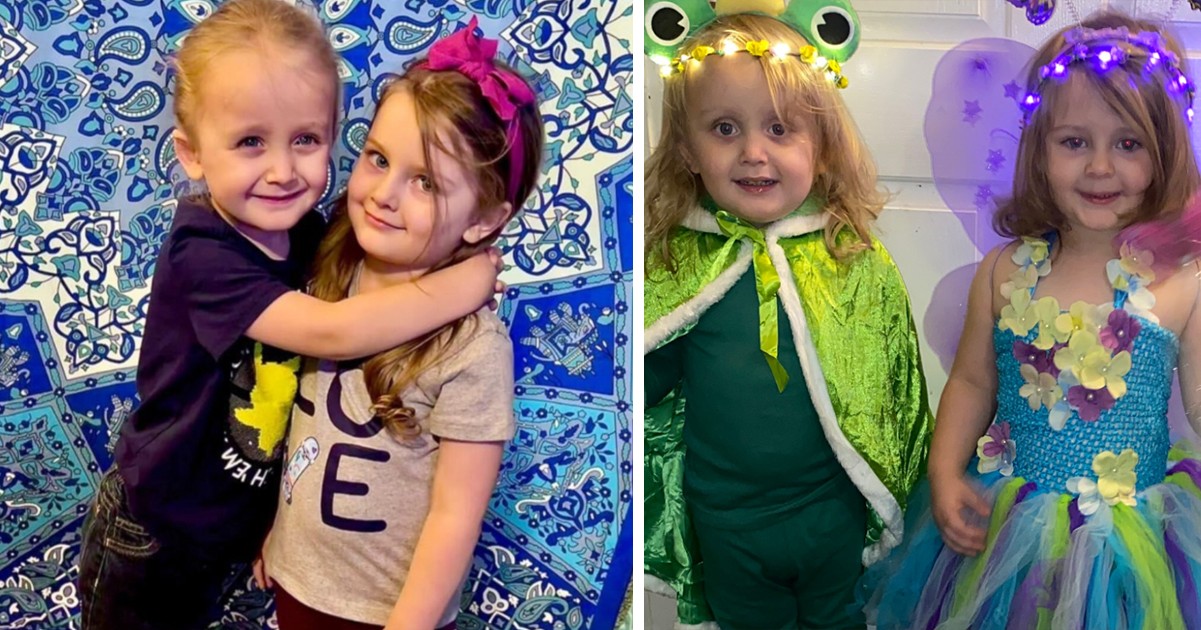

A Grieving Mother’s Warning: The Hidden Dangers of Cedar Toy Chests After Tragic Loss of Twin Daughters
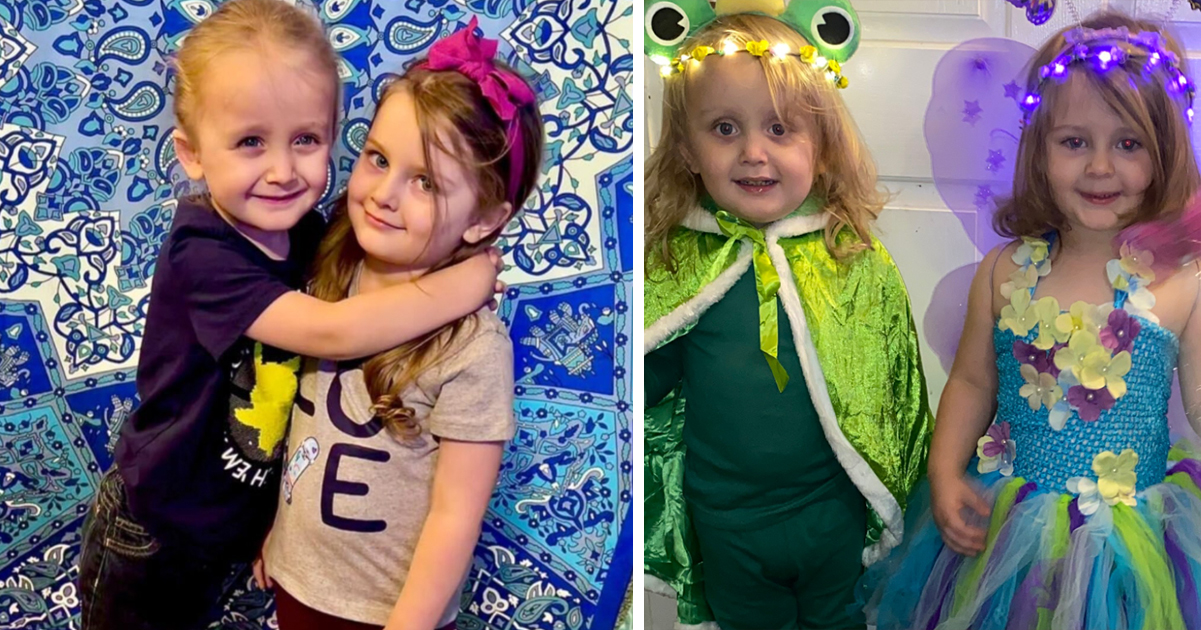
The inconceivable loss of children shakes a family to its core. In 2023, Sadie Myers and Don Starr experienced this unimaginable pain when their twin daughters, Kellan and Aurora, tragically passed away in a preventable accident involving a cedar toy chest within their own home. The harrowing event not only devastated their family but also prompted Sadie to issue a heartfelt public warning in hopes of preventing similar tragedies in other households. This article delves into the details of the incident, expert commentary on furniture safety, international responses, and crucial steps parents can take to create safer homes.
The Heartbreaking Incident: How the Tragedy Occurred
The night of the incident followed a typical routine for the Myers-Starr household. Sadie, at work for the evening, returned after her husband, Don, had already put the children to bed. That night, everything seemed normal. However, during the course of the evening, it is believed that Kellan and Aurora quietly got up from their beds, possibly in a playful mood, and made their way to the cedar chest used to store stuffed animals in their room.
Sadie recounted the twins pulling out most of the stuffed animals, crawling inside the wooden chest, and cuddling up together to fall asleep. According to her heartfelt post on social media, “Friday night, the weird place they decided to snuggle up and go back to sleep was in their cedar toy chest that we use to store all their stuffed animals.” The twins, head to toe and arms over one another, seemed simply to be sharing a cozy, imaginative moment as only siblings can.
Tragically, what began as childlike adventure turned deadly. Sadie described what she believes happened next: “Sometime during their sleep one of them must have moved or kicked during a dream and it caused the lid of this old wooden cedar chest to close.”
Unbeknownst to them, the chest was designed in such a way that once closed, it formed an airtight and soundproof seal. “Something I did not know and I’m sure many others don’t know is that most wooden toy chests once closed are AIR TIGHT and also sound proof,” Sadie wrote online. While the twins slept, their oxygen was steadily depleted within the sealed confines of the chest, leading to their quiet passing in their sleep. There were no cries for help, no sudden noises—just a heartbreaking, silent accident that experts confirm is a hidden danger in many homes.
The Devastation Felt by the Family
The following morning, the twins were not in their beds. A sibling searching the home discovered them in the toy chest. Childlike innocence led the sibling to believe Kellan and Aurora were just “silly, sleeping in the toy box.” It was only when Sadie rushed to check that the devastating truth became apparent. “Within a few seconds I knew something wasn’t right, but I also quickly realized it was already too late… It makes no sense to me and never will…” she later shared, urging others to destroy similar chests immediately to spare others such loss.

Don Starr, their father, waited to openly share his grief, struggling with the surreal pain. Eventually he wrote, “My beautiful family was stricken by tragedy — the loss of our beautiful perfect twins.” He called on friends, family, and the wider community for support, emphasizing the enduring love for his lost daughters and the urgent need for awareness and prevention among other families.
Understanding the Risks: The Dangers of Traditional Cedar Chests
While toy chests and hope chests have been cherished heirlooms and storage solutions for generations, their design can create unintended hazards. Many older chests, especially those built before 1987, feature heavy lids without safety hinges and air-tight seals, risks not commonly discussed in parenting resources.
According to the U.S. Consumer Product Safety Commission (CPSC), dozens of children have suffocated after becoming trapped inside cedar chests, trunks, and other airtight wooden containers over the decades. In many incidents, the chests’ original hardware allowed them to lock automatically or remain sealed unless opened from the outside. If a child climbs inside, the risk is not just mechanical entrapment but depleted oxygen and suffocation within minutes to hours, with virtually no external signs or sounds to alert caregivers.
Following multiple such suffocation deaths, agencies like the CPSC and organizations including Safe Kids Worldwide and the American Academy of Pediatrics have continually called on manufacturers and families to ensure toy chests are safe or removed entirely from children’s spaces.
Expert Recommendations for Toy Chest and Furniture Safety
Experts identify several specific hazards with older cedar chests:
- Airtight Seal: Many antique and even some modern chests can become airtight when closed, posing a suffocation risk to anyone, especially children, who might hide or fall asleep inside.
- Heavy Lids: Lids without slow-close mechanisms can fall shut, either due to a child’s movements or because of their weight, trapping the child inside.
- Locking Mechanisms: Many chests can self-latch or lock from the outside, preventing children from escaping without outside assistance.
The CPSC recommends households with children to:
- Replace or remove any chests with latching or locking mechanisms, or permanently disable those features.
- Install safety hinges that keep lids propped open, require adult strength to close, and prevent accidental slamming.
- Drill several ventilation holes in existing chests to help prevent airtightness, or remove such chests from children’s rooms altogether.
- Choose open-top or soft-lidded storage options instead of traditional trunks for toy storage.
- Discuss furniture safety with children and ensure other family members and caregivers are aware of hidden household risks.
Dr. Benjamin Hoffman, chair of the American Academy of Pediatrics’ Council on Injury, Violence and Poison Prevention, states: “Most parents don’t consider furniture a hazard until tragedy strikes. Updating or removing hazardous furniture is a crucial part of childproofing a home.”
Prevention: Childproofing and Awareness in the Home
Childproofing goes beyond outlet covers and stair gates. As tragic incidents like the Myers-Starr case show, common items—especially older furniture—can harbor less obvious dangers. Parents and caregivers can take specific actions to reduce risk:
- Conduct a thorough home safety check at least annually, focusing on “heirloom” or reused furniture.
- Move toy chests and trunks with lids out of children’s play and sleep areas.
- When storing any item for children, favor transparent bins or open shelving to minimize entrapment risks.
- Educate children about the dangers of hiding or playing inside storage furniture.
- Secure public and shared spaces, such as daycare centers or grandparents’ homes, and check for similar hazards.
Additionally, recall information and safety alerts can be regularly reviewed on the CPSC website, which lists affected models and offers retrofit kits for some chest manufacturers.
Broader Impacts: International Safety Regulations and Societal Response
The heartbreaking loss of Kellan and Aurora echoes a series of similar incidents worldwide, sparking calls for updated regulations and increased public awareness. In the United States, the CPSC has issued several recall notices for Lane and other brands of cedar chests following multiple fatal incidents since the 1990s. Many manufacturers now produce toy boxes with ventilation holes, lightweight lids, and finger-pinch prevention features.
Globally, safety standards differ. In the European Union, the General Product Safety Directive requires child-related products to be tested for suffocation and entrapment risks. Similar legislation in Australia and Canada encourages manufacturers to design with child safety in mind.
Community responses often include local news campaigns and nonprofit drives to distribute free safety hinges or retrofit kits, as well as children’s hospital-led educational seminars for parents.
Sadie Myers’ candid sharing of her family’s loss resonated across social media, with widespread expressions of support and gratitude for raising awareness. Her appeal—”I hope knowing this helps in some way, and I hope if you have a toy box like this that you destroy it immediately!”—serves not only as a call to individual families, but also to manufacturers and policymakers to prioritize child safety in home environments.
Moving Forward: Honoring Kellan and Aurora by Preventing Future Tragedies
The loss of the twins highlights a critical issue that often goes unnoticed in everyday discussions about childproofing. By bringing their story to public attention, the Myers-Starr family has undoubtedly helped prevent further tragedies. Their experience underscores the vital importance of proactive safety measures and staying informed about potential household hazards.
Parents, caregivers, and communities can honor Kellan and Aurora’s memory by advocating for safer homes, educating others about hidden risks, and supporting initiatives aimed at improving home product standards. Simple, informed changes can save lives and spare families from unimaginable grief.
At its core, this tragedy is a profound reminder of the care all families must take to ensure every element of a child’s environment is as safe as possible. Through awareness and action, similar heartbreak can be averted in the future.
Disclaimer: This content is intended for entertainment purposes only and is not based on real events.
