
The Enduring Mystery of Hospice Care: Revisiting the Human Experience of Final Moments
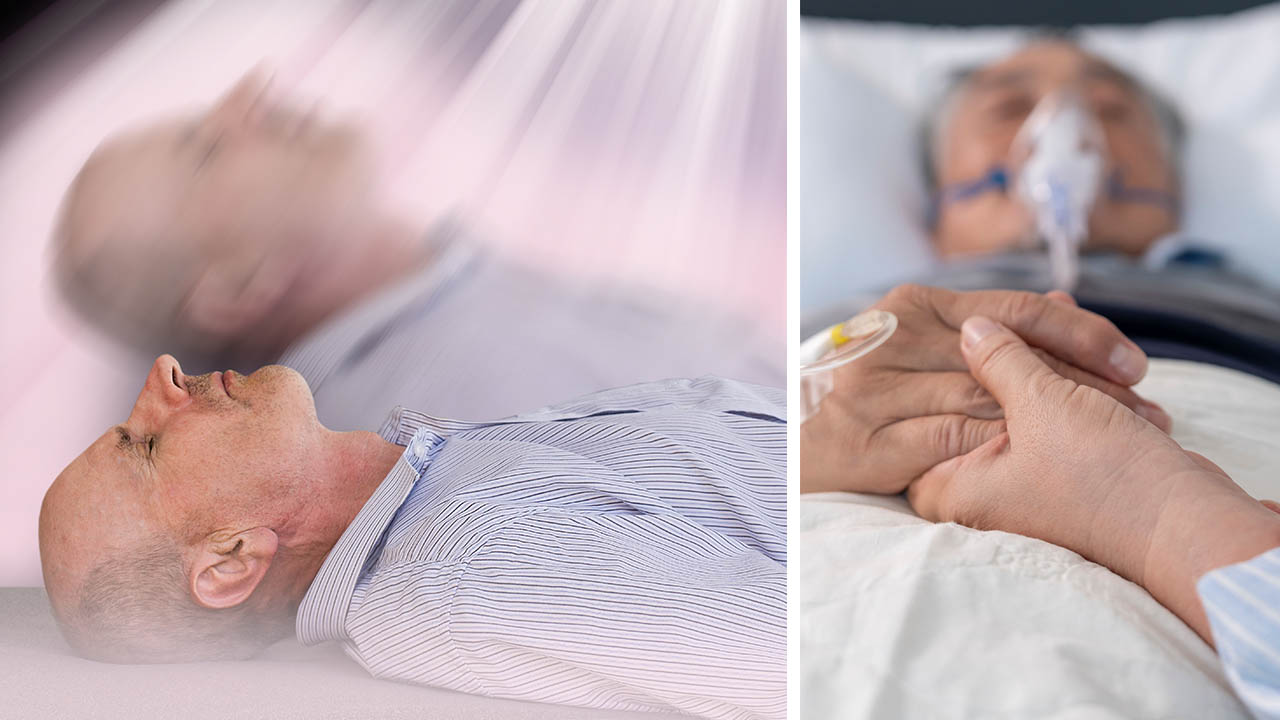
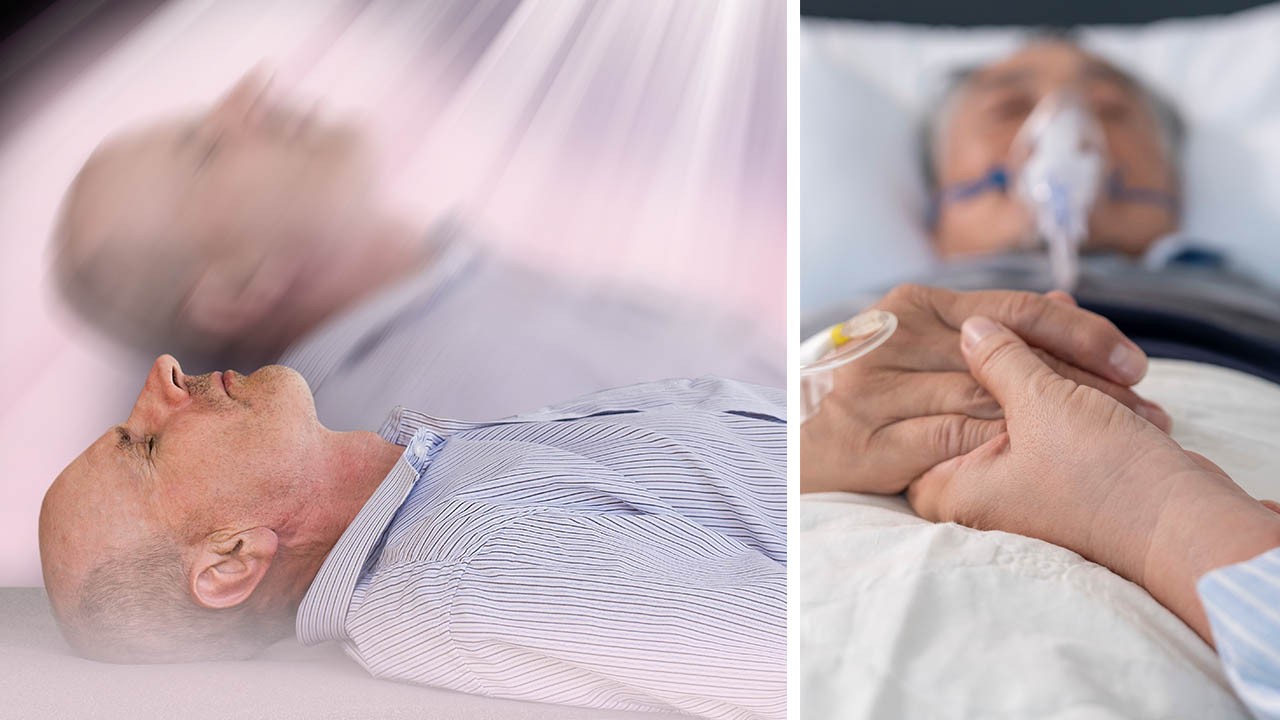
Every day, hospice nurses work in the threshold between life’s closing chapters and those witnessing them. Within quiet patient rooms, stories unfold that blend gentle care with an age-old question: what happens in our final moments? Neal K. Shah, co-founder and CEO of CareYaya Health, found himself asking this question repeatedly throughout his career—an inquiry shared by both health professionals and families alike.
Hospice care is a compassionate response to life’s concluding stage. Dedicated nurses guide patients and their loved ones with presence, comfort, and wisdom gained from countless bedside hours. Through these interactions, a particular observation has emerged: patients often utter a single, meaningful word during their last hours.
The Word That Resonates: “Mum”
In hundreds of accounts, hospice professionals and researchers have noticed that patients frequently reach for those who cared for them from birth, most often their mothers. Amid medical observations and academic studies, the consistent utterance of “mum” in final moments has sparked curiosity and wonder.
Neal K. Shah comments, “There’s one word hospice nurses hear again and again in a person’s last 24 hours. Once you learn what it is, it stays with you forever.” This simple word carries complex emotional weight, bridging childhood memories, feelings of security, and ancestral ties.
Scientific Perspectives: Dreams, Visions, and Neurological Pathways
Beyond anecdotal evidence, a decade-long study led by neurobiologist Dr. Christopher Kerr at a facility in New York tracked over 1,400 patients. The research revealed that more than 80% experienced vivid dreams or comforting visions in their final days. These visions were not merely whimsical; they evoked a sense of peace, often recalling faces or memories from early life.
Dr. Kerr’s findings align with Shah’s reflections. He speculates, “The oldest and most primitive parts of the brain are often the last to fade. The wiring for mother—the first face you ever loved, the first voice that calmed you—is buried deep. As the body gently transitions, the dying brain reaches back for the very first safe place it ever knew.”

Myth, Culture, and Symbolism
Across civilizations, the bond with one’s mother occupies a central place in myths and stories. Ancient cultures often described the mother figure as a source of protection and guidance, particularly at pivotal moments. From Greek lore to Eastern traditions, there exists a shared poetic theme: in times of uncertainty or transition, people seek the comfort represented by a maternal presence.
Even in modern narratives, the concept of “returning home”—whether physical or emotional—echoes ancestral wisdom. The repeated appearance of “mum” aligns with deep, cross-cultural archetypes about birth, nurture, and belonging.
The Role of Hospice: Comfort, Connection, and Dignity
For families facing loss, the experience can bring profound uncertainty. Hospice nurses offer gentle guidance, balancing expert care with heartfelt empathy. Observations by professionals like Neal K. Shah are not meant to mystify, but to provide insight and reassurance. Shah notes that if a patient calls for their own mother, or reaches toward someone unseen, they are likely not confused but, perhaps, gently transitioning.
Shah emphasizes three important matters for families:
- Understanding the Call: When a patient calls for their mother, it’s not confusion—it may be a reflection of deep-seated comfort and safety.
- The Importance of Acceptance: Telling a loved one that their mother is still with them—even symbolically—can offer peace. There is no need to correct or rationalize; simply acknowledging the experience can be healing.
- Value in Presence: Sitting with a loved one in these moments, offering support and quiet companionship, is one of the most important acts any human being can do.
Balancing Science and Human Experience
While science offers explanations for these behaviors—such as neural pathways and subconscious memories—it is equally important to appreciate their emotional significance. Families often report feelings of comfort when witnessing such events, knowing that loved ones may be experiencing gentle transitions rather than distress.
Hospice care, rooted in both medical practice and human empathy, continues to evolve. Ongoing research aims to further understand these phenomena, examining how dreams and visions contribute to peace and closure in final moments. Shah’s account, reinforced by academic studies, underlines the blend of ancient instinct and modern compassion that hospice embodies.
Cultural Variations: Maternal Visions Around the World
In Japan, spiritual traditions speak of ancestors guiding the dying. In Ireland, stories often depict family members, especially mothers, as welcoming figures at life’s threshold. In India, the mother’s presence is sometimes seen as a symbol of ultimate peace. Despite cultural nuances, the theme of seeking a maternal figure during transitions persists, suggesting a universal longing for safety at life’s edges.
Reflection: Human Curiosity and the Unexplained
The boundary between myth and science may narrow or expand, but human curiosity endures. What is certain is the comfort that such observations offer—both to patients and to those who continue to ask, to search, and to learn. The recurring call for “mum” remains a profound reminder of our first connections, of the cyclical nature of care, and of how—in the end—curiosity and compassion guide us towards peace.
Whether observed as a psychological phenomenon, a cultural myth, or a neurological echo, this mystery remains: at the edge of life, humans reach backward and forward, seeking the stories and connections that have always brought meaning. In the gentle work of hospice care, these mysteries are honored, not solved, as part of the enduring adventure of human experience.
Disclaimer: This content is intended for entertainment purposes only and is not based on real events.
