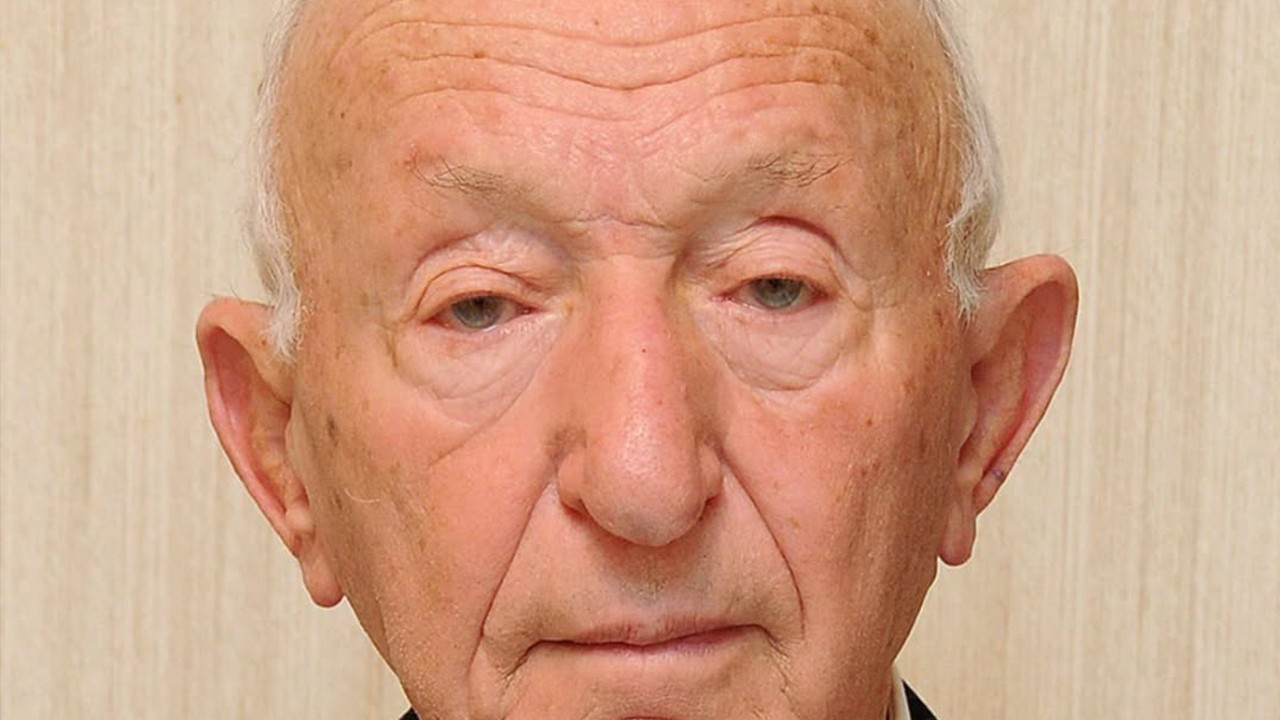

The Enduring Legacy of Yehuda Aharon Widawski: Memory, Remembrance, and Human Curiosity
The horrors inflicted by the Nazis on millions of innocent people can sometimes feel like they belong to another lifetime.
But the people who survived them are still among us — carrying memories that must never be forgotten.
Now, another remarkable voice from that generation has fallen silent.
A Journey Through History—From Darkness to Light
On a quiet morning, the news spread through Israel: Yehuda Aharon Widawski, one of the nation’s oldest Holocaust survivors, has passed away at the age of 107. For many, his story is more than a testament of endurance—it’s a thread which connects the present to the lessons of the past. The echoes of his experiences, once shared in interviews and family gatherings, invite us to reflect not only on suffering and loss but on resilience, hope, and the power of memory.
Born in the Polish town of Turek in 1919, Widawski’s early years were shaped by a vibrant Jewish family life and a bustling textile business in Łódź. When the shadow of Nazi occupation fell, life would change forever, forcing the family and their community into the confines of the Łódź Ghetto.
The Final Transport
Yehuda’s survival against all odds marked him as a living bridge between eras. On August 29, 1944, he and his brother Yehoshua were taken in the last transport from the Łódź Ghetto to Auschwitz-Birkenau—a journey that claimed the lives of their parents, siblings, and countless others. Only Yehuda and Yehoshua survived.
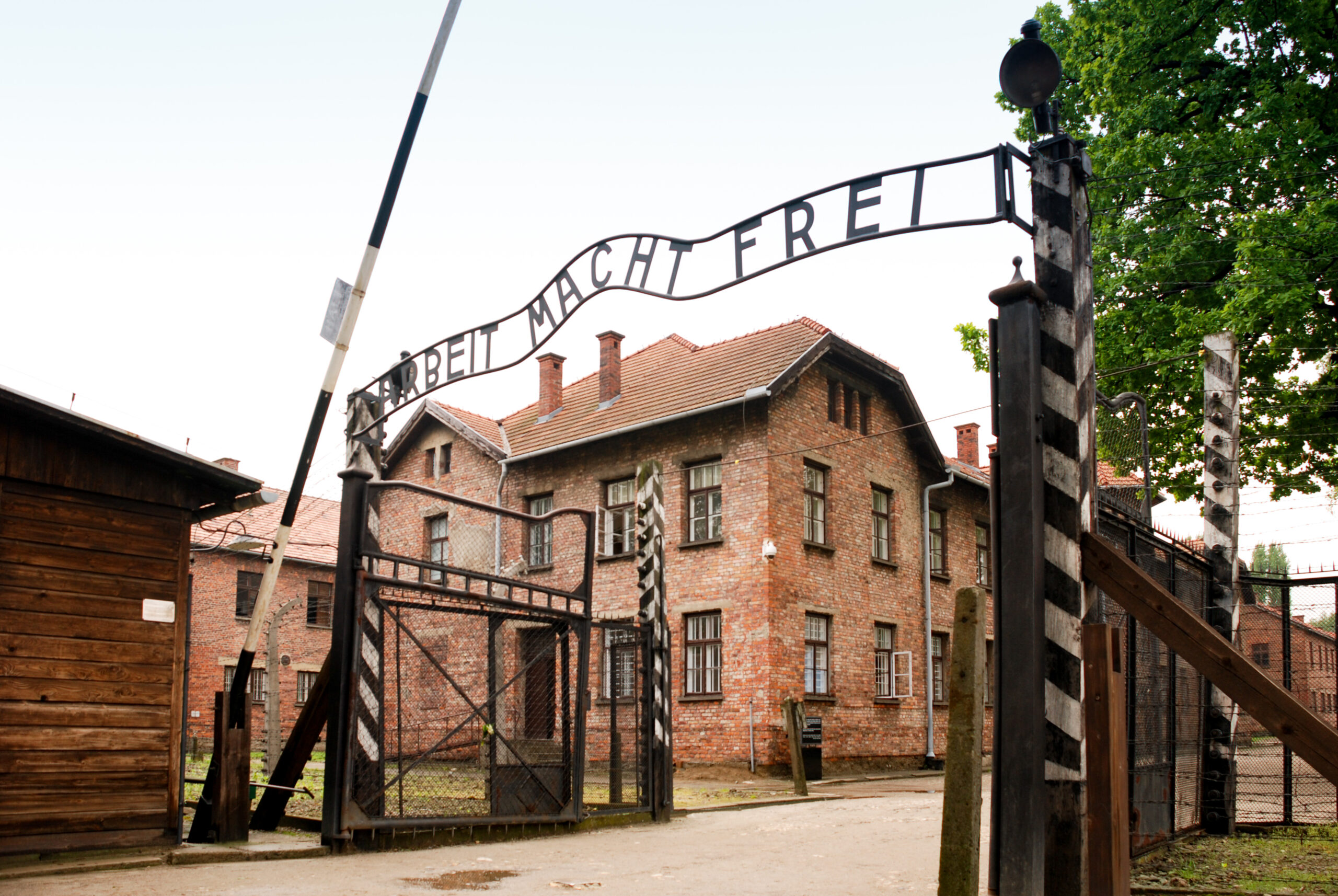
The brothers later endured forced labor at the Friedland camp, where they were forced to assemble aircraft wings for the German military. It was during this period that Yehuda’s honesty during intake—while others claimed factory expertise to improve survival chances—unexpectedly brought him favor from the camp manager, highlighting how simple truth could sometimes make a difference.
Through clever organization and leadership among prisoners, Yehuda protected many from additional hardship, devising methods to meet production quotas and shield his peers from punishment. It was only with the Soviet liberation in May 1945 that they would regain their freedom, marking the end of a harrowing chapter and the beginning of another.
Rebuilding and Remembrance
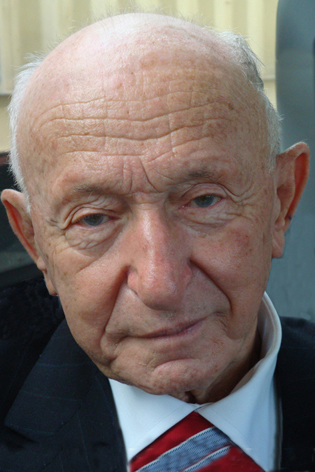
After the war, Yehuda returned to Łódź, married Dobrish Wassercug, and began to rebuild his family. Like so many survivors, he faced the challenge of starting anew in a world marked by deep loss. In 1950, the family immigrated to Israel, carrying hope and memories with them. The dedication to remembrance became central to Widawski’s later years. In 1978, he returned to Poland, seeking his grandmother’s grave—a simple mission that blossomed into a lifelong endeavor.
Witnessing the devastated Jewish cemeteries and the near disappearance of once-thriving communities, he took on the mission of restoration. At the Jewish cemetery in Łódź, he used historical records to identify graves, helping to restore more than 3,000 of them. His work extended throughout Poland, preserving Jewish heritage and honoring those who could not speak for themselves.
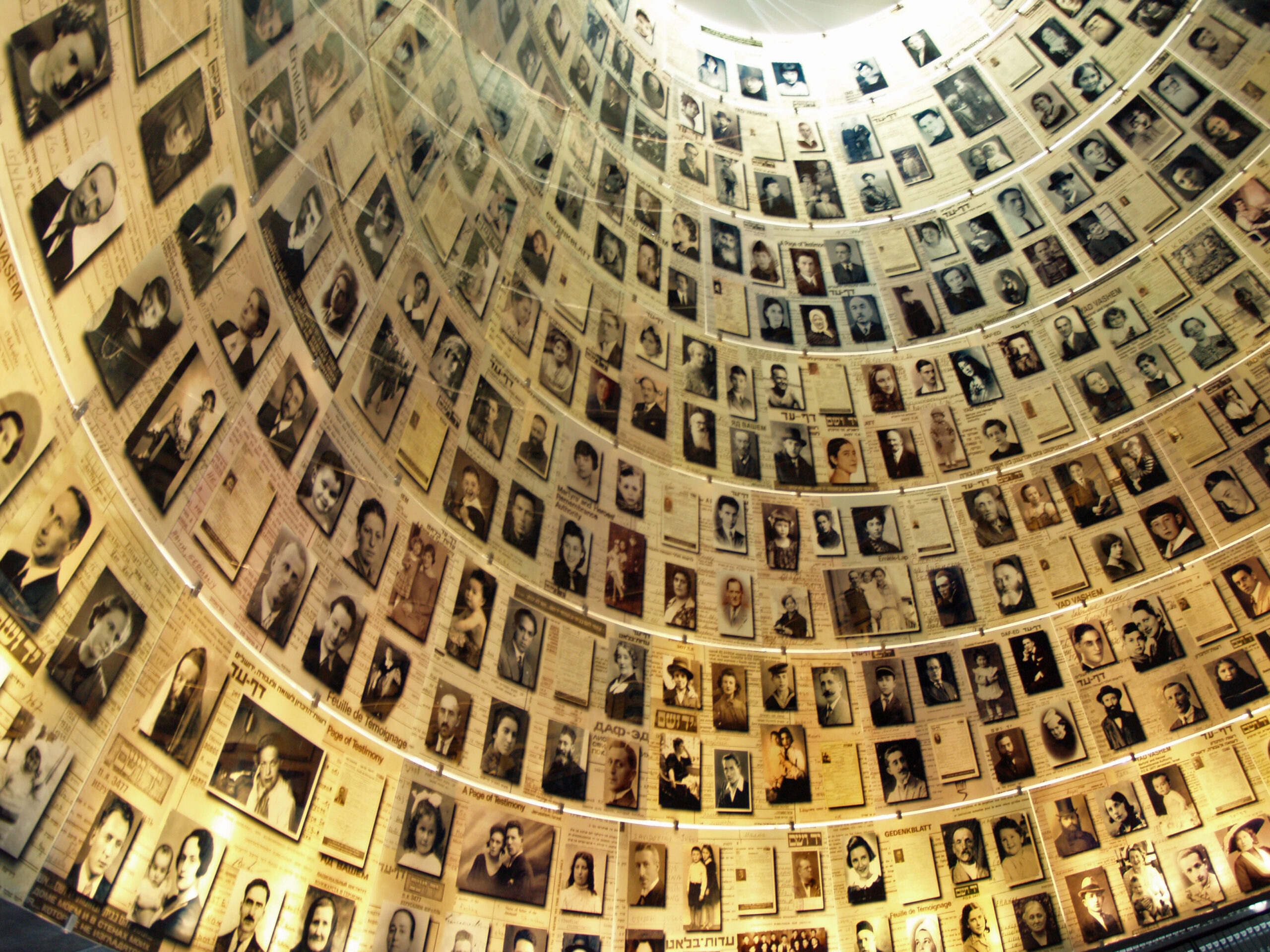
This commitment brought him national recognition. In 2012, Widawski was honored during Israel’s official Holocaust Remembrance Day, lighting a torch at Yad Vashem. When asked what he considered his revenge against the Nazis, his answer was clear and full of meaning: “My revenge on the Nazis is that they lost, and we have the State of Israel. We are free and strong, and no one will ever be able to destroy us again.”
Cultural Significance and Myths
Yehuda’s story, while deeply personal, resonates with broader themes of myth and cultural memory. The Holocaust is often described in almost mythic terms by later generations—not because it is fictional, but because its scope and impact seem nearly impossible to comprehend. Survivors like Widawski become symbols, their lives woven into the fabric of collective remembrance.
Legends grew around the resilience of Jewish communities; stories about secret resistance, acts of kindness, and moments of hope filled the gaps left by the loss. These narratives encourage communities around the world to cherish their history, respect diversity, and work toward safeguarding memory for future generations.
Widawski’s mission to restore forgotten cemeteries reflects a universal theme: humanity’s quest to remember, to honor ancestors, and ensure stories are passed on. His journey echoes traditions found in many cultures, where graves and memorials are an act of both respect and hope—a bridge between the past and the living.
Scientific Perspectives on Legacy and Memory
While cultural tales and myths inspire, scientific study provides another lens through which to examine the legacy of survivors like Widawski. Psychologists and sociologists have long explored how traumatic experiences affect survivors and their descendants, noting the persistence of memory through what is often referred to as “transgenerational transmission.” Research suggests that remembering and sharing stories can provide healing, foster resilience, and strengthen community identity.
Historians, archaeologists, and preservationists play a vital role in these efforts. Through systematic documentation, restoration of historical sites, and careful curation of artifacts, they work to ensure accuracy and continuity. In the case of the Łódź cemetery, Widawski’s contributions became a unique partnership between lived experience and scientific practice. His knowledge of family names, burial sites, and local traditions complemented archival records and field research.
The intersection of oral testimony and scientific inquiry highlights the importance of evidence-based history, while allowing space for speculation and nuance. Not every legend can be authenticated, but many are later confirmed by archaeological finds or archival discoveries. Such collaboration between myth, memory, and science enriches our understanding and helps preserve authentic stories for generations to come.
The Reflection of a Life Well-Lived
Widawski’s story is ultimately a reflection of human perseverance. His journey from the Łódź Ghetto to the restoration of cemeteries in Poland encapsulates both the struggle and triumph of memory over adversity. With each grave he restored and each story he told, Yehuda embodied the victory of hope and remembrance.
Decades after surviving unimaginable hardships, he returned to Poland with 31 family members, retracing milestones of his life and celebrating his 100th birthday surrounded by a fifth generation of descendants. Leaders, like President Isaac Herzog of Israel, publicly honored Widawski, commending his life work and affirming the importance of preserving heritage.
His answer to the question of “revenge”—recognition of national rebirth, freedom, and community—speaks to the enduring human spirit and the power of collective memory.
Conclusion: The Power of Human Curiosity
The life of Yehuda Aharon Widawski stands as a testament to the importance of curiosity, compassion, and dedication. The search for his grandmother’s grave evolved into a mission that touched thousands. Driven by a deep sense of history and personal responsibility, Widawski overcame adversity and helped revive the memory of lost communities.
His journey reminds us that human curiosity not only propels scientific discovery but also fuels efforts to understand, honor, and preserve our past. The graves he restored, the descendants he nurtured, and the stories he shared ensure that the lessons of history continue to inspire generations. In the end, it is through curiosity and hope that humanity remains connected to its roots—and finds the strength to shape a brighter future.
Disclaimer: This content is intended for entertainment purposes only and is not based on real events.
