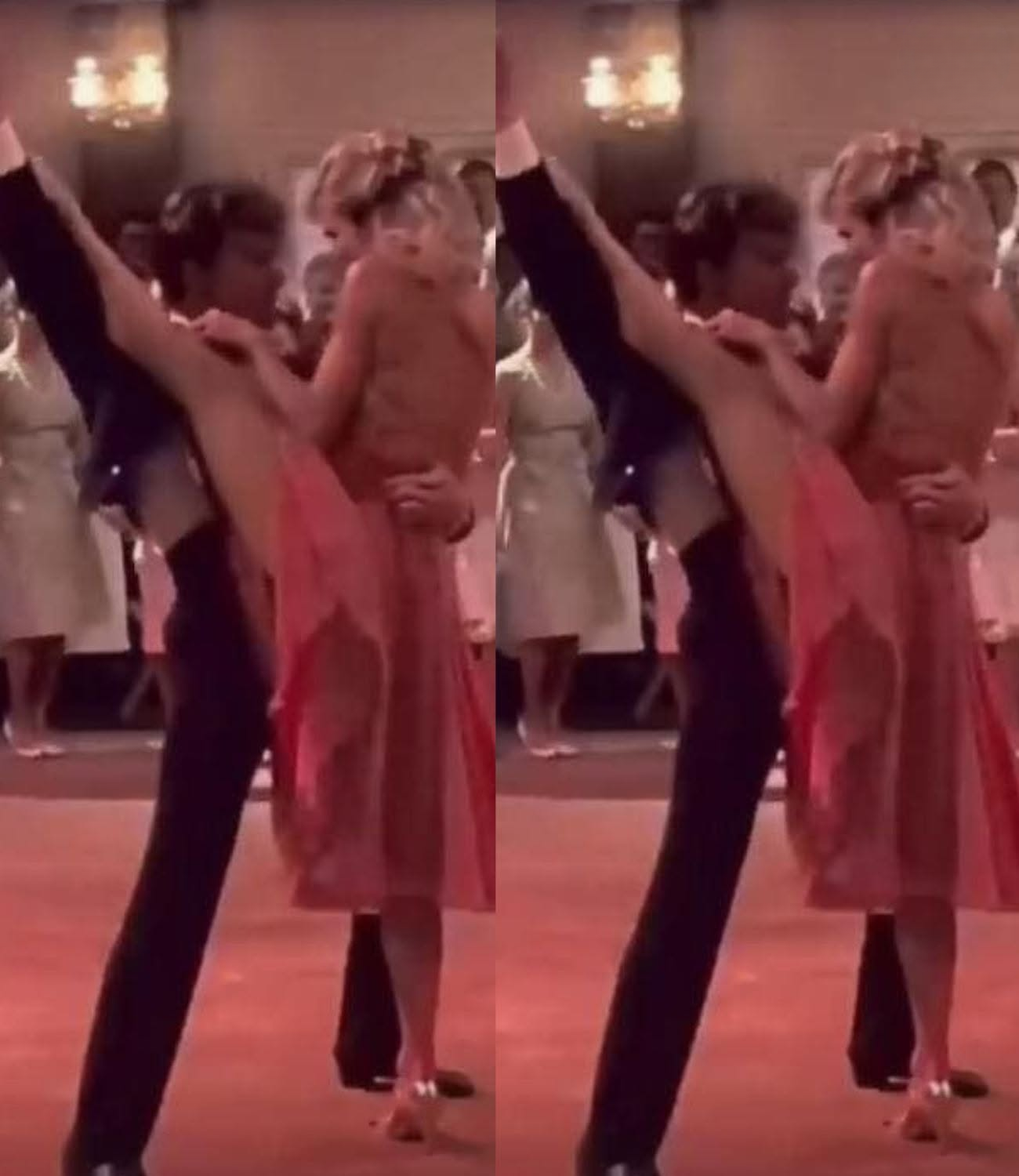

Dirty Dancing: A Cinematic Legacy that Transcends Generations
Since its release in 1987, Dirty Dancing has not only entertained millions but also left an indelible mark on global popular culture. With its dynamic choreography, compelling storytelling, and unforgettable soundtrack, the film has become far more than a box office success—it is now considered a milestone in cinematic and cultural history. This article delves into why Dirty Dancing continues to resonate with audiences, examining its characters, plot, themes, international reception, critical analysis, and the ongoing legacy that sustains its place in the cultural zeitgeist.
Origins and Production: A Film Beyond Expectations
Dirty Dancing was conceived by writer Eleanor Bergstein, who drew inspiration from her own upbringing and love for dance. The film was produced on a relatively modest budget of $6 million and shot in just over two months. Directed by Emile Ardolino and choreographed by Kenny Ortega, the filmmakers captured the spirit of early 1960s America while offering a fresh, modern take on dance and romance. Despite initial skepticism from studio executives, the creative team’s commitment to character-driven storytelling and authentic dance sequences proved integral to the film’s eventual success and iconic status.
The Cast and Their Iconic Roles
The casting of Dirty Dancing played a critical role in its enduring popularity. At its heart are three leads whose performances have become synonymous with their characters:
- Patrick Swayze as Johnny Castle – A charismatic and talented dance instructor, Swayze brought physicality and depth to the role, utilizing both his acting and professional dance backgrounds.
- Jennifer Grey as Frances ‘Baby’ Houseman – Grey’s portrayal of Baby, a smart and idealistic young woman, allowed viewers to connect deeply with her journey of self-discovery.
- Cynthia Rhodes as Penny Johnson – An accomplished dancer in real life, Rhodes delivered a nuanced performance as Penny, navigating personal adversity with resilience and grace.
Supporting cast members, including Jerry Orbach as Baby’s father and Jane Brucker as Lisa Houseman, added to the authenticity and emotional resonance of the film’s world. The chemistry between Swayze and Grey became legendary, with both performers demonstrating commitment to their roles even amid reports of creative tensions during filming.
Narrative Structure and Thematic Richness
Set in the summer of 1963 at the fictional Kellerman’s resort in the Catskill Mountains, Dirty Dancing follows Baby Houseman as she is drawn into the vibrant world of social dance. Through her interactions with Johnny and Penny, Baby comes of age, confronting issues of class, gender, family expectations, and personal freedom. The film explores a variety of topics that contribute to its reputation as more than a typical romance:
- Class and Social Barriers: Johnny and Penny work as resort entertainers, often marginalized or looked down upon by the affluent guests. Baby’s growing empathy for their circumstances adds complexity to her character and drives much of the film’s drama.
- Coming of Age: For Baby, dance becomes a metaphor for self-expression, empowerment, and maturity. Her evolution from an innocent bystander to a courageous participant reflects broader themes of identity and agency.
- Love and Self-Expression: The romance at the film’s core serves as a vehicle for exploring vulnerability, trust, and the transformative power of artistic collaboration.
- Feminist Undertones: Baby’s actions—advocating for Penny, standing up to her father, and making independent choices—position her as a progressive heroine for the era in which the film is set and for 1980s audiences alike.
Signature Dance Sequences and Musical Impact
The dance scenes in Dirty Dancing are central to its legendary status. Choreographer Kenny Ortega sought not just to entertain, but to use dance as an extension of the characters’ emotional journeys. Every routine—from the sensuous mambo to the high-stakes final lift—conveys more than just movement, encapsulating love, growth, and resilience.
The film’s soundtrack became a commercial phenomenon, selling over 32 million copies worldwide. Standout tracks like Eric Carmen’s “Hungry Eyes” and the Oscar-winning “(I’ve Had) The Time of My Life” (performed by Bill Medley and Jennifer Warnes) remain closely associated with the film’s climactic scenes. The integration of music and movement is so seamless that many sequences are instantly recognizable, referenced, and parodied throughout popular culture.
Cultural and Societal Impact
Beyond box office numbers, Dirty Dancing has become a symbol of self-empowerment, social awareness, and the transformative potential of art. The phrase “Nobody puts Baby in a corner” has entered the cultural lexicon as an emblem of personal liberation and standing up for one’s beliefs.
The film’s influence extends well beyond Hollywood. It has inspired stage musicals, television spin-offs, and reality dance competitions around the world. The movie also played a role in reinvigorating public interest in social dance and ballroom competitions in countries far afield from its American origins. Dance instructors and scholars have credited Dirty Dancing with making partner dance more accessible and popular among younger generations.
Scholars and pop culture analysts note that the film broke new ground by depicting controversial social issues—such as reproductive rights and class discrimination—in a format accessible to a mainstream audience. Additionally, its optimistic portrayal of overcoming adversity resonates across cultures, contributing to its enduring cross-generational appeal.
Critical Reception: Contemporary and Retrospective
When Dirty Dancing premiered, critics offered mixed responses. While many applauded the magnetic performances, especially by Swayze and Grey, some dismissed the plot as formulaic. However, as the film gained momentum among viewers, its reputation improved, with growing acknowledgment of the emotional depth and sophistication woven into the story and choreography.
Over time, analysts and critics have re-evaluated the film’s significance. It is now often cited as a classic of the romantic drama and coming-of-age genres. Major publications highlight its influence on subsequent films and its success in reflecting social change. In retrospectives, Dirty Dancing is championed as a film that surpassed expectations through authenticity, character chemistry, and social commentary.
Box Office Triumph and Awards
Financially, Dirty Dancing was a remarkable achievement. With lifetime global earnings in excess of $214 million against its modest budget, it set new standards for independent cinema success in the late 1980s. The film’s accolades include the 1988 Academy Award for Best Original Song, multiple Grammy nominations, and a Golden Globe win for Best Original Song. Its soundtrack dominated charts around the world, and sales records continue to affirm its lasting popularity.
In addition to formal awards, countless “best of” lists compiled by respected media outlets regularly feature the film, acknowledging its undiminished influence decades after its initial run.
International and Societal Resonance
The international reaction to Dirty Dancing has been overwhelmingly positive. The movie was translated into multiple languages and found receptive audiences in Europe, Australia, Asia, and Latin America. Each subsequent generation has rediscovered the film, fostering new dance-themed productions, flash mobs, and interactive screenings worldwide.
Fans regularly celebrate the work through conventions, stage adaptations, and social media communities. The film’s themes of justice, equality, and personal liberation continue to inspire activists, artists, and fans alike, attesting to its role as more than just nostalgic entertainment.
Expert Views on Dirty Dancing’s Endurance
Experts in film, dance, and cultural studies consistently point to several factors underpinning Dirty Dancing’s sustained relevance. Dr. Nadine Hubbs, professor of Women’s and Gender Studies at the University of Michigan, cites the film’s nuanced engagement with class and gender politics as key to its academic interest. Dance historian Elizabeth Kendall calls its choreography “a narrative force in its own right,” bridging the gap between commercial cinema and fine art dance performances.
Moreover, cinema scholars such as Professor Linda Ruth Williams have argued that the film’s willingness to tackle controversial topics within a mainstream framework strengthened its connection with audiences facing similar real-world challenges. The film’s optimism, music, and emotional honesty are widely highlighted as hallmarks that enable it to remain both relevant and beloved.
Legacy in Popular Culture and Future Adaptations
The legacy of Dirty Dancing is reinforced by its omnipresence in pop culture. The film has inspired Broadway shows, television remakes, and a variety of licensed products. Annual theatrical re-releases and fan screenings underscore its place in cinematic history. Lines, characters, and routines from the movie are referenced in advertising, sitcoms, talk shows, and other media forms. The forthcoming sequel, currently in development, attests to persistent demand, ensuring its core story will reach new audiences in the years to come.
Conclusion: Why Dirty Dancing Endures
Dirty Dancing endures because it combines universal themes—love, courage, overcoming adversity—with exceptional dance performances and a sensational soundtrack. The film’s commitment to social commentary, character development, and artistic expression has allowed it to maintain relevance through changing cultural landscapes. As both entertainment and a reflection of substantive issues, Dirty Dancing stands out as a work that not only captures its era, but continues to inspire and entertain people around the world.
Sources
- Reuters
- BBC
- Al Jazeera
- The Guardian
- World Health Organization (WHO)
- Centers for Disease Control and Prevention (CDC)
- Mayo Clinic
Disclaimer: This content is intended for entertainment purposes only and is not based on real events.
