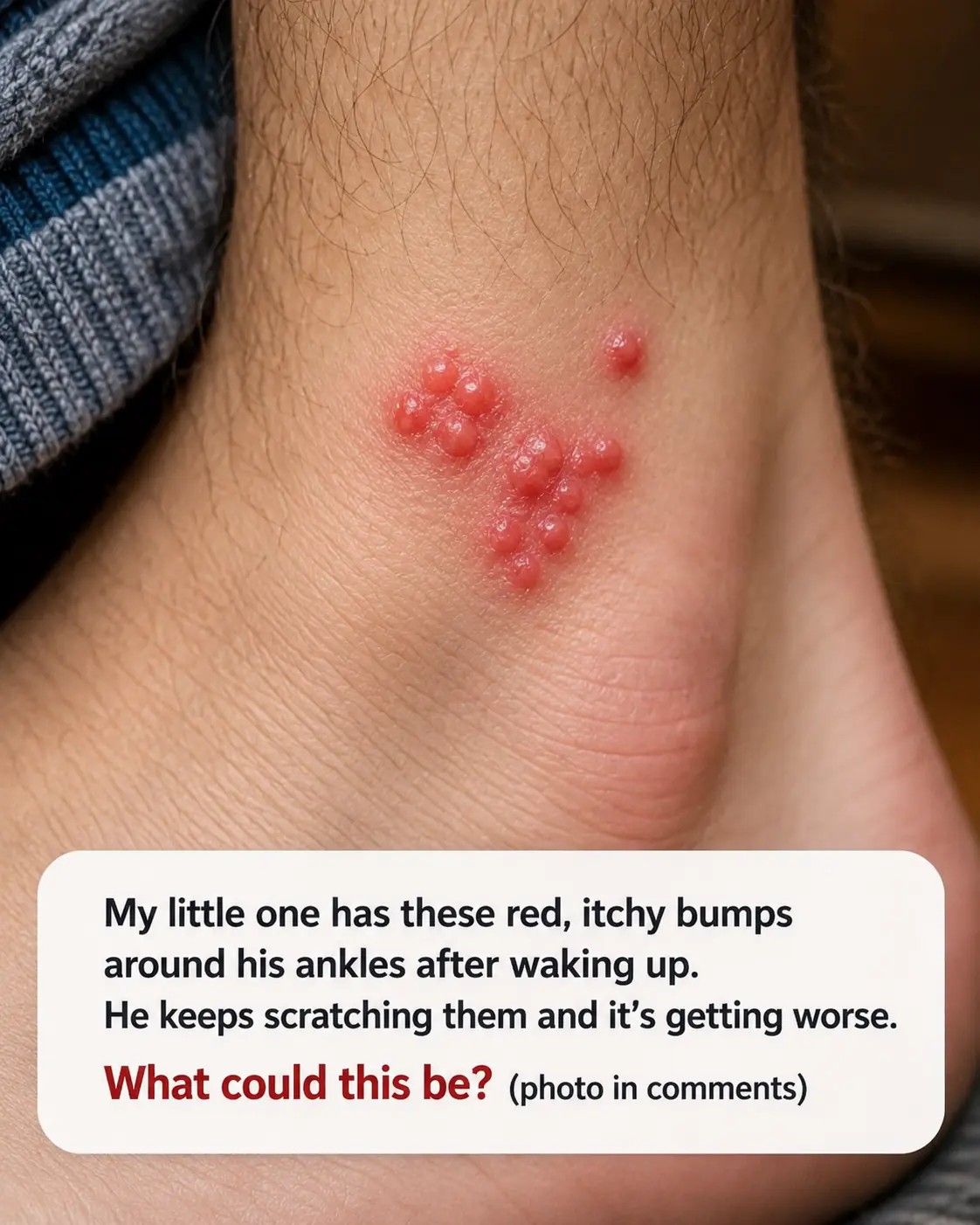

My Toddler Woke Up With Tiny Red Bumps Clustered Around His Ankles: What Is This?
Understanding Sudden Rashes in Children
For any parent, waking up to find your toddler scratching at clusters of red bumps around their ankles can be alarming. This sudden discovery leads many to worry, speculate about possible causes, and search for immediate solutions—especially when the child is in discomfort and healthcare lines are busy. Among the common culprits, flea bites frequently emerge as a likely explanation, particularly when the rash appears as small, very itchy bumps grouped low on the legs, notably near the ankles or sock line.
Why Flea Bites Are a Likely Cause
Fleas—tiny, wingless insects ranging from 1 to 3 millimeters in length—are notorious for their ability to jump and target the feet and ankles of human hosts. They thrive in settings where pets are present, especially cats and dogs, as well as in carpets, pet bedding, upholstered furniture, and shaded outdoor areas. When these insects bite, they prefer exposed and accessible areas; thus, the ankles and lower legs become common bite sites.
The typical flea bite pattern involves multiple, highly itchy red bumps, often appearing in clusters of two, three, or more. A child who goes to bed itch-free may wake up the next morning scratching at these fresh, inflamed bumps, as the reaction tends to intensify over several hours.
The Appearance of Flea Bites
Flea bites start as small, red or pink raised bumps, anywhere from 1 to 4 millimeters in diameter, often with a central puncture mark or a darker dot at the center. Sensitive skin may react with larger welts—so-called papules—reaching up to 10 millimeters. The bites tend to cluster near the ankle, forming a circle around the sock line or concentrating above the heel and on the sides of the feet. The irritation is often disproportionately intense compared to the mild physical appearance of the bites.
Ankle Location: A Key Diagnostic Clue
Location provides a helpful diagnostic clue. Fleas lack wings and rely on jumping short distances, usually not exceeding 8 inches. Thus, feet, ankles, and lower legs—especially in children wearing loose pajamas—are most vulnerable. In contrast, widely distributed rashes are more typical of viral infections, and soap or detergent reactions generally appear as symmetrical, flat patches covering larger skin areas.
Home Clues: Pets, Flea Dirt, and Recent Exposures
If you have a pet at home or have recently visited a household with animals, the likelihood of flea bites increases. Signs include pets scratching more than usual, the presence of tiny black specks (known as flea dirt) on bedding or around baseboards, and a history of bringing home secondhand furniture or rugs. Flea dirt—often mistaken for black pepper—will smear reddish-brown if placed on wet white paper since it contains digested blood.
Fleas can remain in a home long after pets move out or can be carried to new locations via soft furnishings or clothing. Even families without current pets might encounter infestations if they move into a previously occupied home where animals once lived or use communal spaces shared with pet owners.
Other Conditions That Resemble Flea Bites
While flea bites are common, they can be mistaken for other itchy rashes. Mosquito bites are usually fewer in number, more scattered, and generally larger in size. Bed bug bites can also appear in clusters but more commonly affect exposed areas like arms, neck, and face. Chigger bites often occur after outdoor activities in grassy areas and tend to arise beneath tight clothing bands such as waistbands or socks.
Contact dermatitis from new detergents or soaps presents as flat, broad patches rather than discrete bumps. Scabies, a mite infestation, leads to severe nighttime itching and typically occurs on hands, wrists, waist, and feet, gradually spreading rather than clustering in one spot. Should the bumps develop yellow crusts, ooze, or appear infected, prompt medical review is required as these signs suggest secondary infection.
Immediate Relief: Calming the Itch
Preventing the child from vigorously scratching is crucial, as broken skin can lead to infection. To alleviate symptoms:
- Gently wash the area with lukewarm water and mild soap
- Pat dry thoroughly
- Apply a cool compress for 10 minutes, repeating three to four times a day as needed
- Trim the child’s nails short to minimize skin damage from scratching
- Apply a thin layer of 1% hydrocortisone cream (only if age-appropriate and as approved by your pediatrician)
- Use anti-itch lotions such as calamine for added relief
When to Seek Medical Advice
While flea bites are not usually serious, certain situations require medical evaluation:
- The child is under one year of age
- Itching disrupts sleep or daily activities
- The bumps rapidly spread in number or location
- The affected skin becomes hot, swollen, painful, or starts to drain fluid
- Signs of allergic reaction: facial or lip swelling, hives, difficulty breathing
- Bumps show signs of infection: rapid redness, red streaks, yellowish or green drainage
- Fever, excessive sleepiness, or if the diagnosis remains uncertain after 24–48 hours
If you observe any of these symptoms, do not hesitate to call your pediatrician or seek urgent care.
Inspecting for Fleas: Pets and Household Tips
Performing a flea check is straightforward. For pets, use a fine-toothed flea comb—paying special attention to the neck, lower back, belly, and tail base. Comb over a white towel or paper to catch any fleas or flea dirt. Fleas are agile and may quickly jump away. Even pets that appear well-groomed can carry fleas.
Inspect household areas where pets rest: beds, rugs, the edges of carpets, and plush furniture. Walking while wearing white socks across a carpeted floor may help you spot fleas hitching a ride near your ankles, especially in ongoing infestations.
Best Practices for Eliminating Fleas
Relief from skin irritation is only temporary if the source remains. Effective flea control involves:
- Treating all pets with veterinarian-recommended, modern flea preventives (not just shampoos, but spot-on treatments, chews, or oral medications)
- Vacuuming carpets, rugs, upholstery, and baseboards thoroughly every day for the first week (empty the vacuum contents afterward)
- Washing pet bedding, blankets, and soft items in water heated to at least 130°F and drying on high heat for 20–30 minutes
- Repeated cleaning—continue for 2–4 weeks, as the flea life cycle allows eggs or pupae to hatch days after initial treatment
- In severe or persistent cases, consulting a professional pest control service—especially important in multi-family or apartment settings
Remember: a single round of cleaning or treatment is often insufficient. Continual efforts are required to break the flea life cycle fully.
Avoiding Mistakes During Treatment
It is easy to become overzealous when trying to relieve your child’s discomfort, but certain measures should be avoided:
- Do not apply multiple scented creams, essential oils, or untested home remedies as these can worsen itching or provoke contact dermatitis
- Avoid excessive scratching tools, harsh scrubbing, or strong disinfectants like hydrogen peroxide which can further irritate the skin
- Remember that flea infestations require persistence; one day of cleaning will not eliminate the problem
Consistent, measured steps are the most effective path toward comfort and resolution.
Duration and Progression of Flea Bites
The initial itch and redness from flea bites peak within 24 to 48 hours and typically subside over 3 to 7 days. Persistent scratching may cause marks to linger for up to two weeks, especially in children with sensitive skin. Should new bumps continue appearing over several days or each morning, assume ongoing exposure—fleas are still present in the environment, necessitating further home and pet treatment.
Quick Diagnostic Checklist
Ask yourself:
- Are the bumps very itchy and small?
- Are they clustered rather than spread across the body?
- Are they primarily around the ankles or lower legs?
- Is there a recent history of pet or carpet exposure?
If the majority of these are true, flea bites become the leading suspicion. Conversely, if the rash is widespread, involves blisters, affects the mouth, or the child appears systemically unwell, seek prompt medical care—these signs suggest a more serious or unrelated condition.
What to Do Tonight: Practical Steps
Immediately upon discovering the rash:
- Gently cleanse the affected skin and dry thoroughly
- Apply a cool compress for 10 minutes
- Put on clean socks or pajamas to minimize scratching
- Examine bedding and the floor near the bed for flea activity
- Inspect family pets using a flea comb before bedtime or in the morning
- Take clear photographs of the rash in good lighting for reference in medical consultations
Keeping track of the number and distribution of bumps—e.g., “12 bumps, mostly around both ankles, noticed at 6 a.m., very itchy, no fever”—will help health professionals assess the situation promptly if you seek their input.
The Bottom Line: Managing Flea Bites in Children
Tiny, intensely itchy, and grouped red bumps around a toddler’s ankles are most commonly caused by flea bites, especially with a history of pet, carpet, or recent animal exposure. The specific location, clustered nature of the bumps, and environmental clues all contribute to this likelihood. Managing flea bites involves both itch control and eliminating the source. However, always remain alert to signs of infection or severe allergic reactions and contact your child’s healthcare provider with any concerns. Prompt attention and a systematic approach can bring both relief and peace of mind to your family.
Sources
- Centers for Disease Control and Prevention – Flea FAQs
- Mayo Clinic – Insect Bites and Stings
- American Academy of Dermatology – Flea Bites Overview
- NHS – Insect Bites and Stings
- Reuters – World News
Disclaimer: This content is intended for entertainment purposes only and is not based on real events.
