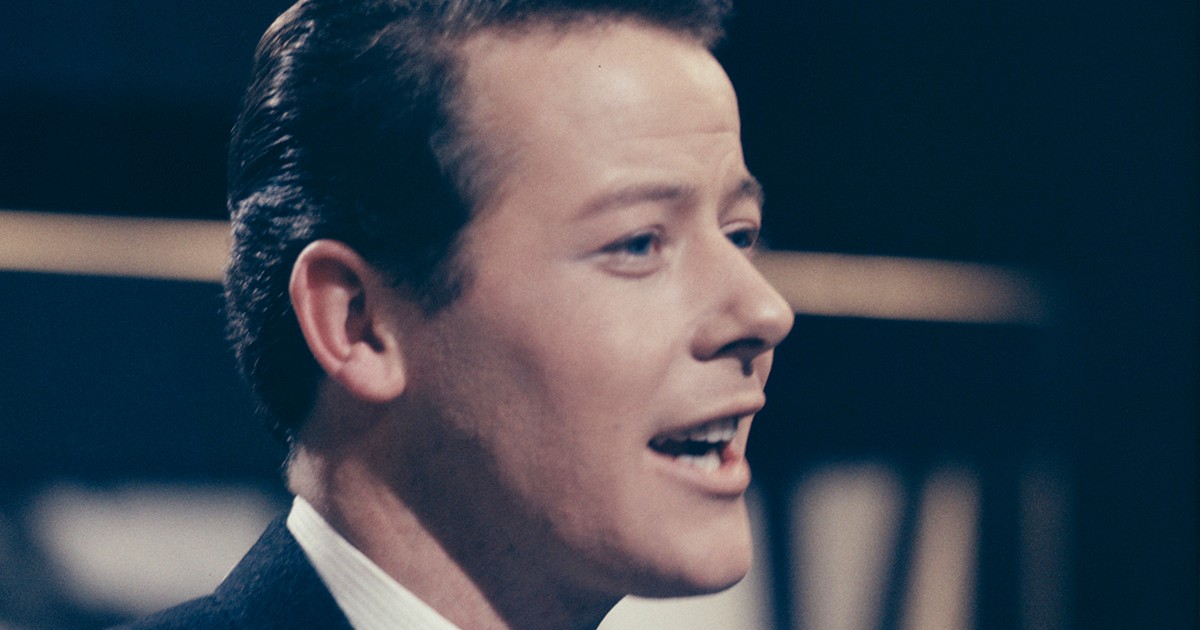

Legendary Singer Craig Douglas Dies at 85: Remembering the “Singing Milkman” and His Enduring Legacy
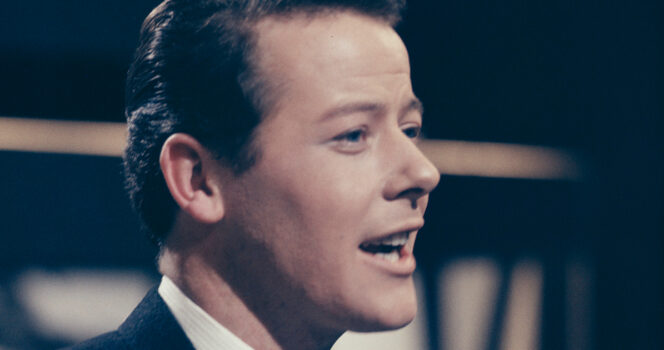
Craig Douglas, famously dubbed the “singing milkman,” stands out as one of the most beloved British pop stars from the 1960s. His passing at age 85 marks the end of an era, but his unforgettable voice and contributions to music continue to resonate with multiple generations of fans. Known for his signature hit “Only Sixteen,” Douglas’s career, personal journey, and impact on popular culture offer rich insight into the transformative years of British pop music.
The Early Years: From Farm Worker to “Singing Milkman”
Born Terence Perkins in Newport, Isle of Wight, Craig Douglas led a modest life before his ascent to stardom. A twin and part of a large family, Douglas worked as a milkman and farm laborer during his teenage years. His mother, Mildred, recognized his musical talent and encouraged him to enter a local talent contest. Winning the $5 prize proved pivotal, drawing the attention of a cinema manager who would help guide him towards a professional singing career.
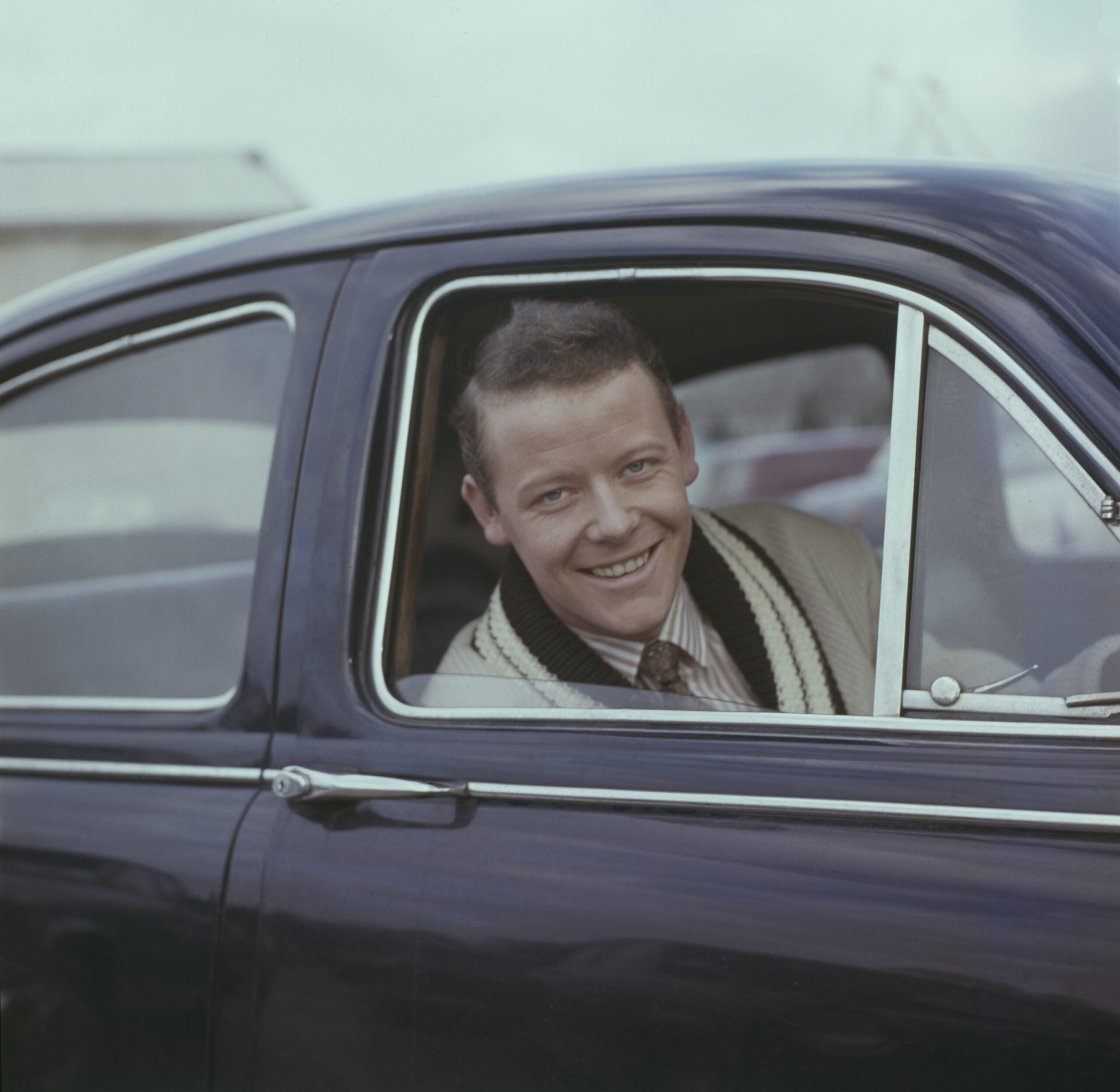
This early intervention set Douglas on a path few could have imagined. His journey underscores the unpredictability and serendipity often inherent in musical success stories. Bunny Lewis, Douglas’s manager, gave him his enduring stage name after spotting “Craig Douglas” outside a home in Scotland; he felt there were too many Terrys, but not enough Craigs.
Rise to Stardom in the Golden Years of British Pop
Douglas’s rise coincided with a dynamic period in British music. The late 1950s and early 1960s saw the explosion of pop, rock and roll, and youth culture. Douglas was voted Best New Singer by NME in 1959, establishing himself as a leading figure of the era. That same year, he recorded “Only Sixteen,” a cover of Sam Cooke’s original, at the legendary Abbey Road Studios.
Douglas’s version of “Only Sixteen” climbed to No. 1 on the UK charts, outselling the original and solidifying his reputation. The song became synonymous with Douglas, evoking nostalgia for an era when music brought people together, radios played in living rooms, and new voices became the soundtrack to daily life.
As the British pop scene evolved, Douglas maintained his relevance. He scored nine UK Top 40 singles, including four consecutive No. 9 hits—an impressive feat during a time when competition was intense and musical tastes were rapidly changing.
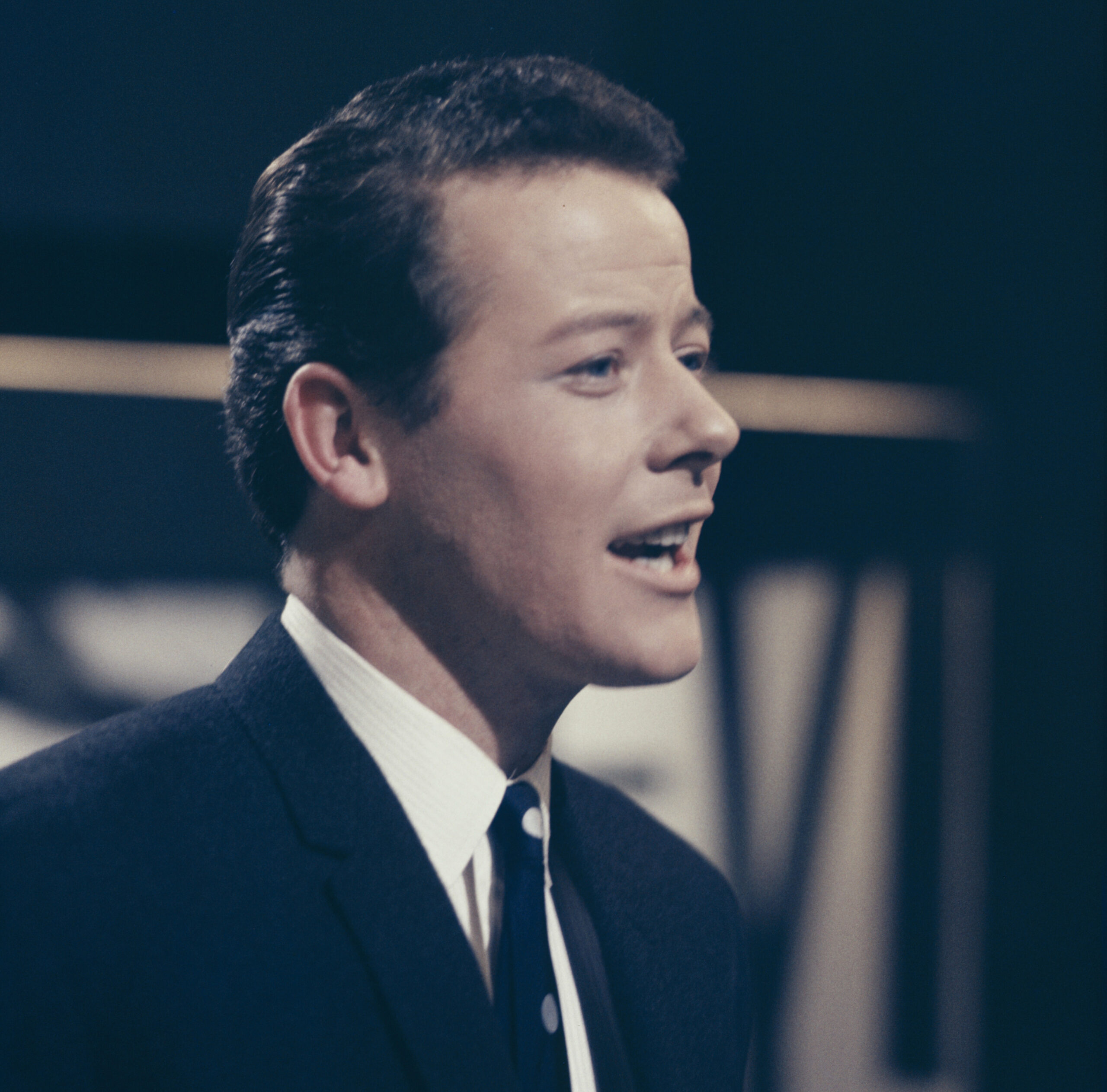
Douglas’s attempts to represent the United Kingdom in the Eurovision Song Contest in 1961 showcased his ambition, even though he was not selected. His final charting hit, “Town Crier,” reached No. 36 in 1963. Despite shifting trends, Douglas’s music endured and his performances captivated audiences well beyond the age at which most artists retire from public life.
Continued Influence and Performance
Long after his peak chart years, Douglas remained deeply engaged with music and performance. He regularly appeared at nightclubs, on cruise ships, and in venues across Britain, keeping the spirit of earlier pop generations alive. Remarkably, Douglas continued touring until 2010, demonstrating a lifelong dedication to his craft and to the people who cherished his voice. His presence at major early concerts—including topping the bill for the Beatles at a Beatles’ debut major show—illustrates his influence and integration into the fabric of British music history.
His role in the 1962 film It’s Trad, Dad! further highlights the mixed-media popularity pop singers enjoyed at the time. Crossing from music to film was a hallmark of the era, reinforcing the cultural significance of stars like Douglas.
Personal Life and Reflections
Douglas’s personal journey was as distinctive as his career. Despite the fame and fortune, he lived a relatively private life, settling back on the Isle of Wight after decades in the public eye. Although he dated two Miss Worlds and sold over 10 million records globally, Douglas never married nor had children—a subject he discussed candidly later in life. He expressed regret about not having a family, saying in a 2024 interview that he would have missed his children terribly while touring for work. Coming from a family of nine siblings, he admitted the idea always held appeal, but his priorities ultimately centered on performing and connecting with audiences worldwide.
His honesty regarding his personal choices reflects the complexity of balancing celebrity, career ambitions, and family life—a theme echoed by many artists across eras.

The Passing of a Pop Icon: Societal and International Reactions
Craig Douglas passed away peacefully at his home on the Isle of Wight after a short illness, as confirmed by his family. The news reverberated among music lovers, industry figures, and fans worldwide, many of whom regarded his songs as timeless reminders of formative years. Tributes poured in from media outlets, music historians, and fellow artists, underscoring the wide-reaching legacy Douglas leaves behind.
His impact transcended national boundaries, as British pop music of the 1950s and 1960s influenced the development of international pop, rock, and soul genres. Douglas’s success mirrored the rise of British artists abroad, a process that contributed to the “British Invasion” of American music charts later in the decade. Although not as globally renowned as the Beatles or Rolling Stones, Douglas’s chart success and musical integrity inspired countless aspiring singers and left a profound mark on UK music culture.
Musical Legacy: The Voice That Endured
The longevity of Craig Douglas’s appeal is rooted in the emotional resonance of his songs and the authenticity of his persona. “Only Sixteen” remains a classic, frequently featured on radio stations, compilations, and retrospectives exploring the history of popular music. His hits are regularly cited by fans as evocative of personal memories, underlining the role music plays in shaping individual and collective identities.
Music historians note that Douglas provided accessibility and relatability in the pop scene, representing the ordinary British youth who could rise to fame through talent, persistence, and opportunity. His story is part of a larger narrative about post-war Britain, where pop music became a vehicle for optimism, connection, and cultural transformation.
Douglas’s commitment to performing, even after fading from the charts, exemplifies the enduring passion of artists from his era. His work is studied by those exploring the roots and development of pop, as well as the ways celebrity influences lifestyles, media, and artistic output across generations.
Expert Perspectives and Cultural Analysis
Music experts emphasize Craig Douglas’s role in bridging early British pop with the innovations that followed in the mid-1960s. His career is considered illustrative of the industry’s evolution—moving from solo artists dominating charts to the rise of bands and collaborative acts. His ability to adapt and remain relevant set him apart in a competitive environment.
Craig Douglas’s cultural significance also lies in his humility and his relationship with everyday life. The “singing milkman” moniker symbolized the accessibility of early pop stars before celebrity culture became more distant and complex. Scholars note that Douglas’s journey resonates with generations who cherish authenticity and the democratic possibility of cultural success.
Remembering Craig Douglas: Enduring Impact on British Music
For those who grew up during the golden years of British pop, Craig Douglas’s songs are not just music—they are markers of life, transitions, and cherished memories. As radios brought families together and music became intertwined with youth culture, Douglas’s voice was a constant presence. His story, both extraordinary and relatable, continues to inspire and evoke reflection on how music shapes society.
As tributes continue to flow, Douglas’s legacy endures in every new generation that discovers his music. Songs like “Only Sixteen” persist as emotional touchstones, linking the past with the present and providing a glimpse into the world that shaped contemporary pop. The “singing milkman” may be gone, but his influence carries forward in sound, memory, and cultural history.
Sources
Disclaimer: This content is intended for entertainment purposes only and is not based on real events.
