
A Mom Discovers Her Son Was Exposed to Rabies While Feeding Baby Goats at a Petting Zoo
A North Carolina mother experienced shock and fear after discovering that the baby goats her young son had fed at a local petting zoo were later found to be infected with rabies. This incident highlights the risks associated with zoonotic diseases—illnesses that can be transmitted from animals to humans—and serves as a reminder of the importance of public health interventions and education around rabies prevention.
How the Incident Unfolded: A Routine Family Day Turns Concerning
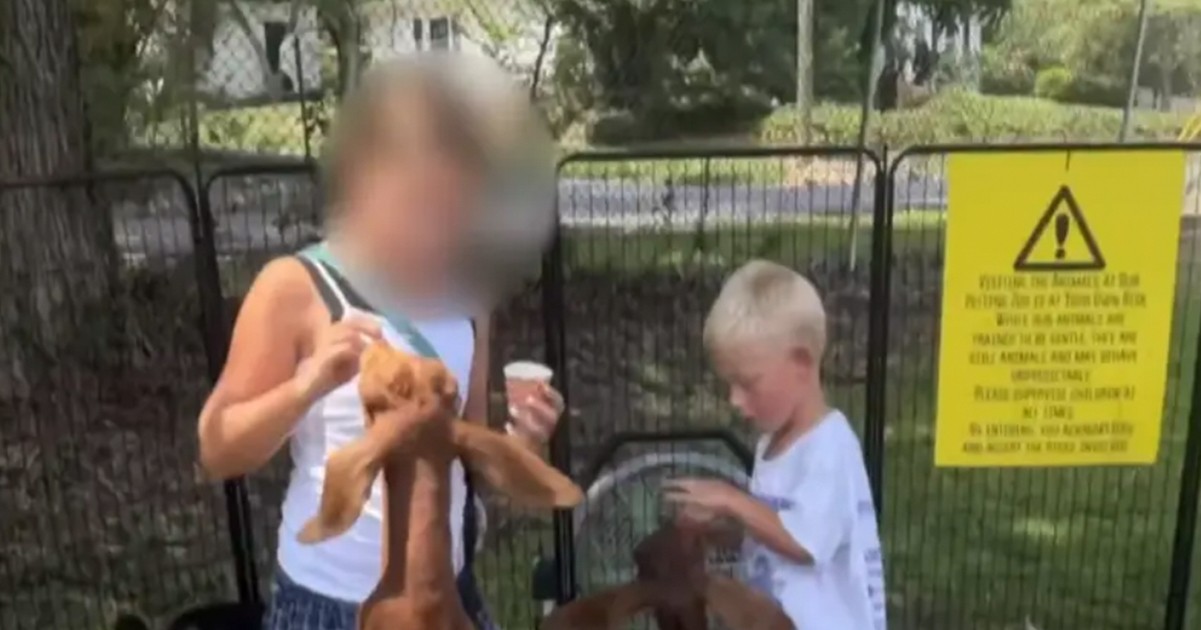
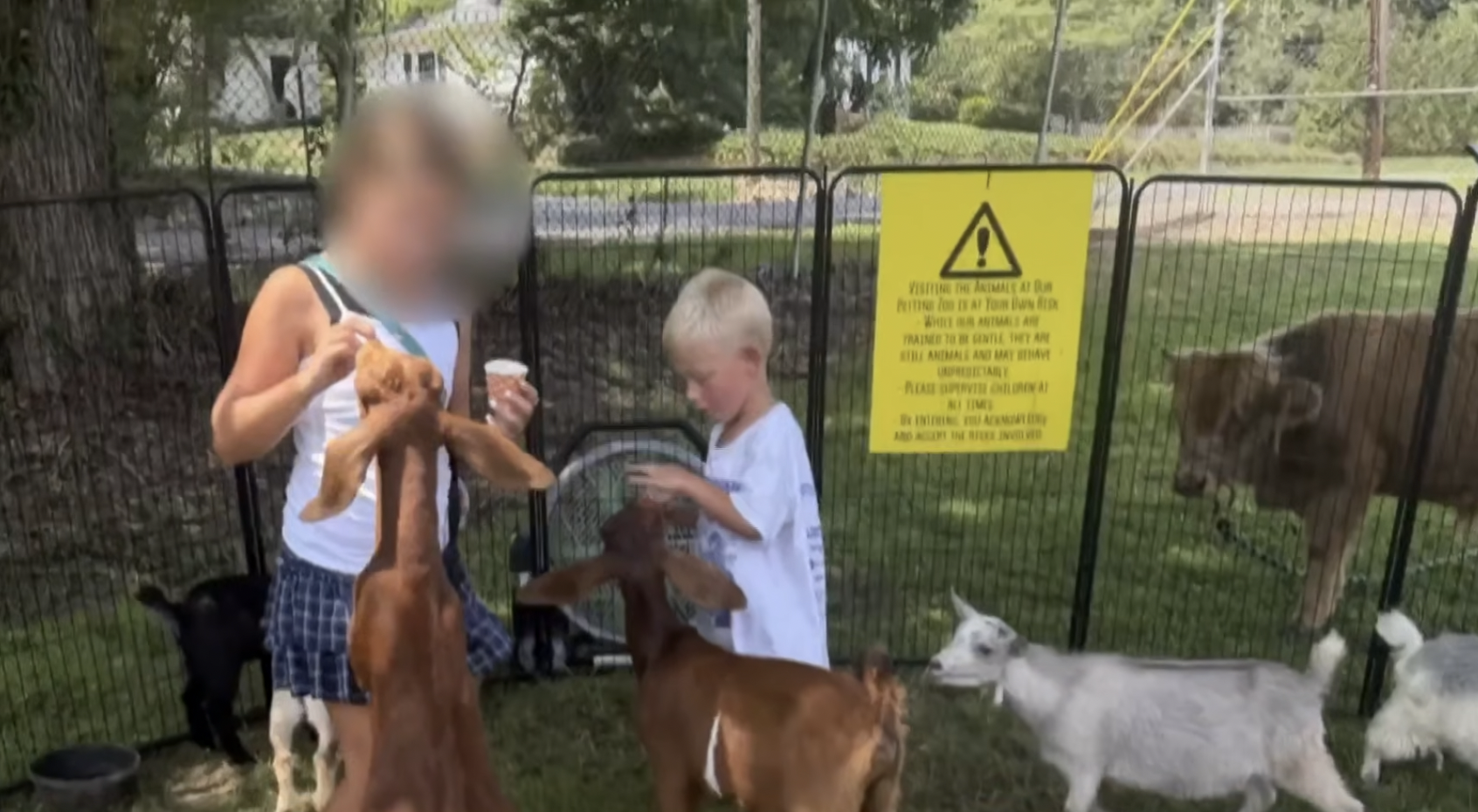
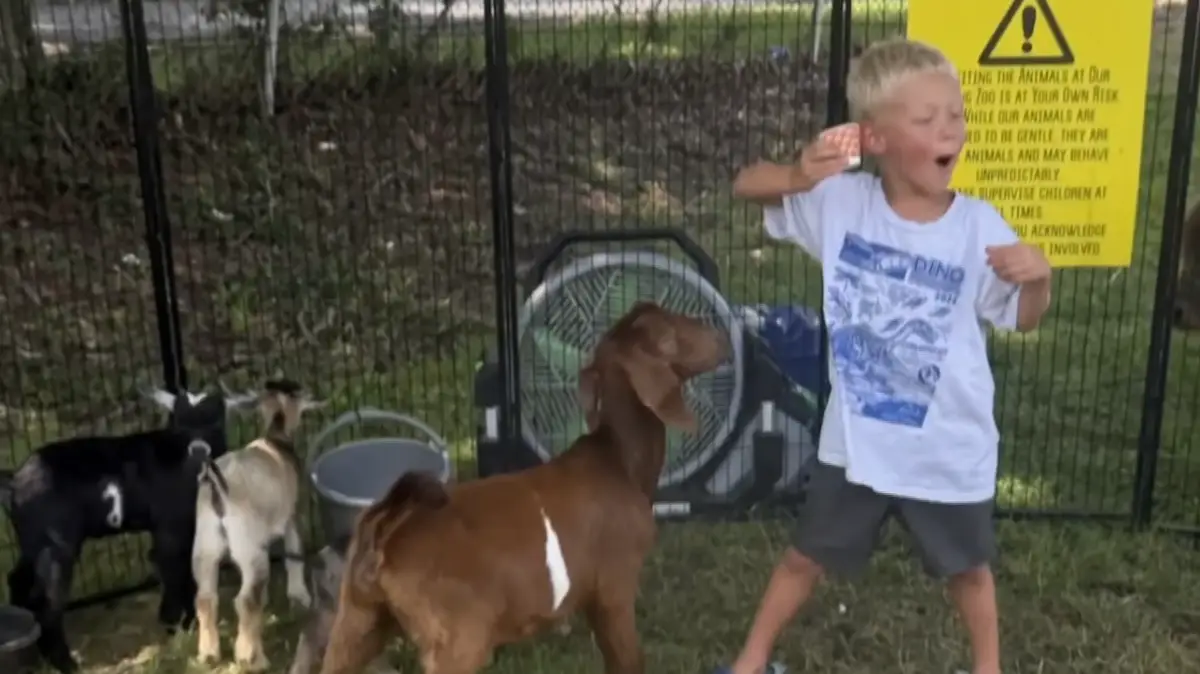
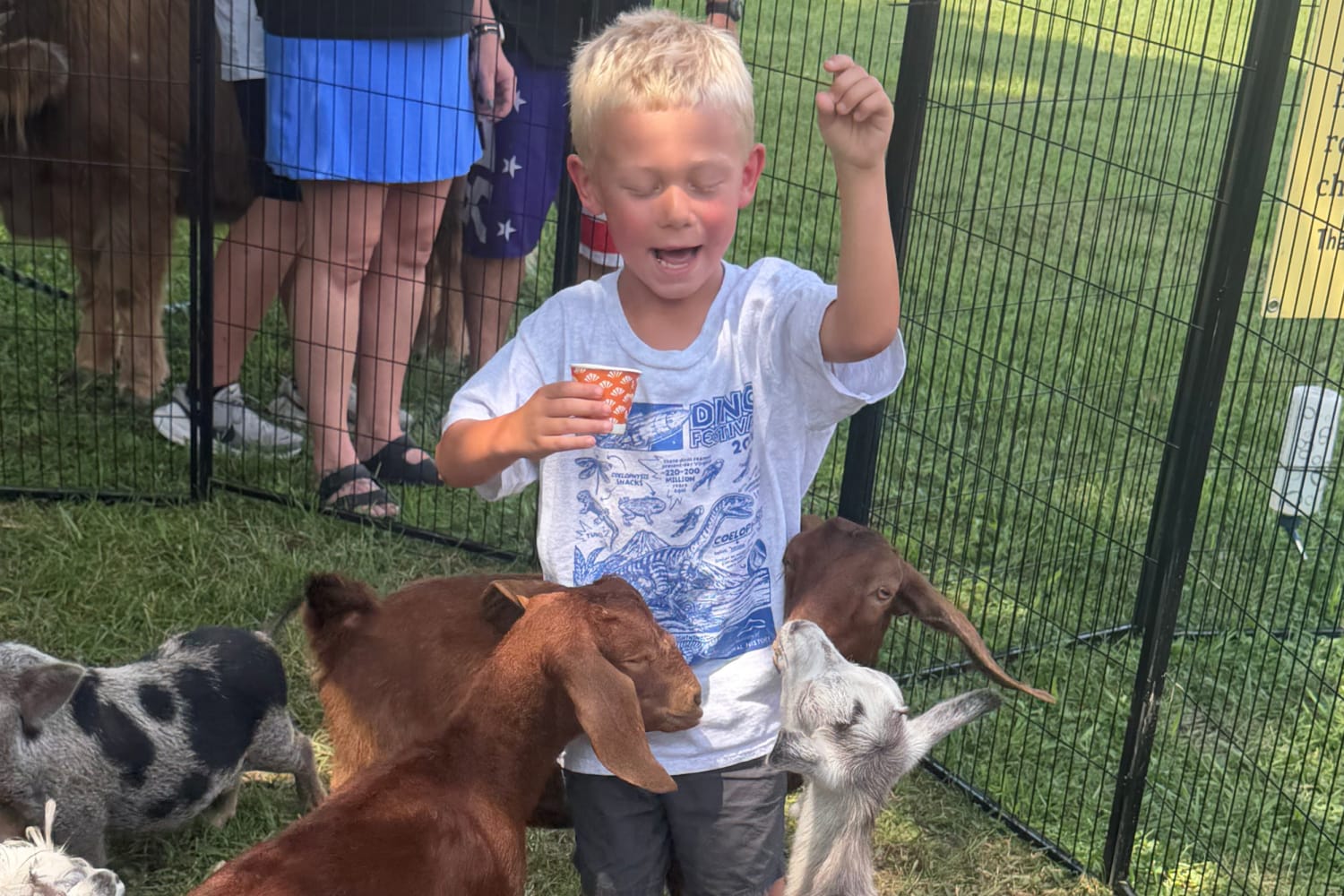
On August 15, Rebecca Lanning and her 4-year-old son visited a dinosaur exhibit in Mocksville, North Carolina. The event featured multiple attractions, including carnival games, food vendors, and a mobile petting zoo, where Lanning’s son enjoyed hand-feeding baby goats. For many families, such interactions offer children a unique chance to connect with animals in a safe and controlled environment.
However, days after the event, Lanning received an alarming call from her son’s aunt: four baby goats from the same petting zoo her son visited had tested positive for rabies. The news sent waves of concern through the Lanning family, and Rebecca immediately took her son to a doctor. The medical team started post-exposure rabies treatment—a series of vaccinations designed to prevent the onset of the disease.
Understanding Rabies: Transmission, Risks, and Impact
Rabies is a viral disease that targets the central nervous system and can affect all mammals, including humans. According to the World Health Organization (WHO), it remains one of the deadliest infectious diseases globally, mainly due to its rapid progression once symptoms appear. Rabies is most often transmitted via saliva from the bite or scratch of an infected animal, but contact with mucous membranes (such as the eyes or mouth) can also pose a risk.
The WHO designates rabies as a “neglected tropical disease.” While preventable with timely medical intervention, rabies remains almost universally fatal once symptoms emerge. Early signs can be non-specific, including fever, headache, and generalized weakness, often making it difficult to distinguish from other minor illnesses until the infection has progressed significantly.
Prompt post-exposure treatment—effective only if administered before symptoms appear—is critical. The rabies vaccine, combined with rabies immune globulin for high-risk cases, can stop the virus from taking hold in the body. That is why public health officials always advise erring on the side of caution and seeking medical advice immediately following potential exposure.
Public Health Response: Notification and Treatment Guidance
In the aftermath of the incident, North Carolina health officials acted quickly. They released public advisories and began working with event organizers to trace all individuals who had close contact with the petting zoo goats from July 28 to August 27. This broad window was established to encompass all possible exposure events, considering the mobility of the petting zoo and the large number of visitors, including children and individuals in assisted living facilities.
Authorities strongly urged anyone who had fed, touched, or spent time near the goats during this period to consult their healthcare provider and consider receiving the post-exposure vaccine series, regardless of whether they remembered being bitten or scratched. “Timely treatment is essential,” public health statements read, emphasizing that waiting for symptoms to appear effectively eliminates the window for prevention.
Emotional Toll on Families and Petting Zoo Owners
For Rebecca Lanning, the trauma of facing a potentially fatal disease in her 4-year-old son was a nightmare few parents ever want to imagine. “My fear is that if he was feeding the goats, and he’s 4, who’s to say he didn’t touch his mouth or eyes?” she explained, voicing parental anxieties that are widely relatable. Her experience, though distressing, likely spared her son from a far worse outcome because she acted quickly.
The incident impacted not only visitors but also the petting zoo owner, Misty Love, who operated Farm Adventures, a mobile animal exhibit business based in North Carolina. Misty Love described the personal loss, emphasizing, “These goats are my life. My animals are the most important thing in the world to me—so, it’s hard.” By all accounts, the owner was deeply invested in the animals’ welfare and in protecting the public from harm.
According to Love, the goats—named Molly, Maggie, Cow, and Uno—were too young for their first scheduled rabies vaccination. The infection likely occurred after a skunk, a known rabies vector in the United States, entered their pen. Although the incident initially appeared harmless (the goats had not been sprayed), veterinarians determined the animals had been bitten. When two of the goats began to show symptoms, laboratory testing confirmed rabies. Public health protocol required the euthanasia of all four animals to prevent further disease transmission.
Animal Vaccination and Zoonotic Disease Prevention
This event underscores the crucial role of vaccination in preventing rabies transmission. In the United States, regulatory agencies such as the Centers for Disease Control and Prevention (CDC) and local veterinary boards recommend routine rabies vaccinations for pets and livestock of eligible age, especially those with public contact.
Petting zoos and similar attractions often present unique public health challenges because their animals interact directly with the public, including children, older adults, and immunocompromised individuals. Not all animals are eligible for immediate rabies vaccination—very young animals, for instance, must reach a minimum age before immunization is effective. This creates a temporary vulnerability.
To reduce these risks, petting zoos are encouraged to adhere to rigorous animal health checks, staff training standards, and barrier or hygiene controls (such as hand-washing stations and supervised animal handling). Many successful petting zoos proactively educate the public about safe interactions and clearly post warnings about potential risks.
The Broader Context: Rabies and Human Health
Rabies claims tens of thousands of lives globally each year, mainly in Asia and Africa, where access to vaccines and post-exposure treatment can be limited. In the United States and other developed nations, routine vaccination of pets and wildlife, public awareness campaigns, and an effective health infrastructure have dramatically reduced human rabies cases. Nonetheless, exposures are not unheard of, especially following contact with bats, raccoons, skunks, foxes, or unvaccinated domestic animals.
According to the CDC, over 55,000 individuals receive rabies post-exposure prophylaxis every year in the United States, usually as a preventive measure after bites or scratches from animals with unknown vaccination status. Human rabies deaths are now exceedingly rare nationwide but remain critical due to the fatality rate when left untreated.
Public health officials stress prevention: vaccinating pets, avoiding contact with stray or wild animals, supervising small children around animals, and seeking medical advice if there is any chance of exposure. Public health agencies also underscore the importance of reporting and tracking rabies cases—public records and rapid communication, as seen in the North Carolina petting zoo incident, enable effective response and outreach.
Community Impact and Online Reactions
After going public about the infection, Farm Adventures’ owner, Misty Love, faced backlash online, including harsh criticism and personal attacks—even though she acted according to public health directives. The episode illustrates the emotional complexity of zoonotic outbreaks, where both animal owners and affected families endure stress, grief, and, sometimes, public judgment.
“For my peace of mind and your peace of mind, please just go get vaccinated,” Love implored, urging all those who may have been exposed to the goats to follow expert advice, regardless of perceived risk. At the same time, she made clear that all eligible older animals and staff had been properly vaccinated, demonstrating good faith efforts to comply with health standards.
For Lanning and her son, the warning was delivered in time. For others—families who interacted with Molly, Maggie, Cow, and Uno during the exposure period—officials remain focused on identifying risk and providing necessary medical care. Communication between public health agencies, petting zoo operators, and event organizers continues as a model for future response.
Lessons Learned and Moving Forward
This incident serves as an important case study on the intersection of animal welfare, human health, regulatory oversight, and the practical realities of preventing zoonotic disease transmission. The North Carolina petting zoo rabies case reinforces several critical lessons:
- Timely, transparent public communication is vital for effective outbreak response.
- Vaccinating eligible animals and informing visitors of risks can save lives.
- All individuals, regardless of perceived exposure, should follow expert medical recommendations concerning rabies post-exposure prevention.
- Empathy for both animal caregivers and those potentially exposed is essential in managing the social aftermath of disease events.
Ultimately, this story ends with hope: the combination of swift medical intervention, regulatory oversight, and public outreach prevented tragedy. As families return to petting zoos and animal exhibits in the future, awareness and education stand as the best tools for keeping both children and animals healthy and safe.
Sources
Disclaimer: This content is intended for entertainment purposes only and is not based on real events.
