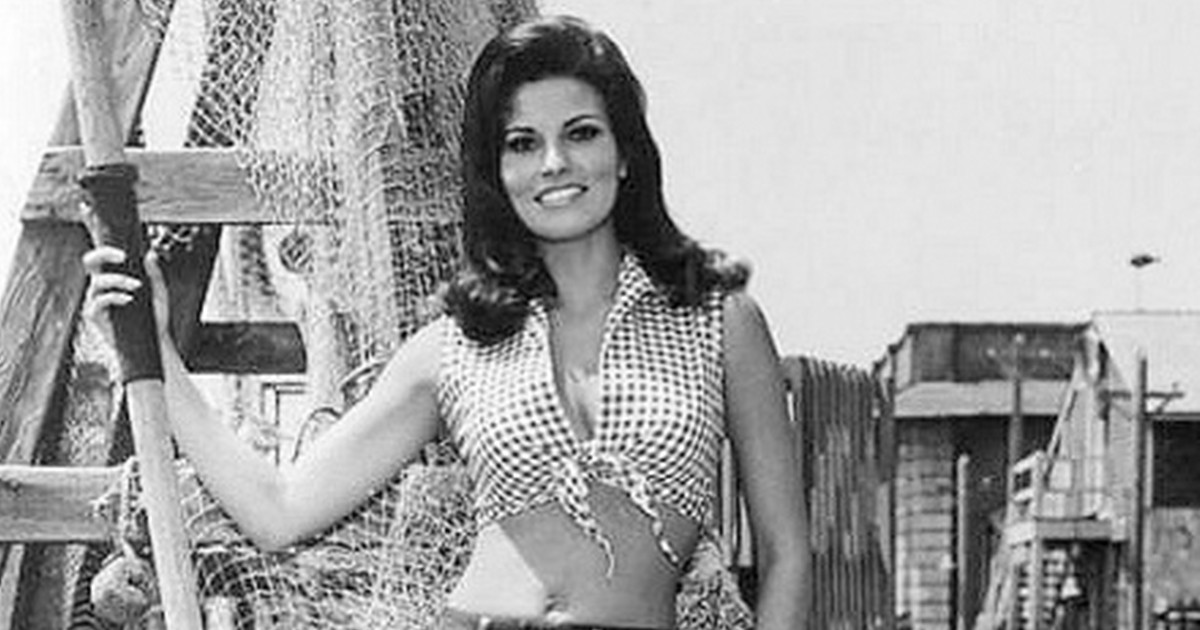

There are beautiful women, and then…there’s Raquel Welch. Positively in a league of her own.

Raquel Welch remains a name synonymous with timeless beauty, iconic Hollywood charisma, and cultural impact spanning more than half a century. Celebrated not only for her remarkable appearance but also for her breakthrough moments and influences on fashion, cinema, and the perception of Latina representation in media, Welch has left a legacy that transcends her years onscreen. This article offers a comprehensive look at her life, career, and the social context that made her an enduring figure worldwide.
Early Life and Multicultural Heritage

Born Jo Raquel Tejada on September 5, 1940, Raquel Welch grew up in a family imbued with rich traditions. Her father, Armando Carlos Tejada Urquizo, was a Bolivian-born aeronautical engineer, and her mother, Josephine Sarah Hall, had English ancestry. Welch’s multicultural background influenced her self-perception and the public’s understanding of her identity as she navigated the American entertainment industry.
Welch’s lineage included notable figures: her paternal grandfather was a respected architect, and her cousin, Lidia Gueiler Tejada, made history as the first female President of Bolivia, serving from 1979 to 1980. Despite her American upbringing and not being fluent in Spanish, Welch was deeply proud of her Hispanic roots.
Her Latino background remained relatively obscure to the public, especially after adopting her first husband’s surname. In a 2015 interview, Welch reflected: “I think language is very important to your identity and not having that … I sometimes feel isolated from that part of me. Yet I still feel very, very Hispanic. The essence of who I am is a Latina.”

Pursuit of Stardom: Beauty Pageants and Personal Challenges
Welch’s early years were marked by a dream of performing and personal setbacks. Trained in ballet, she was told she lacked the “right figure” for a professional career in dance. However, this did not dim her ambitions. At 14, she started winning beauty contests, culminating in her crowning as Miss San Diego.
“I was happiest in fantasy,” she shared with Rolling Stone in 1974. “I wasn’t good at dealing with reality… I wanted a storybook life, to be Rapunzel and Cinderella and Sleeping Beauty, all the beautiful ladies that wonderful men came along on their big white horses and dragged away… But I decided it was gonna happen.”
At 18, she married her high school sweetheart, James Welch. The couple had two children, Damon and Latanne Rene “Tahnee” Welch. The marriage ended in 1961, leading her to Texas, where she faced financial and personal difficulties as a single mother. Yet her determination to succeed in entertainment drew her to Hollywood in 1963.

Breakthrough in Hollywood: From Struggle to Stardom
Upon moving to Hollywood, Welch met Patrick Curtis, a press agent who became both her husband and manager. Curtis helped her gain early exposure through a European publicity tour, highlighting her striking looks and presence. Even before earning significant film roles, Welch became a minor celebrity in the public eye.
Curtis’s efforts secured Welch small roles in television and film, including a part in Elvis Presley’s Roustabout (1964). However, true stardom awaited just around the corner.

Defining Roles and Cultural Icon Status
In 1966, Welch received her career-defining role in the science fiction blockbuster Fantastic Voyage. However, it was another release that same year, One Million Years B.C., that cemented her as a pop culture phenomenon. Although she had only a few lines in the prehistoric adventure, her image clad in a fur bikini became one of the most enduring and recognized movie stills of the era.
Recalling the experience, Welch described feeling “like I’d stumbled into a booby trap – pun intended. I’m living proof that a picture speaks a thousand words.” Her portrayal catapulted her to international fame as the quintessential 1960s sex symbol.

The two films, though different in tone, showcased Welch’s unique blend of strength, beauty, and onscreen magnetism. Her performances established her as a desirable star and also earned her critical and commercial attention.

Television, Entrepreneurship, and Ongoing Influence
Expanding beyond film, Welch hosted her own television special, Raquel!, in the 1970s. The program featured musical performances and appearances by some of the era’s most recognizable stars, such as Bob Hope, John Wayne, and Tom Jones. This foray into television broadened her audience and underscored her versatility as a performer.
Throughout the 1980s, Welch reinvented her public image, publishing books and releasing videos on exercise and yoga. She became a forerunner in the burgeoning fitness movement, and her series of wigs found commercial success. Welch also solidified her reputation for tasteful sensuality; though she posed for Playboy, she always refused to appear nude, abiding by her personal principles and family upbringing.

Beauty, Relationships, and Public Persona
Despite her enduring image as a Hollywood bombshell, Welch’s captivating allure never overshadowed her intellect or business acumen. In 2013, she was named the second “Hottest Woman of All Time” by Men’s Health, trailing only Jennifer Aniston. Welch married four times, with each relationship attracting public and media scrutiny.
Reflecting on her personal life, she told Piers Morgan: “I had real feelings for all of those men. At the time I thought I was legitimately in love and that we could make a great life together, but it was not in the cards.” Over the years, Welch’s candor about her romances and challenges resonated with fans, highlighting her relatability and depth.

Impact on Future Generations
Raquel Welch influenced not only her contemporaries but also the generations that followed. Her daughter, Tahnee Welch, entered the entertainment world—best known for her role in Cocoon (1985)—yet often felt burdened by inevitable comparisons. Tahnee described herself as a “loner” and embraced her individuality from a young age, living apart from her family since age 16.
Raquel’s son, Damon Welch, opted for a more private life. Notably, at his wedding to Rebecca Trueman, daughter of renowned English cricketer Fred Trueman, the media fixated on Raquel’s figure-hugging black dress, sparking brief speculation about family dynamics.
Balancing motherhood with a demanding career posed its own set of struggles. Welch confided to Oprah Winfrey that her thriving film work sometimes took her away from her children, something she regretted despite her many achievements: “When I’m running around the world and being Miss Sex Symbol and having this big career in film and everything and I’m running from place to place, I couldn’t always be with my children when I wanted to be. Eventually, I could see that this was taking its toll on my kids, and it used to just break my heart.”

Legacy in Fashion and Pop Culture
Welch’s influence extended into fashion and pop culture. Her iconic bikini from One Million Years B.C. has been recreated and paid tribute to by modern celebrities, including Kim Kardashian and Emily Ratajkowski. Such nods only reinforce her status as a continuing inspiration for glamour, confidence, and individuality.
Renowned for her reluctance to undress onscreen, Welch maintained an image rooted in both allure and personal conviction. Her balance of sensuality and dignity inspired countless women in Hollywood to chart their own paths. She became a role model for many, not least for her steadfastness in remaining true to her values despite industry pressures.

Final Years and Enduring Remembrance
Raquel Welch’s passing in 2023 marked the end of an era. According to her death certificate, she died at age 82 due to cardiac arrest, with Alzheimer’s disease contributing to her decline. The announcement of her death was met by an outpouring of tributes and remembrances from admirers, co-stars, and the international community.
Welch’s legacy extends far beyond her beauty. She championed self-acceptance, broke down cultural barriers, and inspired generations to embrace their roots and individuality. Her reputation as a pioneering Latina in Hollywood opened doors for more inclusive representation in the film industry, offering hope and a path forward for aspiring actors from diverse backgrounds.

Raquel Welch’s Enduring Cultural Significance
Raquel Welch’s impact is measured not only in box office numbers and iconic magazine covers but also in the broader social and cultural changes her career mirrored. She helped redefine standards of beauty in an era when Hollywood was reluctant to celebrate diversity. Her determination, charisma, and boundary-pushing performances continue to resonate with fans worldwide.
Through her resilience and vision, Raquel Welch inspired countless people—especially women and members of the Hispanic community—to pursue their dreams and overcome adversity. Her image remains one of grace, confidence, and lasting elegance.
Sources
Disclaimer: This content is intended for entertainment purposes only and is not based on real events.
