

For most people, taking a shower is one of the simplest routines of the day.
You wake up, turn on the water, wash, dry off and get on with your morning. Or perhaps you shower after exercising, before bed or whenever you simply want to feel refreshed.
But there are moments when your body may respond differently to a shower — particularly when the water is extremely hot or cold, when you are dehydrated, or when you already feel weak or dizzy.
For healthy people, these effects are usually temporary and minor. However, older adults and people with certain heart or blood-pressure conditions may need to be more cautious.
The issue isn’t that showering itself is dangerous.
Instead, it is about understanding how water temperature, circulation, hydration and your physical condition can affect the way you feel.
Here are five situations when taking a few extra precautions may be worthwhile.
1. Right After You Wake Up
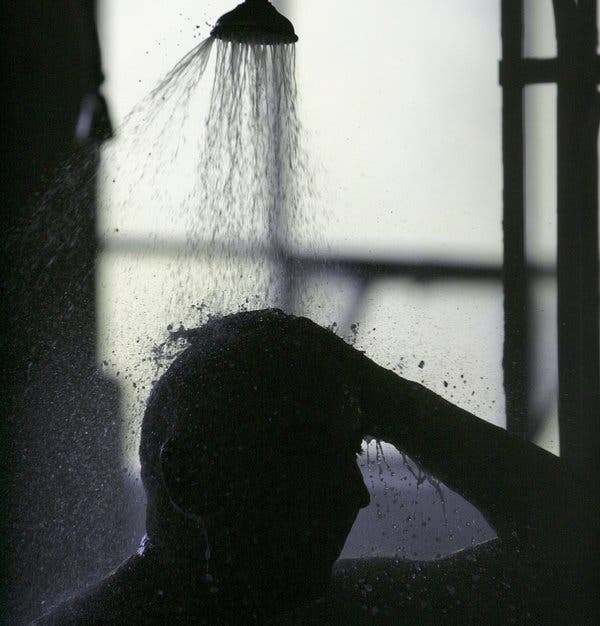
The first shower of the day can feel refreshing, especially when warm water helps you wake up.
But the transition from lying down to standing is already a moment when blood pressure can change.
When you get out of bed, gravity causes blood to temporarily shift toward the lower part of your body. Your cardiovascular system normally compensates by adjusting blood-vessel tone and heart rate.
For some people, particularly older adults or those prone to low blood pressure, this adjustment can cause lightheadedness.
Adding very hot water immediately afterward may make the sensation more noticeable because heat causes blood vessels near the skin to widen.
That can contribute to a temporary drop in blood pressure.
This doesn’t mean you need to avoid a morning shower.
A more sensible approach is to get up gradually, give yourself a moment to adjust and avoid immediately stepping into extremely hot water if you tend to feel dizzy in the morning.
If you regularly experience significant dizziness when standing up, that is something worth discussing with a healthcare professional rather than simply blaming your shower.
2. Immediately After a Large Meal

Another commonly discussed situation is showering immediately after eating.
The basic idea sounds logical: digestion increases blood flow to the gastrointestinal system, while heat from a shower causes more blood to flow toward the skin.
However, for most healthy people, there is no strong evidence that taking an ordinary shower after eating is inherently dangerous.
Your body is remarkably good at regulating blood flow between different organs.
Still, a large meal can make some people feel sleepy, uncomfortable or lightheaded, particularly if they already have problems with blood pressure.
This is especially relevant to people who experience postprandial hypotension, a drop in blood pressure after eating that is more common in older adults.
Adding a very hot shower while already feeling sluggish or dizzy may not be the most comfortable combination.
So instead of thinking in terms of a strict rule — such as “never shower after eating” — it is more useful to pay attention to how your body responds.
If you have just eaten a very large meal and already feel overly full or lightheaded, waiting a little before taking a very hot shower may be more comfortable.
3. When You Are Extremely Tired or Weak
A shower can sometimes feel like the perfect way to recover after a long day.
But if you are extremely exhausted, dehydrated or physically weak, standing in a hot shower for an extended period may make dizziness more likely.
Heat causes blood vessels to dilate.
This is one of the body’s normal responses to warming. Blood flow to the skin increases so that the body can release heat.
For someone who is already dehydrated or prone to low blood pressure, the combination can sometimes produce lightheadedness.
There is also a simple practical issue.
When you are exhausted, your balance and alertness may not be at their best.
Standing on a wet bathroom floor while feeling dizzy creates an obvious risk of losing your balance.
If you feel weak, take your time.
Sit down if necessary, keep the water comfortably warm rather than extremely hot and avoid rushing.
If you are feeling seriously unwell, a shower may not be the priority at that moment.
4. When the Water Is Extremely Hot
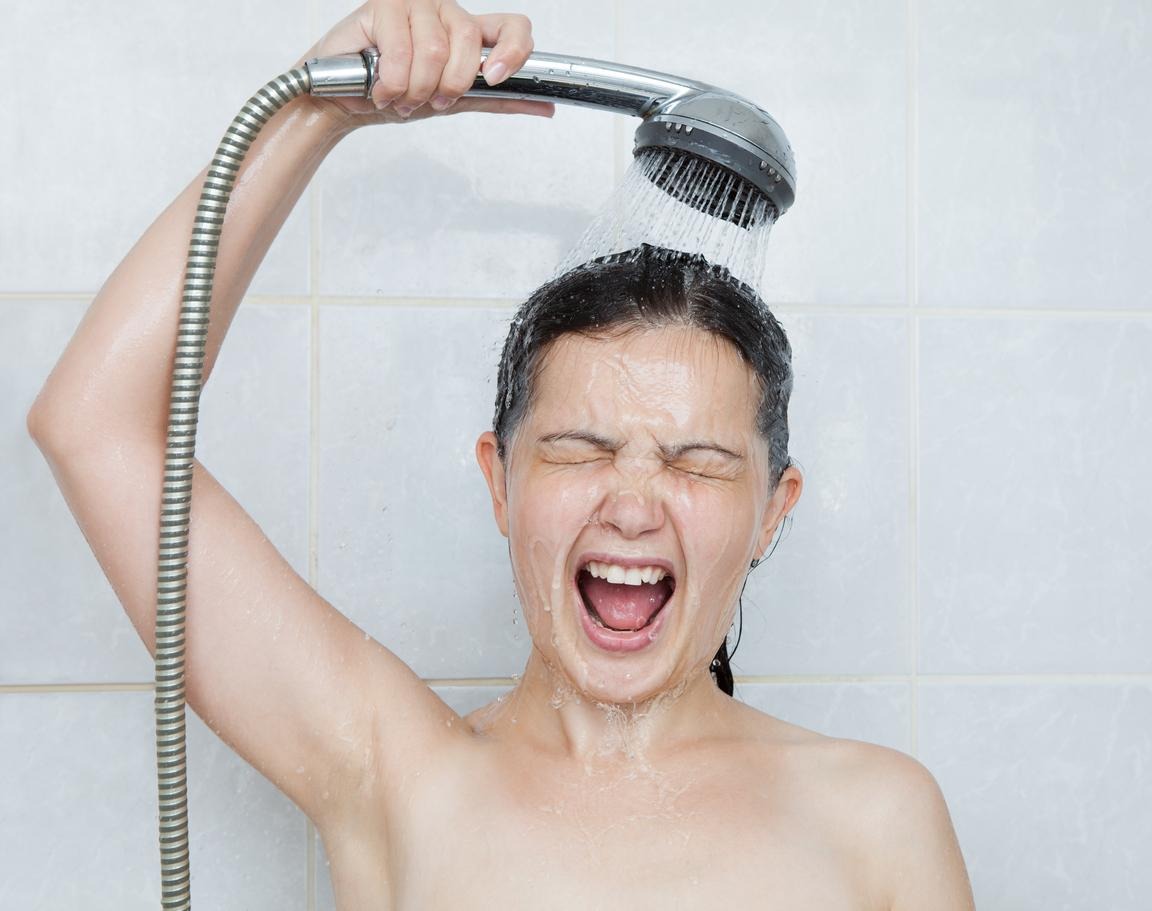
A steaming-hot shower can feel wonderful, especially during cold weather.
But hotter is not necessarily better.
Very hot water can cause the blood vessels near the skin to widen, which may lower blood pressure and produce dizziness or weakness in some people.
It can also remove natural oils from the skin, potentially worsening dryness and irritation.
The American Academy of Dermatology recommends keeping showers relatively short and using warm rather than hot water, particularly for people with dry or sensitive skin. (aad.org)
A practical test is simple:
If the water feels painfully hot or leaves your skin noticeably red, turn it down.
You do not need extremely hot water to clean your body effectively.
Comfortably warm water is usually enough.
People with cardiovascular conditions or a history of fainting may also want to be particularly cautious about prolonged exposure to very hot water and discuss any concerns with their healthcare professional.
5. When You Are Already Dehydrated
Dehydration can happen for many reasons.
You may have exercised heavily, spent hours outside in hot weather, been sick or simply forgotten to drink enough fluids throughout the day.
When you are dehydrated, your blood volume can decrease.
That can make it more difficult for your body to maintain blood pressure, particularly when you suddenly stand up.
Now add a hot shower.
Heat causes blood vessels to expand, potentially making the body work harder to maintain adequate circulation.
For some people, the result can be dizziness or weakness.
This doesn’t mean you should never shower when thirsty.
Instead, recognize when dehydration is significant.
If you are already feeling lightheaded, unusually weak or faint, sit down and address the underlying problem rather than forcing yourself to stand under hot water.
And if dehydration is severe or accompanied by concerning symptoms, seek medical advice.
What About Cold Showers?
Cold showers have become popular, particularly among people interested in wellness and exercise.
But extremely cold water produces a very different cardiovascular response from hot water.
Sudden cold exposure can cause blood vessels to constrict and can temporarily increase blood pressure and heart rate.
For healthy people, a brief cold shower may be tolerated well.
But sudden exposure to very cold water can be more challenging for people with cardiovascular disease.
That is why there is an important distinction between a cool shower and an extreme cold-water exposure.
You do not need to make the water freezing to experience the refreshing sensation of a cooler shower.
If you have heart disease, abnormal heart rhythms or another cardiovascular condition, ask your healthcare professional whether deliberate cold exposure is appropriate for you.
Lukewarm Water May Be the Best Middle Ground
When it comes to everyday showering, there is rarely a need to choose between extremes.
Lukewarm or comfortably warm water provides a practical middle ground.
It is warm enough to wash away sweat, oils and dirt without exposing the body to the intense heat associated with very hot water.
It is also less likely to produce the dramatic sensation that can accompany sudden exposure to extremely cold water.
Dermatologists commonly recommend warm rather than hot water because excessive heat can contribute to dry, irritated skin. (aad.org)
Your skin can also provide useful feedback.
If your skin feels tight, itchy or unusually dry after showering, the water may be too hot, the shower may be too long, or your cleansing products may be too harsh.
The Bathroom Environment Matters Too

The shower itself isn’t the only factor.
Bathrooms can become extremely warm and humid, particularly when the door is closed and hot water has been running for several minutes.
For someone who is already feeling weak or overheated, that environment can contribute to discomfort.
Good ventilation can help.
Opening a bathroom vent or allowing some airflow can prevent the room from becoming excessively hot and humid.
A nonslip bath mat or shower surface can also provide an important safety benefit, especially for older adults.
And if you have previously felt faint while showering, consider sitting down or using appropriate support rather than trying to push through the sensation.
What If You Feel Dizzy in the Shower?
If dizziness suddenly appears, don’t try to “tough it out.”
Turn the water down or off and sit or lie down somewhere safe.
The immediate priority is preventing a fall.
Once you are safe, consider what may have contributed to the episode.
Had you skipped a meal?
Were you dehydrated?
Was the bathroom unusually hot?
Was the water extremely warm?
Had you recently exercised?
Were you already feeling ill?
An isolated episode may have a simple explanation.
But repeated episodes deserve more attention.
Frequent dizziness, fainting or significant changes in blood pressure should be discussed with a healthcare professional because many different conditions and medications can contribute to these symptoms.
People Who May Need Extra Caution
Most healthy adults can shower without worrying about their circulation.
However, additional caution may be appropriate for people who:
-
Have a history of fainting
-
Experience frequent low blood pressure
-
Have certain cardiovascular conditions
-
Take medications that can lower blood pressure
-
Are older and prone to dizziness
-
Are significantly dehydrated
-
Are recovering from illness
-
Feel unusually weak or unsteady
This doesn’t mean these people cannot shower.
It simply means that extreme temperatures and sudden changes may be less comfortable or more likely to cause symptoms.
Individual medical advice is especially important if you have a diagnosed cardiovascular condition or regularly experience fainting.
Five Simple Shower Safety Habits
Fortunately, avoiding uncomfortable shower-related symptoms does not require complicated changes.
A few simple habits can make a difference.
Keep the water comfortably warm
Avoid turning the temperature up as high as it will go.
Warm water is generally sufficient for cleaning and is kinder to the skin.
Stand up slowly
If you have just woken up or have been lying down for a while, take a moment before walking directly into the shower.
Stay hydrated
Drink fluids regularly, particularly after exercise or time spent in hot weather.
Pay attention to dizziness
If you suddenly feel faint, stop what you’re doing and sit down somewhere safe.
Improve bathroom safety
Use nonslip surfaces and keep the room adequately ventilated.
These steps may seem simple, but simple precautions can be especially valuable for older adults and anyone who has experienced dizziness before.
When Is Dizziness More Concerning?
A brief episode of lightheadedness is not necessarily a medical emergency.
But certain symptoms should not be ignored.
Seek urgent medical attention if dizziness or fainting occurs alongside symptoms such as chest pain, significant difficulty breathing, severe weakness, confusion or other sudden neurological changes.
Likewise, repeated unexplained fainting should be medically evaluated.
The shower may be where you notice the problem, but that does not necessarily mean the shower is the underlying cause.
Sometimes the bathroom simply happens to be the environment where symptoms become noticeable.
The Bottom Line
There is no universal “dangerous time” when everyone should avoid taking a shower.
For most people, showering is a safe and ordinary part of daily life.
The bigger concern is what happens when several factors come together: extreme temperatures, dehydration, exhaustion, sudden standing and an individual tendency toward dizziness or blood-pressure changes.
Very hot water can widen blood vessels and contribute to lightheadedness, while sudden cold exposure can temporarily increase cardiovascular stress.
After a large meal, some people — particularly older adults — may already be susceptible to changes in blood pressure.
And if you are exhausted or dehydrated, standing in a hot, humid bathroom may not be the best combination.
The simplest approach is also one of the most practical:
Choose comfortably warm water, stay hydrated, move slowly and listen to your body.
If you regularly become dizzy or faint during or after showering, don’t simply assume that you need to change your shower routine.
Talk with a healthcare professional.
Your shower should leave you feeling refreshed — not wondering why the room suddenly seems to be spinning.
Sources
-
American Academy of Dermatology — Tips for managing dry skin and shower temperature. (aad.org)
-
American Heart Association — Understanding changes in blood pressure and factors affecting circulation.
-
National Institute on Aging — Information on dizziness, blood pressure and fall prevention in older adults.
-
Mayo Clinic — General guidance on dehydration, dizziness and when medical evaluation may be appropriate.
