
The Enigma on the Wall: Uncovering the Secret Life of the Household Bagworm
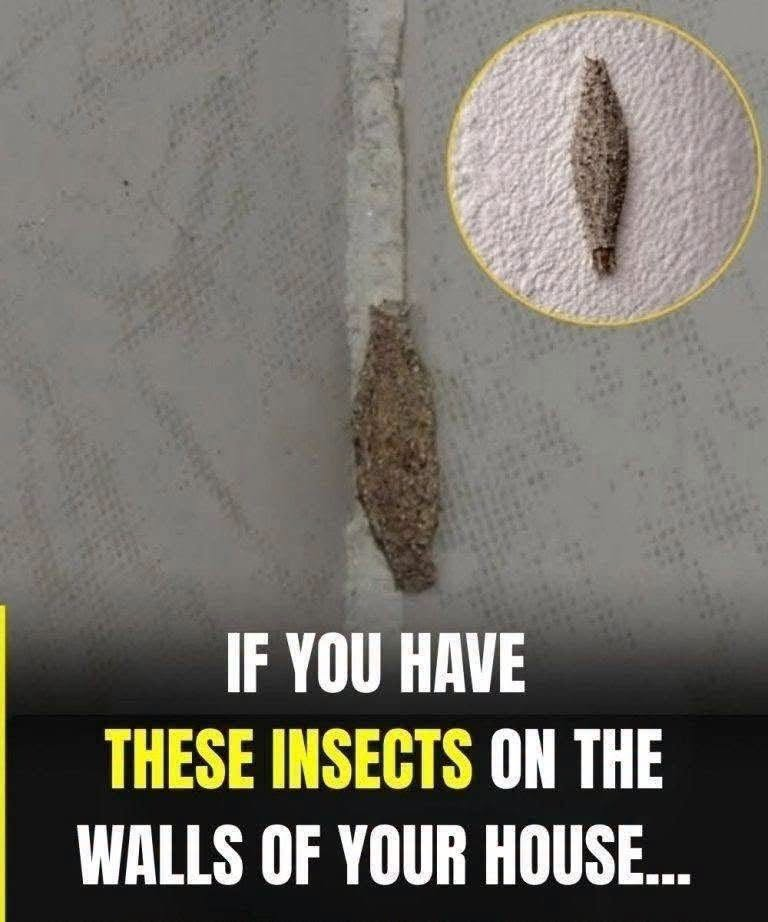
It begins with a simple optical illusion, a quiet trick played on the tired human eye. You are walking down your hallway, or perhaps settling into the quiet sanctuary of your bedroom, when you spot it. It is just a speck of dirt clinging inexplicably to the ceiling, an odd crumb resting on the pristine paint, or perhaps a tiny piece of fuzz hovering near the edge of your baseboard. You ignore it, naturally. Our minds are heavily conditioned to filter out the mundane, to overlook the microscopic detritus of daily life in favor of the larger picture. Yet, days later, the landscape of your wall has subtly and undeniably changed. There are more of these peculiar gray shapes. They appear in the forgotten corners, hide behind heavy oak furniture, and occasionally materialize near your pillow. They are not mere dust. They are feeding, hiding, and quietly breathing in the unseen margins of your domestic sanctuary.
The realization that the dust has a life of its own taps into a primal human instinct. For centuries, our homes have been our ultimate fortresses against the wild, untamed natural world. When the wild slips inside, disguised as the very dust we sweep away, it awakens a sense of mystery and profound curiosity. These tiny, moving flakes are known scientifically as Phereoeca uterella, but they are more commonly recognized in insect identification circles as plaster bagworms or household casebearers. They are a marvel of biological engineering, a masterclass in camouflage, and their presence transforms an ordinary room into a landscape of miniature folklore and hidden wonders.
The Folklore of Dust and Hidden Things
To truly understand the bagworm is to appreciate the ancient, complex relationship between humanity and the hidden corners of our dwellings. In traditional folklore and global mythology, the neglected spaces of a home—the drafty attics, the shadowy corners, the quiet spaces beneath the floorboards—were often viewed as liminal zones. These were places where the ordinary world brushed up against the extraordinary, where house spirits were said to dwell, and where the natural world slowly reclaimed its territory. Dust itself carries a heavy, almost poetic symbolic weight. It is the physical manifestation of time passing, a quiet collection of shed skin, fallen hair, drifting pollen, and the earth carried in on the soles of our shoes.
When we discover insects thriving within this dust, we are peering into a miniature ecosystem that operates entirely without our permission or awareness. In many historical cultures, finding harmless insects inside the home was not a cause for immediate panic, but rather a gentle reminder of the interconnectedness of all living things. Spiders were seen as patient weavers of good fortune, and the presence of tiny, industrious creatures was sometimes viewed as a sign of a house deeply lived in and connected to the earth. The household bagworm fits perfectly into this rich historical tapestry. It is an insect that literally builds its life out of our forgotten moments, stitching together the discarded fragments of our existence into something wholly new and brilliantly resilient.
The Miniature Architect of the Shadows
The life cycle of the household bagworm is a fascinating journey of resourcefulness, survival, and architectural brilliance. These tiny larvae are the ultimate recyclers of the natural world, miniature builders that construct their own portable sanctuaries from the ruins of our living spaces. When a bagworm hatches, it immediately begins a lifelong project of self-preservation. Using resilient silk produced directly from its own body, it weaves a hollow, seed-shaped case. But delicate silk alone is not enough to protect it from the vast, open expanses of a modern living room, nor does it provide the necessary cover to avoid detection. The larva must camouflage itself to survive.
This is where the insect’s true ingenuity shines, making it a captivating subject for any pest control professional or curious homeowner. The creature drags its silken sleeping bag across your floors and walls, deliberately collecting materials to fortify and disguise its exterior. It gathers lint from your laundry room, tiny grains of sand from the entryway, discarded spider webs from the ceiling, fabric fibers from your favorite wool sweaters, and even strands of human hair. It cements this carefully curated debris to its casing, creating a perfectly disguised, portable cocoon that blends seamlessly into the background. When danger approaches, or when it is simply time to rest, the larva retreats entirely into this protective shell, clamping the opening shut and clinging motionless to the wall. It hides in plain sight, a brilliant evolutionary strategy that allows it to survive and thrive in the harsh, dry environment of a human household.
The Geography of the Unnoticed
Effective insect identification and management rely heavily on understanding the unique, invisible geography of your home. Pests do not wander aimlessly through our living spaces; they seek out specific microclimates that offer safety, sustenance, and the absolute luxury of being ignored by giant humans. For the bagworm, the ideal habitat is a place where time seems to stand still. Quiet bedrooms, deep and dimly lit closets, and the dusty expanses beneath heavy beds become perfect, undisturbed feeding grounds. They thrive in areas where delicate cobwebs are allowed to gather and where the fierce suction of the vacuum cleaner rarely reaches.
By mapping out exactly where these creatures congregate, we are essentially mapping our own domestic blind spots. They force us to look critically at the forgotten spaces in our environment. A cluster of bagworms on a high ceiling corner tells the silent story of a room that has not felt the sweep of a long-handled duster in months. A gathering near a baseboard tucked behind a heavy bookshelf indicates a stagnant pocket of air and a rich accumulation of natural fibers. They are naturally attracted to slight humidity and the microscopic feast of organic material that we constantly, unknowingly leave behind in our daily lives. They are not a biblical plague meant to bring down the structural integrity of the house; rather, they are a silent alarm, a natural, biological indicator of neglect in the hidden corners.
A Gentle Warning Light, Not an Invasion
In the realm of modern pest control, the sudden discovery of insects often triggers a disproportionate sense of panic and anxiety. We live in a highly sterilized era where total eradication of the natural world from our living spaces is frequently marketed as the only acceptable standard of cleanliness. However, finding a few bagworms clinging to a bedroom wall rarely signals a catastrophic infestation or a threat to your family’s wellbeing. Unlike aggressive termites that consume the very structural bones of a house, or pests that pose significant health risks and carry disease, the household casebearer is entirely harmless to humans and pets. They do not bite, they do not sting, they do not carry pathogens, and they generally do not cause extensive, irreparable damage to property.
Instead of reacting with fear, their presence should be viewed as a gentle warning light on the dashboard of your home maintenance routine. They are simply letting you know that the delicate ecosystem of your house has tilted slightly in favor of the wild. To see them is to realize that your home is inadvertently providing secure shelter and rich sustenance to uninvited guests. This perspective shifts the narrative entirely—from one of fear, disgust, and aggressive chemical warfare, to one of proactive, mindful domestic stewardship. Removing them does not require toxic sprays or a terrified retreat from your own home. It simply requires a calm return to the mindful, rhythmic rituals of domestic care and cleaning.
Reclaiming the Sanctuary of the Home
The art of getting rid of bagworms is fundamentally the art of actively reclaiming your physical space. Effective, long-term pest control for these subtle, dusty invaders is rooted deeply in the simple acts of physical cleaning. By deliberately disrupting their environment, you strip them of their protective shelter and their reliable food source, instantly turning a comfortable hiding place into a hostile, uninhabitable territory.
Begin by embracing the ancient ritual of the deep clean. Regular, thorough vacuuming is your most powerful and effective tool against the bagworm. Guide the nozzle carefully along the sharp edges of ceilings, trace the long lines of baseboards, and bravely venture beneath heavy, immovable furniture. The primary goal is to completely remove the accumulated dust, stray lint, and pet dander that serve as the foundational building blocks for their intricate cases. Wiping away cobwebs is equally vital to this process, as bagworms are known to frequently scavenge the abandoned, sticky silk of house spiders to reinforce the walls of their own miniature homes.
Closets, often the quietest and most neglected areas of any home, require special, focused attention. Tidying these storage spaces, taking the time to vigorously shake out stored fabrics, and ensuring proper air ventilation will drastically reduce the humidity and stillness that casebearers crave. Pay close attention to functional spaces like laundry rooms and bathrooms, clearing away heavy lint traps and wiping down corners where moisture and fibers naturally accumulate after hot showers. As you sweep, dust, and organize your home, you are doing much more than just performing a chore; you are establishing firm boundaries. You are gently but decisively closing the door to the hidden, microscopic world, ensuring that the dust on your walls finally stops moving.
Coexisting with the Microscopic World
Our homes will never be entirely separate from the natural world, no matter how tightly we seal the weatherstripping on the windows or how frequently we sweep the hardwood floors. There will always be tiny, unseen forces operating just beyond the edge of our peripheral vision. The story of the plaster bagworm is a beautiful, fascinating reminder of the relentless resilience of nature, a testament to life’s incredible ability to adapt, camouflage, and thrive in the most unexpected of human environments.
The next time you spot a peculiar speck of dirt clinging stubbornly to your bedroom wall, you do not need to feel a sudden sense of dread or reach for a can of harsh chemicals. Instead, take a fleeting moment to marvel at the incredible ingenuity of the natural world. You are looking at a tiny, masterful architect, a resourceful survivor wrapped securely in a cloak woven from the very fabric of your daily life. Acknowledge its quiet presence, appreciate the silent, valuable lesson it offers about the neglected corners of your sanctuary, and then, with a simple, deliberate swipe of a cleaning cloth, reclaim your space. The mystery of the moving dust is easily solved, leaving behind a cleaner, more mindful home, and a newfound respect for the invisible wonders that quietly share our world.
Have you ever noticed these tiny, resourceful architects hiding in the quiet corners of your own home?
