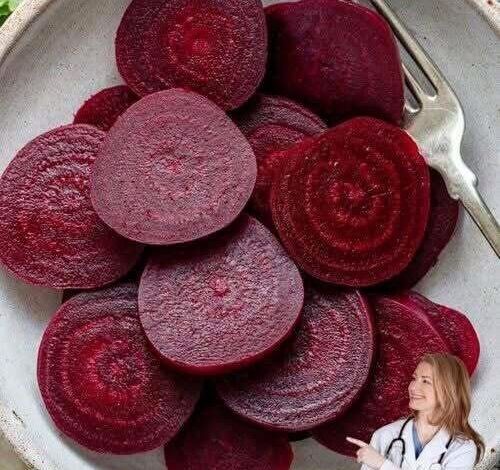

For centuries, human beings have looked to the earth for sustenance, drawing life from the soil in a profound, cyclical exchange. Among the myriad treasures pulled from the dirt, few vegetables possess the visual drama and rich mythological heritage of the humble beet. With its deep, staining crimson hue and profoundly earthy flavor, the beetroot has long been viewed as a symbol of vitality and hidden subterranean power. Ancient civilizations whispered that this vibrantly colored root held the very essence of life, a botanical mirror to the blood that courses through our own veins. In Greek mythology, it was believed that Aphrodite, the goddess of love and beauty, sustained her captivating allure by dining on heavy portions of beets. Similarly, within the hallowed sanctuaries of the Oracle of Delphi, this root was considered so sacred that it was offered to the god Apollo on plates of solid silver. Today, the mystical reverence of the ancients has been replaced by the meticulous gaze of modern nutritional research. Yet, the findings of modern science are no less magical than the folklore of old. The contemporary understanding of the beet reveals a complex nutritional profile that validates much of the ancient intuition, offering an array of profound benefits for the human body that bridge the gap between historical imagination and biological reality.
Beneath its unassuming, rough exterior, the beetroot conceals a veritable treasure trove of essential compounds. It is a dense repository of dietary fiber, folate, manganese, and potassium, all bound together by naturally occurring pigments known as betalains. These remarkable compounds are responsible for the vegetable’s striking, jewel-toned appearance and its potent antioxidant properties. But perhaps the most enchanting secret held within the crimson flesh of the beet is its high concentration of dietary nitrates. To consume a beet is to partake in a silent alchemy, a process where the earth’s raw elements are effortlessly transformed into human vitality. As we explore the myriad ways this ancient root interacts with our biology, we begin to understand why it has remained a fixture of human cultivation for millennia, transcending its role as mere food to become a subject of scientific fascination and enduring folklore.
The Alchemy of Breath and Blood: Nitrates and the River of Life
In the ancient world, healers often associated red plants with the heart and the blood, guided by the doctrine of signatures—a belief that a plant’s physical appearance hinted at its medicinal purpose. Modern cardiology has, in a fascinating turn of events, lent a degree of scientific credence to this poetic notion. The secret lies in the humble dietary nitrate, a compound abundantly stored within the cellular walls of the beet. When consumed, the human body initiates a complex, almost magical conversion process, transforming these natural nitrates into a vital molecule known as nitric oxide.
Nitric oxide acts as a gentle, invisible messenger within the cardiovascular system. It travels through the blood vessels, whispering to the muscular walls and encouraging them to relax and widen. This process, known as vasodilation, reduces the resistance against which the heart must pump. When the internal pathways of the body are opened and smoothed, the river of blood can flow with greater ease and efficiency. Consequently, individuals may experience a temporary decrease in blood pressure. Numerous clinical studies exploring the effects of beetroot juice and other nitrate-rich foods have documented modest reductions in blood pressure among various participants, though individual responses naturally vary based on unique physiology. It is crucial to remember that while the beet is a powerful ally, it is not a magical panacea. It should never serve as a replacement for prescribed blood pressure medications, and anyone actively navigating a cardiovascular condition should always seek the wisdom of a medical clinician before embarking on significant dietary transformations.
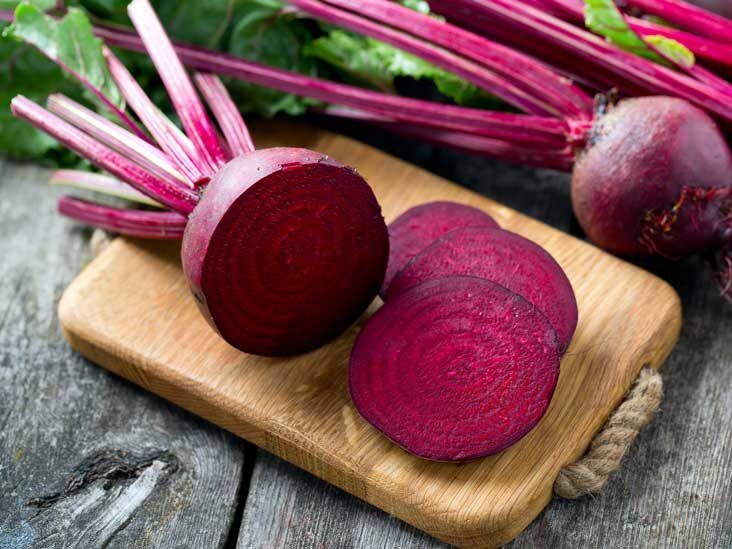
An Elixir for the Tireless Wanderer: The Endurance of the Ancients
The tales of antiquity are replete with heroes embarking on tireless journeys, their stamina fueled by the hidden bounties of the natural world. Today, the beet serves as a modern elixir for athletes and endurance seekers who wish to push the boundaries of human physical capability. The improved blood flow facilitated by nitric oxide does not merely ease the burden on the heart; it profoundly alters the way the body utilizes oxygen during strenuous exertion. By reducing the oxygen cost of steady, sustained effort, dietary nitrates allow muscles to perform their labor with greater efficiency.
In the practical realm of the runner, the cyclist, or the swimmer, this biochemical efficiency translates to a tangible sense of prolonged endurance. An athlete consuming beetroot juice prior to an event may find themselves able to maintain a rigorous pace just a little bit longer, staving off the heavy, creeping veil of fatigue. Of course, this botanical benefit is not an absolute guarantee, nor does it possess the power to magically substitute for the foundational pillars of athletic training, deep sleep, adequate hydration, and comprehensive nutrition. Yet, this remarkable physiological response beautifully explains the sudden, soaring popularity of beetroot within the disciplined world of sports nutrition. It is a testament to the enduring relationship between human ambition and the supportive, yielding earth.
The Hidden Keepers of the Earth: Fiber and the Inner Garden
To eat a beet is to ground oneself in the soil, to ingest the fibrous, structural integrity of the earth itself. A generous serving of whole beets provides a rich contribution of dietary fiber, an essential component for maintaining the delicate harmony of the human digestive system. In the folklore of natural healing, the gut is often viewed as the root system of the human body, the hidden garden where our vitality is either cultivated or choked by neglect. The fiber found within the beet acts as a gentle, guiding hand for digestion, supporting regular bowel movements and ensuring the swift, comfortable passage of waste.
Beyond mere mechanical assistance, this fiber serves as a vital feast for the trillions of beneficial microbes that populate the human microbiome. These microscopic allies rely on complex carbohydrates to thrive, and in return, they produce compounds that protect our intestinal lining and support our immune defenses. It is worth noting that whole, beautifully roasted or gently steamed beets provide a vastly superior source of this vital fiber compared to strained, heavily processed juices. For those seeking to cultivate the health of their inner garden, partaking in the whole vegetable—embracing its firm texture and deep, earthy flavor—is a far more potent practice than relying solely on concentrated, liquid extracts.

The Tapestry of Creation: Folate and the Spark of Cellular Life
Within the dense, ruby core of the beet lies an abundance of folate, a deeply essential B-vitamin that plays a critical role in the very creation of life. Folate is the master architect of cellular division, an indispensable nutrient utilized by the body to synthesize and repair genetic material. In the grand narrative of human existence, there is perhaps no phase more heavily reliant on this nutrient than pregnancy. It is the time when a single spark of life rapidly multiplies, weaving a complex, miraculous tapestry of flesh, bone, and consciousness.
Adequate folate intake is of paramount importance both prior to conception and throughout the journey of pregnancy, helping to ensure the proper formation of the neural tube and the healthy development of the child. While the beet offers a beautiful, natural source of this vital nutrient, the demands of creating life are immense. Food alone, even food as nourishing as the crimson root, may not meet the heightened requirements of every individual. For this reason, national health guidelines universally recommend the thoughtful incorporation of folic acid supplementation for those who may become pregnant, guided always by the personalized advice of a trusted healthcare professional. The beet, however, remains a steadfast, nourishing companion on this profound journey of creation.
Myths of Purification and the Crimson Illusion
In our modern era, an entire mythology has sprung up around the concept of dietary detoxification, often elevating certain plants to the status of miraculous, purifying saviors. The beet, with its vibrant betalain pigments boasting profound antioxidant and anti-inflammatory properties, frequently finds itself at the center of these sweeping claims. Laboratory research undoubtedly paints a highly promising picture of these compounds, showcasing their ability to neutralize harmful free radicals and soothe the hidden fires of cellular inflammation. However, the seductive claim that eating beets will actively “detox” the human body or definitively cure chronic disease stretches far beyond the boundaries of current scientific evidence.
The human body is already equipped with its own miraculous, highly efficient purification systems—the liver and the kidneys—which work tirelessly in the shadows to filter and cleanse the blood. The role of the beet is not to perform magic, but to provide the structural support and antioxidant resources these vital organs need to function at their optimal capacity. True vitality is never found in a single, isolated “superfood,” but rather in a diverse, brightly colored diet rich in a symphony of vegetables, fruits, legumes, whole grains, and healthy proteins.
Furthermore, the beet is known to cast a harmless but startling illusion upon those who consume it. The vibrant red pigments can pass through the digestive tract relatively unchanged, causing urine or stool to turn a striking shade of pink or crimson—a whimsical, entirely benign phenomenon known as beeturia. While this colorful transformation can be surprising to the uninitiated, it is a testament to the potent, staining power of the root. However, one must remain vigilant; true blood in the urine or stool can signal a serious medical problem. Anyone uncertain about the cause of such discoloration, particularly if it persists or is accompanied by pain, should promptly seek the clarifying wisdom of a medical professional.
A Cautionary Whisper from the Apothecary
Every powerful element in nature carries its own inherent boundaries, and the beet is no exception. In the old apothecaries, healers understood that a medicine for one could be a burden to another. People who are naturally prone to the formation of calcium oxalate kidney stones must approach the beet with a measure of caution. This root vegetable is notably high in oxalates, naturally occurring compounds that can crystallize and cause immense discomfort in susceptible individuals. Depending on specific medical guidance, moderation is often the wisest path.
Similarly, the modern practice of juicing can inadvertently amplify certain risks. Concentrated beet juice extracts the water and nutrients but leaves the protective fiber behind, resulting in a beverage that can be surprisingly dense in natural sugars and nitrates. For individuals actively managing kidney disease, navigating the complexities of diabetes, or monitoring chronically low blood pressure, these concentrated doses require careful consideration. The wisdom of a qualified healthcare professional is essential to determine the appropriate amount, ensuring that the magic of the beet harmonizes safely with one’s unique physiological landscape.
Conjuring the Harvest: Bringing the Crimson Root to the Table
The preparation of the beetroot is an invitation to engage in a sensory, grounded culinary ritual. It does not demand elaborate complexity to release its profound flavors and nutritional bounty. The transformation can be remarkably simple. Beets can be slowly roasted in the oven until their dense flesh yields into tender, caramelized perfection, coaxing out their natural, earthy sweetness. They can be grated raw, their vibrant ribbons adding a startling crunch and a splash of dramatic color to fresh, green salads. They can be seamlessly blended into rich, warming soups, or thoughtfully paired with the tart brightness of citrus, the creamy tang of yogurt, and the savory crunch of toasted walnuts.
Even the convenience of canned beets offers a pathway to this ancient nutrition, provided one remains mindful of the modern additions of sodium and refined sugars on the label. And in a beautiful display of botanical generosity, the beet refuses to waste even a fraction of its energy. The leafy green tops, so often discarded by the unaware, are entirely edible and deeply nutritious, capable of being sautéed and savored in much the same way as Swiss chard or spinach. To utilize the entire plant is to honor the full cycle of the harvest, drawing complete nourishment from both the hidden root and the sunlit leaf.
The Ordinary Magic of the Ground
When embarking on a relationship with this storied vegetable, the most practical approach is rooted in gentle observation. Start with a modest, beautifully prepared serving and simply notice how your unique body responds to its earthy energy. Regularly inviting beets into a diverse, vibrant rotation of daily vegetables is a magnificent way to elevate the overall quality and resonance of one’s diet. While concentrated beetroot shots may offer a convenient burst of nitrates for the highly active, they remain an optional enhancement rather than an essential requirement. In the realm of natural nutrition, more is not automatically better; harmony and balance are the true goals.
Ultimately, the strongest, most enduring conclusion we can draw about the beet is pleasantly, profoundly ordinary. It is a remarkably nutritious food, an ancient anchor in a modern world, but it is not a bottle of magic medicine. Its rich tapestry of dietary nitrates, essential fiber, life-giving folate, foundational minerals, and jewel-toned pigments offer undeniably useful benefits when woven into a balanced, holistic pattern of living. Enjoying the crimson root consistently, in thoughtful portions that align with your individual health journey, is a far more sensible and rewarding pursuit than chasing the dramatic, fleeting promises of the latest dietary fad. In the quiet, humble beet, we find a beautiful reminder that the most profound magic often lies resting quietly in the dark, waiting patiently in the soil for us to unearth it.
