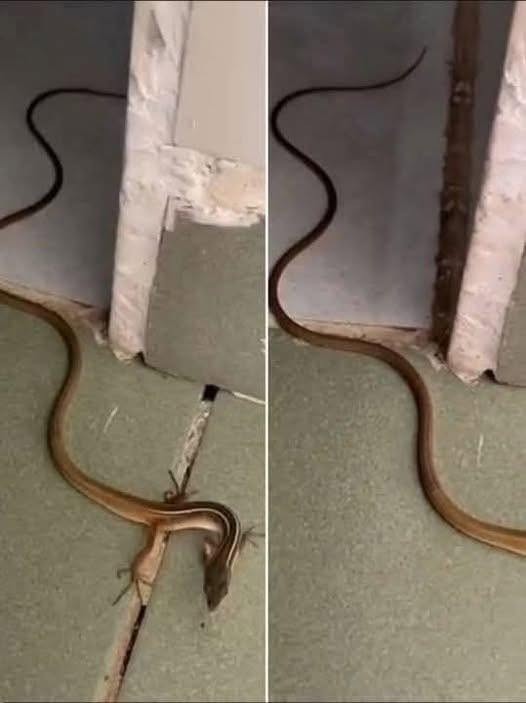

Encountering a snake indoors is an alarming experience for most homeowners. While it’s natural to feel a jolt of panic, keeping calm and understanding the correct steps is vital for ensuring your safety and the snake’s well-being. This comprehensive guide explores what you should do if you find a snake in your home, providing expert advice, safety protocols, prevention strategies, and context about why snakes enter homes in the first place. By staying informed, you can respond effectively and prevent dangerous situations for your family and pets.
Understanding Snake Behavior: Why Snakes Enter Homes
Snakes are highly adaptive reptiles found in habitats ranging from forests to urban environments. Contrary to common fears, snakes do not seek out human dwellings with malicious intent. Typically, they enter homes while searching for food, water, shelter, or to regulate their body temperature. Common attractants include:
- Rodent infestations: Snakes are natural predators of mice and rats.
- Cool, shaded spaces: During extreme heat or cold, snakes may look for comfortable areas indoors.
- Cracks and gaps: Unsealed doors, windows, or structural crevices offer easy entry points.
- Water sources: Leaks and standing water attract both snakes and their prey.
Understanding these factors can reduce the likelihood of future encounters by addressing potential attractants in your home.

Initial Response: Staying Calm and Ensuring Safety
Your first instinct may be to panic or react impulsively, but maintaining composure is paramount. According to experts at the Centers for Disease Control and Prevention (CDC), sudden movements can startle the snake, increasing the risk of a defensive bite.
- Do not approach, corner, or try to handle the snake.
- Remove children and pets from the immediate area.
- Identify the snake from a safe distance, if possible. Do not attempt identification if this puts you at risk.
- Close off the room: Shut doors and seal gaps under doors with towels to confine the snake.
Snakes are not naturally aggressive. Most bites occur when snakes feel threatened or trapped. Keeping a safe distance helps minimize risk for everyone involved.
Identifying the Snake: Venomous or Nonvenomous?
If you can observe the snake safely, try to note its color, pattern, and size. This information is crucial for professionals. Venomous snakes, such as rattlesnakes, copperheads, or cobras (depending on your region), pose additional risks, but many snakes found in homes are harmless species like rat snakes or garter snakes. If you are not an expert, do not approach or attempt to catch the snake for identification.
Most countries have information online about common local snake species. However, attempting to identify a snake should never come before personal safety.

Contacting Professionals: Who to Call for Help
The safest and most recommended option is to contact a professional wildlife handler, animal control, or pest removal service. These experts have training and tools to remove snakes safely and humanely. In some regions, fire departments may assist in emergencies involving snakes.
- Emergency Number: If someone is bitten or the snake is blocking an essential exit, call emergency services immediately.
- Local Animal Control: Check your municipality’s website for contact information.
- Licensed Wildlife Removal Services: Search online or ask neighbors for reputable providers.
Avoid attempting to capture or kill the snake, as this increases risk. Professional intervention ensures both household and animal welfare.
If You Must Intervene: Temporary Measures Until Help Arrives
In rare situations where professional help is delayed or unavailable, you may need to take temporary measures. Proceed with caution:
- Use a long object, such as a broom, to nudge the snake gently toward an open exit if you have a direct path outside.
- Do not touch the snake with your hands, even if you believe it is nonvenomous.
- If the snake is in a confined space, you can cover it with a large bin, bucket, or box, then carefully slide a hard surface (like cardboard) underneath to trap it. Only attempt this if you are confident the snake is not venomous and you can do so safely.
Keep your body as far from the snake as possible at all times. If in doubt, wait for professionals.

First Aid for Snake Bites
While the risk of being bitten during a snake encounter in your home is low, it is important to know what to do if it happens. Modern guidance from the CDC and the World Health Organization (WHO) includes:
- Call emergency services immediately.
- Keep the bitten person calm and still. Immobilize the bitten area and keep it at or below heart level.
- Remove tight clothing or jewelry near the bite site.
- Do NOT try to suck out the venom, cut the wound, or apply a tourniquet.
- Monitor breathing and symptoms until help arrives.
Preventing Future Snake Encounters in Your Home
Prevention is the best long-term strategy. Steps homeowners can take include:
- Seal entry points: Inspect for cracks, gaps under doors, vents, and holes in foundations. Use weatherstripping or caulk as necessary.
- Control rodent populations: Keep food in sealed containers, clean up food scraps, and eliminate potential nesting sites.
- Remove outdoor debris: Brush, wood piles, and tall grass attract snakes and their prey. Keep your yard tidy.
- Secure compost bins and trash: These attract rodents and, by extension, snakes.
- Repair plumbing leaks: Water attracts both prey and snakes.
Regular home maintenance and cleanliness are key components in minimizing the likelihood of another unwelcome guest.
Expert Perspectives on Human-Snake Encounters
Herpetologists—scientists who study reptiles—emphasize the ecological value of snakes. Snakes play an important role in controlling pests and maintaining balanced ecosystems. Most bites occur not from home invasions, but when humans accidentally step on or try to handle snakes outdoors.
Education and awareness are effective tools for reducing both fear and risk. Community initiatives in areas with frequent snake activity often involve public information campaigns, local hotlines, and even neighborhood training workshops on coexistence.
Societal and Regional Responses to Urban Snake Encounters
Cities and towns across the world have witnessed increased snake sightings due to urban sprawl and habitat loss. Some municipalities have implemented wildlife corridors and awareness programs to protect both reptiles and residents. Reports from the BBC and Reuters illustrate how cohabitation strategies, such as professional removal services and public hotlines, have significantly reduced both panic and injury rates.
Globally, organizations like the WHO recognize snakebites as a neglected public health issue, especially in rural and developing areas. Urban encounters, while less likely to result in bites, underscore the need for community education, timely medical care, and coordinated response systems.
Conclusion: Responsible, Informed Action Ensures Safety
Finding a snake in your home is undoubtedly stressful, but it does not have to be dangerous. By following evidence-based advice, calling professionals, and employing prevention strategies, you can manage the situation calmly and protect your family. In turn, you help preserve the vital ecological role that snakes play. Responsible action ensures the safety of both humans and wildlife, reducing the risks associated with these unnerving indoor encounters.
Disclaimer: This content is intended for entertainment purposes only and is not based on real events.
