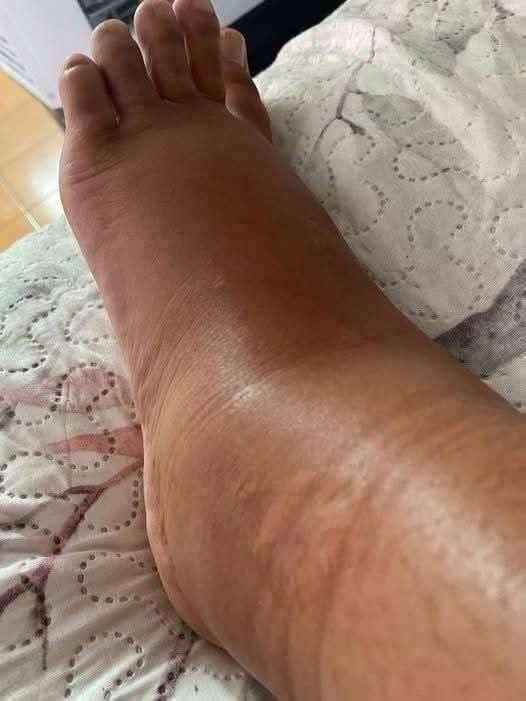

Your Feet Don’t Just Puff Up for No Reason: What Swelling Really Means
Your feet do not simply “puff up for no reason.” That sudden tightness in your shoes, the sock marks digging into your skin, or the dull throbbing ache at the end of the day are often your body’s way of asking for attention. While occasional mild swelling is common and often harmless, it can also signal underlying health issues that should not be ignored.
Heat, salt intake, long periods of sitting or standing, hormonal changes, certain medications, and even your favorite pair of shoes can all stress your circulation and lymphatic system. Over time, this can lead to fluid build-up in the tissues of your feet and ankles, known medically as peripheral edema. Understanding what is normal and what might be a warning sign is essential for protecting your long-term health.
What Is Foot and Ankle Swelling?
Swelling in the feet and ankles happens when excess fluid accumulates in the soft tissues. This is commonly called edema. It can affect one foot or both, appear suddenly or gradually, and may be accompanied by other symptoms such as warmth, redness, pain, or a feeling of heaviness.
Health professionals often distinguish between:
- Mild, temporary swelling related to lifestyle or environment, which often improves with rest and elevation.
- Persistent or progressive swelling, which may indicate an underlying medical condition affecting the heart, kidneys, liver, blood vessels, or lymphatic system.
If you notice that swelling appears often, is getting worse, or is accompanied by other symptoms such as shortness of breath, chest discomfort, or severe pain, medical evaluation is important.
Common Everyday Causes of Swollen Feet
Not all swelling is a sign of serious disease. Quite often, it is your body’s response to everyday factors that temporarily affect blood flow or fluid balance.
1. Heat and Hot Weather
Warm temperatures cause blood vessels to widen (dilate), particularly in the skin, to help your body release heat. This normal response can also make fluid more likely to leak into surrounding tissues, especially in the lower legs and feet where gravity already encourages fluid pooling.
You may notice your shoes feel tighter on hot afternoons or after spending the day outdoors. For many people, this swelling is mild and goes away after cooling down, elevating the legs, or resting.
2. High Salt Intake
Salt (sodium) helps regulate fluid balance in the body. When you consume too much sodium—often from processed foods, fast food, salty snacks, and restaurant meals—your body holds onto extra water to maintain the right concentration of sodium in the bloodstream.
This extra fluid can contribute to swelling, particularly in the hands and feet. Over time, high sodium intake is also linked with elevated blood pressure, which itself can impact circulation and contribute to edema.
3. Long Periods of Sitting or Standing
Remaining in one position for long stretches, such as on a long flight, at a desk, or during a shift that requires standing, can make it harder for blood and lymph fluid to return from your feet toward your heart. Gravity pulls fluid downward, and when the calf muscles are not actively contracting and relaxing, circulation slows.
This is why many people notice swelling by the end of a workday or after travel. Gentle movement, stretching, and periodic breaks to walk around can reduce this type of swelling.
4. Footwear and Tight Clothing
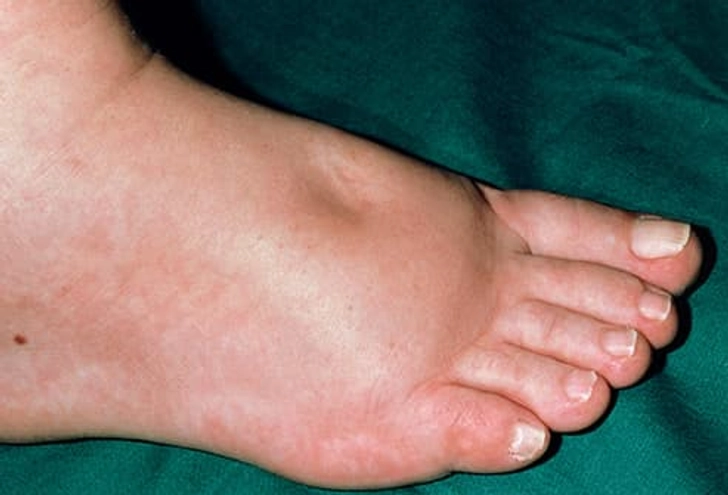
Shoes that are too tight or lack proper support can restrict circulation in the feet and cause friction and pressure. High heels, narrow-toe shoes, or footwear without cushioning may contribute to discomfort and swelling over time.
Tight socks or garments that compress around the calves or ankles can also impede normal blood and lymph flow, leading to visible swelling below the level of the constriction.
5. Hormonal Changes
Hormones play a significant role in fluid balance. Many women experience mild swelling of the feet and ankles before their menstrual period due to hormonal fluctuations affecting sodium and water retention.
Pregnancy is another common time when foot and ankle swelling appears. Blood volume increases, the uterus places pressure on pelvic veins, and hormonal changes all contribute to fluid retention in the lower body. Mild swelling in late pregnancy is very common, though sudden or severe swelling should be evaluated by a healthcare professional to rule out complications.

Medical Conditions That Can Cause Swollen Feet
While many causes of swelling are benign, persistent or severe edema can be a sign of an underlying health problem. Some of the more common medical causes include:
1. Chronic Venous Insufficiency and Varicose Veins
Veins in the legs carry blood back to the heart, working against gravity. They contain one-way valves that help keep blood moving in the right direction. When these valves weaken or the vein walls are damaged, blood can pool in the lower legs, a condition known as chronic venous insufficiency.
This can cause swelling, aching, a feeling of heaviness, and sometimes visible varicose veins. Over time, skin changes or ulcers may appear near the ankles if the condition is not managed.
2. Heart-Related Causes
The heart is responsible for pumping blood effectively throughout the body. When it is not functioning efficiently—such as in heart failure—blood can back up in the veins, increasing pressure and causing fluid to leak into surrounding tissues, particularly in the legs and feet.
Swelling related to heart problems often affects both legs and may be accompanied by shortness of breath, fatigue, or reduced ability to exercise. This type of swelling requires prompt medical evaluation and ongoing management under professional guidance.
3. Kidney Problems
The kidneys filter waste and excess fluid from the blood. When kidney function is impaired, the body may retain sodium and water. This fluid can accumulate in different areas, including the legs, ankles, and around the eyes.
Kidney-related swelling is often generalized, not just isolated to the feet, and may come with other signs such as changes in urination or elevated blood pressure. Blood and urine tests can help diagnose kidney conditions.
4. Liver Disease
The liver is involved in producing proteins that help keep fluid within blood vessels. In advanced liver disease, such as cirrhosis, levels of these proteins can decrease. As a result, fluid may escape into the tissues and body cavities, leading to swelling in the legs and often in the abdomen (ascites).
Liver-related swelling usually occurs within a broader pattern of symptoms like fatigue, jaundice (yellowing of the skin or eyes), or changes in appetite and weight. It requires specialized medical care.
5. Lymphedema
The lymphatic system helps remove excess fluid, waste, and immune cells from tissues. When lymphatic vessels are damaged or blocked—due to surgery, radiation therapy, infection, or hereditary conditions—fluid can build up in the affected area, causing chronic swelling called lymphedema.
Lymphedema may cause one leg or foot to become noticeably larger than the other, with a feeling of heaviness or tightness. The skin may feel thickened over time. Management typically involves specialized techniques such as compression therapy, exercise, and dedicated care to reduce infection risk.
6. Injury, Infection, or Inflammation
Local swelling in one foot or ankle can be a direct response to injury, such as a sprain, fracture, or muscle strain. In these cases, swelling usually appears quickly and is often accompanied by pain, bruising, or difficulty bearing weight.
Infections in the skin or deeper tissues—such as cellulitis—can also cause swelling, warmth, redness, and tenderness. Inflammatory conditions like gout or certain forms of arthritis may lead to sudden, painful swelling in a joint of the foot.
These situations require timely medical assessment to prevent complications and ensure appropriate treatment.
7. Medication Side Effects
Certain medications are known to contribute to swelling in the legs and feet. These can include some drugs for blood pressure, specific diabetes medications, hormone therapies, and others. Not everyone will experience this effect, but it is an important consideration if swelling appears after starting a new prescription.
If you suspect a medication might be causing edema, do not stop taking it on your own. Instead, consult your prescribing healthcare professional to discuss possible alternatives or dose adjustments.
When Swollen Feet Are a Reason to Seek Medical Help
It can be difficult to know when swelling is a simple annoyance and when it might be signaling something more serious. In general, it is advisable to seek medical advice if you notice:
- Sudden swelling in one leg, especially if accompanied by pain, warmth, or a change in skin color.
- Swelling that is severe, persistent, or progressively worsening.
- Swelling along with shortness of breath, chest discomfort, or difficulty breathing when lying flat.
- Swelling after a known injury or fall, particularly if you cannot bear weight.
- Swelling with signs of infection such as redness, warmth, fever, or open sores.
These signs can be associated with conditions such as deep vein thrombosis, heart or kidney problems, infection, or significant injury, all of which need prompt evaluation.
Home Measures to Relieve Mild Swelling
If your healthcare professional has ruled out serious causes and you are dealing with mild, occasional swelling, several self-care strategies may help:
- Elevate your legs: When resting, raise your feet above heart level for short periods to help fluid return toward your upper body.
- Move regularly: Avoid sitting or standing in one position for too long. Gentle walking, ankle circles, and calf stretches can support circulation.
- Choose supportive footwear: Wear shoes that fit properly, provide cushioning, and allow your toes to move freely.
- Moderate salt intake: Limiting highly processed and salty foods can help reduce fluid retention.
- Stay hydrated: Adequate water intake supports kidney function and overall fluid balance.
- Consider compression (if advised): Some people benefit from medical-grade compression stockings, but these should be used under professional guidance, especially in the presence of circulation or heart problems.
While these steps can be helpful, they do not replace a proper assessment when swelling is new, unexplained, or associated with other symptoms.
Listening to What Your Feet Are Telling You
Foot and ankle swelling is common, particularly with age, certain jobs, travel, or during specific life stages such as pregnancy. In many cases, it reflects the body’s response to everyday stresses and can be managed with simple lifestyle adjustments.
However, swollen feet can also be one of the earliest outward signs that your heart, kidneys, liver, veins, or lymphatic system may need attention. Treating swelling purely as a cosmetic issue or minor annoyance can delay the diagnosis of conditions that are easier to manage when caught early.
Being attentive to changes—how often swelling occurs, whether it affects one or both feet, and what other symptoms are present—can help you and your healthcare team determine the cause. When in doubt, a professional evaluation is the safest way to understand what your body is signaling and to protect your long-term health.
Sources
Disclaimer: This content is intended for entertainment purposes only and is not based on real events.
