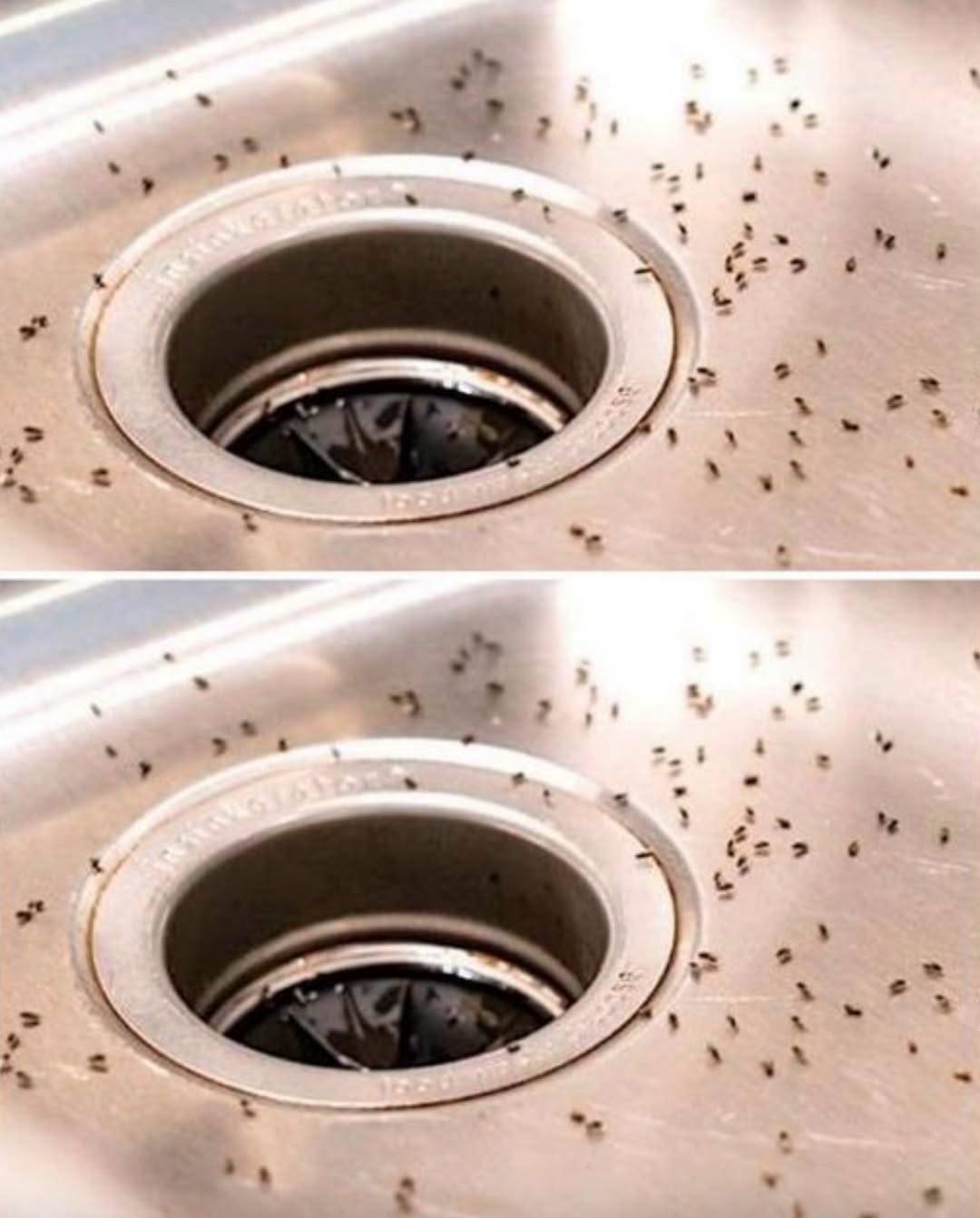

The first gnat rarely alarms you. It is merely a tiny, looping silhouette that briefly crosses your line of sight while you are reading a book or enjoying a quiet cup of coffee. It appears as a solitary wanderer, easily dismissed as a temporary visitor from the garden. However, the cloud that eventually follows can completely transform the atmosphere of your home. They drift upward from your favorite houseplants, hover around the fruit bowl on your kitchen counter, and emerge mysteriously from the sink drains. Suddenly, a peaceful living space feels like an environment of buzzing, restless energy. Your carefully cultivated indoor jungle and pristine kitchen become unintended sanctuaries for these tiny aviators. Yet, resolving this situation does not require overwhelming your living space with harsh synthetic formulas. By understanding their origins, respecting their biology, and applying a series of thoughtful, natural adjustments, you can reclaim the serenity of your home while simultaneously learning a great deal about the microscopic ecosystems sharing your space.
The Mythological and Cultural Significance of Tiny Invaders
Long before the advent of modern entomology and microscopes, human beings sought to understand the sudden appearance of swarming insects through the lens of myth and philosophy. For centuries, one of the most prominent theories was the concept of spontaneous generation. Ancient philosophers, including Aristotle, speculated that certain forms of life did not descend from parent organisms but rather materialized magically from the elements of the earth. When swarms of tiny insects suddenly drifted upward from damp soil, morning dew, or fermenting fruit, observers speculated that the moisture and the earth were actively weaving themselves into living creatures.
In various cultural folklores, these tiny, hovering insects were often viewed as minor spirits of the harvest or reminders of the earth’s persistent vitality. They represented the unyielding cycle of transformation, highlighting how organic matter transitions from one state to another. While modern science has gently corrected the theory of spontaneous generation, there remains a beautiful, poetic quality to these early human attempts to make sense of the natural world. Our ancestors looked at a cloud of gnats and saw the very breath of the earth taking flight. Today, we view them as a minor household nuisance, but framing their presence through this historical lens reminds us that they are a natural, inevitable part of the planetary ecosystem, simply operating within the wrong environment when they enter our living rooms.

The Biological Blueprint: Understanding the Fungus Gnat
To effectively manage any disruption in our domestic environment, we must first understand the biology of the organism involved. The tiny visitors hovering around your indoor plants are typically fungus gnats, scientifically classified within the families Sciaridae and Mycetophilidae. Unlike mosquitoes or other aggressive insects, these creatures do not bite, nor do they pose a direct threat to human well-being. From a scientific perspective, they are detritivores, organisms specifically adapted to process decaying organic material and fungi.
The life cycle of the fungus gnat is a marvel of evolutionary efficiency. They thrive in warm weather and high humidity, environments that mirror the damp forest floors of their natural habitats. Adult gnats seek out moist, organic-rich environments to lay their microscopic eggs. Once these hatch, the resulting larvae spend their time nestled in the damp topsoil of your houseplants, feeding on fungi, algae, and decaying plant matter. In an outdoor ecosystem, this process is incredibly beneficial, contributing to the breakdown of organic material and enriching the soil. Indoors, however, their rapid reproduction rate allows a localized population to expand exponentially. Understanding this life cycle is the key to managing their presence. Rather than attempting to address the adults exclusively, the most effective strategy involves interrupting their development at the source by altering the environmental conditions they require to thrive.
Harmonizing Your Indoor Ecosystem: Soil and Plant Care
The journey to an insect-free home begins at the root of the issue: the soil of your beloved houseplants. Overwatering is the single most common catalyst for a fungus gnat population expansion. When potting soil remains perpetually damp, it creates the ideal microclimate for fungi to bloom and larvae to flourish. The simplest and most profoundly effective adjustment you can make is modifying your watering schedule. Allow the top two inches of soil in your plant pots to dry completely between waterings. This simple shift in moisture management disrupts the preferred habitat of the larvae, gently curbing their population without the need for interventions.
Furthermore, maintaining a clean soil surface is essential. Remove any spent foliage, dropped blossoms, or decaying organic matter resting on the surface of the soil, as these materials provide unnecessary sustenance for the developing insects. For an additional layer of natural management, many indoor gardeners turn to food-grade diatomaceous earth. This fine, white powder is actually the fossilized remains of ancient aquatic organisms called diatoms. When dusted lightly over the dry surface of the soil, it acts as a mechanical barrier. At a microscopic level, the powder absorbs the protective lipids from the insects’ exoskeletons, naturally and safely managing their numbers. To address the adult gnats already navigating your living space, you can hang yellow sticky strips near the affected plants. These strips utilize specific wavelengths of color to attract the flying insects, capturing them quietly and keeping them out of reach of curious children and household pets.
Kitchen Alchemy: Creating Natural Attractants
While fungus gnats prefer the soil of your houseplants, their close relatives, the fruit flies, are often drawn to the culinary environments of your kitchen. Here, the strategy shifts from moisture management to olfactory redirection. Insects navigate their vast world primarily through a highly sophisticated sense of smell. They are biologically programmed to seek out the specific chemical signals of fermentation and yeast.
You can use this fascinating biological trait to your advantage by creating a simple, highly effective attractant using household ingredients. The process resembles a form of gentle kitchen alchemy. Begin by placing a small, shallow bowl on your kitchen counter near the area of highest insect activity. Pour a modest amount of apple cider vinegar into the bowl. The sharp, fermented aroma of the vinegar perfectly mimics the scent of overripe fruit, sending an irresistible navigational beacon to the flying insects. Next, add a single drop of liquid dish soap to the vinegar and stir gently. The soap serves a crucial scientific function: it breaks the surface tension of the liquid. Finally, stretch a piece of plastic wrap tightly over the top of the bowl and pierce several small holes into the surface. The insects, guided by their ancient olfactory instincts, will easily find their way through the tiny holes, but the structural design of the trap prevents them from navigating back out.
Maintaining the Threshold: Drains and Household Cleanliness
Beyond the potting soil and the fruit bowl, the subtle, unseen ecosystems of your household plumbing can also serve as unexpected sanctuaries for these tiny aviators. Drain flies and gnats often find the organic buildup within kitchen and bathroom sinks to be incredibly hospitable. Every time we wash dishes or rinse vegetables, microscopic layers of organic material are deposited along the interior walls of our plumbing. Over time, this creates a fertile, protected environment.
Managing this aspect of the ecosystem requires consistent, mindful maintenance. Regularly flushing your drains with boiling water can help clear away the organic material that sustains these populations. Incorporating a weekly routine of cleaning your garbage cans and ensuring that indoor compost bins are tightly sealed reduces the available resources that these insects rely upon. Each small, consistent habit you adopt chips away at the resources sustaining the population. You are essentially shifting the ecological balance of your home, making it less hospitable to wandering insects and restoring the pristine, comfortable environment you desire. It is a process of gentle persistence, proving that you do not need overwhelming force to regain control of your living space.
A Reflection on Human Curiosity
When we encounter a sudden influx of tiny, hovering insects in our homes, our initial reaction is often one of mild frustration. Yet, if we allow ourselves to pause and observe, the experience can become a profound catalyst for human curiosity. Dealing with a household influx of gnats inadvertently turns us into amateur entomologists and attentive ecologists. We suddenly become acutely aware of the moisture levels in our soil, the microscopic fermentation processes occurring in our kitchens, and the complex olfactory signals that guide biological behavior.
This curiosity bridges the gap between the structured, artificial environments we build and the wild, untamed natural world that constantly presses against our windowpanes. It reminds us that our homes are not hermetically sealed vaults, but rather porous membranes that interact continuously with the broader biosphere. By choosing to manage these tiny visitors through an understanding of their biology, their history, and their environmental needs, we participate in a deeply respectful dialogue with nature. We learn that true harmony in our living spaces is not achieved through harsh eradication, but through mindful adjustments, patient observation, and an enduring curiosity about the magnificent, microscopic ecosystems that quietly share our world.
Sources
-
“Indoor Ecosystems and the Biology of the Fungus Gnat (Sciaridae).” The Journal of Household Entomology and Ecology.
-
“Historical Perspectives on Spontaneous Generation and Insect Folklore.” Anthology of Scientific History and Cultural Myths.
-
“The Efficacy of Diatomaceous Earth in Managing Indoor Insect Populations.” Review of Natural Horticultural Practices.
-
“Olfactory Navigation and Phototaxis in Small Dipteran Species.” Global Biological Adaptations Quarterly.
-
“Sustainable Approaches to Domestic Pest Management: Balancing Efficacy and Environmental Safety.” The American Journal of Environmental Horticulture.
