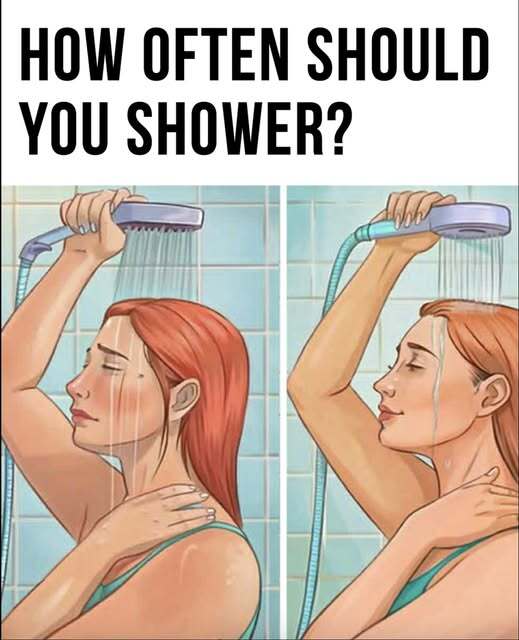

Have you ever looked in the mirror and wondered why your hair suddenly feels different? Perhaps it has become drier than it used to be, or maybe it gets oily much faster despite following the same routine you’ve relied on for years. Many people assume they’re doing something wrong, but the truth is often much simpler.
Hair naturally changes throughout life. Factors such as age, stress, hormones, nutrition, climate, and daily habits all influence how your hair looks and feels. A shampoo that once worked perfectly may no longer deliver the same results, and that’s completely normal.
Understanding these changes is the first step toward healthier hair. Rather than chasing quick fixes or miracle products, experts recommend learning how your scalp and hair respond to different conditions and adjusting your routine accordingly.
Why Hair Changes Throughout Life
Hair is constantly growing, shedding, and renewing itself. As our bodies change, so does the environment in which our hair grows.
Several factors can influence hair health, including:
- Natural aging
- Hormonal fluctuations
- Seasonal weather changes
- Stress levels
- Sleep quality
- Diet and hydration
- Environmental exposure
- Hair styling habits
Because these factors evolve over time, it’s perfectly normal for your hair care routine to need occasional adjustments.

The Scalp Is the Foundation of Healthy Hair
Healthy hair begins with a healthy scalp.
The scalp contains thousands of hair follicles along with oil glands that help protect both the skin and hair. When the scalp’s natural balance changes, you may notice symptoms such as dryness, excess oil, irritation, or flakes.
Paying attention to how your scalp feels can provide useful clues about what your hair needs.
Common signs include:
Dryness or Tightness
A scalp that feels tight after washing may benefit from gentler cleansing products and additional moisture.
Increased Oiliness
If your roots become greasy more quickly than before, environmental factors, hormonal changes, or product buildup could be contributing.
Itching
Occasional itching can result from dryness, product sensitivity, or seasonal changes. Persistent discomfort should be evaluated by a healthcare professional.
Breakage
Hair that snaps easily may indicate excessive heat styling, chemical processing, or insufficient moisture.
Observing these patterns over time can help you make informed adjustments instead of changing products at random.
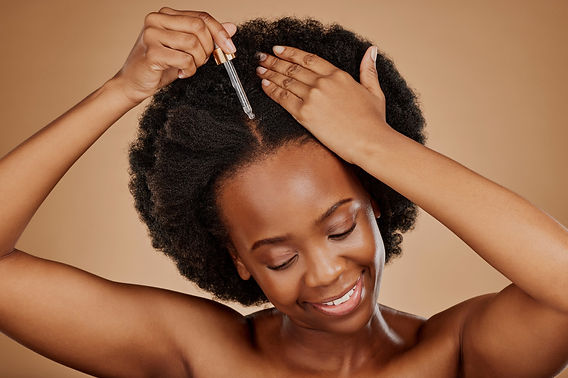
Why One Routine Doesn’t Last Forever
Many people expect a single shampoo or conditioner to work for decades.
In reality, your hair’s needs may change several times throughout your life.
For example:
A routine that controls oil during your twenties may feel too drying years later.
Moving to a different climate can also affect how your hair behaves. Humid environments often increase oil production and frizz, while dry climates may leave hair feeling brittle.
Seasonal transitions can have similar effects, making flexibility an important part of long-term hair care.
Listening to Your Hair
Rather than focusing only on appearance, consider paying attention to how your hair behaves each week.
Ask yourself questions such as:
- Does my scalp feel comfortable after washing?
- Is my hair easier or harder to manage?
- Are my ends becoming dry?
- Do I notice increased shedding?
- Does my current routine still feel effective?
Keeping track of these observations can help identify patterns that are easy to miss in daily life.

Simple Hair Care Adjustments That Can Help
Small changes often make a noticeable difference.
Choose a Gentle Cleanser
Using a mild shampoo appropriate for your hair type can help remove excess oil and buildup without stripping away natural moisture.
Massage Your Scalp Gently
A light scalp massage during washing may improve comfort while helping distribute shampoo evenly.
Avoid vigorous scrubbing, which can irritate sensitive skin.
Apply Conditioner Strategically
Conditioner is generally most beneficial on the mid-lengths and ends of the hair.
Applying heavy conditioner directly to the scalp may weigh down fine hair for some individuals.
Adjust Washing Frequency
There is no universal schedule for washing hair.
Some people may prefer daily cleansing, while others find that washing every few days works better.
Factors such as activity level, climate, and hair texture all play a role.
Protect Hair From Heat
Frequent use of high-temperature styling tools can contribute to dryness and breakage.
Using lower heat settings and allowing hair to air dry when possible may help maintain overall hair health.
Nutrition Also Supports Healthy Hair
Hair health begins from within.
A balanced diet that includes adequate protein, healthy fats, vitamins, and minerals supports normal hair growth and overall scalp health.
Staying well hydrated also contributes to healthy skin, including the scalp.
If you have concerns about nutritional deficiencies, consult a qualified healthcare professional before taking supplements.
Stress Can Affect Hair
Periods of significant stress may influence the normal hair growth cycle.
Some individuals notice temporary increases in hair shedding after stressful events, illness, or major lifestyle changes.
Fortunately, this type of shedding often improves over time as the body returns to its usual balance.
Managing stress through regular exercise, sufficient sleep, relaxation techniques, and healthy daily habits may support overall well-being, including hair health.
Seasonal Hair Care Tips
Different seasons often require different approaches.
During Dry Weather
Consider using more moisturizing conditioners and avoiding excessively hot water when washing your hair.
During Humid Months
Lightweight products may help reduce heaviness while keeping hair comfortable.
More frequent cleansing may also feel appropriate for some people.
During Winter
Indoor heating can reduce humidity, making moisturizing products especially helpful for individuals with dry hair.

Avoid Constant Product Switching
When a product doesn’t produce immediate results, it’s tempting to replace everything at once.
However, introducing several new products simultaneously can make it difficult to determine what is actually helping.
Experts often recommend making one change at a time and allowing several weeks to evaluate the results.
Patience frequently produces better outcomes than repeatedly overhauling an entire routine.
When to Seek Professional Advice
While many hair changes are completely normal, certain symptoms deserve medical evaluation.
Consider consulting a healthcare professional if you experience:
- Sudden or significant hair loss
- Persistent scalp irritation
- Painful scalp changes
- Unexplained patches of hair loss
- Symptoms that continue despite routine care
A medical evaluation can help identify underlying conditions that may require specific treatment.
Embracing Your Hair’s Natural Journey
Hair is not meant to remain exactly the same throughout life.
Just as our skin, lifestyle, and environment evolve, our hair changes alongside them. Viewing these changes as natural rather than discouraging can make hair care feel less frustrating and more rewarding.
Instead of trying to recreate the hair you had years ago, focus on understanding the hair you have today. Small, thoughtful adjustments based on observation often produce better long-term results than chasing trends or expecting instant transformations.
Healthy hair is rarely about perfection. It is about consistency, patience, and learning how your unique hair responds over time.
Sources
- American Academy of Dermatology (AAD) – Hair Care Tips: https://www.aad.org
- American Academy of Dermatology – Hair Loss Resources: https://www.aad.org/public
- Mayo Clinic – Hair Loss Overview: https://www.mayoclinic.org
- Cleveland Clinic – Healthy Hair Care Guide: https://health.clevelandclinic.org
- National Institutes of Health (NIH) – Hair Biology Research: https://www.nih.gov
