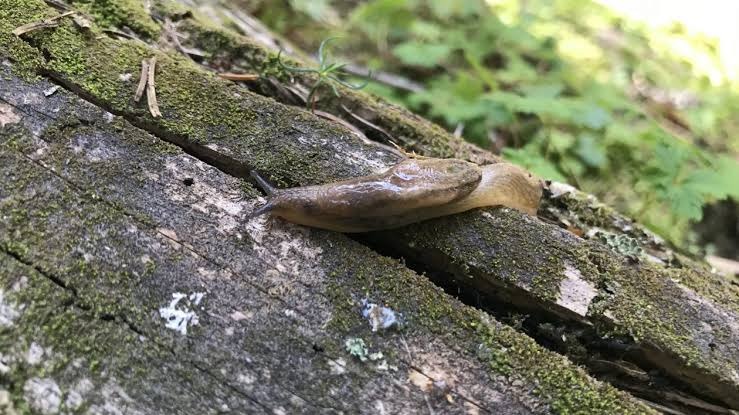

At first glance, a slug may not seem like one of nature’s most impressive animals. Their slow movement and glossy appearance often lead people to overlook them or view them simply as unwanted garden visitors. However, these humble creatures play several important roles in the natural world that are easy to miss.
From enriching the soil beneath our feet to supporting wildlife and even contributing to scientific discoveries, slugs are far more valuable than their reputation suggests. While they may not be everyone’s favorite garden guest, understanding their role reveals why they are an important part of healthy ecosystems.
What Exactly Is a Slug?
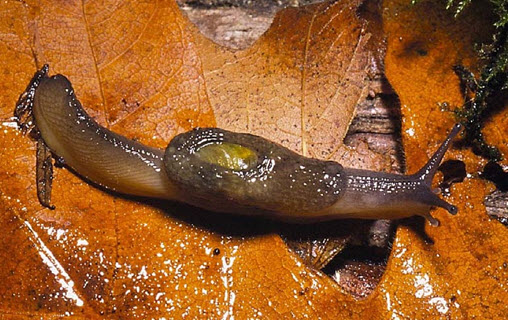
Slugs are soft-bodied mollusks closely related to snails. Unlike their shelled relatives, most slugs either lack an external shell or have only a tiny internal remnant. They thrive in cool, damp environments where moisture helps protect their delicate bodies.
Found in gardens, forests, parks, and fields around the world, slugs are typically most active during the evening, overnight, or after rainfall when conditions are moist.
Although some species can feed on living plants, many also consume decaying organic material, making them valuable participants in nature’s recycling system.
Nature’s Quiet Recycling Team
One of the slug’s most important jobs happens largely out of sight.
Many slugs feed on dead leaves, fallen flowers, fungi, and other decomposing organic matter. As they consume this material, they help break it down into smaller pieces that microorganisms can process more efficiently.
This natural recycling returns nutrients to the soil, helping maintain fertile ground that supports healthy plant growth. Rich, nutrient-filled soil benefits everything from backyard gardens to large forests.
Without decomposers like slugs, fungi, insects, and microbes working together, dead plant material would accumulate much more quickly, slowing the natural cycle that keeps ecosystems productive.
Helping Build Healthy Soil
Healthy soil is much more than dirt. It is a living environment filled with bacteria, fungi, worms, insects, and countless other organisms that work together to support plant life.
Slugs contribute to this process by accelerating decomposition. Their feeding activities help mix organic material into the soil, making nutrients more accessible for plants over time.
Although a single slug may seem insignificant, millions of them collectively contribute to nutrient cycling across ecosystems every day.
This ongoing process supports gardens, woodlands, grasslands, and agricultural landscapes alike.
An Important Link in the Food Chain
While many gardeners notice slugs eating leaves, fewer people realize how many animals rely on slugs as a food source.
Several species regularly include slugs in their diets, including:
- Songbirds
- Thrushes
- Blackbirds
- Robins
- Frogs
- Toads
- Hedgehogs
- Ground beetles
- Some snakes
- Certain mammals
Because they occupy an important place in the food web, slugs help transfer energy through ecosystems.
If slug populations declined dramatically, predators that depend on them would need to find alternative food sources, potentially affecting local ecological balance.
More Than Just Garden Visitors
Although gardeners sometimes view slugs as pests because some species feed on vegetables, seedlings, and ornamental plants, the picture is more complex.
Scientists estimate that only a relatively small proportion of slug species are responsible for significant agricultural damage. Many species spend much of their time feeding on fungi, algae, moss, and decaying vegetation instead of healthy crops.
Understanding this distinction helps researchers develop more balanced approaches to garden management that protect beneficial wildlife while minimizing damage to cultivated plants.
Surprising Contributions to Scientific Research
One of the lesser-known facts about slugs is their value to scientific research.
Some slug species possess relatively simple nervous systems that make them useful models for studying how nerve cells communicate. Researchers have used these animals to investigate learning, memory, and the functioning of individual neurons.
Insights gained from this type of research contribute to a broader understanding of how nervous systems work across many species.
While slugs are only one of many organisms used in biological studies, they have helped expand scientific knowledge in neuroscience and physiology.
The Remarkable Properties of Slug Mucus
Perhaps the slug’s most famous characteristic is its mucus.
Although it may appear unpleasant, slug mucus performs several important functions. It helps the animal move across rough surfaces, retain moisture, protect against injury, and sometimes discourage predators.
Scientists have also become interested in the unique physical properties of slug mucus. Some species produce adhesive secretions that remain sticky even in wet conditions.
These natural materials have inspired research into advanced medical adhesives and wound dressings designed to function in moist environments. While this research is ongoing, it demonstrates how studying nature can inspire new technological ideas.
Slugs and Biodiversity
Healthy ecosystems depend on biodiversity—the variety of living organisms interacting with one another.
Slugs contribute to biodiversity in several ways:
- Recycling nutrients
- Supporting food webs
- Assisting decomposition
- Influencing fungal communities
- Interacting with microorganisms in the soil
Each role may seem small on its own, but together they help maintain ecological stability.
Nature often relies on many different species performing specialized tasks, and slugs are one important piece of that larger system.
Living Alongside Slugs in the Garden
For gardeners, balancing plant protection with environmental stewardship can be challenging.
Rather than viewing every slug as an enemy, many gardening experts recommend integrated approaches that reduce plant damage while supporting biodiversity.
These may include:
- Encouraging natural predators such as birds and frogs.
- Watering plants earlier in the day to reduce overnight moisture.
- Removing hiding places near vulnerable seedlings when appropriate.
- Growing a diverse range of plants to support healthy ecosystems.
Such methods can help manage slug activity while minimizing disruption to beneficial wildlife.
Why They Matter More Than We Think
Small animals often receive little attention compared with larger, more charismatic wildlife. Yet ecosystems depend on countless organisms working quietly behind the scenes.
Slugs remind us that ecological importance is not determined by appearance or popularity.
Their daily activities help recycle nutrients, nourish other animals, support soil health, and even contribute to scientific understanding.
Without these modest mollusks, many natural processes would become less efficient, illustrating how interconnected every part of nature truly is.
Conclusion
Slugs may never become the stars of the animal kingdom, but their contributions deserve recognition. Beneath their slow pace and simple appearance lies an animal that helps sustain healthy soils, supports diverse wildlife, and provides valuable insights for scientific research.
Looking more closely at creatures like slugs reminds us that every species has a role to play. Often, the most significant work in nature happens quietly, carried out by organisms that rarely receive much attention.
Human curiosity has long encouraged us to explore the hidden value of the natural world. As we continue learning about even its smallest inhabitants, we gain a deeper appreciation for the remarkable connections that keep ecosystems healthy and thriving.
Sources
- Royal Horticultural Society (RHS) – Slugs and Snails in Gardens: https://www.rhs.org.uk
- Woodland Trust – The Role of Slugs and Snails in Nature: https://www.woodlandtrust.org.uk
- Smithsonian Magazine – The Ecological Importance of Slugs and Snails: https://www.smithsonianmag.com
- National Geographic – Mollusks and Ecosystems: https://www.nationalgeographic.com
- Encyclopedia Britannica – Slug: https://www.britannica.com/animal/slug-gastropod
