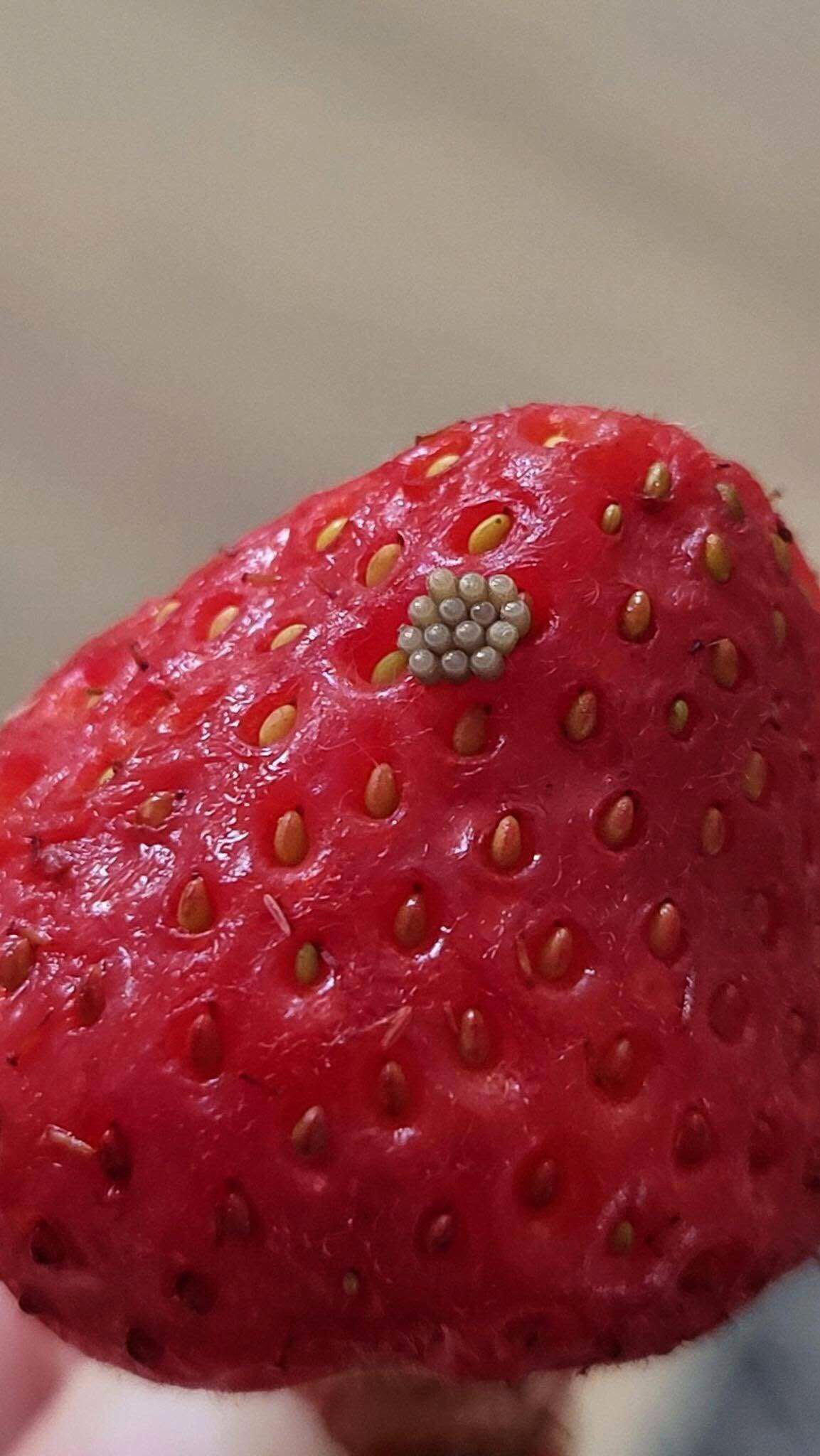

It starts with a simple bowl of fresh berries, a spoonful of salt, and a little curiosity.
After hearing about a popular kitchen trick online, many people have tried soaking strawberries, raspberries, blackberries, or blueberries in salt water. Within minutes, some are surprised to notice tiny white, thread-like creatures appearing on the surface of the fruit. Videos of this phenomenon have spread rapidly across social media, leaving viewers wondering whether their favorite healthy snack is safe to eat.
The first reaction is often alarm. Should the berries be thrown away? Are they contaminated? Or is this simply a natural part of growing fresh fruit?
The answer lies in understanding one of the smallest visitors found in berry fields: the spotted wing drosophila. While the sight of tiny larvae can certainly be unsettling, scientists explain that their presence is not uncommon in fresh fruit, especially berries grown outdoors. By exploring both the biology behind these insects and the myths that have grown around viral videos, we can separate fact from fear and better appreciate how nature and agriculture intersect.
What Happens During a Salt Water Soak?
Many people have noticed that soaking berries in a mixture of salt and water sometimes causes tiny white larvae to emerge from the fruit.
The salt solution itself does not create the larvae or attract them. Instead, it may encourage existing larvae hidden inside the fruit to leave as conditions become unfavorable.
Not every batch of berries will contain larvae, and not every soak will reveal them. Several factors influence the outcome, including:
The type of berry
Where the fruit was grown
The growing season
Storage conditions
Whether insects had access to the fruit before harvest
As a result, some people see nothing at all, while others may notice a few tiny white organisms.
Meet the Spotted Wing Drosophila
One of the most common insects associated with fresh berries is the spotted wing drosophila (SWD), scientifically known as Drosophila suzukii.
Unlike many fruit flies that lay eggs only in overripe fruit, SWD females can lay eggs inside healthy, ripening fruit using a specialized egg-laying organ.
Preferred fruits include:
Strawberries
Raspberries
Blackberries
Blueberries
Cherries
Some grapes
Because eggs are deposited before harvest, small larvae may occasionally remain inside fruit purchased from markets or picked directly from gardens.
Why Are Berries Especially Vulnerable?
Berries have delicate skins and high moisture content, making them attractive to many insects.
Commercial growers use numerous methods to reduce insect damage, including:
Regular monitoring
Protective netting
Integrated pest management
Careful harvesting schedules
Despite these efforts, completely preventing every insect from reaching every berry is extremely difficult, particularly in outdoor agriculture.
Organic and conventionally grown berries can both occasionally contain insect larvae because the insects are part of the natural environment.
Are the White Larvae Dangerous?
For most healthy individuals, food safety experts indicate that accidentally consuming small insect larvae found naturally in fresh produce is generally not considered a health concern.
The larvae themselves are not known to transmit diseases to people through fresh berries.
Human digestive systems readily break down small organic material, including tiny insects.
Although many people understandably find the idea unpleasant, the presence of a few larvae is primarily considered a quality issue rather than a food safety emergency.
Individuals with weakened immune systems or concerns about food safety should always follow local food handling recommendations and consult healthcare professionals if they have specific questions.
Should You Throw the Berries Away?
Not necessarily.
The condition of the fruit matters much more than the presence of a few tiny larvae.
If your berries are:
Firm
Fresh-smelling
Brightly colored
Free from mold
they can usually be rinsed thoroughly and enjoyed.
However, if the berries are:
Very soft
Leaking juice
Developing mold
Producing a sour odor
they should be discarded because natural spoilage has begun.
Spoilage results from bacteria, yeasts, and molds rather than the larvae themselves.
Does Salt Water Clean Berries Better?
Salt water has become popular on social media, but scientists note that plain running water is already effective for washing most fresh produce.
A brief salt water soak may encourage hidden larvae to emerge if they are present, but it is not considered essential for routine food safety.
Some people choose to soak berries because it provides peace of mind, while others simply rinse them well under clean water.
Regardless of the washing method, berries should always be handled gently to avoid bruising.
Why Refrigeration Matters
Temperature plays an important role in preserving berry quality.
Fresh berries should be refrigerated as soon as possible after purchase or harvesting.
Cool temperatures help:
Slow insect development
Reduce bacterial growth
Maintain freshness
Extend shelf life
Experts generally recommend storing berries dry and washing them shortly before eating to maximize freshness.
Viral Videos and Public Perception
Videos showing tiny white larvae emerging from fruit often receive millions of views online.
While these clips are usually based on real biological phenomena, they sometimes create the impression that every berry contains insects.
In reality, infestation rates vary considerably depending on:
Location
Season
Growing practices
Weather
Crop management
One viral video does not represent every basket of fruit.
Understanding the broader scientific context helps prevent unnecessary fear.
The Role of Insects in Agriculture
Although fruit flies can damage crops, insects are also an essential part of natural ecosystems.
Many insects contribute to:
Pollination
Nutrient cycling
Food chains
Healthy soil ecosystems
Agriculture constantly balances protecting crops while maintaining environmental sustainability.
Integrated pest management programs aim to reduce insect damage while minimizing unnecessary pesticide use.
Cultural Perspectives on Tiny Creatures in Food
Throughout history, people have recognized that food grown outdoors naturally interacts with insects and wildlife.
Many traditional farming communities carefully inspected fruits before eating but also understood that nature rarely produces perfectly flawless crops.
Modern consumers often expect fruits and vegetables to appear completely pristine.
Scientific understanding reminds us that fresh produce comes from living ecosystems rather than sterile environments.
Practical Tips for Enjoying Fresh Berries
To keep berries at their best:
Purchase fruit from reputable sources.
Refrigerate promptly.
Wash gently before eating.
Remove damaged or moldy berries.
Store in breathable containers when possible.
Eat within a few days for maximum freshness.
These simple habits improve both quality and shelf life.
Why Fresh Produce Is Still an Excellent Choice
Despite occasional viral stories, berries remain among the most nutritious fruits available.
They provide valuable:
Vitamin C
Fiber
Antioxidants
Polyphenols
Essential plant compounds
Regular consumption of berries has been associated with numerous health benefits as part of a balanced diet.
The nutritional value of fresh berries greatly outweighs the rare occurrence of naturally occurring insect larvae.
Conclusion
Discovering tiny white larvae after soaking berries in salt water can certainly be surprising, but understanding the science helps replace alarm with perspective. In many cases, these organisms are the larvae of the spotted wing drosophila, an insect commonly associated with fresh berries grown outdoors. While their appearance may be unpleasant, food safety experts generally consider them a natural aspect of agriculture rather than a significant health risk.
More importantly, this phenomenon reminds us that our food begins its journey in living ecosystems where plants, insects, weather, and wildlife all interact. Modern farming works continuously to protect crops while preserving the natural balance that makes fresh produce possible.
Human curiosity often begins with moments of surprise. By asking questions and seeking reliable scientific explanations, we gain not only better knowledge about the food we eat but also a deeper appreciation for the remarkable complexity of the natural world.
Sources
- United States Department of Agriculture (USDA) – Fresh Produce Safety Guidelines
- U.S. Food and Drug Administration (FDA) – Safe Handling of Fruits and Vegetables
- University of California Integrated Pest Management (UC IPM) – Spotted Wing Drosophila (Drosophila suzukii)
- Cornell University College of Agriculture and Life Sciences – Spotted Wing Drosophila Resources
- Penn State Extension – Managing Spotted Wing Drosophila in Small Fruits
- Centers for Disease Control and Prevention (CDC) – Food Safety and Fresh Produce Handling
