
It starts with a simple morning walk through the backyard after a gentle rain. The patio stones are still damp, the air is fresh, and everything seems perfectly ordinary. Then something unusual catches your eye.
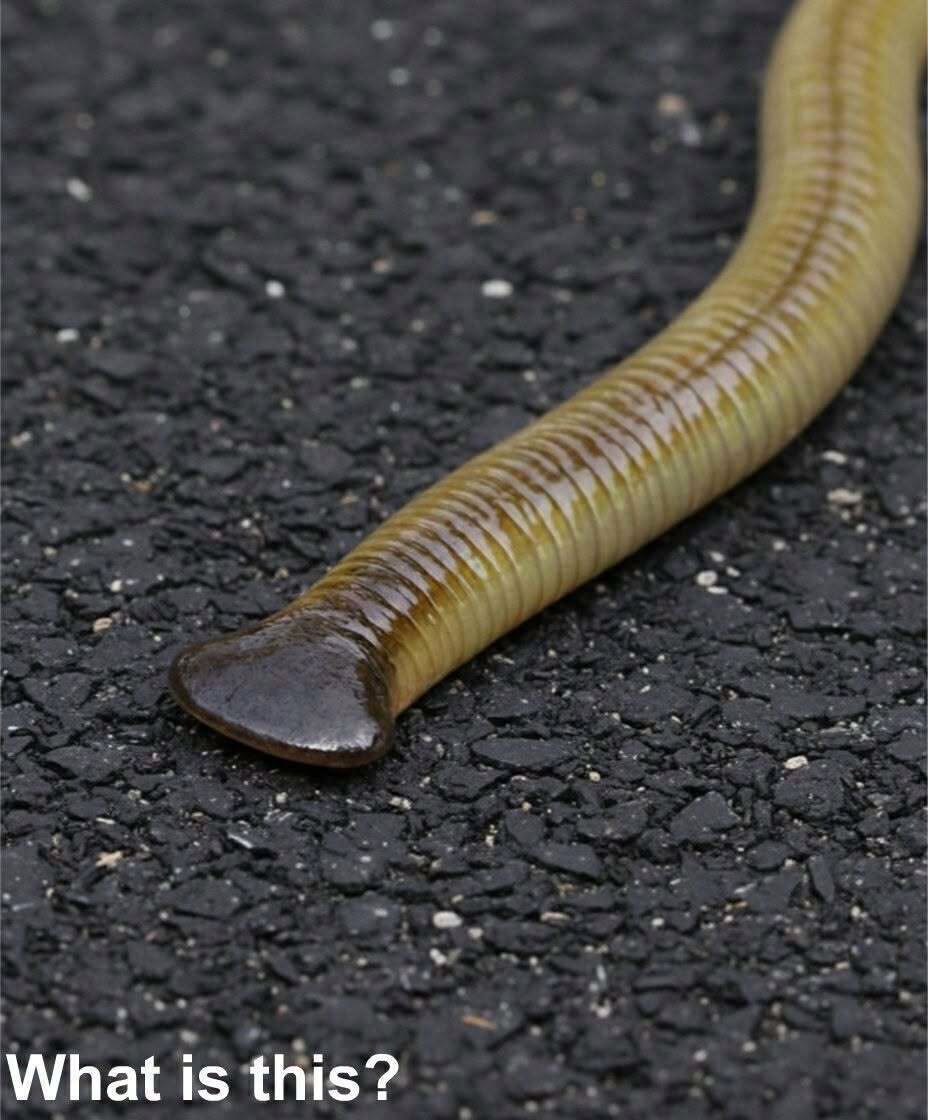
A long, flat creature glides silently across the ground. Unlike the familiar earthworms commonly seen after rainfall, this one has a broad, shovel-shaped head that immediately stands out. Its smooth movement and distinctive appearance almost make it seem like a visitor from another world.
Many homeowners experience surprise when they encounter a hammerhead worm for the first time. Although its unusual shape can appear mysterious, understanding what this fascinating creature is helps replace uncertainty with knowledge.
The hammerhead worm has become increasingly noticeable in many regions outside its native habitat. While it poses little direct concern for people, scientists have become interested in its potential effects on local ecosystems, particularly its relationship with beneficial earthworms.
In this article, we’ll explore what hammerhead worms are, where they come from, how to identify them, their role in nature, common myths surrounding them, and the safest ways to manage them if they appear in your garden.
What Is a Hammerhead Worm?
Hammerhead worms are terrestrial flatworms belonging to the genus Bipalium. Their common name comes from the distinctive shape of their head, which resembles a hammer or shovel.
Unlike segmented earthworms, hammerhead worms have smooth, flattened bodies covered with a layer of mucus that helps them move across surfaces.
Most species measure between 8 and 12 inches (20–30 cm), although some may grow even longer under favorable conditions.
Their coloration varies depending on the species. Many display shades of brown, gray, tan, or olive with darker stripes running along the length of the body, making them surprisingly well camouflaged among leaves and soil.
Where Do Hammerhead Worms Come From?
Hammerhead worms are native to Southeast Asia, where they have lived for countless generations as part of balanced ecosystems.
Over time, international trade has unintentionally helped them spread to other parts of the world.
Scientists believe they are commonly transported in:
-
Potted plants
-
Nursery soil
-
Landscaping materials
-
Garden supplies
-
Moist organic matter
Because these worms thrive in damp environments, they can survive unnoticed during transportation before establishing themselves in new locations.
Today, several species have been reported in parts of North America, Europe, Australia, and other regions with suitable climates.
How to Identify a Hammerhead Worm
Correct identification is important because hammerhead worms look quite different from ordinary garden worms.
Some of their most recognizable features include:
A Distinctive Hammer-Shaped Head
The widened head is their most recognizable characteristic.
Instead of having a pointed or rounded front, the head spreads outward into a flattened shape that resembles a small hammer or spade.
Flat, Smooth Body
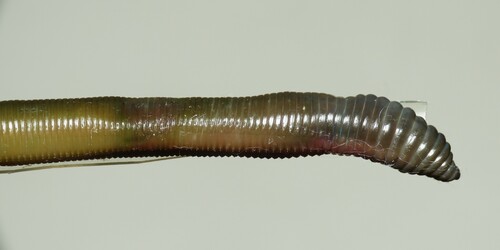
Unlike earthworms, which have visible body segments, hammerhead worms appear smooth and flattened from top to bottom.
Their bodies produce mucus that helps them glide across surfaces with very little visible effort.
Long Body Length
Many individuals grow considerably longer than common earthworms.
Depending on the species, adults may reach lengths exceeding one foot.
Slow Gliding Movement
Rather than stretching and contracting like earthworms, hammerhead worms move with a smooth gliding motion.
Tiny hair-like structures called cilia, working together with mucus, allow them to slide across soil, rocks, patios, and garden paths.
Preferred Habitat
Hammerhead worms prefer environments that remain cool and moist.
They are often found:
-
Under rocks
-
Beneath flower pots
-
In mulch
-
Around compost piles
-
Along garden edges
-
On patios after rainfall
-
Beneath logs
-
In shaded flower beds
Because they lose moisture easily, they generally avoid hot, dry conditions.
Rainy weather often increases the chances of seeing them on the surface.
What Do Hammerhead Worms Eat?
Unlike earthworms that help enrich soil, hammerhead worms are predators.
Their preferred food includes:
-
Earthworms
-
Small slugs
-
Snails
-
Other soil-dwelling invertebrates
They locate prey using chemical sensors located on their head.
Once prey is found, they release sticky mucus that helps immobilize it before feeding.
Scientists have studied this feeding behavior because it differs greatly from many other familiar garden worms.
Why Scientists Monitor Hammerhead Worms
Researchers pay close attention to hammerhead worms because of their possible ecological impact.
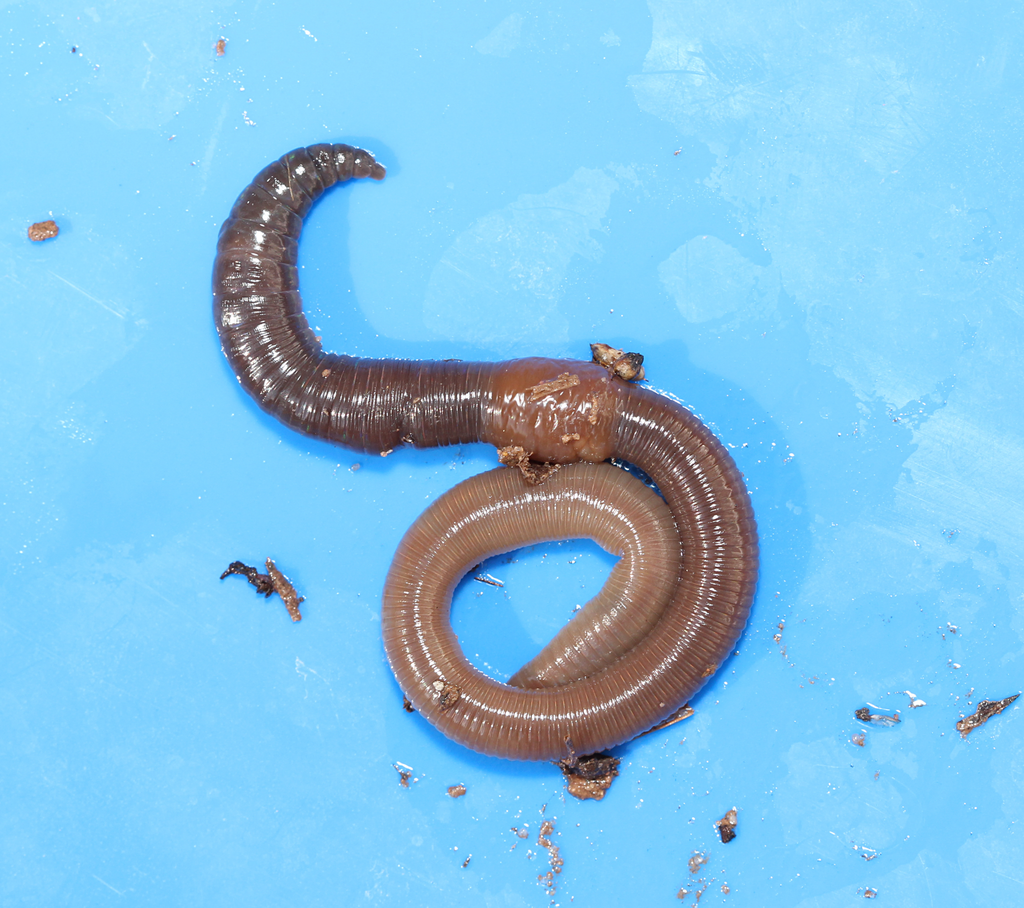
Earthworms perform several important functions in healthy soil:
-
Improving aeration
-
Recycling nutrients
-
Breaking down organic matter
-
Supporting plant growth
-
Enhancing soil structure
Since hammerhead worms prey upon earthworms, large populations could potentially influence local soil ecosystems.
The exact level of ecological impact varies depending on environmental conditions, worm species, and population size. Researchers continue studying these interactions to better understand their long-term effects.
An Amazing Ability to Regenerate
One of the most remarkable biological features of hammerhead worms is their regenerative ability.
If part of the body separates naturally, the remaining portion may regenerate missing structures under suitable conditions.
This ability has fascinated biologists for decades because it demonstrates the extraordinary regenerative capabilities found in some flatworms.
For this reason, experts generally advise against cutting a hammerhead worm into pieces when attempting removal, as regeneration may complicate management efforts depending on the species.
The Science Behind Their Defensive Chemistry
Hammerhead worms have attracted scientific attention for another reason.
Some species contain tetrodotoxin, a naturally occurring compound also found in certain marine animals.
Current scientific evidence suggests this substance primarily serves defensive and predatory functions within the worm’s natural biology.
For humans, casual contact generally presents a low level of concern. However, experts recommend avoiding direct skin contact because the mucus may cause mild irritation in sensitive individuals.
Wearing gloves while handling unfamiliar wildlife remains a sensible precaution.
Myths About Hammerhead Worms
Their unusual appearance has inspired numerous myths online.
Let’s separate fact from fiction.
Myth: They Are Extremely Dangerous to Humans
Current scientific evidence does not support this claim.
Hammerhead worms are not known for aggressively interacting with people.
Simple precautions such as avoiding direct contact and washing hands afterward are generally sufficient.
Myth: They Attack Pets
There is no evidence that hammerhead worms actively seek out household pets.
Most of their natural feeding behavior focuses on small soil-dwelling invertebrates.
Myth: Every Hammerhead Worm Is Identical
In reality, many different species exist.
They vary in size, coloration, striping patterns, and geographic distribution.
Myth: Their Appearance Means They Are Alien Creatures
Their unusual shape certainly captures attention, but hammerhead worms are simply one example of Earth’s remarkable biological diversity.
Their flattened body evolved over millions of years as an adaptation to their environment.
How to Safely Remove Hammerhead Worms
If you discover a hammerhead worm in your yard, experts recommend remaining calm and handling the situation carefully.
Helpful steps include:
Avoid Direct Contact
Use gloves or garden tools rather than bare hands.
Do Not Cut the Worm
Because some species can regenerate, cutting the worm may not be an effective removal strategy.
Follow Local Guidance
Recommendations for disposal can vary by region.
Many extension services advise placing the worm into a sealed container or bag after using an approved control method recommended by local agricultural authorities.
Checking guidance from your area’s environmental or agricultural agency ensures you follow practices appropriate for your location.
Preventing Future Sightings
While complete prevention may not always be possible, several gardening practices may reduce suitable habitat.
These include:
-
Inspecting new plants before planting
-
Monitoring imported soil
-
Reducing excessive moisture where practical
-
Removing unnecessary debris
-
Regularly checking shaded garden areas
-
Keeping mulch at appropriate depths
Early identification makes management much easier than responding to larger populations later.
Ecological Balance Matters
Hammerhead worms illustrate how interconnected ecosystems truly are.
Even relatively small organisms can influence soil health through their interactions with other species.
The introduction of non-native organisms into new environments sometimes creates ecological challenges that scientists continue to study.
Fortunately, increased public awareness allows homeowners, gardeners, researchers, and environmental organizations to work together in monitoring species distribution while protecting native biodiversity.
Understanding these relationships encourages responsible gardening practices that benefit both cultivated landscapes and surrounding natural habitats.
Why Hammerhead Worms Fascinate Scientists
Beyond their ecological significance, hammerhead worms have become valuable research subjects.
Scientists study them to better understand:
-
Regeneration biology
-
Flatworm evolution
-
Chemical defenses
-
Predator-prey interactions
-
Invasive species ecology
-
Stem cell function
Research into regenerative organisms may one day contribute to broader biological knowledge, although such applications remain an active area of scientific investigation.
Their unique biology demonstrates that even small garden creatures can provide important insights into the natural world.
Conclusion
The hammerhead worm is one of nature’s most unusual terrestrial invertebrates. Its distinctive shovel-shaped head, smooth movement, and remarkable regenerative abilities make it a fascinating species to observe from a respectful distance.
Although these worms are not considered a significant direct concern for people, scientists continue studying their spread because of their potential influence on beneficial earthworm populations and soil ecosystems. Responsible identification, careful handling, and following local environmental guidance are the best approaches when encountering one.
Throughout history, unfamiliar animals have inspired myths, curiosity, and speculation. Modern science allows us to replace uncertainty with understanding while still appreciating the extraordinary diversity of life around us. Every unusual discovery in a garden reminds us that nature continues to surprise us, inviting curiosity, careful observation, and a deeper respect for the ecosystems that quietly support our everyday lives.
Sources
National Geographic – Flatworms and invertebrate biology
Smithsonian Institution – Invasive species research
University of Florida IFAS Extension – Hammerhead flatworm identification and management
Texas A&M AgriLife Extension – Hammerhead worms in home landscapes
North Carolina State University Extension – Land planarians and invasive flatworms
USDA National Invasive Species Information Center – Invasive species resources
International Union for Conservation of Nature (IUCN) – Biodiversity and invasive species information
