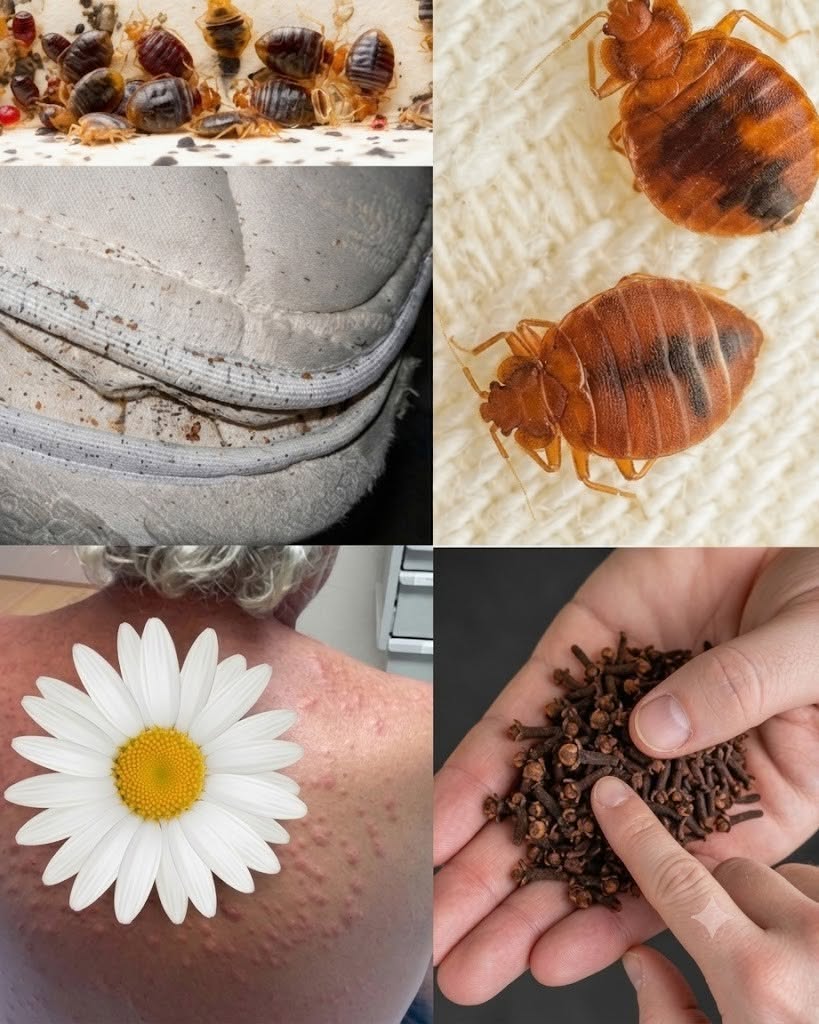

Emma had always taken pride in keeping her home clean and comfortable. Every weekend, she washed the bedding, vacuumed the floors, and made sure every room felt welcoming. So when she started waking up with small itchy spots on her arms, she assumed it was simply dry skin or perhaps a mosquito that had slipped indoors.
A few mornings later, the marks appeared again. Curious rather than alarmed, she decided to inspect her mattress more carefully. Along the seams, she noticed several tiny dark specks she had never seen before.
After contacting a licensed pest management professional, Emma learned that her bedroom had the early signs of a bed bug infestation.
Her experience highlights an important lesson: bed bugs can appear in many different environments, regardless of how clean a home may be. Understanding the signs and responding promptly can make a significant difference in preventing a small problem from becoming a larger one.
What Are Bed Bugs?
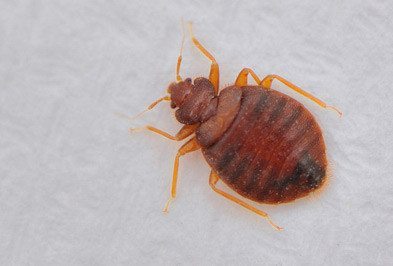
Bed bugs (Cimex lectularius) are small insects that feed on the blood of humans and other warm-blooded animals, usually while people are sleeping.
Adult bed bugs are approximately the size of an apple seed, with flat, oval-shaped bodies that allow them to hide in narrow spaces such as:
- Mattress seams
- Box springs
- Bed frames
- Headboards
- Furniture joints
- Behind wall decorations
- Cracks along baseboards
Unlike some household pests, bed bugs are not attracted to dirt or poor housekeeping. Instead, they seek places where people rest regularly and can easily travel from one location to another.

Do Bed Bugs Mean Your Home Is Dirty?
One of the biggest misconceptions is that bed bugs only infest unclean homes.
In reality, bed bugs can be found in:
- Luxury hotels
- Apartments
- Private homes
- College dormitories
- Hospitals
- Public transportation
- Cruise ships
They spread primarily by hitchhiking on luggage, clothing, backpacks, furniture, or other personal belongings.
Even the cleanest home can experience an infestation if bed bugs are accidentally introduced.
Early Signs of a Bed Bug Infestation
Recognizing the warning signs early can help reduce the spread of an infestation.
Unexplained Skin Reactions
Some people develop small, itchy bumps after bed bug bites, while others experience little or no visible reaction.
Because similar skin changes can result from many different causes, skin marks alone cannot confirm the presence of bed bugs.
Small Dark Spots
Tiny black or dark brown spots along mattress seams, bed frames, or nearby furniture may indicate bed bug waste.
These spots often resemble fine ink dots.
Tiny Rust-Colored Stains
Occasionally, small reddish stains may appear on bedding after insects are accidentally crushed during sleep.
Shed Skins
As bed bugs grow, they shed their outer shells.
Finding pale, empty exoskeletons around mattress edges or furniture joints may indicate their presence.
Live Bed Bugs
Adult insects are reddish-brown and visible without magnification, although they often remain hidden during daylight hours.
Where Should You Inspect?
If you suspect bed bugs, carefully examine common hiding places using a flashlight.
Pay particular attention to:
Mattress Seams
Lift the edges and inspect stitched areas carefully.
Box Springs
Check underneath the fabric covering and around corners.
Bed Frames
Wooden joints and screw holes can provide ideal hiding spaces.
Headboards
Inspect both the front and back surfaces, especially where the headboard meets the wall.
Nearby Furniture
Nightstands, upholstered chairs, couches, and drawers located near sleeping areas should also be examined.
How Do Bed Bugs Enter Homes?
Bed bugs rarely appear spontaneously.
Instead, they are usually transported from another location.
Common sources include:
Travel
Suitcases placed in hotel rooms may unknowingly pick up bed bugs that later travel home.
Used Furniture
Secondhand mattresses, couches, chairs, and wooden furniture should always be inspected before bringing them indoors.
Shared Buildings
In apartment complexes or condominiums, bed bugs may occasionally move between units through small structural openings.
Visitors
Although less common, personal belongings carried by visitors may occasionally introduce bed bugs.
What Should You Do If You Suspect Bed Bugs?
Finding possible signs does not necessarily mean a severe infestation exists.
A calm, systematic response is the best approach.
Wash Bedding
Wash sheets, blankets, pillowcases, and clothing using the warmest water appropriate for the fabric.
Dry items on high heat whenever recommended by the manufacturer.
Heat is effective at eliminating bed bugs and their eggs on washable materials.
Vacuum Carefully
Vacuum:
- Mattress seams
- Bed frames
- Carpets
- Baseboards
- Furniture joints
After vacuuming, immediately empty the contents into a sealed bag and dispose of it outside the home.
Reduce Clutter
Fewer hiding places make inspection and treatment much more effective.
Organized rooms also allow professionals to identify affected areas more easily.
Avoid Moving Infested Items
Moving untreated furniture into another room may spread bed bugs throughout the home.
When Should You Contact a Professional?
Professional pest management is often the most reliable solution, especially when multiple signs are present.
Licensed professionals may use:
- Careful inspections
- Targeted treatment plans
- Heat treatments
- Approved insecticides
- Follow-up monitoring
Because bed bugs can hide in extremely small spaces, professional experience is often valuable for complete elimination.
Common Myths About Bed Bugs
Myth: Only Dirty Homes Have Bed Bugs
False.
Cleanliness does not determine whether bed bugs appear.
Myth: Bed Bugs Spread Easily From Person to Person
Not directly.
They typically travel through belongings rather than living on people.
Myth: You Can Solve Every Infestation With Store-Bought Sprays
Not always.
Improper treatment may scatter bed bugs into additional hiding places rather than eliminate them.
Myth: If You Don’t See Them, They Aren’t There
Bed bugs are excellent at hiding and are most active during nighttime hours.
Preventing Bed Bugs While Traveling
Simple precautions can reduce the chance of bringing bed bugs home.
Inspect Hotel Rooms
Before unpacking, examine:
- Mattress seams
- Headboards
- Bed frames
Look for dark spotting or live insects.
Use Luggage Racks
Whenever possible, place luggage on racks instead of beds or carpeted floors.
Keep Clothing Contained
Store clothing inside closed luggage rather than leaving it on furniture.
Wash Travel Clothes Promptly
After returning home, laundering travel clothing can reduce the chance of accidentally transporting insects.
Buying Secondhand Furniture Safely
Many people enjoy purchasing used furniture, but careful inspection is important.
Before bringing furniture indoors:
Inspect seams and joints.
Look underneath cushions.
Check wooden cracks and screw holes.
Avoid mattresses with unknown histories whenever possible.
If there is any uncertainty, professional inspection may provide additional reassurance.

Why Early Detection Matters
Bed bugs reproduce gradually over time.
Identifying a problem during its earliest stages generally makes treatment:
- Simpler
- Faster
- More affordable
- Less disruptive
Regular inspection of sleeping areas can help homeowners notice changes before an infestation becomes widespread.
Frequently Asked Questions
Can bed bugs transmit diseases?
Current evidence indicates that bed bugs are not known to be significant transmitters of disease to humans.
Can pets carry bed bugs?
Bed bugs prefer hiding near sleeping areas rather than living on pets like fleas or ticks.
Can bed bugs survive without feeding?
Yes. Depending on environmental conditions, they may survive for several months without a blood meal.
Are bed bug bites dangerous?
Most bites cause mild skin irritation in sensitive individuals, although reactions vary considerably from person to person. Anyone experiencing severe skin reactions or concerns should consult a healthcare professional.
Conclusion
Bed bugs are an unfortunate reality in many parts of the world, but they are not a reflection of personal cleanliness or poor housekeeping. They are highly adaptable insects that travel easily and often arrive unnoticed through everyday activities such as travel or moving furniture.
Fortunately, knowledge is one of the most effective tools for prevention. Learning to recognize early signs, inspecting sleeping areas regularly, practicing smart travel habits, and seeking professional guidance when necessary can greatly reduce the impact of an infestation.
Rather than creating fear, awareness encourages preparation. A careful inspection today may provide peace of mind tomorrow, reminding us that even the smallest discoveries can inspire better habits for protecting the places where we rest and recharge.
Sources
- U.S. Centers for Disease Control and Prevention (CDC) – Bed Bugs
- U.S. Environmental Protection Agency (EPA) – Bed Bugs: Get Them Out and Keep Them Out
- World Health Organization (WHO) – Public health information on household pests
- National Pest Management Association (NPMA) – Bed Bug Prevention and Identification
- Mayo Clinic – Bed Bug Bites: Symptoms and Causes
