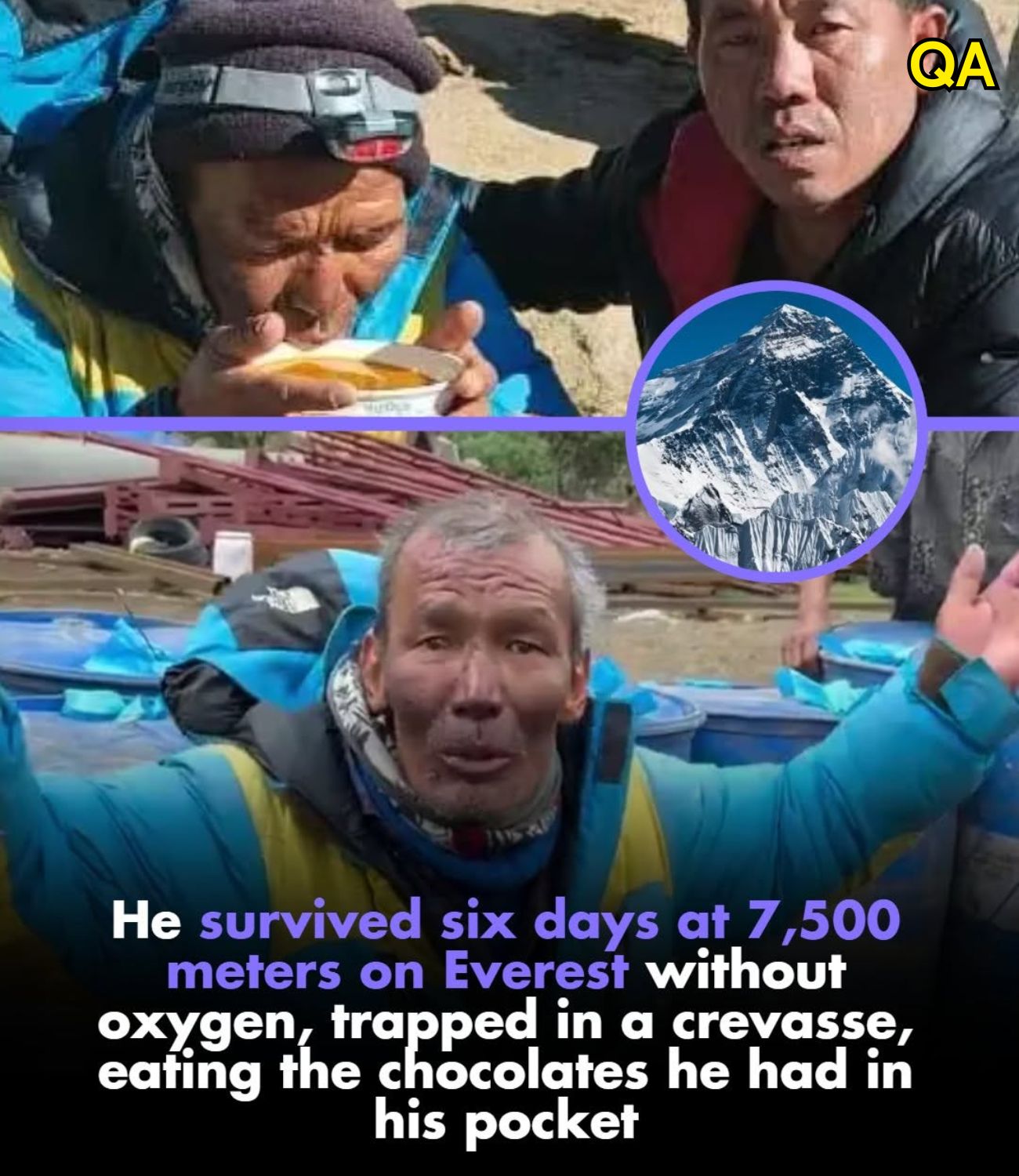

In May 2026, Dawa Sherpa reached the peak of Mount Everest, a feat that showcases both physical endurance and mental resilience. Mount Everest, often referred to as the highest peak in the world, is a challenging climb that draws adventurers and mountaineers from around the globe. Sherpa’s achievement, however, soon turned into a survival saga that captivated the mountaineering community and beyond.
During his descent from the summit, Dawa Sherpa encountered a perilous situation where he ran out of supplemental oxygen near Camp 3, approximately 7,500 meters above sea level. At this critical juncture, tragedy struck as his trail was lost, leading to a harrowing six-day search where rescue teams were unable to find any trace of him. As hope dwindled, his wife, Damu Sherpa, based in the capital city of Kathmandu, began to prepare for the inevitable, initiating funeral rites for her presumed lost husband.
What unfolded during those agonizing days is both remarkable and difficult to comprehend. Dawa Sherpa found himself trapped in an ice crevasse, facing a fight for survival against the odds. For about two and a half days, he endured the harsh conditions of being buried in snow, relying on his ingenuity and resilience. To survive, he chewed on snow and consumed chocolates that he had stashed in the pockets of his jacket—an act that ultimately contributed to his survival.
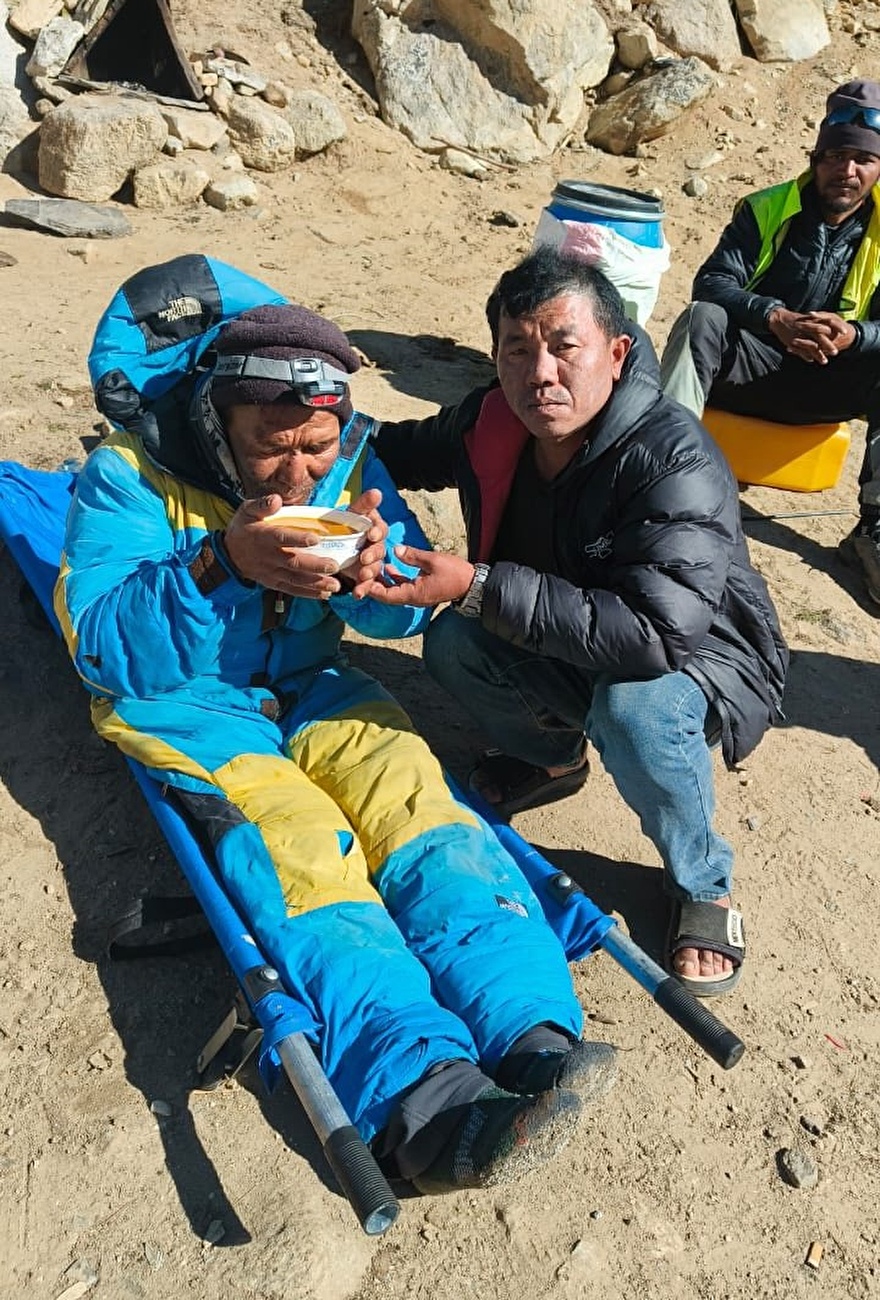
The Ice Crevasse: A Battle for Survival
The ice crevasse served as a daunting barrier, making escape seemingly impossible for Dawa Sherpa. In a fortuitous turn of events, an avalanche later occurred, depositing fresh snow that provided him the leverage he needed to climb to the surface. This moment defined the beginning of his escape, highlighting the unpredictability and danger associated with high-altitude climbing.
Equipped with a mix of determination and resourcefulness, Dawa utilized ropes he discovered in the area to navigate the treacherous terrain. The freezing temperatures and the altitude posed significant challenges, yet he persisted. Despite the intense difficulties, he chose to walk at night, carefully making his way toward the base camp. His exhausting journey culminated in a miraculous moment when he was spotted crawling across a frozen waterfall, eleven kilometers from the last known sighting of him.
The Rescue Effort and Recovery
Pemba Sherpa, the chief executive of 8K Expeditions—the organization that orchestrated the search and subsequent rescue—described Dawa’s situation as a “true self-rescue”. This assessment underscores not only the physical challenges Dawa overcame but also the mental fortitude required to survive in such an environment. When he was finally located, Dawa was airlifted by helicopter to a hospital in Kathmandu, where medical professionals treated him for severe dehydration, frostbite, and a fractured extremity.
Dawa Sherpa’s incredible feat of endurance and survival garnered significant attention, drawing reactions from both the mountain climbing community and the media. His situation serves as a reminder of the inherent risks associated with climbing and the unpredictable nature of the mountains. The international mountaineering community expressed profound relief at his survival, highlighting the camaraderie and support often found among climbers. Many offered messages of encouragement and admiration for his tenacity in the face of such adversity.

The Impact of High-Altitude Climbing on Health
High-altitude climbing, particularly on mountains such as Everest, poses numerous health risks, including altitude sickness, frostbite, and hypoxia—the condition resulting from a deficiency in the amount of oxygen reaching the tissues. For climbers, it is critical to acclimatize properly and monitor their physical well-being closely while ascending. Dawa Sherpa’s experience underscores the importance of having adequate supplemental oxygen and emergency survival supplies readily available during challenging climbs.
The dangers are compounded by the severe weather conditions typical at high altitudes. Climbers must frequently contend with extreme temperatures, high winds, and limited visibility—all of which can exacerbate the risks of climbing. It is within this context that Dawa’s survival becomes even more remarkable, signifying not just a personal victory, but also an illustration of human resilience in facing nature’s most daunting challenges.

A Community’s Response and Future Implications
Dawa Sherpa’s story does not only speak to individual survival; it also reflects a larger conversation around safety practices and support systems in high-altitude mountaineering. The response from the climbing community and external observers has sparked discussions about the need for better safety protocols and emergency preparedness for climbers. Experts advocate for conducting rigorous training and ensuring that climbers are equipped with the necessary skills to handle emergencies on the mountain effectively.
As the world continues to witness the allure of Everest and other formidable peaks, the implications of such survival stories serve as crucial lessons. They instigate a deeper examination into how climbers can prepare, educate themselves on the risks they face, and develop a culture that prioritizes safety while allowing the pursuit of adventure. Moreover, Dawa Sherpa’s journey invites further inquiry into the environmental changes affecting these mountain ecosystems and highlights the importance of responsible climbing practices that preserve these majestic landscapes.
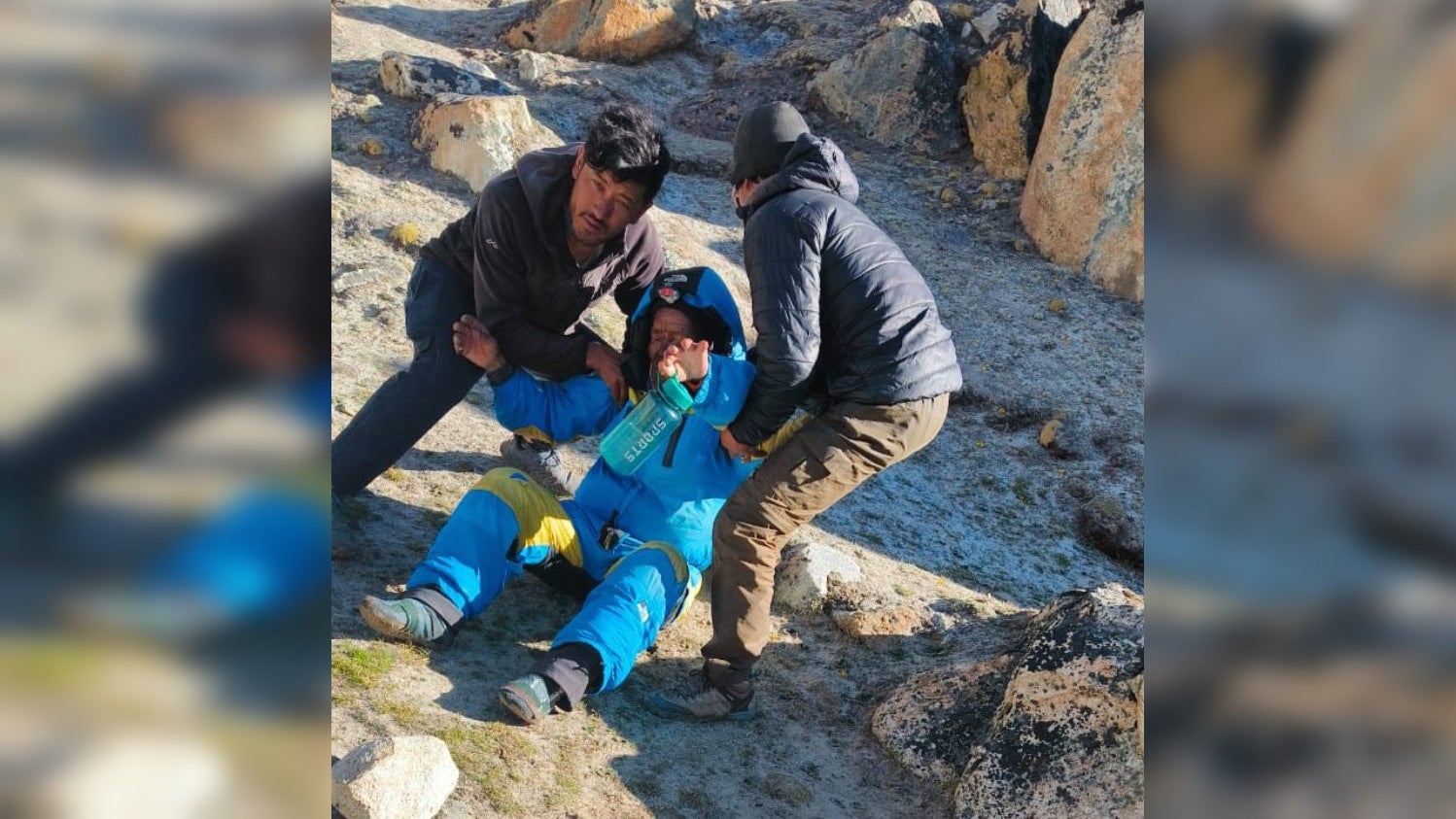
Honoring Dawa Sherpa: A Symbol of Hope
Following his recovery, Dawa Sherpa has become not just a survivor but also an inspiring figure within the mountaineering community. With the nickname “Hillary Dawa Sherpa,” in honor of the legendary Edmund Hillary, he stands as a testament to perseverance and the enduring human spirit. His experience and recovery have sparked a renewed interest in the psychological aspects of mountaineering, emphasizing the role of mental strength in overcoming life-threatening situations.
As we reflect on the challenges faced by climbers like Dawa Sherpa, it becomes clear that their stories offer significant insights into the nature of survival. They encourage a broader understanding of what it means to confront adversity, not just physically, but mentally and emotionally as well. Dawa’s incredible experience serves as a message of hope, resilience, and the enduring connection humans have with the grand and often treacherous landscape of the mountains.
Sources
For further reading and information, consider the following credible sources:
