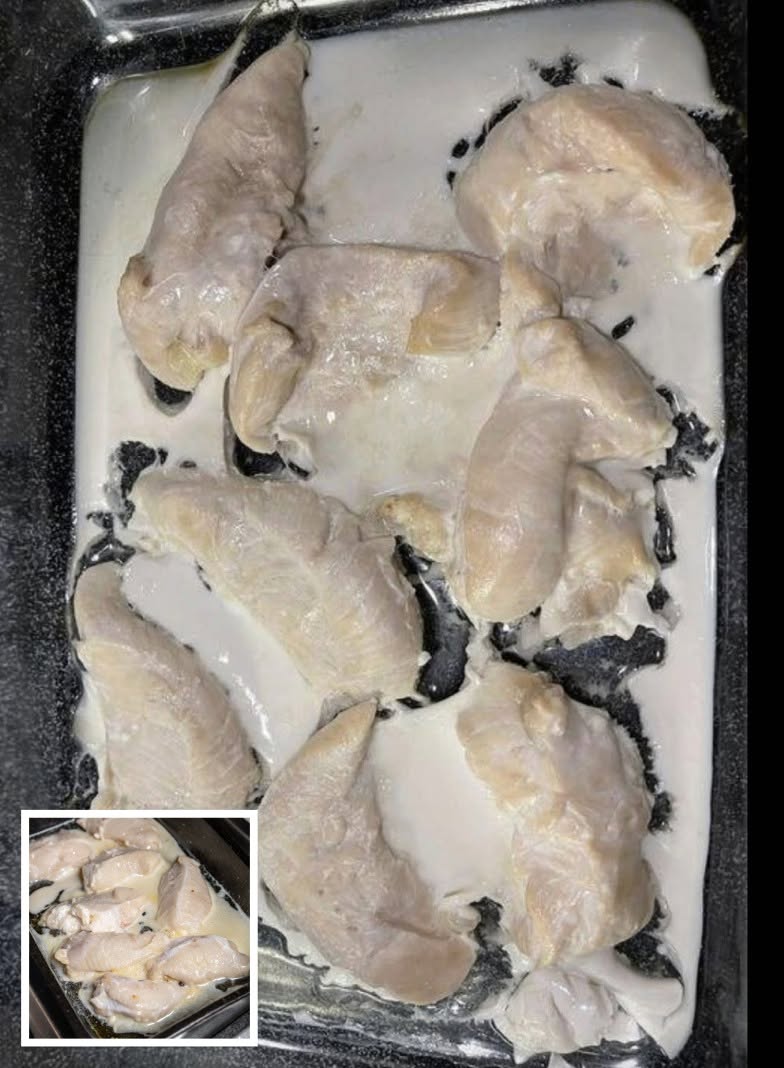

You’ve probably experienced it before.
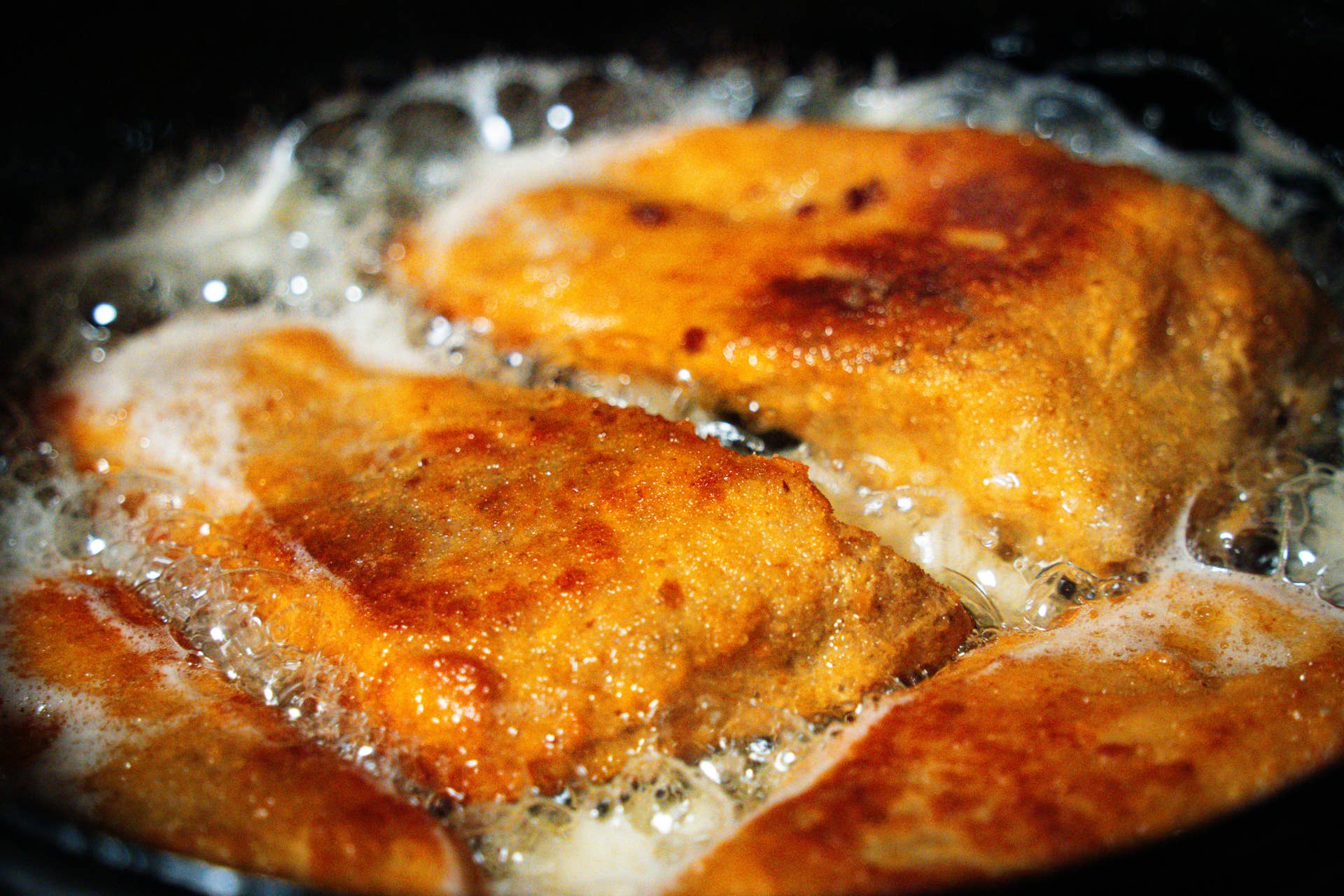
You place a chicken breast in the oven, air fryer, or skillet, and as it cooks, a strange white substance begins to appear on the surface. It may look unappetizing, causing some people to wonder whether the chicken has gone bad or if something is wrong with the meat.
Fortunately, food experts say there is no reason for concern.
That white material is a completely natural part of the cooking process. Understanding why it appears can help home cooks feel more confident in the kitchen and appreciate the science behind preparing poultry.
What Is the White Substance on Cooked Chicken?
The white material that sometimes appears during cooking is primarily a protein called albumin.
Albumin is naturally present in many foods, including:
-
Chicken
-
Fish
-
Eggs
-
Milk
When chicken is raw, this protein remains largely invisible within the muscle tissue. As heat is applied, the protein changes structure and becomes visible as a white, sometimes slightly foamy substance.
This process is similar to what happens when egg whites are cooked. Raw egg whites are mostly clear, but they turn white when heated because their proteins coagulate.
The same scientific principle occurs in chicken.
Why Does Albumin Appear During Cooking?
When chicken cooks, heat causes muscle fibers to contract.
As the fibers tighten, moisture and dissolved proteins inside the meat are pushed toward the surface. Once exposed to heat, the albumin solidifies and becomes visible.
The result is the white material many people notice while:
-
Baking chicken
-
Roasting chicken
-
Boiling chicken
-
Air frying chicken
-
Pan-searing chicken
This is a completely normal reaction and does not indicate spoilage.
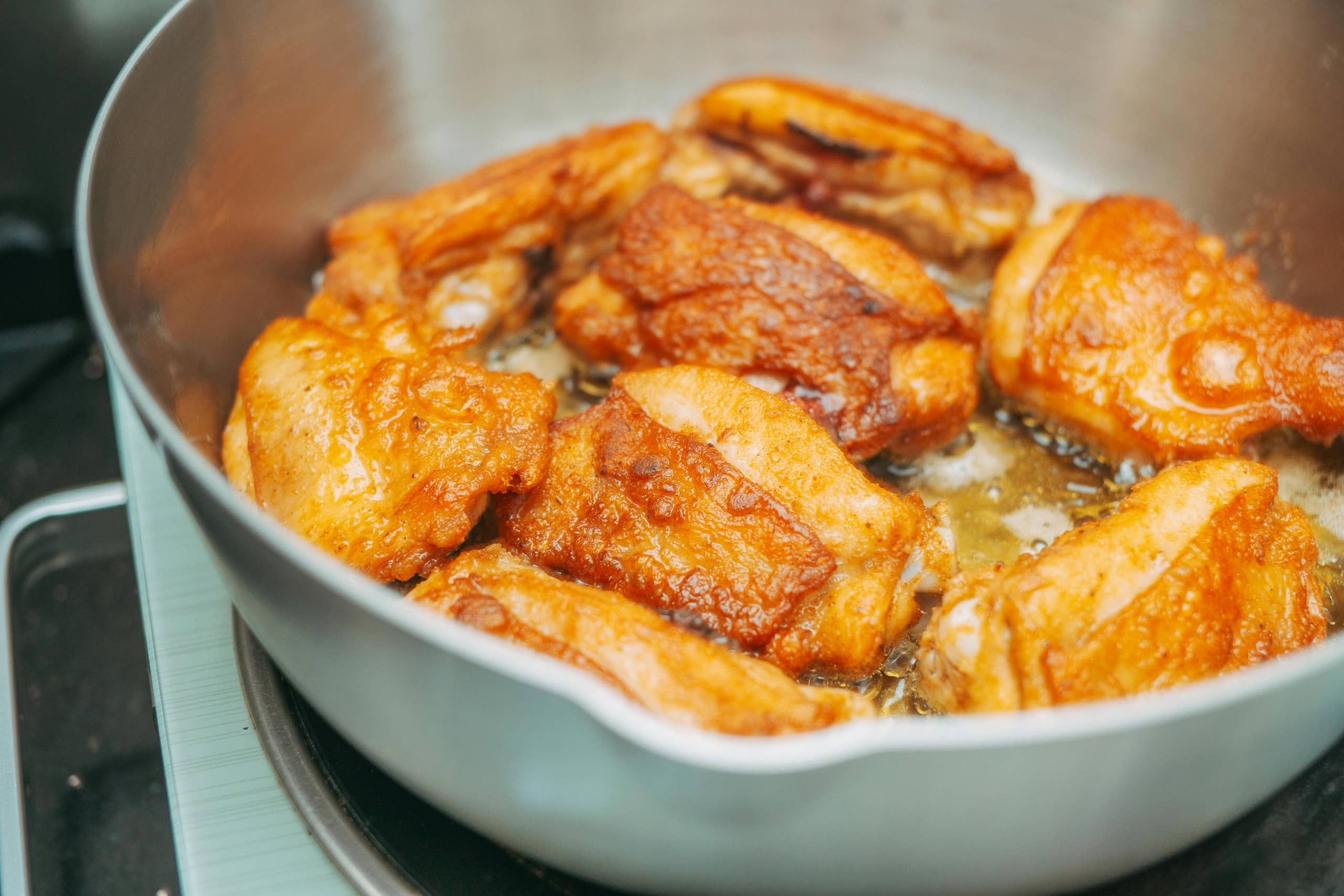
Why Does It Happen More With Chicken Breasts?
Chicken breasts tend to display albumin more noticeably than darker cuts of meat.
This happens because chicken breasts are leaner and contain less fat. When heated quickly, moisture and proteins are forced out more aggressively, creating visible white deposits on the surface.
Boneless, skinless chicken breasts cooked at high temperatures are particularly likely to produce this effect.
Does Freezing Make It Worse?
Yes, freezing can increase the amount of visible albumin.
When poultry freezes, tiny ice crystals form within the meat. These crystals can puncture cell structures inside the muscle tissue.
After thawing, additional moisture and proteins may leak from the damaged cells.
During cooking, these liquids are pushed to the surface, making the white substance more noticeable than in fresh chicken.
This is one reason frozen chicken often releases more liquid during cooking.
What About the Foam When Boiling Chicken?
If you’ve ever boiled chicken for soup, stock, or meal preparation, you may have noticed a white foam floating on top of the water.
This foam is largely the same protein—albumin.
As the chicken heats up, proteins are released into the water and quickly coagulate on the surface.
Many cooks skim off the foam for a cleaner appearance, but it is not harmful and does not affect food safety.
Is the White Stuff Safe to Eat?
According to food experts, yes.
Albumin is simply a naturally occurring protein that was already present inside the chicken before cooking.
It is:
-
Safe to consume
-
Naturally occurring
-
Common in poultry
-
Found in many other foods
The texture may seem slightly rubbery or unusual, which is why some people prefer to remove it, but it presents no health concern.
How to Reduce the Appearance of Albumin
Although harmless, many home cooks prefer their chicken to have a cleaner appearance.
Several cooking techniques can help minimize the amount of albumin released.
Cook at Lower Temperatures
High heat causes muscle fibers to contract rapidly.
Cooking chicken more gently allows proteins to remain distributed throughout the meat instead of being forced to the surface.
Avoid Overcooking
Overcooking increases moisture loss and protein leakage.
Using a food thermometer helps ensure chicken reaches the proper internal temperature without excessive cooking.
Allow Chicken to Rest
Letting chicken rest after cooking allows juices to redistribute throughout the meat.
This often improves both texture and appearance.
Thaw Properly
Slow thawing in the refrigerator may help reduce excessive moisture loss compared with rapid thawing methods.
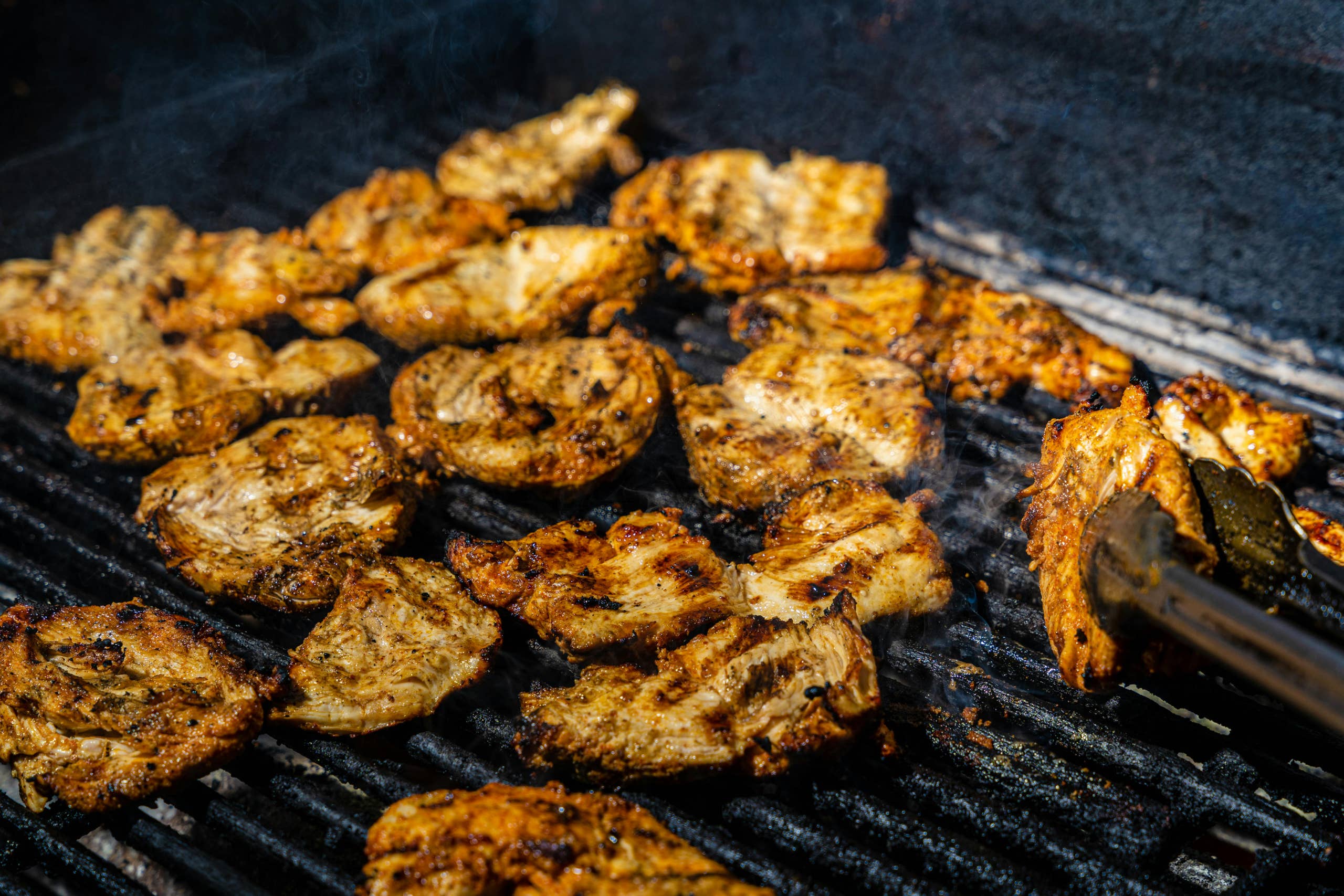
Does This Happen With Other Foods?
Absolutely.
Albumin appears in several types of food.
Fish
Salmon frequently releases a white protein substance during cooking. This is also albumin and is completely safe to eat.
Shrimp
Cooked shrimp can occasionally show similar protein deposits.
Eggs
Egg whites are one of the most familiar examples of proteins changing color when heated.
Ground Meats
Burgers and sausages may release protein-rich juices during cooking that behave similarly.
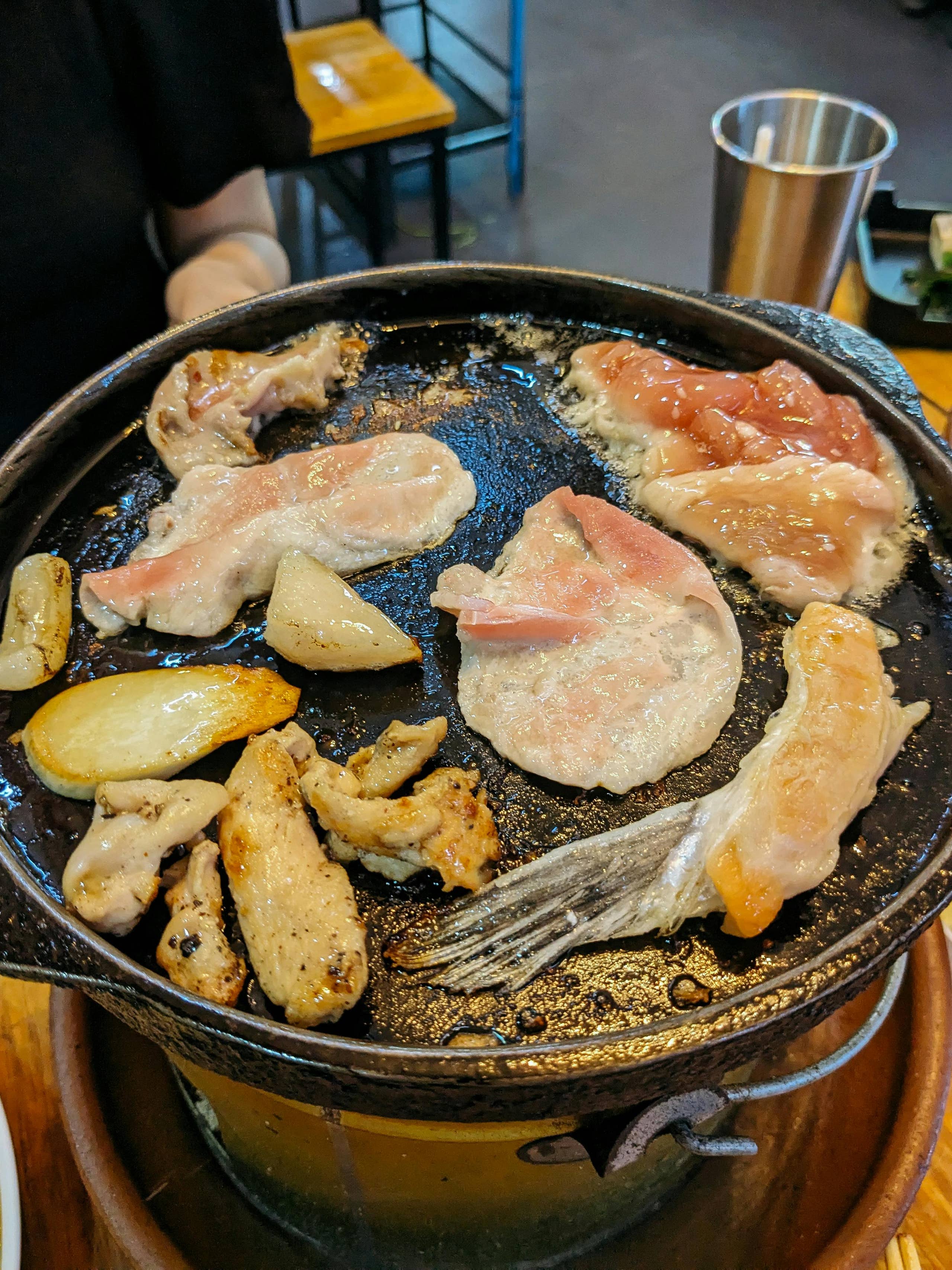
Common Myths About White Protein on Chicken
Myth 1: The Chicken Is Spoiled
False.
Albumin is unrelated to freshness. Fresh chicken can produce it just as easily as frozen chicken.
Myth 2: It Means the Chicken Is Undercooked
False.
The appearance of albumin simply indicates proteins are reacting to heat.
Myth 3: It Is Fat
False.
The substance is primarily protein, not fat.
Myth 4: It Is Unsafe
False.
Food experts consistently recognize albumin as a normal and harmless component of cooked poultry.
The Science Behind Better Cooking
Understanding food science can make everyday cooking less mysterious.
Many kitchen phenomena that initially seem strange are actually natural biological and chemical processes.
The appearance of albumin is simply one example of proteins responding to heat.
By understanding why it happens, cooks can focus less on worrying about appearance and more on preparing flavorful, nutritious meals.
Conclusion
The white substance that sometimes appears on chicken during cooking is a naturally occurring protein called albumin. While it may not look particularly appealing, it is completely normal and safe to eat.
Heat causes proteins inside the chicken to coagulate and move toward the surface, creating the familiar white appearance many home cooks notice. Factors such as high cooking temperatures, freezing, and lean cuts of meat can make the effect more noticeable.
Fortunately, there is no need for concern. The next time you see white protein on your chicken, you’ll know it is simply part of the science of cooking. Understanding this process can help you cook with greater confidence and enjoy your meal knowing that this common kitchen occurrence is perfectly natural.
Sources
-
United States Department of Agriculture (USDA)
-
Food Safety and Inspection Service (FSIS)
-
Reader’s Digest
-
Academy of Nutrition and Dietetics
-
Harvard T.H. Chan School of Public Health
-
American Egg Board
-
Food Science and Human Nutrition Resources
