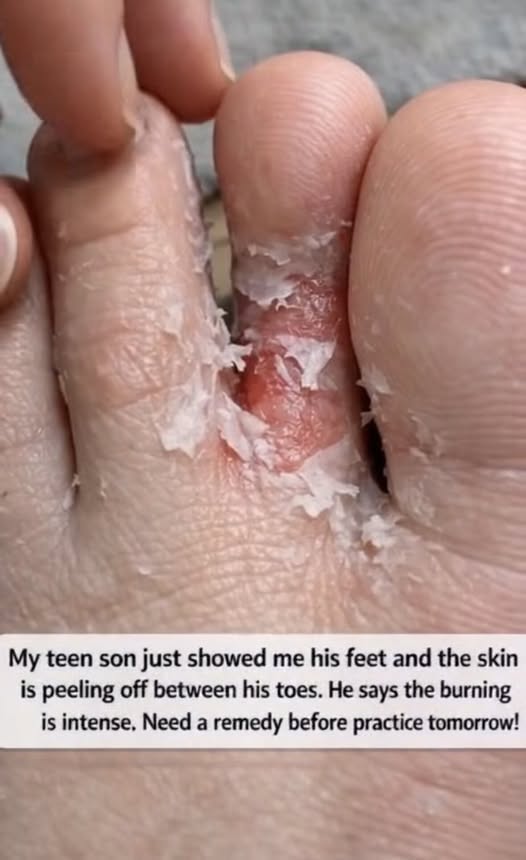

It started with a simple question at the end of a busy day.
A teenage athlete walked into the kitchen looking uncomfortable and slightly concerned. After removing his shoes and socks, he revealed what had been bothering him for several days. The skin between his toes was peeling, red, and irritated. He described a burning sensation that had gradually become more noticeable, especially after sports practice.
Like many parents, the immediate concern was finding out what was causing the problem and how to help relieve the discomfort.
At first glance, the condition looked alarming. The peeling skin and tenderness raised questions about whether it was an allergy, irritation, or something more serious. However, after learning more about the symptoms, the likely explanation became clear: athlete’s foot, one of the most common fungal skin conditions affecting active teenagers and adults.
Fortunately, athlete’s foot is usually manageable when identified early and treated properly. Understanding why it occurs, how to treat it, and how to prevent it can help keep active individuals healthy and comfortable.
What Is Athlete’s Foot?
Athlete’s foot is a common fungal infection that affects the skin of the feet, particularly the areas between the toes.
Known medically as tinea pedis, the condition develops when fungi grow on the outer layers of the skin. These organisms thrive in warm, moist environments, making feet an ideal location under certain conditions.
The infection is especially common among:
Teenagers
Athletes
People who wear closed shoes for long periods
Individuals who frequently visit locker rooms
Swimmers
Gym users
Despite its name, athlete’s foot can affect anyone, not just athletes.
The condition is one of the most widespread fungal skin infections worldwide.
Why Teenagers Are Especially Vulnerable
Teenagers often participate in sports, physical education classes, and outdoor activities that increase sweating.
During exercise, feet can remain enclosed inside shoes for several hours. The combination of warmth, moisture, and limited airflow creates an environment where fungi can grow easily.
Several factors increase risk:
Sweaty feet
Tight-fitting footwear
Wearing damp socks
Sharing locker rooms
Walking barefoot in communal areas
Infrequent shoe rotation
For active teenagers, these conditions are often part of daily life, making prevention especially important.
Common Symptoms of Athlete’s Foot
Athlete’s foot can appear differently from person to person.
Some individuals experience only mild irritation, while others develop more noticeable symptoms.
Common signs include:
Peeling skin between the toes
Itching
Burning sensations
Dry or flaky skin
Redness
Cracked skin
Discomfort while walking
Tender areas between the toes
In some cases, symptoms may spread to the soles or sides of the feet.
Because early symptoms can seem minor, many people delay treatment until discomfort becomes more significant.
Recognizing the condition early often allows for quicker recovery.
Why Moisture Matters
Fungi depend on moisture to thrive.
This is why damp socks, sweaty footwear, and wet surfaces contribute to the spread of athlete’s foot.
After physical activity, moisture can become trapped inside shoes for hours.
Without adequate drying, fungi can multiply and irritate the skin.
Experts often emphasize that moisture control is one of the most effective strategies for both treatment and prevention.
Keeping feet clean and dry helps create an environment that is less favorable for fungal growth.
:format(webp)/benh_a_z_viem_da_bong_vay_1_351227e49c.jpg)
The First Steps in Treatment
When symptoms first appear, simple care measures can often provide relief.
The first step is gentle cleansing.
Washing the feet with mild soap and cool or lukewarm water helps remove sweat, debris, and excess moisture.
After washing, thorough drying is essential.
Many people overlook the spaces between the toes, yet these areas are where moisture commonly accumulates.
Careful drying helps reduce fungal growth and supports skin healing.
Maintaining a consistent hygiene routine is often an important part of successful treatment.
How Antifungal Treatments Work
Over-the-counter antifungal products are commonly used to treat athlete’s foot.
These products are available in various forms, including:
Creams
Sprays
Powders
Gels
Solutions
Common active ingredients may include clotrimazole, terbinafine, miconazole, or tolnaftate.
These medications work by targeting the fungi responsible for the infection.
Many individuals begin noticing improvement within days, although complete treatment often requires continued application for several weeks.
Following product instructions carefully is important because symptoms may improve before the fungal infection is completely eliminated.
Stopping treatment too soon can increase the likelihood of recurrence.
The Importance of Proper Footwear
Footwear plays a major role in both recovery and prevention.
Shoes that trap heat and moisture can contribute to ongoing fungal growth.
Experts often recommend:
Breathable athletic shoes
Moisture-wicking socks
Proper shoe ventilation
Regular shoe cleaning
Alternating between multiple pairs of shoes
Rotating shoes allows each pair sufficient time to dry completely before being worn again.
This simple habit can significantly reduce moisture buildup.
For athletes who train frequently, proper footwear management is often one of the most effective preventive measures.
Preventing Athlete’s Foot in Shared Spaces
Locker rooms, public showers, pool decks, and gym floors can serve as common locations where fungal organisms spread.
Because these environments are frequently warm and damp, they may allow fungi to survive on surfaces.
Preventive strategies include:
Wearing shower sandals
Using flip-flops in communal areas
Avoiding barefoot walking in public facilities
Keeping personal towels separate
Changing out of damp footwear promptly
These habits help reduce exposure and lower the risk of reinfection.

Addressing the Emotional Side of the Condition
Teenagers can sometimes feel embarrassed about skin conditions, especially those affecting visible areas of the body.
Parents and caregivers play an important role in providing reassurance.
Athlete’s foot is extremely common and affects millions of people every year.
Developing the condition does not indicate poor hygiene or neglect.
Rather, it often results from common environmental factors associated with sports and physical activity.
Open conversations can help reduce embarrassment and encourage teens to seek treatment early when symptoms appear.
When to Seek Medical Advice
Although many cases respond well to home treatment, certain situations may require professional evaluation.
Medical advice should be considered if:
Symptoms worsen despite treatment
The infection spreads significantly
Severe swelling develops
Pain becomes substantial
The condition repeatedly returns
There are signs of a secondary infection
A healthcare professional can determine whether additional treatment or further evaluation is needed.
Prompt medical attention can help prevent complications and improve outcomes.
Building Healthy Foot Care Habits
Good foot care extends beyond treating athlete’s foot.
Healthy habits support comfort, athletic performance, and overall well-being.
Recommended practices include:
Daily washing
Thorough drying
Changing socks regularly
Wearing properly fitted shoes
Inspecting feet for irritation
Allowing shoes to air out
Using moisture-control products when necessary
These simple routines can reduce the likelihood of future problems and contribute to long-term foot health.
Why Prevention Is Easier Than Treatment
One of the most valuable lessons from athlete’s foot is the importance of prevention.
While treatment is generally effective, preventing fungal growth in the first place is often easier than managing an active infection.
Small daily habits can have a significant impact.
A clean pair of socks, dry shoes, and proper hygiene require little effort but can greatly reduce risk.
For active teenagers, these preventive measures can help minimize interruptions to sports, exercise, and daily activities.
Conclusion: A Reminder That Small Symptoms Matter
Peeling skin between the toes may seem like a minor issue at first, but it can quickly become uncomfortable if ignored.
Athlete’s foot is a common condition, particularly among active teenagers who spend long hours in athletic footwear. Fortunately, early treatment, proper hygiene, and preventive habits are usually highly effective.
The experience serves as a useful reminder that even small symptoms deserve attention. Addressing problems early often leads to quicker recovery and less discomfort.
Human health is often influenced by everyday habits. Sometimes, the simplest actions—drying feet thoroughly, changing socks regularly, and wearing breathable shoes—can make the biggest difference.
By understanding athlete’s foot and taking practical preventive steps, teenagers and adults alike can keep their feet healthy, comfortable, and ready for whatever activities come next.

Sources
American Academy of Dermatology
American Podiatric Medical Association
Centers for Disease Control and Prevention
National Health Service
Mayo Clinic
Athlete’s Foot clinical guidance
Peer-reviewed dermatology and podiatry literature
