
Hospitals are places where people expect care, healing, and reassurance. Every day, thousands of healthcare professionals arrive before sunrise, preparing for another busy shift dedicated to helping patients and supporting families.
On what began as a routine morning at a major hospital near Detroit, that sense of normalcy was suddenly disrupted.
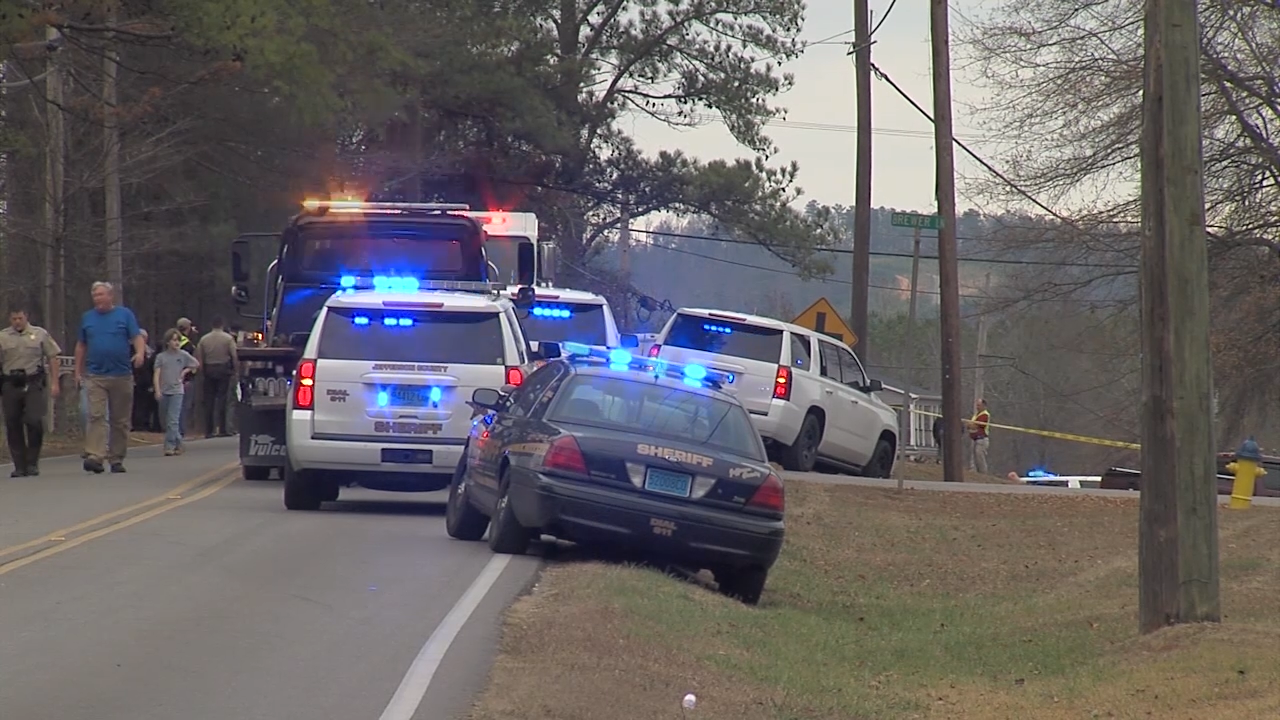
An emergency situation prompted a lockdown, bringing a significant response from law enforcement and temporarily changing the rhythm of operations across the medical campus. Patients, visitors, doctors, nurses, and support staff were instructed to follow emergency procedures while authorities worked to secure the area.
While the immediate threat was quickly contained and officials reported that the injured individual was expected to recover, the incident has renewed conversations about workplace safety, hospital security, and the unique challenges healthcare facilities face in today’s world.
Beyond the headlines, the event highlights important questions about preparedness, communication, and protecting the people who dedicate their lives to caring for others.
What Happened at the Hospital?
According to reports, the incident occurred during the early morning hours at Corewell Health Beaumont Troy Hospital in Troy, Michigan.
Authorities stated that law enforcement received reports of gunfire in a hospital parking structure shortly after 7 a.m.
Emergency procedures were immediately activated.
Hospital employees, patients, and visitors were instructed to shelter in place while officers responded and assessed the situation.
Officials later indicated that both the suspect and the injured individual were employees of the hospital.
Reports stated that one staff member sustained injuries and was transported for medical treatment. Authorities said the individual was stabilized and expected to recover.
Law enforcement officers took the suspect into custody without additional incidents, and investigators began examining the circumstances surrounding the event.
At the time of reporting, officials had not publicly identified a motive.
Why Hospital Security Matters
Healthcare facilities occupy a unique position in society.
Unlike many workplaces, hospitals remain open around the clock and serve people experiencing a wide range of physical, emotional, and personal challenges.
Every day, hospitals welcome:
Patients
Family members
Visitors
Medical professionals
Contractors
Emergency responders
Support personnel
This constant flow of people creates a complex security environment.
Hospital administrators must balance accessibility with safety, ensuring that medical services remain available while protecting everyone on campus.
Security experts note that hospitals require different approaches than many other institutions because healthcare environments are designed to prioritize care, compassion, and accessibility.
Maintaining that balance can be challenging.
The Importance of Emergency Preparedness
One reason situations like this receive significant attention is that they test emergency preparedness systems in real time.
Most modern hospitals conduct regular training exercises designed to prepare staff for a variety of unexpected events.
These preparations often include:
Emergency communication protocols
Lockdown procedures
Evacuation planning
Coordination with law enforcement
Incident command systems
Staff training programs
The goal is to ensure that employees understand their roles and responsibilities during emergencies.
Preparedness experts frequently emphasize that effective planning can reduce confusion and improve coordination when rapid decisions become necessary.
Although no organization hopes to use these procedures, training helps institutions respond quickly when unexpected situations occur.
How Lockdowns Protect Patients and Staff
Hospital lockdowns are designed to limit movement and enhance safety during active investigations or security concerns.
When a lockdown is initiated, staff members follow established procedures intended to reduce risk while maintaining essential medical services whenever possible.
Depending on the circumstances, lockdown measures may include:
Restricting access points
Limiting movement within buildings
Providing instructions through internal communication systems
Coordinating with law enforcement
Monitoring key areas of the facility
Healthcare workers must often continue caring for patients even while emergency procedures are underway.
This dual responsibility highlights the professionalism and adaptability required in medical environments.
The Human Side of Healthcare Security
Discussions about hospital security often focus on systems, procedures, and infrastructure.
However, behind every policy are people.
Doctors, nurses, technicians, therapists, support staff, and administrators work in healthcare because they want to help others.
When emergencies occur, these professionals must continue balancing patient care with personal safety considerations.
For patients and visitors, security incidents can create uncertainty and concern.
Clear communication becomes especially important during these moments.
Experts in crisis management consistently emphasize that timely, accurate information helps reduce confusion and allows people to make informed decisions.
Strong communication systems are therefore considered a critical component of modern emergency preparedness.
Workplace Safety in Healthcare Settings
The incident has also renewed attention on workplace safety within healthcare environments.
Healthcare professionals face unique occupational challenges compared with many other industries.
In addition to medical responsibilities, they often work in high-pressure situations involving emotional stress, urgent decision-making, and demanding schedules.
Hospitals increasingly invest in workplace safety initiatives designed to support employees and maintain secure environments.
These efforts may include:
Security personnel
Access control systems
Surveillance technology
Conflict resolution training
Employee assistance programs
Threat assessment procedures
Experts note that creating a culture of safety requires both physical protections and organizational support.
The most effective strategies typically combine prevention, education, communication, and continuous evaluation.
Technology’s Growing Role in Hospital Security
Advances in technology have transformed security operations across healthcare facilities.
Modern hospitals often use integrated systems that combine surveillance, communication, and emergency management tools.
Examples include:
Digital access controls
Real-time monitoring systems
Emergency notification platforms
Video surveillance networks
Visitor management systems
Incident reporting software
These technologies can help security teams respond more quickly and coordinate information effectively during critical situations.
At the same time, experts caution that technology alone cannot replace training, planning, and human judgment.
Successful security programs depend on both advanced tools and well-prepared personnel.
Supporting Employees After Critical Incidents
When emergency situations occur, recovery extends beyond restoring normal operations.
Organizations frequently provide support services to employees who may have experienced stress or disruption during the event.
Such support can include:
Counseling resources
Employee assistance programs
Wellness services
Team debriefings
Mental health support initiatives
Healthcare organizations increasingly recognize the importance of emotional well-being alongside physical safety.
Supporting employees after challenging events helps strengthen resilience and promotes long-term workplace health.
This holistic approach reflects broader trends in occupational wellness and organizational leadership.

Lessons for Organizations Everywhere
Although the incident occurred in a healthcare setting, many of the lessons apply across industries.
Organizations of all types can benefit from reviewing and strengthening emergency preparedness measures.
Key principles include:
Clear communication
Regular training
Defined response procedures
Strong leadership
Collaboration with local authorities
Continuous improvement
Preparedness is not a one-time activity but an ongoing process.
Security experts encourage organizations to evaluate procedures regularly and adapt to changing circumstances.
Learning from real-world events can help institutions identify strengths and opportunities for improvement.
Community Trust and Public Confidence
Hospitals rely heavily on public trust.
Patients seek medical care with the expectation that healthcare facilities will provide both treatment and a safe environment.
Maintaining that trust requires transparency, accountability, and a commitment to continuous improvement.
When incidents occur, healthcare organizations often review procedures carefully to identify lessons and strengthen future responses.
These reviews contribute to organizational learning and help reinforce public confidence.
Community trust is built not only through successful daily operations but also through effective responses to unexpected challenges.

Looking Ahead
As investigators continue gathering information, attention remains focused on understanding the circumstances surrounding the incident.
At the same time, healthcare leaders across the country are likely to continue discussions about security, preparedness, and employee safety.
The healthcare industry constantly evolves in response to new challenges and opportunities.
Advances in technology, training methods, and organizational practices continue shaping how facilities prepare for emergencies.
While no system can eliminate every risk, ongoing investment in preparedness helps organizations respond effectively when unexpected situations arise.
Conclusion: A Reflection on Safety and Resilience
The lockdown at a hospital near Detroit serves as a reminder of the critical importance of safety in environments dedicated to healing and care.
Although the incident temporarily disrupted operations, emergency procedures, coordinated law enforcement response, and medical expertise helped bring the situation under control.
Stories like this highlight the dedication of healthcare professionals who continue serving patients even during challenging circumstances. They also underscore the value of preparation, communication, and continuous improvement in maintaining secure workplaces.
Human curiosity naturally leads us to examine events that disrupt everyday routines. Yet beyond the immediate headlines lies a broader lesson: resilience often emerges through planning, cooperation, and a shared commitment to protecting one another.
As healthcare facilities continue refining their safety strategies, the focus remains on supporting patients, employees, and communities while ensuring that hospitals remain places of care, trust, and hope.

Sources
Reuters
Associated Press (AP)
Corewell Health public statements
Michigan State Police resources
Federal Emergency Management Agency (FEMA)
Occupational Safety and Health Administration (OSHA)
American Hospital Association (AHA)
The Joint Commission healthcare safety resources
