
A Morning That Changed the Rhythm of an Island
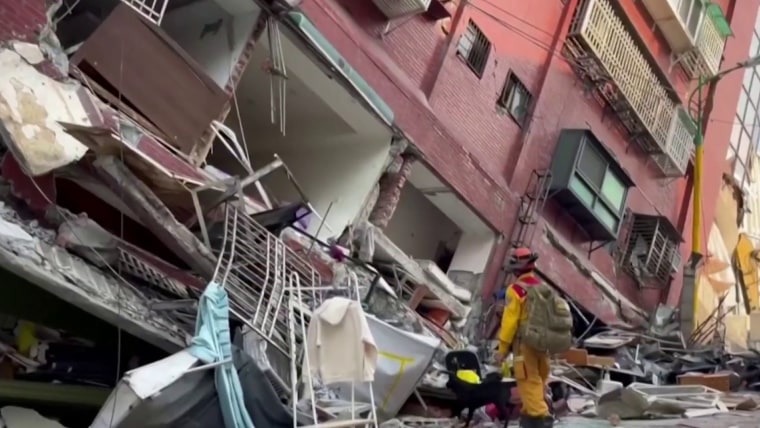
For millions of people, the morning began like any other. Streets were slowly filling with commuters, businesses were preparing to open, and families were starting their daily routines. Then, within moments, an unexpected natural event transformed the atmosphere across Taiwan.
Buildings swayed, transportation systems paused, and residents moved quickly to safety as a powerful earthquake struck near the eastern part of the island. News of the event spread rapidly across Asia and beyond, drawing international attention to one of the world’s most seismically active regions.
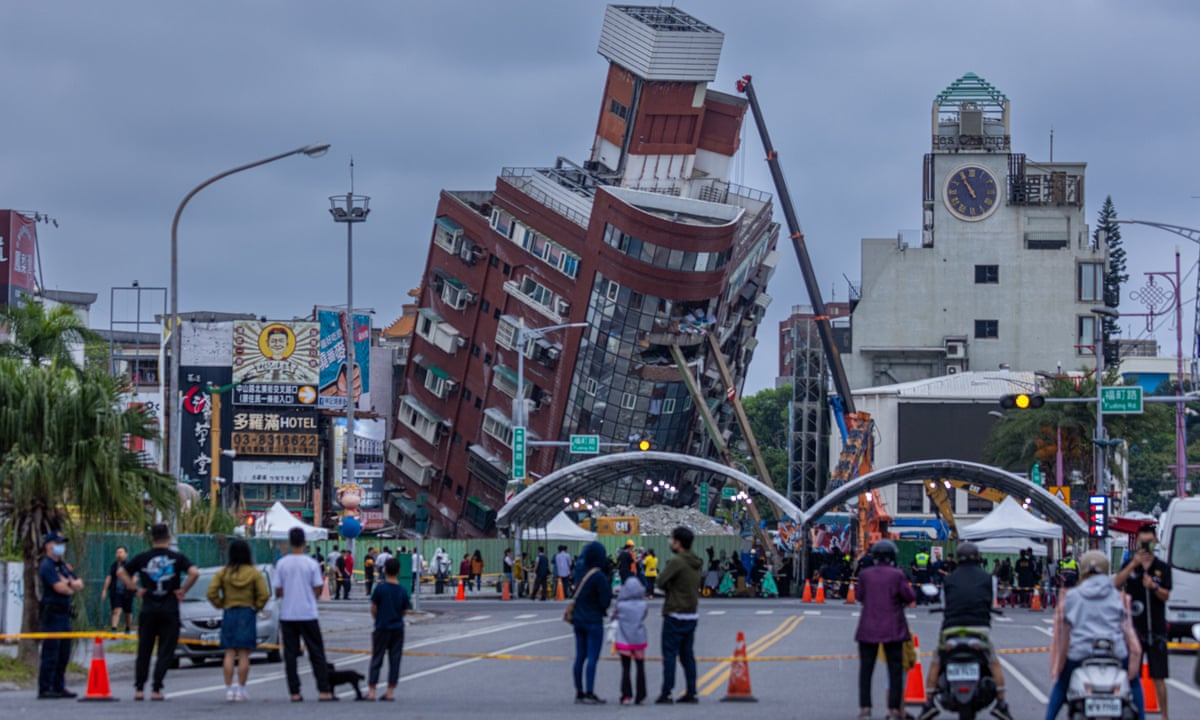
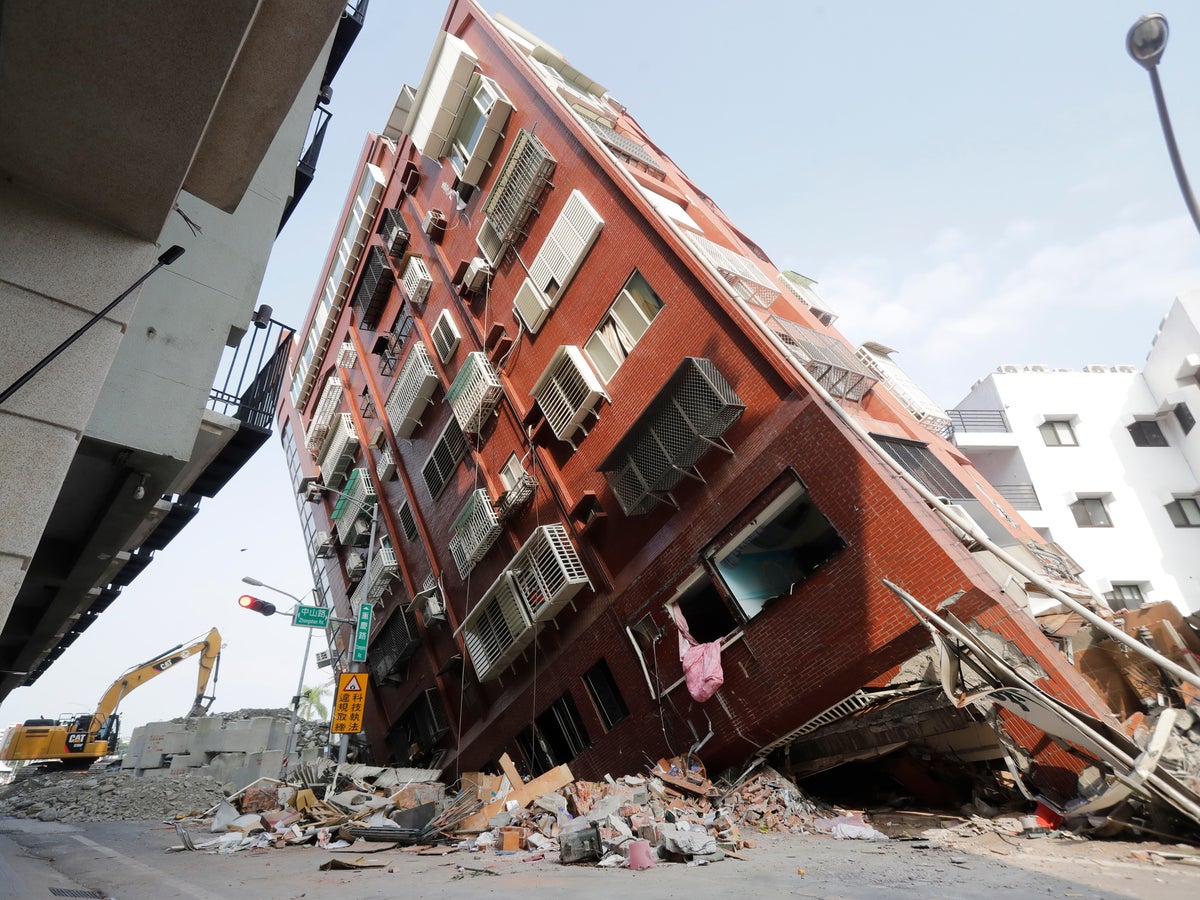
As images of tilted buildings, disrupted transportation networks, and landslides emerged, many people began asking familiar questions. Why do earthquakes occur so frequently in Taiwan? How do communities prepare for such events? And what cultural stories and scientific explanations have shaped humanity’s understanding of earthquakes throughout history?
The answers reveal a fascinating combination of geology, history, resilience, and human curiosity.
Understanding the Taiwan Earthquake
Taiwan experienced a major earthquake on April 3, 2024, with the epicenter located off the island’s eastern coast. The tremor was felt across much of Taiwan and in neighboring regions, prompting emergency responses and precautionary measures.
Transportation services temporarily suspended operations while authorities assessed infrastructure and public safety conditions. Residents in several cities reported noticeable shaking, while aftershocks continued to be monitored throughout the day.
The event quickly became one of the most discussed natural phenomena in Asia during 2024 due to its magnitude and the widespread impact on daily life.
Although earthquakes can be disruptive, Taiwan’s extensive preparedness systems played a significant role in helping communities respond efficiently.
Why Taiwan Experiences Frequent Earthquakes
Taiwan’s location makes it particularly vulnerable to seismic activity.
The island sits near the boundary of two major tectonic plates: the Philippine Sea Plate and the Eurasian Plate. These massive sections of Earth’s crust are constantly moving, although the movement occurs very slowly over long periods.
When pressure builds between these plates and is eventually released, earthquakes occur.
Scientists describe Taiwan as one of the world’s most geologically active regions because of this ongoing interaction. The same geological forces responsible for earthquakes have also helped create Taiwan’s dramatic mountain ranges and stunning landscapes.
In many ways, the island’s natural beauty and seismic activity share the same geological origins.

The Science Behind Earthquakes
Earthquakes occur when stored energy within the Earth’s crust is suddenly released.
This release generates seismic waves that travel through the ground, causing shaking that can be felt across large areas.
Several factors influence how strongly an earthquake is experienced:
Magnitude
Magnitude measures the energy released during an earthquake. Larger magnitudes generally indicate more powerful seismic events.
Depth
Earthquakes occurring closer to the surface often produce stronger ground shaking than deeper events.
Distance From the Epicenter
Communities located nearer the epicenter usually experience stronger effects.
Local Geology
The type of soil and rock beneath a city can influence how seismic waves travel and how intensely shaking is felt.
Modern seismology allows scientists to measure earthquakes with remarkable precision, helping authorities assess risks and improve preparedness strategies.
Ancient Myths About Earthquakes
Long before modern geology existed, civilizations sought explanations for earthquakes through mythology and folklore.
Across cultures, people created stories to make sense of the mysterious shaking of the ground.
In Japanese folklore, some legends describe a giant catfish known as Namazu living beneath the earth. According to tradition, movements of this enormous creature were believed to cause earthquakes.
Ancient Greek mythology sometimes connected earthquakes to the actions of powerful gods associated with the sea and the earth.
In various indigenous traditions around the world, earthquakes were occasionally interpreted as signs of spiritual activity or messages from nature.
While these explanations differ from modern scientific understanding, they reveal humanity’s enduring desire to explain natural events and find meaning in unexpected experiences.
Earthquakes in Taiwanese Culture
Taiwan’s history includes numerous significant earthquakes, making seismic awareness an important part of local culture.
Over generations, communities developed traditions emphasizing preparedness, resilience, and mutual support. Stories passed down through families often include accounts of past earthquakes and lessons learned from them.
These experiences have helped shape public attitudes toward disaster readiness.
Today, earthquake drills, public education campaigns, and emergency planning are common aspects of life in Taiwan. Rather than viewing earthquakes solely as unpredictable events, many residents see preparedness as a practical responsibility.
This cultural mindset has contributed to Taiwan’s reputation as a global leader in earthquake readiness.
Engineering Solutions That Save Lives
One of the most remarkable aspects of modern earthquake preparedness is engineering innovation.
Over the past several decades, scientists and engineers have developed technologies designed to help buildings withstand seismic forces.
These include:
Flexible Building Structures
Modern buildings can be designed to absorb and distribute seismic energy more effectively.
Base Isolation Systems
Some structures are built using specialized foundations that reduce the transfer of ground motion.
Shock Absorbers
Advanced damping systems help control building movement during seismic activity.
Continuous Monitoring
Sensors installed throughout infrastructure provide real-time information to engineers and emergency responders.
Taiwan has invested heavily in these technologies, helping improve resilience in urban areas.
The Role of Early Warning Systems
Technology has transformed how societies respond to earthquakes.
Although scientists cannot predict the exact time of an earthquake, early warning systems can detect seismic waves and send alerts before stronger shaking reaches certain locations.
These alerts may provide seconds of warning, which can still be valuable.
During those moments, people may have time to move away from hazards, transportation systems can slow or stop automatically, and emergency procedures can begin.
Taiwan’s earthquake monitoring network is considered among the most advanced in the world and continues to evolve as technology improves.
The Environmental Impact of Major Earthquakes
Earthquakes affect more than buildings and infrastructure.
They can also reshape landscapes in dramatic ways.
Landslides may occur in mountainous regions. River paths can shift. Coastal areas may experience changes in elevation. In some cases, entirely new geological features emerge.
Scientists study these changes to better understand Earth’s dynamic processes.
The Taiwan earthquake provided researchers with valuable data about tectonic activity and landscape evolution in one of Asia’s most geologically complex regions.
Human Resilience in the Face of Natural Events
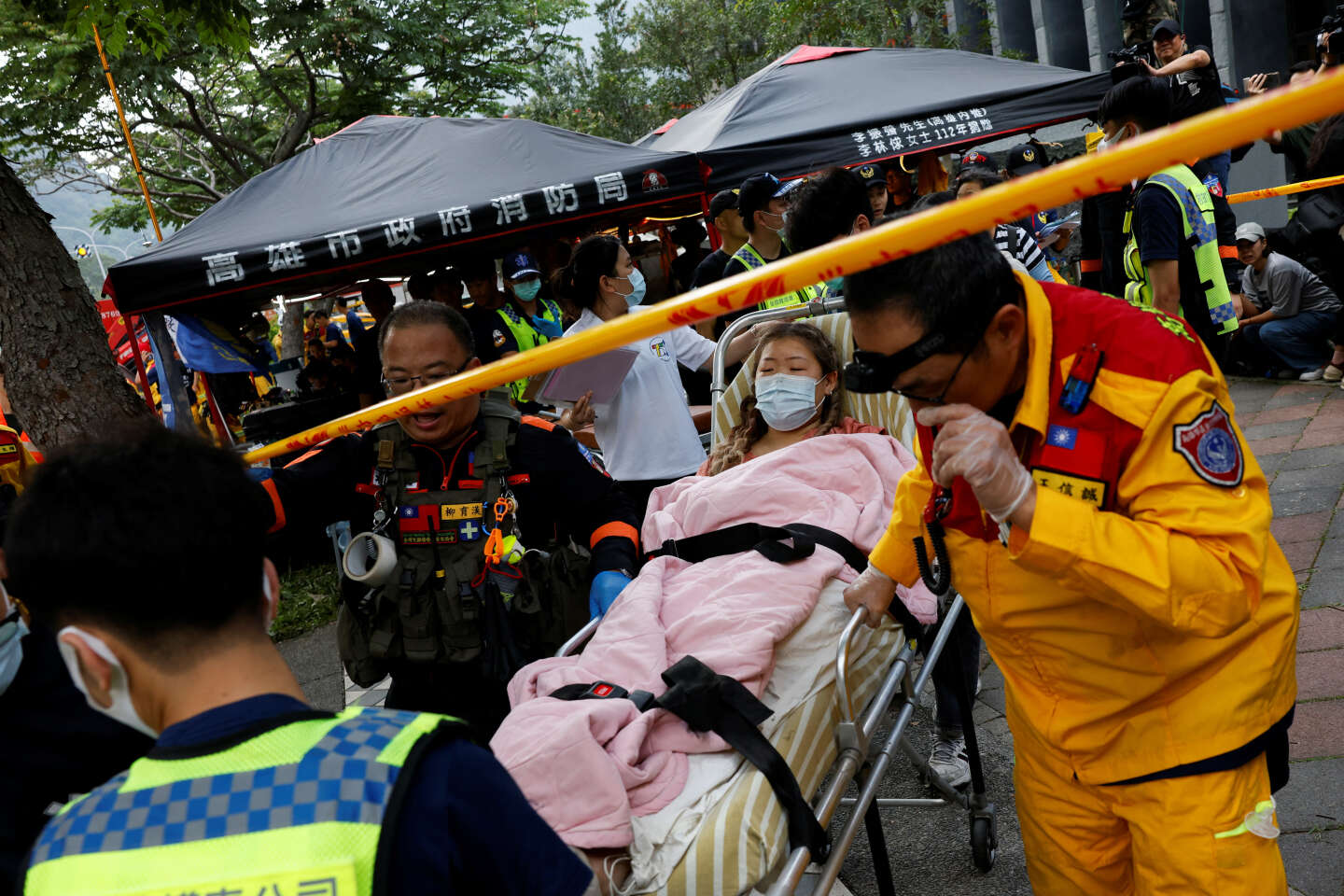
One of the most inspiring aspects of major natural events is the resilience communities often demonstrate afterward.
Neighbors help neighbors. Emergency responders work around the clock. Volunteers organize assistance efforts. Communities come together to restore normal life.
This pattern has been observed repeatedly throughout history.
Whether responding to earthquakes, storms, floods, or other natural phenomena, people consistently demonstrate remarkable adaptability and cooperation.
Taiwan’s response to seismic events reflects this tradition of resilience and preparedness.
What We Can Learn From Earthquake-Prone Regions
Countries that experience frequent earthquakes offer valuable lessons for the rest of the world.
Preparedness does not eliminate risk, but it can significantly reduce potential impacts.
Key lessons include:
Maintaining emergency supply kits.
Understanding evacuation procedures.
Participating in safety drills.
Strengthening infrastructure.
Promoting public education.
Investing in scientific research.
These measures help create communities that are better prepared for unexpected natural events.
The Future of Earthquake Research
Scientists continue searching for new ways to understand earthquakes.
Advances in satellite technology, artificial intelligence, and seismic monitoring are providing unprecedented insights into Earth’s geological processes.
Researchers hope these innovations will improve hazard assessments and strengthen early warning capabilities.
While earthquakes remain a natural part of Earth’s dynamic system, scientific progress continues to improve humanity’s ability to respond effectively.
The lessons learned from events in places like Taiwan contribute to global efforts aimed at enhancing resilience and public safety.
Conclusion: Nature, Knowledge, and Human Curiosity
The Taiwan earthquake of 2024 served as a powerful reminder of the dynamic forces that shape our planet. It highlighted both the immense power of nature and the remarkable resilience of communities that live alongside geological activity.
From ancient myths about mysterious forces beneath the earth to modern scientific explanations involving tectonic plates and seismic waves, humanity has always sought to understand earthquakes. Each generation builds upon the knowledge of those who came before, transforming uncertainty into learning and preparedness.
Ultimately, earthquakes remind us that our planet is constantly changing. They also remind us of something equally important: human curiosity never stands still. Our desire to understand the world around us continues to drive scientific discovery, cultural storytelling, and the ongoing pursuit of knowledge.
Sources
United States Geological Survey (USGS)
Taiwan Central Weather Administration
Japan Meteorological Agency (JMA)
National Geographic – Earthquake Science Resources
Encyclopaedia Britannica – Tectonic Plates and Earthquakes
Smithsonian Institution – Geology and Natural Hazards Research
World Bank – Disaster Risk Management and Resilience Studies
