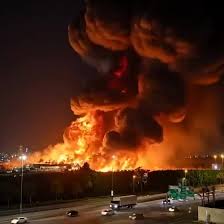

In moments of rapidly unfolding international events, information moves faster than ever. Images appear online within minutes, videos circulate across multiple platforms, and dramatic headlines compete for attention. For many people following developments from afar, distinguishing verified facts from speculation becomes increasingly difficult.
In early March 2026, public attention focused on Israel after reports emerged of missile strikes affecting several communities, including the city of Beit Shemesh near Jerusalem. As social media users shared updates in real time, countless posts claimed to reveal the latest developments, often without citing official sources or verified evidence.
Amid this flood of information, one lesson became especially important: during periods of conflict and uncertainty, reliable reporting matters more than speed.
This article examines the verified information surrounding the Beit Shemesh incident, the broader regional context, the role of civil defense systems, and why careful fact-checking remains essential when following breaking international events.
The Challenge of Following Breaking News
Modern technology allows events to be reported almost instantly.
A smartphone video, social media post, or eyewitness account can reach millions of people within minutes. While this creates unprecedented access to information, it also creates challenges.
During fast-moving situations, initial reports are often incomplete. Details may change as investigators gather evidence, officials release statements, and journalists confirm information through multiple sources.
As a result, some early claims later prove inaccurate, incomplete, or lacking important context.
For readers, this means that verified reporting should always take priority over viral posts.
What Happened in Beit Shemesh?
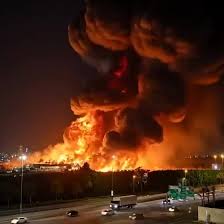
According to multiple reports published by established news organizations and official sources, an Iranian ballistic missile struck the Israeli city of Beit Shemesh on March 1, 2026. Authorities reported nine fatalities and numerous injuries following the impact. The incident became one of the deadliest missile strikes inside Israel during the conflict period.
Officials reported that many victims had sought shelter during the attack. Emergency responders, rescue personnel, and medical teams were deployed to assist affected residents and transport injured individuals for treatment.
The strike caused extensive damage in the surrounding area and prompted visits from senior Israeli officials, including President Isaac Herzog and Prime Minister Benjamin Netanyahu.
Separating Confirmed Facts From Unverified Claims
One of the most important aspects of responsible reporting is distinguishing between confirmed information and claims that remain uncertain.
Following the Beit Shemesh incident, various social media posts circulated with dramatic descriptions of structural damage and specific sequences of events.
However, responsible journalism requires caution.
While multiple sources confirmed that the missile impacted an area involving a synagogue and nearby shelter facilities, some structural details reported online varied between accounts. Because of these differences, many reputable outlets emphasized confirmed facts rather than presenting uncertain claims as established conclusions.
This approach helps ensure that readers receive information supported by evidence rather than speculation.
The Role of Civil Defense Systems
The incident also renewed discussion about civil defense infrastructure and emergency preparedness.
Many communities in Israel maintain extensive warning systems and protected spaces designed to reduce harm during missile attacks.
Officials noted that warning systems were activated before the impact, allowing residents time to seek shelter. Investigations and engineering assessments were subsequently conducted to evaluate how structures performed during the event.
How Shelters Help
Protective shelters can:
-
Reduce exposure to blast effects
-
Provide protection from debris
-
Increase survival during emergencies
-
Offer safe gathering points during alerts
While no protective system can eliminate every risk, emergency preparedness measures often play a critical role in reducing casualties.
Why Social Media Can Be Misleading During Crises
Social media serves an important function by helping information spread quickly.
At the same time, rapid sharing can create confusion.
Common challenges include:
Unverified Sources
Posts frequently cite unnamed individuals or anonymous accounts without providing evidence.
Recycled Content
Older images and videos may be shared as if they depict current events.
Missing Context
A photograph or short clip may not provide enough information to understand what actually occurred.
Emotional Headlines
Highly emotional language often attracts attention but may not accurately reflect verified facts.
For these reasons, experts generally recommend consulting official statements and established news organizations before drawing conclusions.
The Human Impact Behind the Headlines
Although much public discussion focuses on military developments and geopolitical consequences, the most immediate effects are felt by local communities.
Families, emergency responders, healthcare workers, and residents often face significant disruption following major incidents.
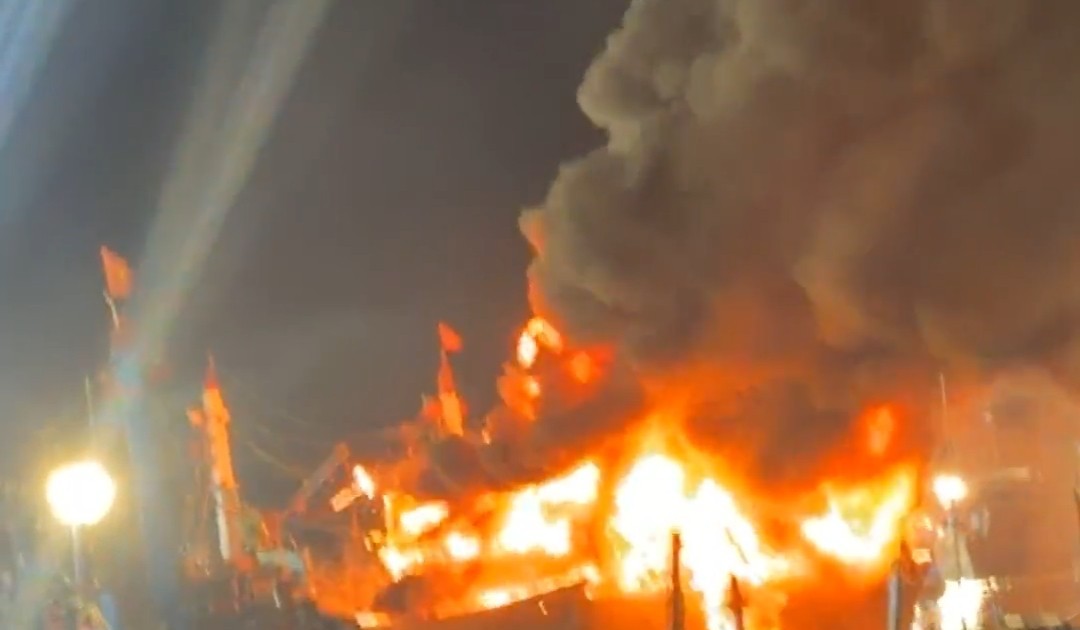
In Beit Shemesh, rescue operations, medical treatment, community support efforts, and recovery activities became immediate priorities following the strike. Reports described extensive damage and displacement affecting numerous residents.
Understanding these human dimensions helps provide a fuller picture beyond headlines and statistics.
Regional Implications
The Beit Shemesh incident occurred within a broader period of heightened tensions involving Israel, Iran, and international actors.
Analysts have noted that developments in the region carry implications for diplomacy, security policy, humanitarian concerns, and international relations.
Government leaders, international organizations, and humanitarian agencies have repeatedly emphasized the importance of protecting civilians and preventing further escalation.
As events continue to evolve, policymakers and observers remain focused on both immediate security concerns and longer-term regional stability.
The Importance of Verification in Journalism
The coverage surrounding Beit Shemesh demonstrates why verification remains a cornerstone of responsible journalism.
Reliable reporting typically involves:
-
Confirming information through multiple sources
-
Identifying named officials or witnesses
-
Reviewing official statements
-
Comparing independent reports
-
Correcting inaccuracies when new evidence emerges
These practices help build public trust and reduce the spread of misinformation.
In a digital environment where information travels instantly, verification often matters more than being first.

What Readers Can Do
Individuals following international events can improve their understanding by adopting several simple habits:
Check Multiple Sources
Comparing reports from different reputable organizations can reveal areas of agreement and uncertainty.
Look for Named Sources
Information supported by identifiable officials or documented evidence is generally more reliable.
Be Cautious With Viral Claims
Popularity does not necessarily indicate accuracy.
Wait for Confirmation
Initial reports often change as investigations continue.
These habits help readers navigate complex events more effectively.
Conclusion: Facts Matter Most During Uncertain Times
The events in Beit Shemesh attracted significant attention because they occurred during a period of heightened regional tensions and carried serious humanitarian consequences.
While dramatic headlines and viral posts often dominate online discussions, verified information remains the most valuable resource for understanding what actually happened.
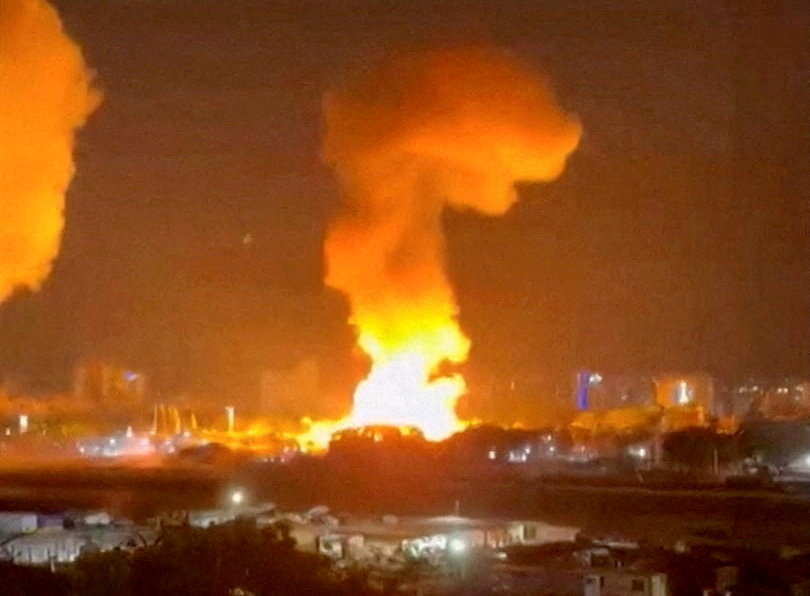
Confirmed reports indicate that a missile strike in Beit Shemesh caused significant casualties and damage, prompting emergency response efforts and visits by senior government officials. Beyond those established facts, responsible reporting requires caution when discussing details that remain under investigation or lack independent confirmation.
The broader lesson extends beyond a single incident. In every fast-moving situation, public understanding depends on careful verification, credible sourcing, and a commitment to accuracy. When information moves quickly, facts become more important than ever.
Sources
Reports confirming the March 2026 Beit Shemesh missile strike and subsequent official visits.
