
The Hidden Story Behind Pretty Woman’s Deleted Scenes
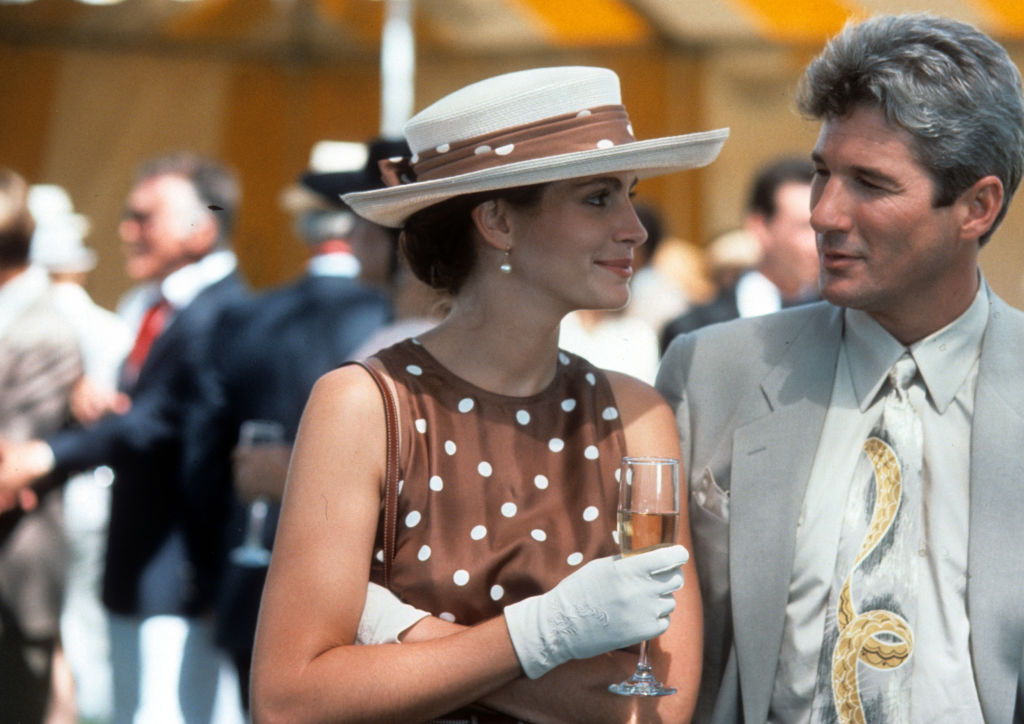
Few films have captured audiences’ hearts quite like Pretty Woman. Released in 1990, the romantic comedy quickly became a cultural phenomenon, turning its leading stars into household names and creating memorable moments that continue to resonate with viewers decades later.
For many fans, watching Pretty Woman feels like revisiting a familiar fairy tale. The charm, humor, and chemistry between the main characters have helped the film maintain its popularity across generations. Yet behind the polished final version lies a fascinating collection of deleted scenes and early creative ideas that reveal how different the movie could have been.
These unseen moments have sparked conversations among movie enthusiasts for years. While the final film became known for its lighthearted and uplifting tone, earlier concepts and removed scenes suggest a more complex creative journey. Exploring these deleted scenes offers an interesting look at how films evolve during production and why certain storytelling choices ultimately shape cinematic history.

A Film That Continues to Captivate Audiences
Part of Pretty Woman’s lasting appeal comes from its ability to blend romance, humor, and fantasy into a story that feels timeless. The film’s memorable characters, iconic fashion moments, and unforgettable soundtrack have helped it remain relevant long after its original release.
Audiences often return to the movie because of its optimistic atmosphere and engaging performances. The chemistry between the lead actors creates a sense of authenticity that allows viewers to become invested in the story.
As with many successful films, however, the version audiences see on screen is only one chapter of a much larger creative process.
The Original Vision Was Very Different
One of the most interesting facts about Pretty Woman is that its earliest screenplay reportedly had a significantly different tone.
Before becoming the romantic comedy known around the world, the story began as a project titled 3,000. According to accounts from filmmakers and cast members, the original concept explored themes that were more dramatic and grounded in social realities.
The screenplay was written by J.F. Lawton, who was seeking opportunities in Hollywood during a challenging period in his career. As the script developed and eventually attracted industry attention, producers began considering ways to reshape the story for broader audiences.
This transformation would ultimately become one of the most important creative decisions in the film’s history.
Why the Story Changed
Film production is often a collaborative process involving writers, producers, directors, and studio executives. During development, stories frequently undergo major revisions as creative teams search for the most effective way to connect with audiences.
In the case of Pretty Woman, many of the more serious elements from the original screenplay were softened or removed. The result was a lighter, more uplifting narrative that emphasized romance, personal growth, and emotional connection.
This shift helped create a film that appealed to a wide audience while maintaining a sense of fantasy and optimism.
Many movie historians consider this transformation an excellent example of how adaptation and revision can significantly influence a film’s success.
Deleted Scenes That Fans Still Discuss
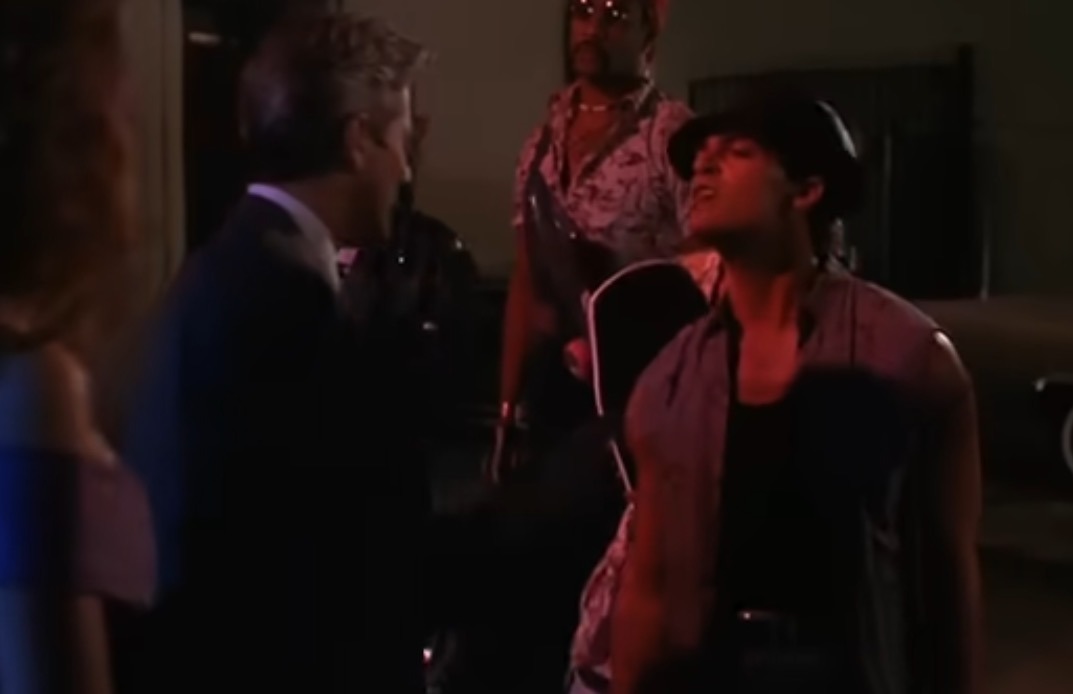
Although the final version of Pretty Woman became a beloved classic, several scenes were removed during editing.
These deleted sequences have fascinated fans because they offer additional context about the characters and their experiences beyond the main storyline.
Some of the most discussed deleted scenes include extended conversations between the lead characters. These moments reportedly provided additional insight into their personalities and allowed viewers to see more of their evolving relationship.
Other scenes explored aspects of the supporting characters’ lives, adding background details that did not ultimately make it into the theatrical release.
For movie enthusiasts, these deleted scenes function almost like bonus chapters from a favorite book, offering a glimpse into alternate storytelling possibilities.
The Famous Horseback Riding Scene
Among the deleted scenes, one particular sequence continues to attract attention from fans.
The horseback riding scene features the main characters sharing a peaceful outdoor experience that differs from many of the film’s urban settings. Viewers who have discovered this footage often describe it as visually appealing and emotionally engaging.
Supporters of the scene believe it could have added another layer to the relationship between the characters while expanding the fairy-tale atmosphere that defines much of the movie.
Others argue that while the scene is enjoyable, removing it helped maintain the film’s pacing and narrative focus.
This difference of opinion highlights an interesting aspect of filmmaking: sometimes a scene can be excellent on its own yet still not fit perfectly within the overall structure of a movie.

The Art of Film Editing
Deleted scenes often raise an important question: why remove footage that appears interesting or well-acted?
The answer usually comes down to storytelling efficiency.
Editors and directors must carefully balance character development, pacing, emotional impact, and running time. Even scenes that audiences enjoy may be removed if they slow the narrative or distract from the central storyline.
In many cases, successful films are defined as much by what is removed as by what remains.
Pretty Woman serves as an excellent example of this principle. The deleted scenes reveal additional dimensions of the story, but the final cut delivers a focused experience that has proven remarkably enduring.
How Alternate Versions Shape Fan Discussions
One reason deleted scenes remain popular is that they invite audiences to imagine alternate versions of familiar stories.
Fans naturally wonder how certain moments might have changed their perception of characters or influenced the emotional tone of the film.
These discussions have become increasingly common in the digital era, where special editions, streaming platforms, and online video archives make previously unseen footage more accessible than ever before.
For longtime viewers, discovering deleted scenes can feel like uncovering hidden treasures connected to a beloved movie.
It offers a fresh perspective while preserving the nostalgic connection many people already have with the original film.

The Family-Friendly Television Version
Another interesting aspect of Pretty Woman’s history involves edits made for television broadcasts.
When films are adapted for family-oriented television audiences, dialogue and certain scenes are sometimes modified to align with broadcasting standards.
In the case of Pretty Woman, several well-known lines reportedly received alternative versions during television airings. Some scenes were even adjusted to better match revised dialogue.
These changes demonstrate how films can exist in multiple forms depending on their intended audience and viewing platform.
While many viewers prefer the theatrical release, the television edits provide an additional chapter in the film’s ongoing cultural journey.
The Cultural Legacy of Pretty Woman
More than three decades after its release, Pretty Woman remains one of the most recognizable romantic comedies ever produced.
Its influence can be seen in countless films that followed, many of which attempted to recreate the same blend of charm, humor, and emotional warmth.
The movie’s continued popularity also reflects broader cultural fascination with transformation stories and modern fairy tales. Audiences often enjoy narratives that combine aspiration, personal growth, and meaningful human connections.
The deleted scenes contribute to this legacy by providing additional material for fans to explore and discuss.
Rather than replacing the original film, they enrich appreciation for the creative process that brought the final version to life.
Myth Versus Reality: The Appeal of Hidden Footage
There is often a certain mythology surrounding deleted scenes. Fans sometimes speculate that removed footage contains secrets, hidden meanings, or dramatically different interpretations of a story.
In reality, most deleted scenes are simply part of the normal filmmaking process. They represent creative possibilities that were explored before filmmakers settled on the version they believed worked best.
Still, these scenes remain culturally significant because they reveal the evolution of artistic decisions.
They remind viewers that movies are not created all at once. Instead, they emerge through countless revisions, discussions, and choices made behind the scenes.
A Scientific Perspective on Audience Fascination
From a psychological standpoint, people’s interest in deleted scenes may be connected to curiosity and cognitive engagement.
Researchers studying storytelling have found that audiences often enjoy exploring alternative outcomes and hidden information. Unseen footage creates a sense of discovery, encouraging viewers to revisit familiar narratives with fresh perspectives.
This curiosity helps explain why director’s cuts, extended editions, and behind-the-scenes documentaries remain so popular.
Rather than diminishing enjoyment of the original work, additional content often deepens appreciation by revealing how creative decisions were made.
Conclusion: Why Hidden Scenes Continue to Matter
The deleted scenes from Pretty Woman offer a fascinating glimpse into the evolution of one of cinema’s most beloved romantic comedies.
While the final version remains the film most audiences know and cherish, the unseen footage provides valuable insight into the creative journey behind its success. From alternate character moments to the memorable horseback riding sequence, these scenes reveal possibilities that might have taken the story in different directions.
Ultimately, the enduring interest in deleted scenes reflects something deeply human: our desire to explore what might have been. Whether viewed as historical curiosities, storytelling experiments, or simply entertaining extras, these hidden moments continue to spark conversation and imagination.
And perhaps that is part of the magic of great films. Even years later, they still invite us to look closer, ask questions, and discover something new.
Sources
Newsner. “These Deleted Scenes from Pretty Woman Confirm What We All Suspected.”
IMDb. Pretty Woman (1990) Production Notes and Trivia.
The Academy of Motion Picture Arts and Sciences. Resources on Film Editing and Story Development.
American Film Institute (AFI). Historical Materials on Influential Romantic Comedies.
Encyclopaedia Britannica. Articles on Film Production, Screenwriting, and Motion Picture History.
