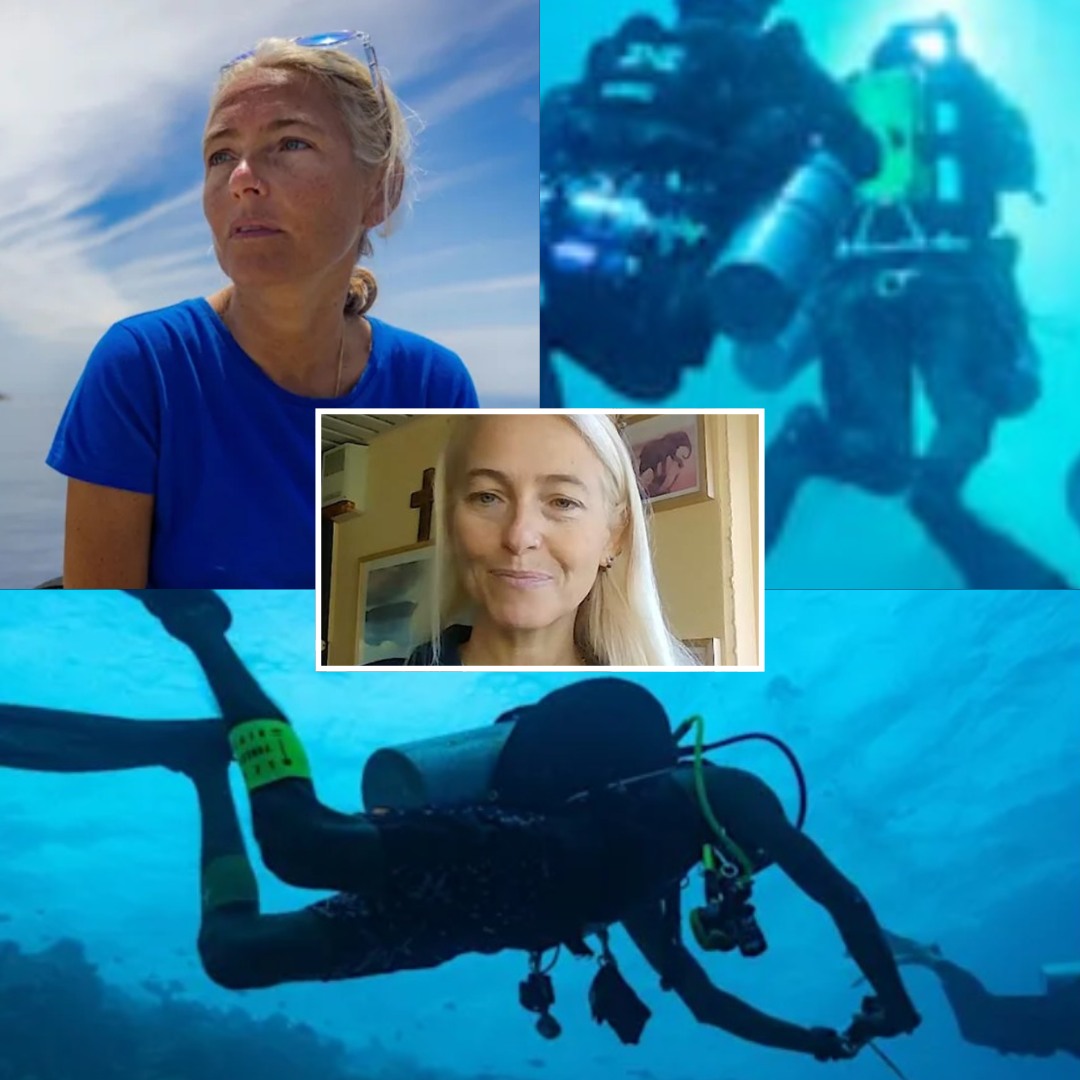

The Maldives has long been celebrated as one of the world’s most breathtaking diving destinations. Crystal-clear waters, vibrant coral ecosystems, and dramatic underwater landscapes attract divers from across the globe every year. However, a recent diving incident involving a group of Italian visitors has brought renewed attention to the risks associated with deep-sea exploration.
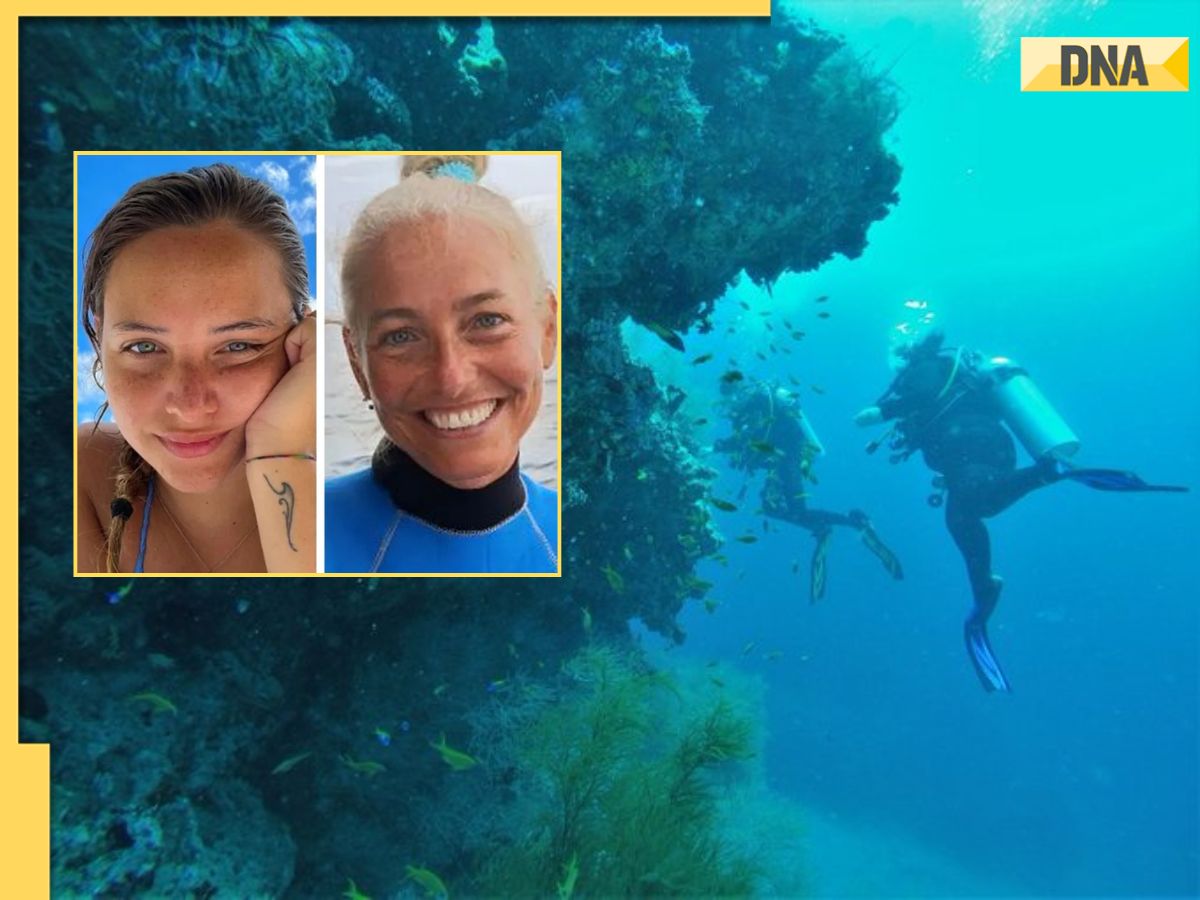
According to reports, five Italian nationals were involved in a scuba diving emergency near Vaavu Atoll while exploring underwater caves. The incident reportedly occurred during a dive reaching depths of approximately 50 meters, or around 164 feet, in waters near the island of Alimatha.
Authorities in the Maldives launched an extensive recovery operation involving boats, dive teams, and aerial support after the group failed to resurface as expected. The tragedy has deeply affected both local communities and international observers, particularly within the global diving and marine research community.
While investigations continue, experts say the incident highlights the unique challenges and dangers associated with advanced underwater exploration.
)
Why the Maldives Attracts Divers Worldwide
The Maldives is internationally recognized for its marine biodiversity and dramatic underwater geography. Located in the Indian Ocean, the island nation features coral reefs, underwater caves, channels, and deep drop-offs that attract both recreational divers and experienced professionals.
Vaavu Atoll, where the incident reportedly occurred, is especially well known among divers for:
Strong marine biodiversity
Clear underwater visibility
Cave formations and reef structures
Deep diving opportunities
Encounters with larger marine species
Because of these features, the area has become a sought-after destination for adventure tourism and marine exploration.
However, experts note that underwater cave environments and deeper diving conditions also require advanced technical skill, specialized equipment, and careful planning.
Understanding the Risks of Deep Cave Diving
Scuba diving is generally considered safe when proper training, equipment, and environmental conditions align appropriately. However, technical dives involving significant depth or underwater cave systems present additional risks even for experienced divers.
Specialists explain that deep underwater environments can create challenges such as:
Reduced visibility
Strong underwater currents
Disorientation
Increased air consumption
Limited emergency exit routes
Pressure-related complications
Navigation difficulties
At depths approaching 50 meters, divers also face increased physiological stress due to underwater pressure changes. These conditions require precise planning and careful monitoring throughout the dive.
Cave exploration adds another layer of complexity because enclosed underwater environments may make navigation more difficult, especially during rough sea conditions or limited visibility.

Weather Conditions and Environmental Factors
Reports indicated that weather conditions in the region were rough at the time of the incident, with strong winds and difficult sea conditions affecting rescue operations.
Environmental factors play a major role in diving safety. Ocean currents, wave activity, visibility, and weather shifts can rapidly alter underwater conditions, even in destinations known for calm waters.
Marine safety experts explain that rough seas above the surface may also influence underwater navigation and diver communication. Strong currents can separate divers from planned routes or complicate return ascents.
Because underwater cave systems already limit maneuverability, changing environmental conditions can increase operational difficulty significantly.
This is one reason why many technical dive teams carefully evaluate weather forecasts and sea conditions before beginning advanced dives.
The Science Behind Deep Diving Pressure
One of the lesser-known aspects of deep scuba diving involves the effects of pressure on the human body.
As divers descend deeper underwater, pressure increases rapidly. At around 50 meters, the body experiences substantially higher pressure than at the surface. These conditions influence breathing gases, buoyancy, and physical performance.
Divers trained for technical depths use specialized procedures and equipment to help manage these effects safely. This may include carefully planned ascent schedules and additional breathing gas considerations.
Experts emphasize that even highly trained divers must follow strict protocols because underwater physiology can become unpredictable in demanding environments.
This is why advanced diving certifications and technical preparation are essential for deeper exploration dives.
Why Cave Diving Is Considered Highly Specialized
Cave diving is often described by professionals as one of the most technically demanding forms of scuba exploration.
Unlike open-water diving, underwater caves may contain narrow passages, overhead environments, and limited natural light. Divers cannot simply ascend directly to the surface in emergencies if cave ceilings block access.
Specialized cave divers typically train extensively in:
Navigation techniques
Emergency air-sharing procedures
Line management
Low-visibility navigation
Stress response under pressure
Equipment redundancy systems
Many cave diving organizations stress that even experienced recreational divers should not attempt cave exploration without formal technical training.
The incident in the Maldives has therefore renewed conversations about the importance of preparation and risk management in adventure tourism.
International Response and Recovery Efforts
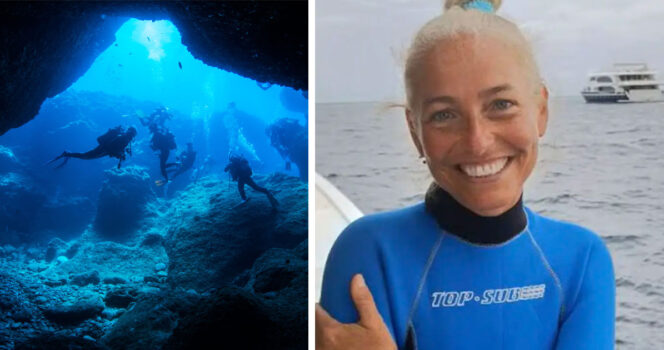
Authorities in the Maldives reportedly coordinated a large-scale search and recovery effort involving local responders and international cooperation.
Reports noted that rescue operations faced difficulties due to weather conditions and the challenging underwater environment. Recovery teams navigating deeper cave systems reportedly encountered strong currents and operational risks during attempts to access the area.
Public statements from Maldivian officials expressed sympathy toward the affected families while emphasizing that recovery operations remained a priority.
International incidents involving tourists often attract significant diplomatic and media attention, especially when they occur in globally recognized travel destinations.
The tragedy has also resonated strongly within academic and marine science communities because some of the individuals involved reportedly had backgrounds in ecology and marine research.
The Emotional Impact on the Diving Community
Diving communities worldwide often respond deeply to incidents like this because scuba diving combines recreation, science, adventure, and personal passion.
Many divers describe the underwater world as peaceful and transformative, which makes accidents particularly emotional for those connected to the sport.
Following the reports, divers and marine professionals across social media shared messages emphasizing:
Respect for ocean conditions
Importance of safety protocols
Need for advanced training
Support for affected families
Recognition of the risks involved in technical exploration
Incidents involving experienced divers also remind the public that underwater environments remain unpredictable despite modern equipment and training advancements.
How Technology Has Improved Diving Safety
Modern scuba diving is significantly safer than it was decades ago due to improvements in equipment, training standards, and emergency planning.
Today’s divers often use advanced technologies such as:
Dive computers
Underwater communication systems
Redundant air supplies
GPS-supported rescue coordination
Improved buoyancy systems
Enhanced thermal protection gear
Detailed digital mapping
However, experts emphasize that technology cannot completely eliminate environmental risk, especially in technically demanding conditions like cave systems or deep ocean environments.
Human judgment, preparation, and environmental awareness remain critical components of diving safety.
Why Adventure Tourism Continues to Grow
Despite occasional high-profile incidents, adventure tourism continues growing worldwide. Many travelers seek immersive experiences that combine exploration, nature, and personal challenge.
Activities such as scuba diving, mountaineering, cave exploration, and remote eco-tourism attract people looking for unique experiences beyond traditional travel.
Psychologists studying adventure tourism note that participants are often motivated by:
Curiosity
Connection with nature
Personal achievement
Scientific interest
Stress relief
Exploration and discovery
For many divers, underwater exploration provides a sense of wonder and perspective difficult to replicate elsewhere.
At the same time, experts stress the importance of balancing adventure with realistic risk awareness and professional preparation.
Lessons About Ocean Safety and Respect
The Maldives diving incident serves as a reminder of both the beauty and unpredictability of the ocean.
Marine environments remain among the least explored areas on Earth. Even experienced professionals must respect changing conditions, underwater geography, and physical limitations.
Safety organizations consistently encourage divers to:
Dive within certification limits
Monitor environmental conditions carefully
Use experienced guides when appropriate
Maintain equipment properly
Follow conservative dive planning practices
Avoid unnecessary risk-taking
Continue ongoing training
These principles help reduce danger while allowing divers to continue exploring underwater environments responsibly.
A Reflection on Exploration and Human Curiosity
Throughout history, humans have been drawn toward exploration. From mountains and forests to oceans and caves, people continue seeking deeper understanding of the natural world.
Scuba diving represents one of the most extraordinary ways individuals can experience Earth’s hidden environments. Coral reefs, underwater caves, and deep-sea ecosystems reveal landscapes that few people ever witness directly.
The incident in the Maldives has reminded many people of both the rewards and risks connected to that exploration.
While investigations continue regarding the exact circumstances, the event has already encouraged broader conversations about safety, preparation, and respect for nature’s power.
For the global diving community, it also serves as a moment of reflection on the importance of training, teamwork, and caution when entering environments that remain as awe-inspiring as they are unpredictable.
Sources
National Oceanic and Atmospheric Administration (NOAA)
