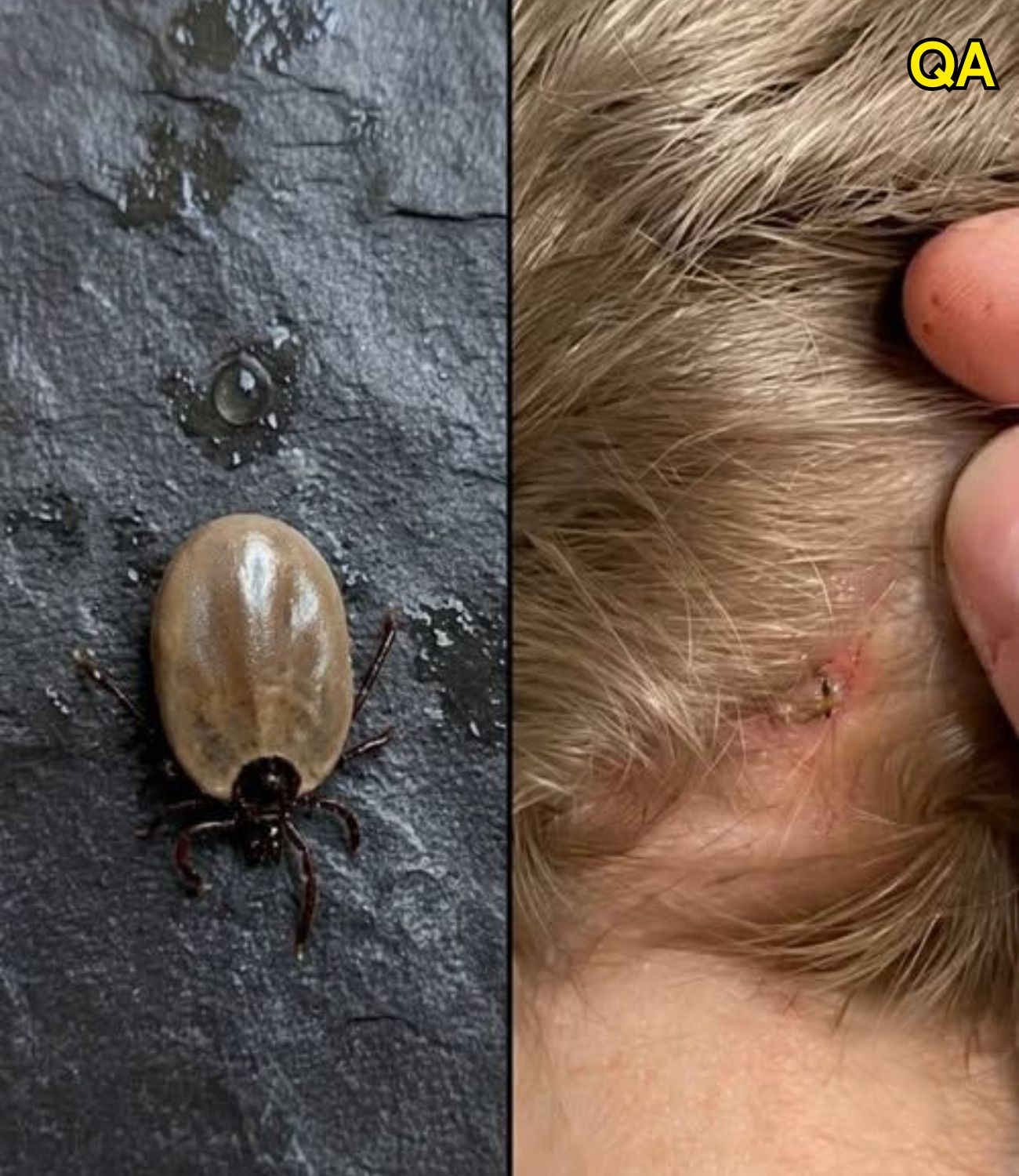

Few parenting moments create instant panic quite like spotting a tick in your child’s hair. One second you are brushing tangled strands after a day outdoors, and the next you notice a tiny dark insect attached near the scalp. Your heart races, your imagination jumps to worst-case scenarios, and suddenly a simple outdoor adventure feels far more stressful than it did a few minutes earlier.
Health experts say this reaction is completely understandable. Ticks are commonly associated with illnesses such as Lyme disease, which can make parents feel anxious the moment they see one. However, doctors also emphasize an important fact: finding a tick does not automatically mean your child will become sick.
In many cases, quick and proper removal greatly lowers the risk of complications. Staying calm and taking careful steps can make a major difference.
Why Children Often Pick Up Ticks
Children are naturally curious and active outdoors, which makes them more likely to encounter ticks during everyday activities. Ticks are commonly found in grassy, wooded, and brush-filled environments, especially during warmer months when they are most active.
Kids may come into contact with ticks while:
Playing in parks or grassy yards
Walking hiking trails
Attending sports practices outdoors
Camping with family
Exploring wooded areas
Playing near leaf piles or bushes
Ticks do not jump or fly. Instead, they wait on grass or plants and attach themselves when a person brushes against vegetation. Because children often sit, crawl, roll, or play close to the ground, they may unintentionally provide ticks with easy access.
Hair and the scalp are especially common hiding places because ticks can remain concealed beneath thick strands for long periods before being noticed.

Understanding Why Ticks Matter
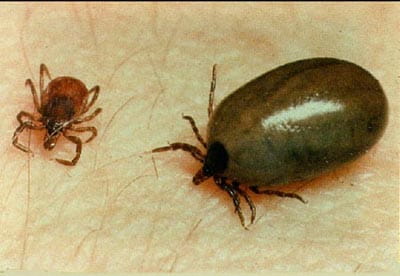
Ticks are tiny parasites that feed on blood from animals and humans. Some species can carry bacteria or viruses linked to certain illnesses. However, not every tick carries disease, and not every bite leads to infection.
Medical professionals explain that disease transmission often depends on several factors, including:
The type of tick
How long it remained attached
The geographic region
Whether the tick carried harmful bacteria
How quickly it was removed
This is why prompt removal is so important. The sooner a tick is detached, the lower the chance of possible complications in many situations.
First Step: Stay Calm
The most important thing parents can do initially is avoid panic. Children often mirror the emotions of adults around them. If a parent reacts with extreme fear, the child may become frightened too.
Instead, take a deep breath and focus on practical steps. Most tick bites can be handled safely at home with proper care and attention.
Doctors recommend moving your child into a well-lit area where you can examine the scalp carefully. Good lighting is essential because ticks can be extremely small, especially during early life stages.
If possible, ask another adult for assistance. Having someone help hold a flashlight or separate hair sections can make removal easier and less stressful.
How to Remove a Tick Safely
Health organizations generally recommend using fine-tipped tweezers for tick removal. Proper technique is important because squeezing or twisting the tick incorrectly may irritate the skin further.
Here are the commonly recommended steps:
Use clean fine-tipped tweezers.
Part the hair carefully to expose the tick fully.
Grip the tick as close to the skin as possible.
Pull upward slowly and steadily without jerking.
Once removed, clean the area gently with soap and water.
Wash your hands thoroughly afterward.
Avoid crushing the tick with bare fingers.
Experts discourage many older home remedies sometimes shared online, such as applying nail polish, petroleum jelly, or heat. These methods may irritate the tick and are generally not recommended by medical professionals.

Should You Save the Tick?
Some healthcare providers suggest saving the tick in a sealed container or plastic bag, especially if symptoms later develop. Identifying the tick species may help doctors evaluate possible risks if medical attention becomes necessary.
If you choose to keep it temporarily, place the tick in a sealed bag or small container labeled with the date and location where the bite likely occurred.
However, many tick bites never lead to illness, and saving the tick is not always required. Parents unsure about local recommendations can contact their pediatrician for guidance.
What Symptoms Should Parents Watch For?
Most children experience little more than mild skin irritation after a tick bite. Still, parents should monitor for symptoms over the following days or weeks.
Doctors often recommend watching for:
Redness that expands noticeably
Fever
Fatigue
Headaches
Joint discomfort
Rash-like skin changes
Flu-like symptoms
It is important to remember that these symptoms can have many causes unrelated to ticks. However, informing a healthcare provider about the bite may help guide evaluation if symptoms appear later.
Parents should seek medical advice if they feel uncertain or notice unusual reactions after a tick bite.
Why Tick Checks Are So Important
Prevention remains one of the best ways to reduce tick-related concerns. Experts encourage parents to perform regular tick checks after outdoor activities, especially during warm seasons.
Ticks are often found in hidden areas such as:
Behind the ears
Along the scalp
Around waistbands
Under arms
Behind knees
Around ankles
Taking a few minutes to check carefully after outdoor play can help parents discover ticks before they remain attached for extended periods.
Many families turn tick checks into a simple routine after hikes, sports events, or camping trips.
Tips for Preventing Tick Exposure
While it may not be possible to avoid ticks completely, several habits may help reduce exposure.
Families spending time outdoors may benefit from:
Wearing long sleeves and long pants in wooded areas
Sticking to the center of trails
Avoiding tall grass when possible
Using insect repellents approved for children
Showering after outdoor activities
Washing outdoor clothing promptly
Keeping lawns trimmed
Checking pets regularly for ticks
These precautions are especially helpful during spring and summer when ticks tend to be most active in many regions.
The Emotional Side of Parenting and Health Fears
Finding a tick in your child’s hair can trigger powerful emotions because parents naturally want to protect their children from harm. Even minor health concerns sometimes feel overwhelming when they involve kids.
Psychologists note that health-related fears often intensify because parents imagine worst-case outcomes immediately. The internet can sometimes increase this anxiety by presenting frightening stories without important context.
However, medical experts consistently encourage balanced thinking. Most tick encounters do not lead to serious illness, particularly when parents respond promptly and follow proper care guidelines.
Learning accurate information can help reduce unnecessary fear while still encouraging appropriate caution.
Teaching Children Outdoor Awareness
Parents can also use experiences like this as opportunities to teach children simple outdoor safety habits without creating fear.
Kids can learn to:
Avoid brushing through tall weeds
Tell an adult if they notice insects on their skin
Wear appropriate outdoor clothing
Participate in post-play tick checks
Understand that nature contains both fun and responsibility
Teaching awareness calmly helps children enjoy outdoor activities confidently rather than becoming anxious about nature itself.
Why Outdoor Play Still Matters
Although stories about ticks can sound alarming, pediatric experts continue emphasizing the enormous benefits of outdoor activity for children.
Time outside supports:
Physical health
Social development
Stress reduction
Creativity
Exercise
Emotional well-being
Connection with nature
The goal is not to avoid outdoor experiences entirely but to approach them with practical awareness and healthy habits.
Families can continue enjoying parks, hiking trails, sports, and adventures while also taking sensible precautions.
A Reminder That Calm Action Matters Most
Seeing a tick in your child’s hair may feel frightening in the moment, but experts say calm action is usually the best response. Most tick bites can be handled safely and effectively when parents stay informed and avoid panic.
The key lessons are simple: check carefully after outdoor activities, remove ticks properly if found, monitor for symptoms, and contact a healthcare professional when needed.
Parenting often involves balancing caution with reassurance. Situations like this remind families that knowledge, preparation, and calm decision-making are far more powerful than fear.
Children thrive when they can explore the outdoors safely while knowing trusted adults are prepared to help when unexpected situations arise.
Sources
Centers for Disease Control and Prevention (CDC)
American Academy of Pediatrics (AAP)
Mayo Clinic
Cleveland Clinic
World Health Organization (WHO)
Johns Hopkins Medicine
National Institutes of Health (NIH)
Harvard Health Publishing
