
The ocean has always inspired human curiosity.
For generations, explorers, scientists, and adventurers have been drawn toward places few people ever see. Beneath the surface of tropical waters, underwater cave systems remain among the most mysterious environments on Earth. These submerged passages offer breathtaking geological formations, rare marine ecosystems, and the thrill of discovery.
Yet alongside that fascination comes undeniable risk.
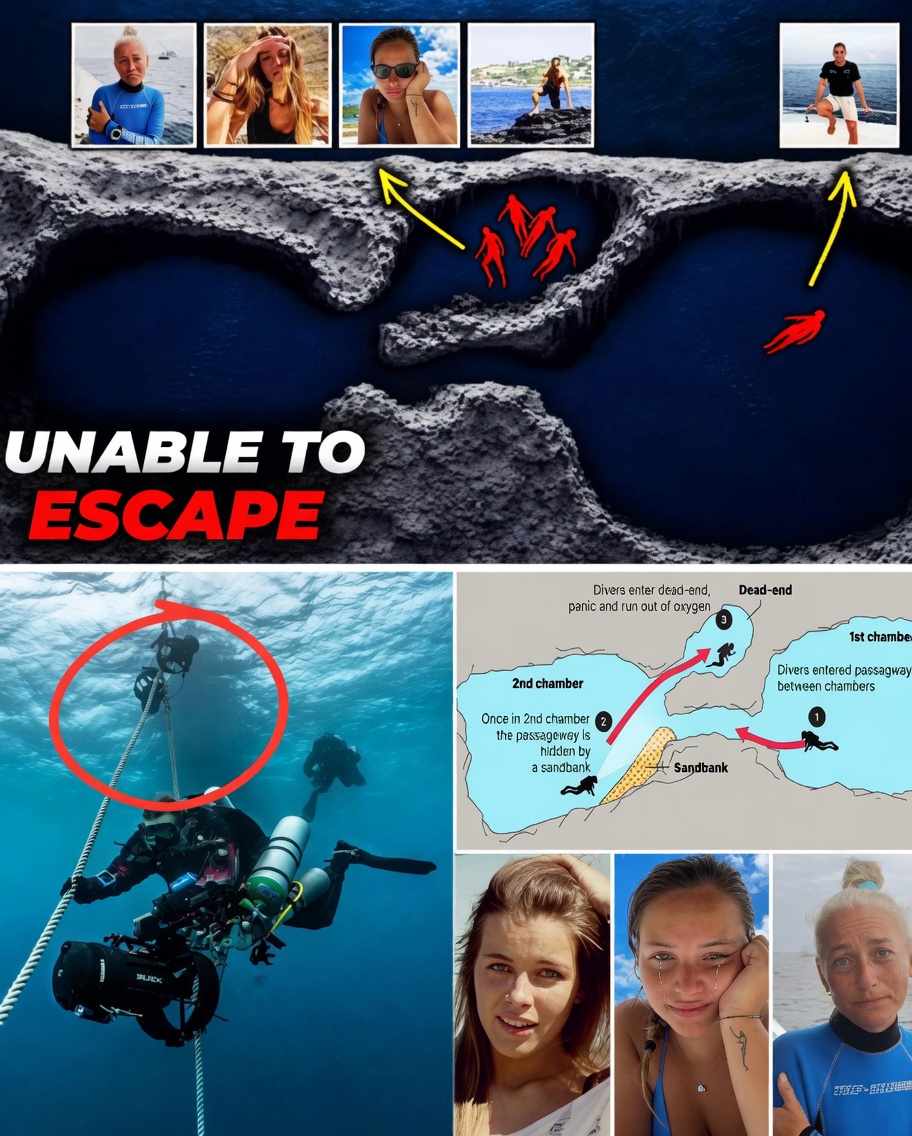
Recent discussions surrounding a tragic cave-diving incident in the Maldives have once again focused global attention on the dangers of technical diving and the extraordinary challenges faced by underwater explorers. While official investigations continue, the event has sparked broader conversations about safety, preparation, human decision-making, and the unique psychological pressures of deep underwater environments.
This article explores the science of cave diving, why it is considered one of the most demanding forms of scuba exploration, the cultural fascination surrounding extreme exploration, and the lessons experts believe every diver should understand.
Why Cave Diving Fascinates People
Throughout history, humans have been captivated by hidden places.
Ancient cultures often viewed caves as sacred spaces connected to mystery, transformation, or spiritual discovery. In modern times, underwater cave systems represent one of the final frontiers of exploration. Unlike mountains or forests, submerged caves remain inaccessible to most people, creating an aura of mystery around them.
For experienced divers, cave exploration combines technical skill with scientific curiosity and adventure. Some divers are motivated by photography, geology, marine biology, or mapping unexplored passages.
Others are drawn by the challenge itself.

What Makes Cave Diving Different From Recreational Scuba Diving
Many travelers associate scuba diving with calm coral reefs, colorful fish, and guided excursions near tropical beaches.
Cave diving is entirely different.
Technical cave diving involves entering enclosed underwater environments where divers cannot make a direct ascent to the surface during emergencies. This creates unique dangers not present in ordinary recreational diving.
Professional instructors often describe cave diving as a discipline requiring precision, planning, and constant situational awareness.
The Main Challenges of Underwater Cave Exploration
Limited Visibility
Unlike open-water diving, cave environments can become extremely dark or cloudy within seconds.
A single movement near the cave floor may disturb fine sediment, reducing visibility dramatically. Divers call this condition a “silt-out,” where visibility becomes nearly zero.
Without clear visibility, navigation becomes significantly more difficult.
Complex Navigation
Cave systems may contain narrow passages, branching tunnels, and unfamiliar routes.
Divers typically rely on guide lines to help them navigate safely back to the entrance. Losing orientation underwater can quickly create confusion and stress.
Air Supply Management
Air planning is one of the most critical aspects of technical diving.
Professional cave divers use strict mathematical calculations to ensure sufficient breathing gas reserves for entering, exiting, and handling emergencies.
Even small planning mistakes can create dangerous situations underwater.
Psychological Pressure
Underwater caves can create intense psychological stress.
Darkness, confined spaces, silence, and isolation may increase anxiety levels even among experienced individuals. Experts say maintaining calm decision-making is essential in emergencies.
The Importance of Training
Organizations such as Professional Association of Diving Instructors and National Association of Underwater Instructors emphasize that cave diving requires specialized certification far beyond standard scuba training.
Technical divers often spend years developing skills in:
Emergency procedures
Navigation systems
Equipment redundancy
Decompression management
Communication protocols
Stress control
Experienced instructors frequently repeat a common phrase in the diving world: “Plan the dive, dive the plan.”
Why Small Mistakes Can Escalate Quickly
One reason cave diving is considered high-risk is that multiple small problems can combine rapidly.
Experts explain that underwater emergencies rarely begin as disasters. Instead, they often develop through a chain of manageable issues that gradually become overwhelming.
Possible contributing factors in diving incidents may include:
Navigation confusion
Equipment malfunction
Strong currents
Reduced visibility
Communication breakdowns
Stress-induced decision-making
Unexpected environmental conditions
In confined underwater environments, divers may have limited time to solve problems calmly.

The Human Factor in Technical Diving
Modern diving technology is highly advanced.
Divers use sophisticated computers, backup systems, specialized lighting, and carefully engineered breathing equipment. Yet many safety experts believe human decision-making remains the most important variable.
Researchers studying high-risk professions often note that confidence, fatigue, pressure, and distraction can affect judgment even among highly trained individuals.
This is not unique to diving. Similar patterns appear in aviation, mountaineering, and other extreme environments where small decisions carry significant consequences.
The Maldives and Global Diving Tourism
The Maldives is internationally known for luxury tourism, coral reefs, and marine biodiversity.
Its warm waters attract divers from around the world seeking encounters with manta rays, reef sharks, and vibrant underwater ecosystems.
Most diving tourism in the Maldives involves recreational open-water experiences guided by certified professionals. Technical cave diving, however, represents a highly specialized category practiced by a much smaller community of experienced divers.
Why Extreme Exploration Continues to Attract Adventurers
Despite the risks, people continue pursuing challenging exploration activities across the world.
From deep caves to polar expeditions and high-altitude climbing, humans consistently seek experiences beyond ordinary boundaries.
Psychologists suggest several motivations may contribute:
Curiosity
Personal achievement
Connection with nature
Scientific discovery
Exploration of the unknown
For many explorers, the appeal lies not in danger itself, but in discipline, focus, and the sense of entering places rarely seen by others.
Lessons the Diving Community Often Emphasizes
The diving community frequently uses major incidents as opportunities to reinforce safety awareness.
Experienced instructors commonly stress several principles.
Respect Environmental Conditions
Nature can change rapidly underwater. Visibility, currents, and physical conditions may shift unexpectedly.
Never Rush Decisions
Technical diving rewards patience and preparation rather than speed.
Redundant Equipment Matters
Backup systems are essential because underwater environments offer limited room for error.
Team Communication Is Critical
Divers rely heavily on coordination, trust, and shared planning during technical dives.
Continuous Learning Is Necessary
Even highly experienced divers continue training and reviewing emergency procedures regularly.
Media Coverage and Public Curiosity
Stories involving underwater mysteries often spread rapidly online because they combine adventure, danger, and the unknown.
However, experts caution against speculation before official investigations conclude. Early reports may contain incomplete or inaccurate information, especially in complex technical incidents.
Responsible reporting focuses on verified information, safety awareness, and respect for affected families rather than sensationalism.
Scientific Interest in Underwater Caves
Beyond adventure tourism, underwater caves are scientifically important.
Researchers study submerged cave systems to learn about:
Ancient climate history
Marine ecosystems
Geological formations
Rare microorganisms
Archaeological remains
Water systems
Some underwater caves contain formations untouched for thousands of years, offering valuable environmental records for scientists.
The Psychological Impact of Extreme Environments
Studies in environmental psychology suggest that isolated or confined environments can influence perception and stress levels.
Divers operating deep underwater must process information while managing limited visibility, specialized equipment, and physiological effects associated with pressure and depth.
This mental workload makes preparation and teamwork especially important.
Why Safety Discussions Matter
Public conversations following major incidents often lead to improved awareness and updated safety practices.
In many fields involving exploration or transportation, lessons learned from past accidents contribute to stronger training standards and better risk management.
The diving industry continues evolving through research, technology improvements, and international collaboration among instructors, engineers, and medical experts.
Conclusion
The enduring fascination with underwater caves reflects something deeply human: the desire to explore the unknown.
Beneath calm ocean surfaces lie environments of extraordinary beauty, scientific value, and mystery. Yet those same environments demand respect, preparation, and humility from everyone who enters them.
Cave diving remains one of the most technically demanding forms of exploration because it combines physical skill, mental discipline, environmental awareness, and precise planning in an unforgiving setting.
While investigations into recent diving tragedies continue, the broader lesson extends beyond a single event. Extreme exploration can inspire wonder and discovery, but it also reminds us that nature operates according to its own rules.
In the end, humanity’s curiosity continues pushing boundaries across oceans, mountains, deserts, and caves. The challenge is learning how to balance that curiosity with responsibility, knowledge, and respect for the environments we seek to understand.
Sources
Professional Association of Diving Instructors
National Association of Underwater Instructors
Divers Alert Network
Maldives
PADI Cave Diving Information
Divers Alert Network Safety Resources
NAUI Technical Diving Overview
