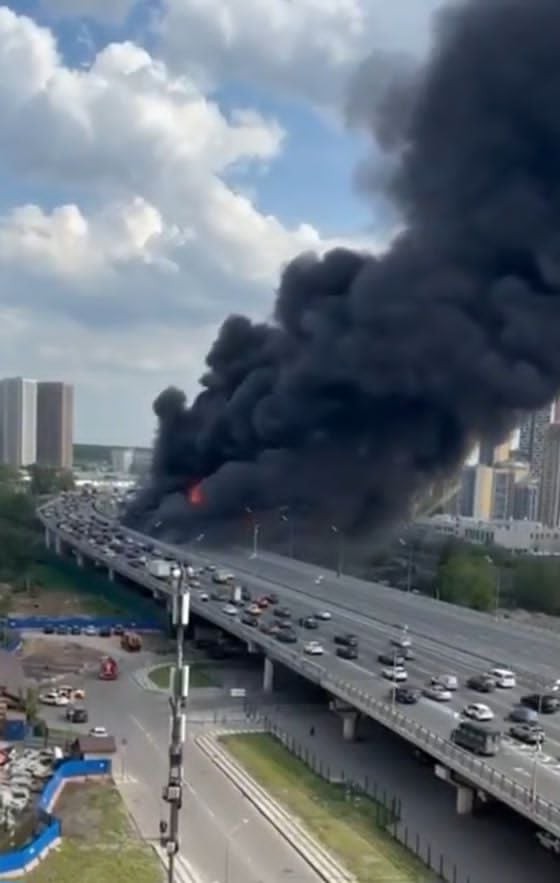

In the early hours of the morning, workers at a biscuit manufacturing facility near Trikala in central Greece were carrying out routine overnight operations when disaster suddenly unfolded. Flames rapidly spread through sections of the industrial complex, triggering a large emergency response and sending thick smoke into the surrounding area.
For nearby residents, the glow of fire against the dark sky was both alarming and surreal. Emergency vehicles rushed toward the scene while firefighters worked through unstable structures and intense heat to contain the blaze.
According to reports from Greek authorities, several workers managed to evacuate safely. Tragically, others did not. The incident quickly became one of the most widely discussed industrial emergencies in Greece this year, drawing attention not only because of the scale of the fire, but because it highlighted broader concerns about workplace safety, industrial risk management, and emergency preparedness.
As investigators continue examining the cause, the event has sparked conversations around the world about how factories balance productivity, automation, and worker protection in increasingly complex industrial environments.
What Happened at the Trikala Factory
The fire reportedly began around 4:00 a.m. at the Violanta biscuit production facility, located approximately 200 miles north of Athens. Authorities stated that a number of employees were working during the overnight shift when the blaze erupted.
Emergency crews responded quickly after receiving reports of flames inside the building. Firefighters later described challenging conditions, including damaged structures, heavy smoke, and sections of the facility that were difficult to access safely.
The Hellenic Fire Service deployed dozens of firefighters and multiple fire engines to control the situation and prevent the fire from spreading further.
Several workers escaped the building, while rescue teams continued searching through affected sections of the facility. Authorities later confirmed casualties connected to the incident, prompting widespread mourning throughout the local community.

Why Industrial Fires Can Escalate So Quickly
Industrial facilities contain a combination of machinery, electrical systems, combustible materials, and production equipment that can allow fires to spread rapidly once they begin.
Food manufacturing plants, including bakeries and biscuit factories, often involve:
High Temperature Equipment
Industrial ovens, heating systems, and production machinery operate continuously and generate significant heat.
Electrical Systems
Large manufacturing facilities rely heavily on electrical networks that power automated systems and production lines.
Dust and Fine Particles
In food production environments, flour dust and other particles can accumulate. Under certain conditions, these materials may contribute to fire risks if ignition occurs.
Continuous Operations
Factories operating overnight shifts may have fewer personnel available during emergencies compared to daytime operations.
Because of these factors, even a relatively small malfunction can sometimes escalate into a serious incident within minutes.
The Importance of Emergency Response
One reason industrial safety experts emphasize emergency preparedness is because rapid response often determines whether an incident remains contained or becomes catastrophic.
Reports from Greece indicated that firefighters worked for hours to stabilize the scene and navigate heavily damaged areas. Emergency responders also established safety zones around the facility to protect nearby residents and reduce additional hazards.
These operations require extraordinary coordination between:
Firefighters
Teams must control flames while protecting themselves from collapsing structures and hazardous smoke.
Medical Personnel
Emergency medical teams evaluate injuries, smoke exposure, and trauma among workers and responders.
Investigators
Authorities begin collecting evidence immediately to determine possible causes.
Local Officials
Municipal leaders help coordinate evacuations, road closures, and public communication.
Industrial fires are rarely simple events. They often evolve rapidly and require specialized training and equipment.
Why the Cause May Take Time to Determine
After major industrial incidents, investigations can last weeks or even months. Authorities must carefully examine multiple possible factors before reaching conclusions.
Investigators may inspect:
Machinery Systems
Equipment failures can sometimes generate sparks, overheating, or pressure issues.
Electrical Infrastructure
Faulty wiring or overloaded systems are common areas of examination.
Safety Compliance Records
Authorities review maintenance logs, inspection reports, and training procedures.
Structural Damage
The pattern of damage may help investigators identify where the fire originated.
In the Trikala case, officials stated that the exact cause remains under investigation. Early reports mentioning unusual sounds or possible equipment issues have not yet been officially confirmed.
Experts consistently warn against drawing conclusions too early, especially while investigations remain ongoing.
The Emotional Impact on Communities
Industrial facilities are often deeply connected to local communities. Factories provide jobs, support nearby businesses, and shape regional economies. When tragedy strikes such a workplace, the emotional impact extends far beyond the building itself.
Residents near Trikala reportedly expressed grief and solidarity with the affected families and emergency responders. In many industrial towns, workers are neighbors, relatives, and lifelong friends.
A workplace emergency therefore becomes a shared community trauma.
The emotional toll can affect:
Families of Workers
Loved ones often face uncertainty and anxiety during rescue operations and investigations.
Coworkers
Employees who witnessed the incident may experience emotional distress long afterward.
First Responders
Emergency personnel frequently operate under physically and emotionally difficult conditions.
Local Residents
Communities may feel shock, grief, and concern about future safety.
These human consequences are often the most lasting part of industrial disasters.
How Workplace Safety Standards Work in Europe
Factories across Greece and the European Union operate under workplace safety regulations designed to reduce industrial risks.
These rules generally include requirements involving:
Fire Prevention Systems
Factories must maintain alarms, extinguishers, and emergency response infrastructure.
Regular Inspections
Authorities conduct safety inspections to verify compliance.
Employee Training
Workers are trained in evacuation procedures and emergency response protocols.
Equipment Maintenance
Machinery and electrical systems require ongoing monitoring and servicing.
Despite these protections, industrial environments still involve risks, particularly in facilities operating large scale automated systems around the clock.
Experts note that safety regulations reduce risk significantly, but no industrial system can eliminate danger entirely.
Why Overnight Shifts Present Unique Challenges
Many industrial facilities operate continuously to meet production demands. Overnight shifts are common in manufacturing industries worldwide.
However, nighttime operations may involve additional challenges:
Reduced Visibility
Low light conditions can complicate emergency response.
Smaller Staffing Levels
Fewer employees may be present compared to daytime operations.
Fatigue
Workers operating during overnight hours may experience slower reaction times due to fatigue.
Delayed Detection
Fires that begin in isolated areas may spread before being noticed immediately.
Because of these factors, emergency systems and training become especially critical during night operations.
Lessons Modern Industry Continues to Learn
Every major industrial incident contributes to broader conversations about safety improvements and prevention strategies.
Experts often recommend focusing on:
Preventive Maintenance
Regular inspections can help identify potential problems before failures occur.
Modern Detection Systems
Advanced sensors and automated shutdown systems may improve early warning capabilities.
Emergency Drills
Frequent practice helps workers respond more effectively under pressure.
Worker Communication
Employees must feel comfortable reporting safety concerns without fear.
Industrial safety continues evolving as technology advances and manufacturing systems become more automated.

The Role of Media and Public Attention
Large industrial incidents often attract international media coverage because they involve themes that resonate globally: workplace safety, emergency response, and human resilience.
However, authorities frequently encourage the public to rely on verified information rather than speculation shared online.
During rapidly developing situations, misinformation can spread quickly, especially through social media. Unconfirmed claims about explosions, equipment failures, or negligence may circulate before investigators release official findings.
Responsible reporting therefore becomes especially important during ongoing investigations.
Supporting Workers and Families After Tragedy
Beyond technical investigations, recovery efforts often focus on emotional and financial support for affected families and workers.
In many countries, workplace incidents may involve:
Compensation Programs
Labor laws often provide financial assistance to affected families.
Counseling Services
Psychological support may help workers and families process trauma.
Community Assistance
Local organizations frequently organize support initiatives and memorial efforts.
Workplace Reviews
Companies may implement updated safety measures following investigations.
These responses help communities begin the difficult process of healing.
Reflection on Industrial Safety in the Modern World
The Trikala factory fire serves as a painful reminder that industrial progress and workplace safety must always remain closely connected. Modern factories rely on sophisticated machinery, automation, and nonstop production schedules, but behind every production line are human lives that depend on safe working conditions.
While investigations continue into the exact cause of the fire, the broader lesson extends beyond a single facility or country. Industrial safety is not static. It requires constant attention, maintenance, training, and adaptation as technologies evolve.
Events like this also remind people of the courage displayed by emergency responders who enter dangerous environments to protect others, often under unpredictable conditions.
Most importantly, the tragedy highlights the value of transparency, accountability, and community support during moments of crisis. As industries continue modernizing around the world, balancing efficiency with worker protection remains one of the most important responsibilities any society can carry.
Sources
Reuters
BBC News
Associated Press
The Guardian
European Agency for Safety and Health at Work
International Labour Organization
Hellenic Fire Service
European Commission Workplace Safety Resources
