
At major airports around the world, thousands of flights depart every day with carefully coordinated routines designed to ensure passenger and cargo safety. Most of these journeys pass unnoticed by the public, guided by strict aviation procedures and layers of engineering oversight.
But on a November morning in 2025, a cargo flight departing from Louisville Muhammad Ali International Airport became the center of one of the most widely discussed aviation investigations in recent memory.
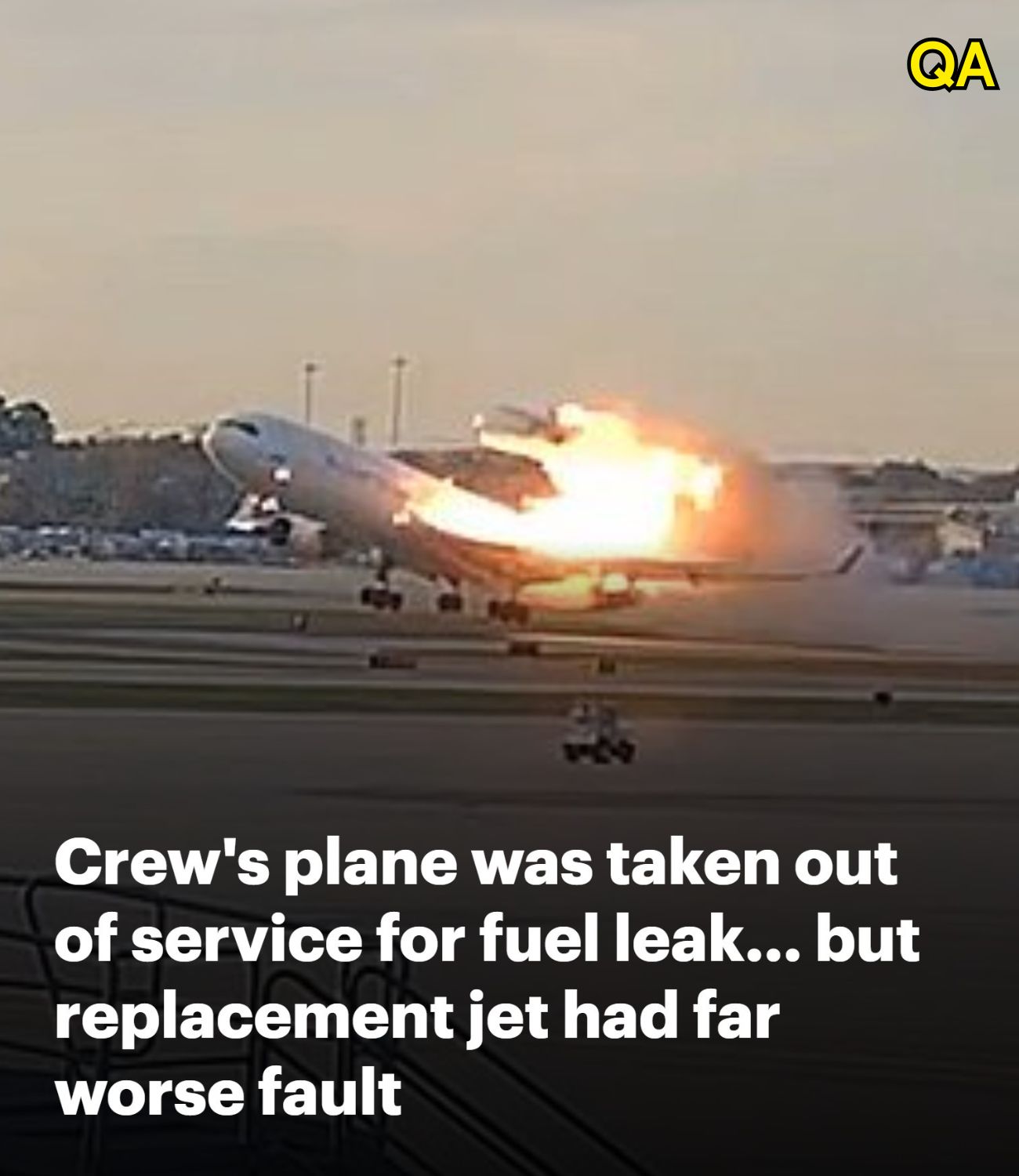
According to official reports, UPS Flight 2976 had originally planned to use one aircraft for its scheduled trip to Hawaii. During a routine inspection, however, a fuel leak was reportedly discovered, and the aircraft was removed from service for safety reasons. A replacement plane, a Boeing MD-11F cargo jet, was then assigned for the flight.
Moments after takeoff, tragedy unfolded when one of the aircraft’s engines separated from the wing structure. Investigators later confirmed that the event led to a catastrophic crash near the airport area, triggering an extensive federal investigation involving aviation authorities, engineers, and safety experts.
As new footage and technical reports emerged, the incident sparked widespread public discussion about aircraft maintenance, aging aviation equipment, and the complex systems that keep modern flight operating safely.

Understanding the Boeing MD-11 Cargo Aircraft
The aircraft involved in the incident was identified as a McDonnell Douglas MD-11, a large three-engine aircraft commonly used for long-distance cargo transportation.
Originally developed from the DC-10 platform, the MD-11 became popular among cargo carriers because of its extended range and large freight capacity. While passenger airlines gradually retired many MD-11 aircraft over the years, several cargo companies continued operating them successfully for international logistics operations.
Like many commercial aircraft still in operation today, some MD-11 cargo planes have remained active for decades through extensive maintenance programs, inspections, and regulatory oversight.
Aging aircraft themselves are not automatically unsafe. Aviation experts emphasize that aircraft are continuously inspected under strict maintenance schedules established by manufacturers and aviation authorities.
However, older fleets can require increased structural monitoring because repeated pressurization cycles, vibration, and long-term operational stress may contribute to material fatigue over time.
What Investigators Reported About the Engine Separation
According to reports released by the National Transportation Safety Board, the aircraft’s left engine reportedly separated from the wing structure shortly after takeoff.
Investigators later noted signs of structural damage involving the pylon assembly, which is the component connecting the engine to the aircraft wing.
Preliminary findings referenced evidence of fatigue cracking and overstress damage in parts associated with the mounting structure. Investigators continue analyzing whether long-term wear, mechanical stress, maintenance history, or additional factors contributed to the failure.
Importantly, aviation investigations are highly technical processes that often take many months or even years to complete fully. Preliminary reports typically focus on factual observations rather than final conclusions.
Authorities continue reviewing maintenance records, inspection procedures, component history, and operational data to determine exactly how the failure occurred.

Why Aircraft Maintenance Is So Strictly Regulated
Modern aviation operates under some of the strictest engineering and safety standards in the world.
Commercial aircraft undergo frequent inspections that range from routine visual checks to detailed structural examinations requiring partial disassembly. Components such as engines, pylons, hydraulic systems, and landing gear are carefully monitored throughout an aircraft’s operational life.
Organizations such as the Federal Aviation Administration establish mandatory maintenance requirements and inspection intervals for airlines and cargo carriers.
These procedures are designed specifically to detect early signs of wear before they develop into larger structural concerns.
Investigators often pay close attention to metal fatigue during aircraft reviews. Fatigue cracking occurs gradually over time when materials experience repeated stress cycles. Even small structural imperfections can become significant if left undetected under continuous operational strain.
The aviation industry constantly studies these issues to improve inspection technologies and long-term fleet safety.
The Emotional Impact on Families and Communities
Beyond the engineering analysis and technical hearings, incidents like Flight 2976 deeply affect families, airport workers, emergency responders, and surrounding communities.
Public statements from investigators acknowledged not only physical injuries and losses, but also the emotional trauma experienced by survivors, witnesses, and loved ones.
Large-scale aviation incidents often create lasting psychological effects because they occur suddenly and receive intense public attention. Family members frequently spend months awaiting investigation updates while trying to understand complex technical explanations surrounding the event.
In this case, reports also described legal actions filed by some families and affected individuals seeking accountability and answers regarding the circumstances surrounding the crash.
Why Aviation Accidents Draw Public Fascination
Air travel remains statistically one of the safest forms of transportation, yet aviation accidents attract enormous global attention whenever they occur.
Part of this fascination comes from the complexity of aircraft themselves. Modern airplanes represent remarkable engineering achievements involving aerodynamics, propulsion systems, advanced materials, electronics, and human coordination.
When failures occur despite these safeguards, the public naturally seeks explanations.
Another factor involves visibility. Dramatic images, video footage, and emergency response scenes can quickly spread online, intensifying emotional reactions and speculation before investigations conclude.
Experts caution against rushing to conclusions during active investigations. Aviation accidents rarely result from a single simple cause. Instead, investigators often uncover combinations of mechanical, environmental, operational, and procedural factors interacting together.

How Aviation Investigations Work
Transportation investigations are designed not to assign immediate blame, but to understand what happened and improve future safety.
The NTSB typically analyzes:
flight data recorder information,
cockpit voice recordings,
maintenance documentation,
engineering records,
weather conditions,
crew procedures,
and wreckage reconstruction.
Investigators may also conduct laboratory testing on damaged components to study microscopic fractures, corrosion patterns, or material stress indicators.
Public hearings involving manufacturers, regulators, unions, and airline representatives allow investigators to gather additional technical information and testimony.
These findings often lead to updated safety recommendations, revised inspection requirements, or engineering modifications intended to prevent similar incidents in the future.
The Challenge of Aging Aircraft Fleets
The Flight 2976 investigation has also renewed public discussion about aging commercial aircraft fleets.
Many cargo airlines continue operating older aircraft models because cargo operations place different economic demands on fleets compared to passenger airlines. Properly maintained older aircraft can continue operating safely for many years.
However, maintaining aging aircraft requires extensive inspections and careful monitoring of structural integrity.
Aviation engineers continually develop improved diagnostic technologies capable of identifying tiny cracks or stress-related wear long before visible failure occurs.
The industry also studies historical incidents carefully because lessons learned from previous accidents often lead to major advancements in aviation safety standards.

Media Coverage and Public Perception
Media coverage surrounding aviation disasters can significantly shape public perception.
Headlines emphasizing dramatic imagery or worst-case scenarios may increase fear even when air travel overall remains extremely safe. At the same time, investigative journalism plays an important role in holding organizations accountable and informing the public about safety issues.
Balanced reporting is especially important during ongoing investigations because early information may later change as more evidence becomes available.
Experts encourage readers to rely primarily on verified statements from recognized investigative agencies rather than speculation circulating online or through unofficial sources.
A Reflection on Technology, Trust, and Human Curiosity
The investigation into UPS Flight 2976 highlights both the extraordinary complexity of modern aviation and the human need to understand unexpected tragedy.
Aircraft represent decades of scientific progress, engineering innovation, and international cooperation. Yet even highly advanced systems depend on constant vigilance, maintenance, and learning.
Every major aviation investigation contributes to future safety improvements because investigators study not only what failed, but also how systems can evolve to reduce risk moving forward.
At the same time, public fascination with aviation incidents reflects a deeper human curiosity about technology and trust. People rely on aircraft every day without fully seeing the enormous network of engineering, inspection, and coordination supporting each flight.
When something goes wrong, society looks for answers not only to explain the event itself, but also to restore confidence in the systems designed to protect human life.
Perhaps that is why aviation investigations matter far beyond a single incident. They remind people that progress depends not only on innovation, but also on transparency, accountability, and the ongoing pursuit of safer skies.
Sources
Daily Mail report discussing UPS Flight 2976 investigation updates
National Transportation Safety Board official investigation resources
Federal Aviation Administration aviation safety information
Boeing historical information on the MD-11 aircraft platform
